Top 10 Toys of 1994 Ranked: The Biggest Toy Crazes for Younger Gen X and Early Millennials

Top 10 Toys of 1994 Ranked: The Biggest Toy Crazes for Younger Gen X and Early Millennials
Smells Like Gen X • Top Toys of 1994

The Top 10 Toys of 1994

The top 10 toys of 1994 feel like the exact point where the center of gravity starts shifting from classic Gen X childhood into younger Gen X and older millennial territory. The vibe changes. The shelf is brighter, more TV-fueled, more catchphrase-driven, and much more obviously shaped by what kids are watching after school. That does not mean the old toy rules disappear. Barbie is still a giant. Nintendo is still a status symbol. Batman and X-Men still matter. But 1994 feels less like a leftovers year from the early 90s and more like a full-on crossover moment between generations.

That is part of what makes 1994 so interesting. The hottest product in the country is not subtle. It is Mighty Morphin Power Rangers, and the demand was so intense it basically rewired the toy conversation. Around it, the aisle fills in with a talking movie gadget, oversized dolls, baby dolls with strong personality hooks, gross edible lab kits, familiar superhero action lines, and premium gaming that still carried serious playground prestige even while video games softened versus earlier years.

For younger Gen X kids and older millennials, 1994 feels like one of those years where the toy aisle stops looking like a simple category wall and starts looking like a full-blown pop-culture event. You were not just asking for toys anymore. You were asking for brands, identities, powers, sounds, slogans, and the exact thing everybody else at school was already talking about.

Gen X / Millennial Note: If the earlier years in this series lean more straight Gen X, 1994 is where younger Gen X and elder-millennial toy culture really starts taking over the room.

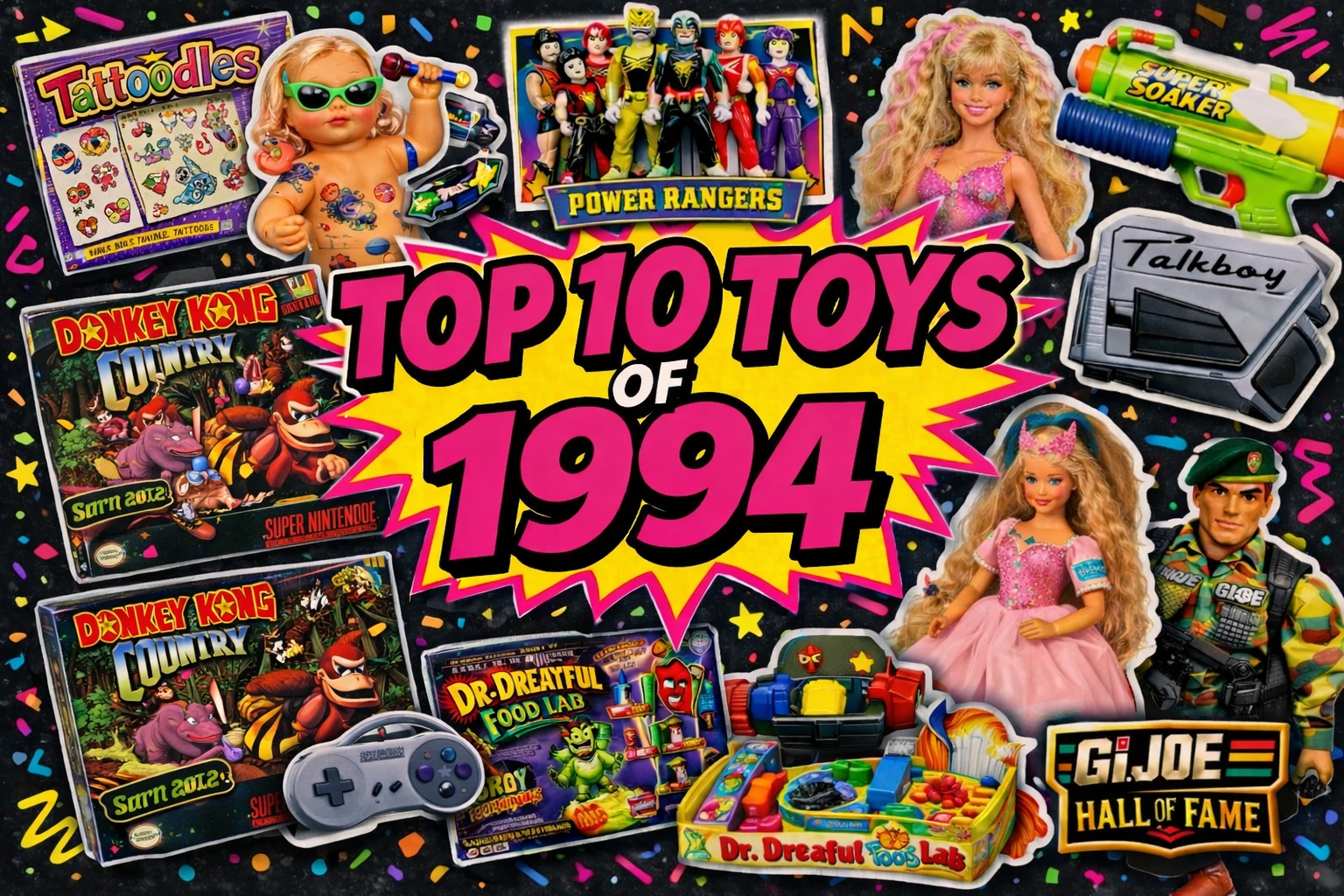
Quick List: The Top 10 Toys of 1994

  1. Mighty Morphin Power Rangers
  2. Deluxe Talkboy
  3. My Size Barbie
  4. Super Nintendo Entertainment System
  5. Dr. Dreadful Food Lab
  6. X-Men Action Figures
  7. Batman Toys
  8. My Pretty Topsy Tail
  9. G.I. Joe Hall of Fame
  10. Tattoodles

Countdown: The Top 10 Toys of 1994

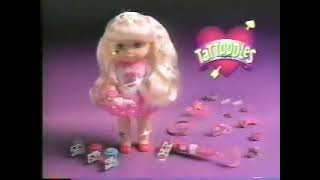
Tattoodles doll
1994

#10 — Tattoodles

Baby-Doll Weirdness With Attitude
Toy TypeBaby doll line
Brand LanePersonality-first doll concept
1994 Rank#10

Tattoodles open the 1994 countdown because they show how much the mid-90s toy aisle was learning to sell personality as aggressively as play. A baby doll was no longer enough by itself. A baby doll now needed a twist, a visual gimmick, a slightly louder identity, and some built-in “look at this” factor that made the toy feel more current than a traditional nursery-line doll.

That is why Tattoodles fit 1994 so well. This is a year where products increasingly need immediate visual identity to stand out. You can see that all over the market, from Power Rangers colors to giant Barbie scale to the pure gadget look of Talkboy. Tattoodles belong in that ecosystem because they take a familiar category and make it just strange enough to feel new.

They also help explain the generational shift happening around this point. Younger Gen X kids and older millennials were growing up in a retail environment where brands were expected to be more expressive, more stylized, and more obviously different from one another. Tattoodles are not subtle, and that is exactly why they make sense here.

For younger Gen X and millennial kids, Tattoodles feel like the kind of toy that could get attention instantly because it looked like it came with its own built-in attitude.
Fun Fact / Why It Still Matters Tattoodles mattered because they show how even baby-doll lines were getting louder, stranger, and more brand-conscious by the mid-90s.
G.I. Joe Hall of Fame
1994

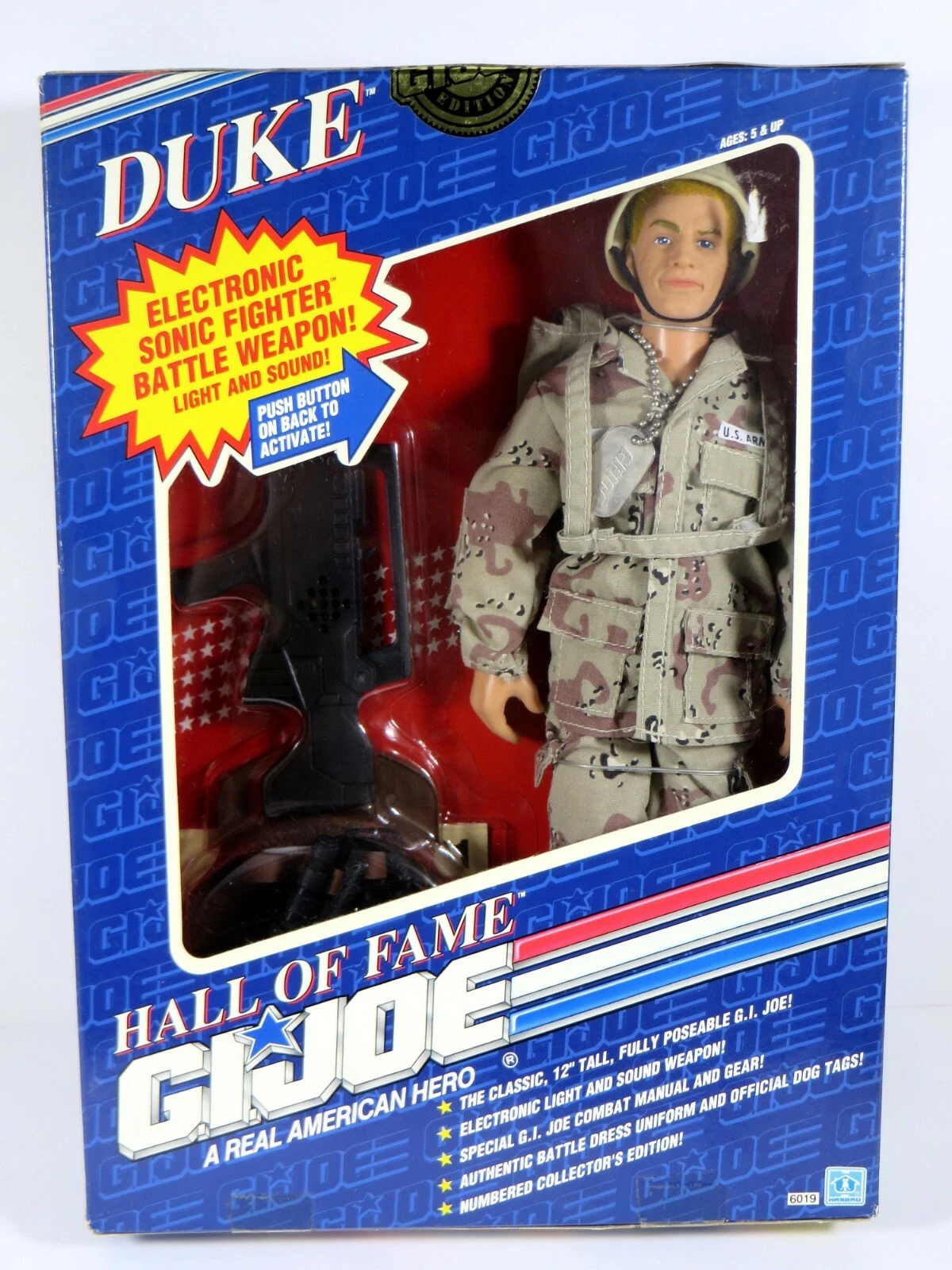
#9 — G.I. Joe Hall of Fame

Old-School Muscle in a New-School Aisle
Toy TypeLarge-scale action figure line
Brand LaneHeritage reboot
1994 Rank#9

G.I. Joe Hall of Fame hangs on in 1994 because nostalgia was not a side effect anymore. It was a legitimate sales strategy. This line represents one of the clearest examples of a toy company realizing that old brands could be revived not just for sentimental reasons, but because heritage itself could function as premium value.

The bigger figure scale matters too. It gives the line heft in a market that is increasingly full of quick-hit visual gimmicks and television-driven toys. Hall of Fame G.I. Joe feels more substantial, more deliberate, and more like a “real gift” in the eyes of the adults buying it. That kind of physical presence can matter a lot in a crowded aisle.

At the same time, 1994 is clearly moving toward younger kids and more hyperactive properties, so Hall of Fame G.I. Joe does not dominate the conversation the way Power Rangers do. Instead, it survives as one of the year’s more respectable holdouts: a brand with history still managing to look relevant in a faster, louder environment.

For younger Gen X kids, G.I. Joe Hall of Fame may have felt slightly older-school. For older millennials, it could read like a big, serious action figure from the era just before everything went full cartoon panic.

Fun Fact / Why It Still Matters Hall of Fame stayed important because it proved legacy brands could still claim shelf space even as the toy market got younger and more TV-driven.
My Pretty Topsy Tail doll
1994

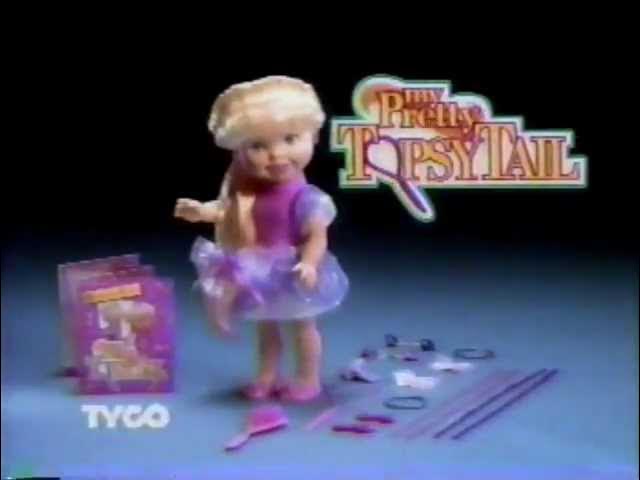
#8 — My Pretty Topsy Tail

Hair Play Still Sells
Toy TypeStyling doll
Brand LaneInteractive beauty-play hit
1994 Rank#8

My Pretty Topsy Tail ranks here because 1994 still understands one of the simplest truths in the doll business: if a doll gives kids something obvious to do with it, the product becomes much stronger. Hair play is tactile, visible, repeatable, and easy to demonstrate. That gives a doll an active hook instead of leaving it as a purely decorative object.

This is especially important in a year where younger Gen X and older millennial kids are consuming products in a more performance-oriented way. Toys increasingly need to show what they do. My Pretty Topsy Tail fits because the play pattern is built into the styling itself. Kids are not merely owning the doll. They are continually using the feature that makes the doll distinct.

It also lives comfortably beside bigger Barbie successes without feeling redundant. Barbie remains the empire, but the mid-90s aisle is large enough to support other styling and grooming-based doll concepts that target the same appetite for transformation, personalization, and show-and-tell play.

For younger Gen X and millennial kids, My Pretty Topsy Tail feels like the kind of toy that made a basic beauty-play promise and then tried very hard to overdeliver on the hair.

Fun Fact / Why It Still Matters My Pretty Topsy Tail mattered because active styling features were one of the easiest ways to keep dolls feeling current in the mid-90s.
Batman toys
1994

#7 — Batman Toys

Still Reliable, Still Toyetic
Toy TypeSuperhero action line
Brand LaneEvergreen licensed action
1994 Rank#7

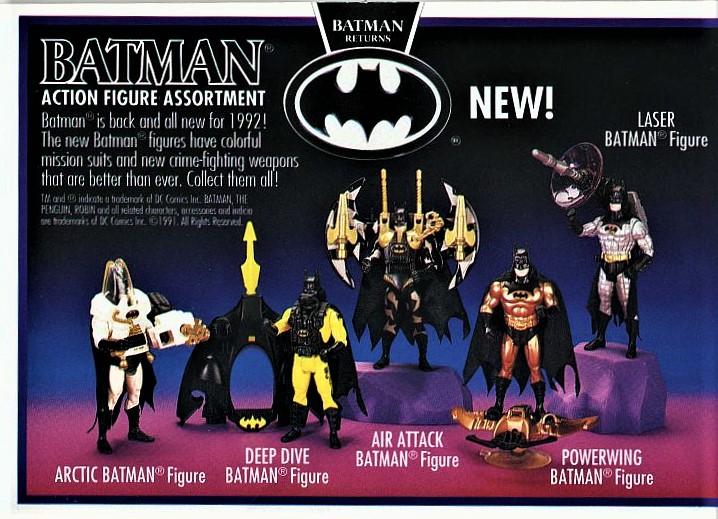
Batman remains on the list because by 1994 the character is one of the safest action bets in the entire business. Batman is endlessly flexible. He can absorb a movie cycle, a comic aesthetic, weird accessories, oversized vehicles, armor gimmicks, and toy-only nonsense without breaking the fantasy. That is a huge commercial advantage.

In a year where Power Rangers are sucking all the oxygen out of the action aisle, Batman’s continued presence matters because it shows the difference between a phenomenon and an institution. Power Rangers are the eruption. Batman is the structure still standing next door. Even when he is not the central panic-buy story, he remains dependable.

He also bridges generations surprisingly well. Older Gen X kids already knew Batman from earlier cycles. Younger Gen X and older millennial kids could come in through newer media, toy shelves, or simple visual coolness. That broad recognizability helps explain why the brand keeps working.

For younger Gen X and millennial kids, Batman toys in 1994 still felt like one of the clearest ways to enter superhero play without needing an explanation.

Fun Fact / Why It Still Matters Batman stayed strong because the character could absorb almost any toy gimmick and still look like a valid purchase.
X-Men action figures
1994

#6 — X-Men Action Figures

Mutant Variety Still Wins
Toy TypeSuperhero action figure line
Brand LaneTeam-based collectability
1994 Rank#6

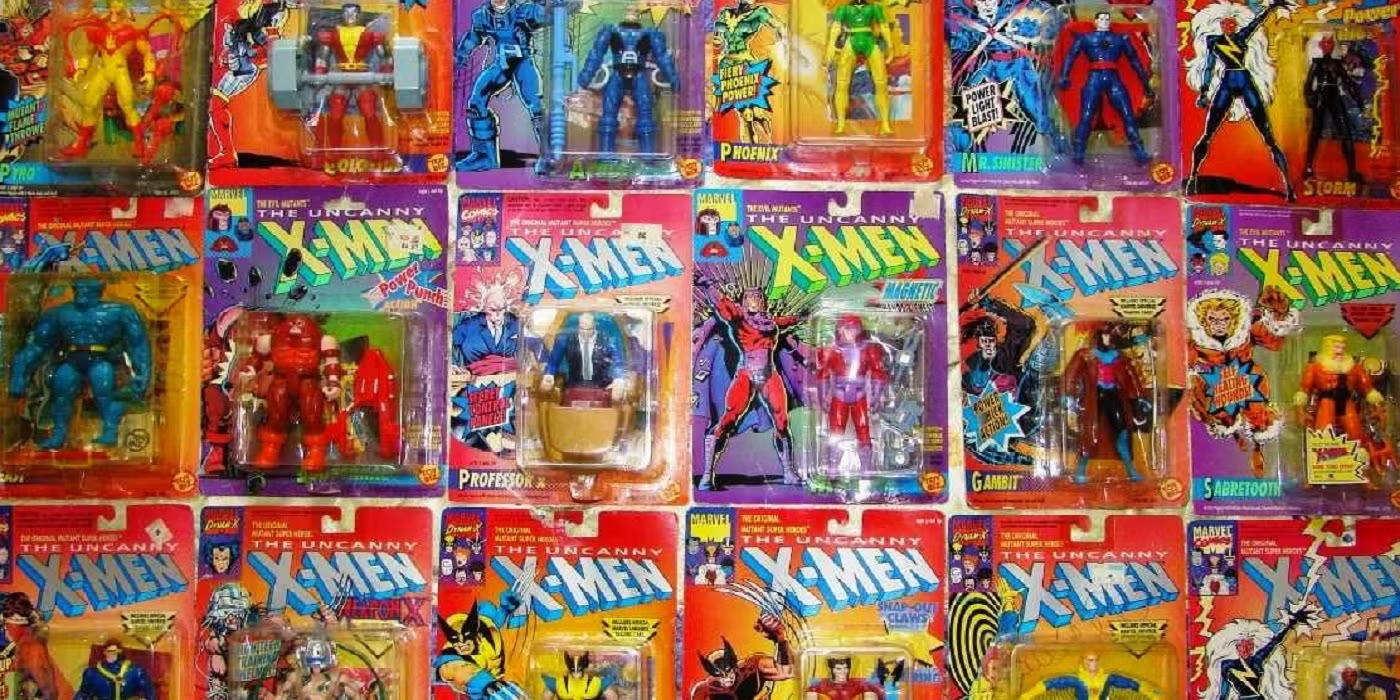
X-Men action figures stay high because the line’s core advantage never goes away: variety is the business model. Different characters, different powers, different looks, different favorites, different team combinations. That structure makes the line almost impossible to finish, which is exactly what a toy company wants.

By 1994, that collectability matters even more because kids are increasingly being taught to think in brands, rosters, and favorite identities. This is a younger Gen X / older millennial style of toy culture where asking “which one are you?” becomes part of the experience. X-Men fit that perfectly.

They also hold ground because the action aisle is getting more fragmented. It is no longer just one big hero lane. Batman is there. Power Rangers are there. G.I. Joe is still hanging around. X-Men survive that competition because their diversity of character design is itself a hook.

For younger Gen X and millennial kids, X-Men figures feel like the kind of line that rewarded not just having one cool figure, but building a whole unstable little universe of favorites.

Fun Fact / Why It Still Matters X-Men remained strong because the line’s endless character variety naturally pushed kids toward repeat buying and team-building.
Dr. Dreadful Food Lab
1994

#5 — Dr. Dreadful Food Lab

Gross-Out Edible Chaos
Toy TypeFood-making lab kit
Brand LaneGross novelty science play
1994 Rank#5

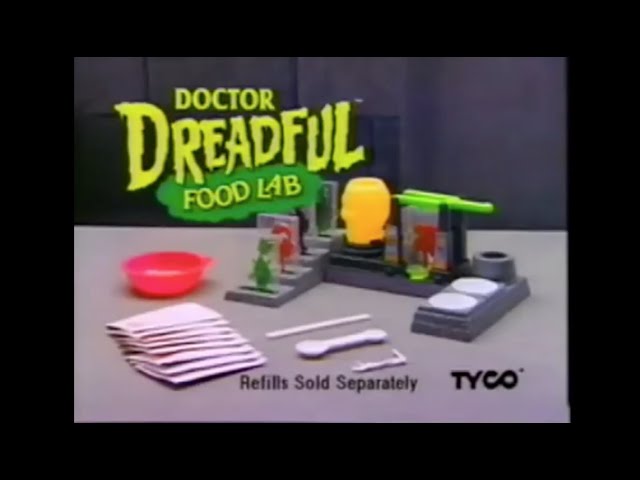
Dr. Dreadful Food Lab lands in the top five because 1994 still rewards toys that feel like miniature home events. You do not just own Dr. Dreadful. You perform Dr. Dreadful. The kit turns weird edible output into its own tiny spectacle, and spectacle is one of the central currencies of the mid-90s toy aisle.

It also benefits from the same logic that helped Creepy Crawlers a couple years earlier: kids love products that let them make something gross on purpose. There is something deeply durable about toy concepts that combine minor transgression, visible process, and a finished object you can immediately show to someone else. Dr. Dreadful simply pushes that logic into food-horror territory.

For younger Gen X and older millennial kids, this kind of toy makes perfect sense. By 1994, products are increasingly expected to have an easy pitch, a loud visual identity, and a strong “watch this” component. Dr. Dreadful checks all three boxes.

For younger Gen X and millennial nostalgia specifically, Dr. Dreadful feels like one of those toys that now sounds fake until you remember the 90s absolutely would sell children a mini lab to make edible worms.

Fun Fact / Why It Still Matters Dr. Dreadful mattered because it turned gross-out energy and simple kitchen chemistry into a repeatable toy event.
Super Nintendo Entertainment System
1994

#4 — Super Nintendo Entertainment System

Still Premium, Even in a Softer Gaming Year
Toy Type16-bit home game console
Brand LaneHigh-status gaming platform
1994 Rank#4

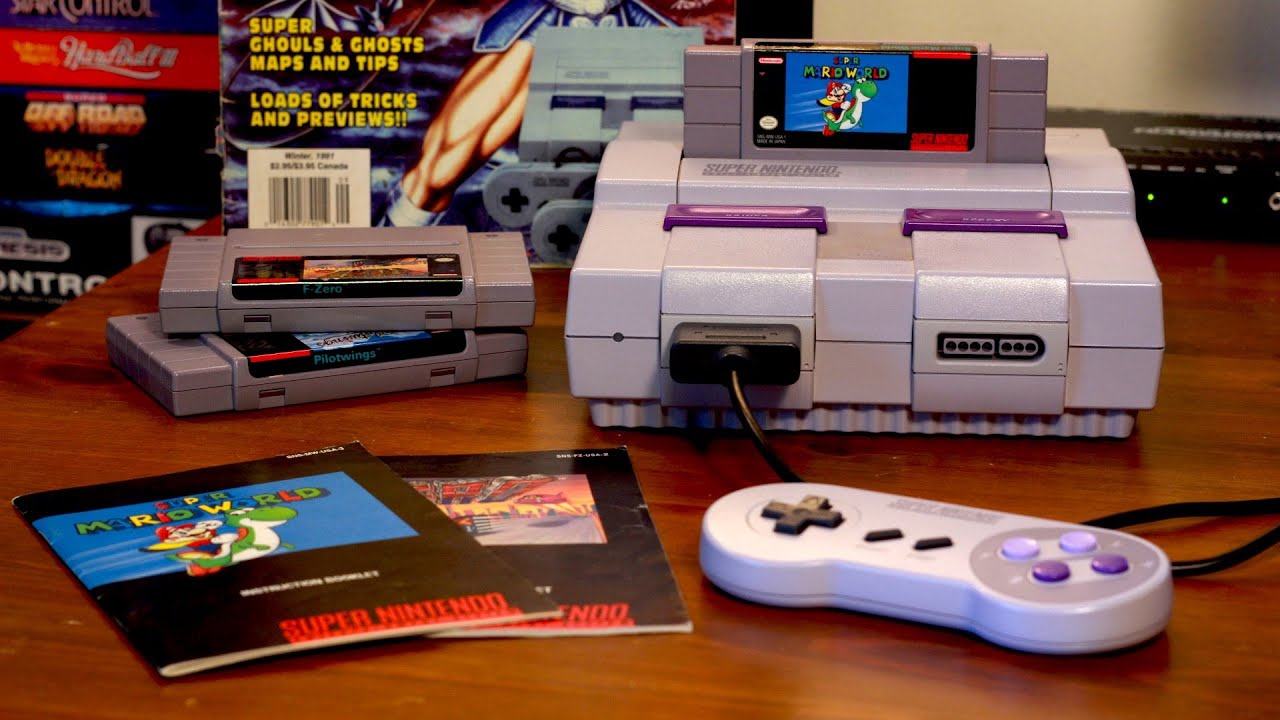
Super Nintendo ranks fourth because even as traditional toys gained ground in 1994, gaming was still too culturally important to disappear. The difference is that the category no longer gets to act like it owns the entire room. It has to share the spotlight with Power Rangers hysteria, Barbie strength, novelty electronics, and all the other products fighting for attention.

That actually makes the SNES more interesting this year, not less. It proves the system is resilient enough to remain premium even without being the only story. A kid who wanted Super Nintendo in 1994 was not simply asking for “a video game system.” They were asking for a specific ecosystem, specific titles, and the social status that came with having the machine everybody respected.

This is also one of the points where younger Gen X and older millennials really overlap. Both groups could still map major childhood identity onto gaming, but by 1994 games are increasingly one category among many rather than the single organizing principle of the whole season.

For younger Gen X and millennial kids, Super Nintendo in 1994 still feels like one of the most meaningful room-changing gifts you could get — even if it now had more competition from the rest of the shelf.

Fun Fact / Why It Still Matters Super Nintendo stayed huge because a mature gaming platform can remain desirable even when the rest of the toy market gets louder and more crowded.
My Size Barbie
1994

#3 — My Size Barbie

Barbie Goes Bigger Than the Room
Toy TypeLarge-format fashion doll
Brand LaneBarbie empire expansion
1994 Rank#3

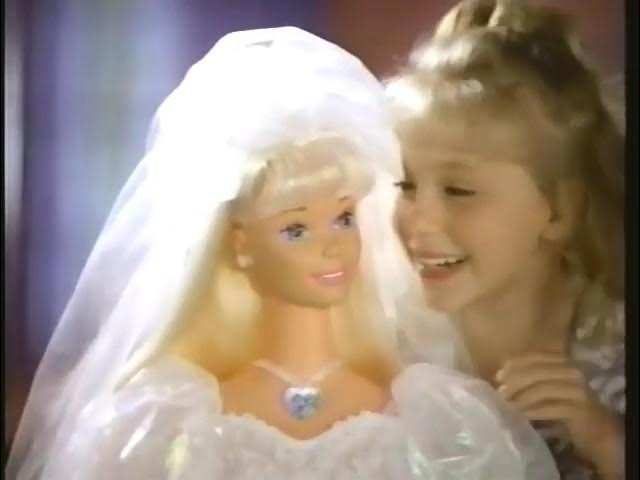
My Size Barbie takes number three because 1994 shows Mattel doing what Mattel does best: taking an already dominant brand and finding a way to make it feel freshly oversized, newly dramatic, and impossible to ignore. A giant Barbie is not subtle innovation. It is escalation, and escalation was one of the defining retail languages of the mid-90s.

What makes My Size Barbie especially important is that it does not abandon the core Barbie fantasy. It enlarges it. That matters because the doll feels like an event object without becoming unrecognizable. Kids still know exactly what it is. Adults still understand why it matters. It simply occupies more physical and emotional space.

There is also something very 1994 about the size gimmick itself. This is a moment when products are increasingly expected to have a strong visual punch and an easy explanation. My Size Barbie is the kind of idea that can be grasped across a room. In that sense, it is not just a Barbie. It is a retail statement.

For younger Gen X and older millennial kids, My Size Barbie feels like the kind of toy that crossed the line from ordinary wish-list item into “that thing everybody remembered seeing in the store.”

Fun Fact / Why It Still Matters My Size Barbie mattered because it turned Barbie’s existing dominance into a literal scale advantage and made the brand feel enormous in every sense.
Deluxe Talkboy
1994

#2 — Deluxe Talkboy

The Gadget Hit That Wouldn’t Cool Off
Toy TypeElectronic voice recorder toy
Brand LaneMovie-prop gadget phenomenon
1994 Rank#2

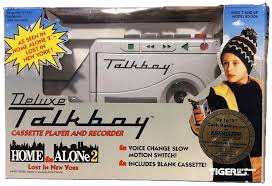
Deluxe Talkboy stays near the top because the toy had the rare ability to feel hot beyond one season. That is harder than it looks. Plenty of gadget toys flash, sell, and disappear. Talkboy had enough cultural memory, enough movie identity, and enough immediate social behavior built into it that the demand carried forward. That alone makes it one of the most interesting products of the mid-90s.

The appeal is simple and powerful: it lets kids sound different, act clever, and create instant chaos. Good hot toys often create behavior the second they are touched. Talkboy absolutely does. You record something, distort it, play it back, laugh, repeat, hand it off, escalate. That loop is why the product works as more than a mere novelty.

It also feels like one of the clearest signals that the younger Gen X / older millennial toy era is arriving fast. This is no longer just about figures and dolls. It is about gadgets with media DNA, products that feel like props from a larger entertainment universe. The toy lets kids imitate power, which is always a winning trick.

For younger Gen X and millennial kids, Talkboy feels like the exact kind of device that made you believe for a minute that a toy might actually improve your strategic position in the world.

Fun Fact / Why It Still Matters Talkboy stayed huge because it did not just look cool — it created instant behavior, instant jokes, and instant demand.
Mighty Morphin Power Rangers toys
1994

#1 — Mighty Morphin Power Rangers

The Full-Blown Mid-90s Toy Takeover
Toy TypeAction figure and role-play line
Brand LaneTV-fueled megahit
1994 Rank#1

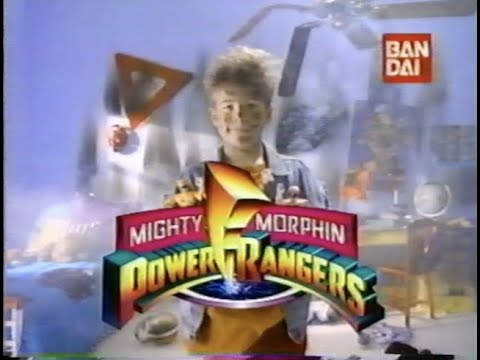
Mighty Morphin Power Rangers take the number one slot because 1994 is the year the line stops feeling like a sudden breakout and starts looking like a full consumer event. This is not merely a popular toy. It is the product that reorients the conversation. When a brand is selling out almost immediately, pulling attention across the aisle, and forcing adults into the kind of frantic search behavior usually reserved for legendary hot-toy seasons, that is number-one energy.

What makes the Rangers especially powerful is that they are built for identity. Kids can choose colors, argue favorites, collect teams, add villains, chase role-play gear, and move outward into a whole expanding brand universe. The property does not simply offer toys. It offers affiliations, which is one of the strongest hooks a youth brand can ever have.

This is also where the younger Gen X and older millennial shift becomes impossible to ignore. Power Rangers feel faster, brighter, louder, and more television-native than many earlier action brands. They are pure after-school energy turned into retail form. If earlier Gen X toy culture often centered on broader categories, 1994 increasingly centers on sudden media-specific obsession.

For younger Gen X and millennial kids, 1994 Power Rangers feel like the exact moment the toy aisle stops pretending to be calm and just starts screaming back.

Fun Fact / Why It Still Matters Power Rangers win 1994 because they were not just a hit toy line — they were the clearest sign that the whole mid-90s toy market had changed shape.

Rewind Verdict

The top 10 toys of 1994 work so well as a snapshot because they capture a genuine transition point. This is no longer just classic Gen X toy culture running on familiar engines. It is a crossover year where younger Gen X and older millennial tastes begin asserting themselves much more aggressively. The shelf becomes brighter, more character-driven, more gadget-friendly, and more dependent on media speed.

That is what makes 1994 feel different from 1993. The previous year already had panic and fast-moving demand, but 1994 feels even more tilted toward identity brands and television-native phenomena. Power Rangers dominate. Talkboy proves media gadgets can keep their heat. Barbie evolves without losing scale. Gaming remains premium but no longer monopolizes the room. Even dolls and gross-out kits feel louder and easier to pitch.

For younger Gen X and older millennial nostalgia, 1994 is one of the most revealing toy years in the whole decade. It is the point where the 90s stop warming up and start being unmistakably themselves.

FAQ: Top Toys of 1994

What was the biggest toy of 1994?

Mighty Morphin Power Rangers were the clearest number-one toy craze of 1994, dominating demand and selling through so fast that stores struggled to keep them in stock.

Why is Deluxe Talkboy still so high in 1994?

Because Talkboy managed something rare: it stayed hot into a second season by combining strong media recognition with a gadget function kids immediately wanted to use on each other.

Why does 1994 feel more millennial than some earlier years?

Because 1994 sits right on the younger Gen X / older millennial crossover, with more TV-driven identity brands, louder gimmicks, and a stronger after-school-pop-culture influence on toy demand.

Was Barbie still huge in 1994?

Yes. Barbie remained a dominant force, and My Size Barbie showed how the brand could keep reinventing itself without losing broad recognition or retail power.

Were video games fading by 1994?

Compared with their earlier peak, yes, but they were still extremely important. Super Nintendo remained one of the most prestigious gaming gifts of the year even as traditional toys regained some ground.

Get the Weekly Gen X Drop

New videos, rewinds, and savage nostalgia — first.

JOIN THE NEWSLETTER WATCH VIDEOS

MORE REWINDS