Top 10 Toys of 1992 Ranked: The Biggest Toy Crazes Every Gen X Kid Remembered

Top 10 Toys of 1992 Ranked: The Biggest Toy Crazes Every Gen X Kid Remembered
Smells Like Gen X • Top Toys of 1992

The Top 10 Toys of 1992

The top 10 toys of 1992 are fascinating because they do not look like a pure victory lap for cutting-edge electronics or some single giant new fad that came out of nowhere and hijacked the entire year. Instead, 1992 feels like a moment when the toy aisle gets gloriously unstable. Retro collectibles roar back. Barbie finds a perfect early-90s gimmick. Movie toys keep cashing checks. Water weapons become neighborhood policy. And the same kid who wanted a Super Nintendo might also desperately want a weird troll with neon hair and a jewel in its stomach.

That is what gives 1992 its personality. This is not a tidy year ruled by one lane. It is a pile-up. You have dolls, action brands, surprise toys, water blasters, movie merchandise, toy-line revivals, and one of the most perfectly dumb genius concepts of the entire decade in Crash Dummies. The winners are the toys that are instantly legible, easy to gift, fun to show off, and strong enough to stand out in a market that suddenly looks both more nostalgic and more chaotic at the same time.

For Gen X, 1992 feels like the toy shelf splitting into two moods at once: the future still mattered, but the past was suddenly cool again too. That made for one of the strangest, funniest, and most memorable toy years of the whole decade.

Gen X Note: 1992 is the rare year where a troll, a Barbie with absurd hair, a water gun, and a 16-bit console can all make perfect commercial sense at the same time.

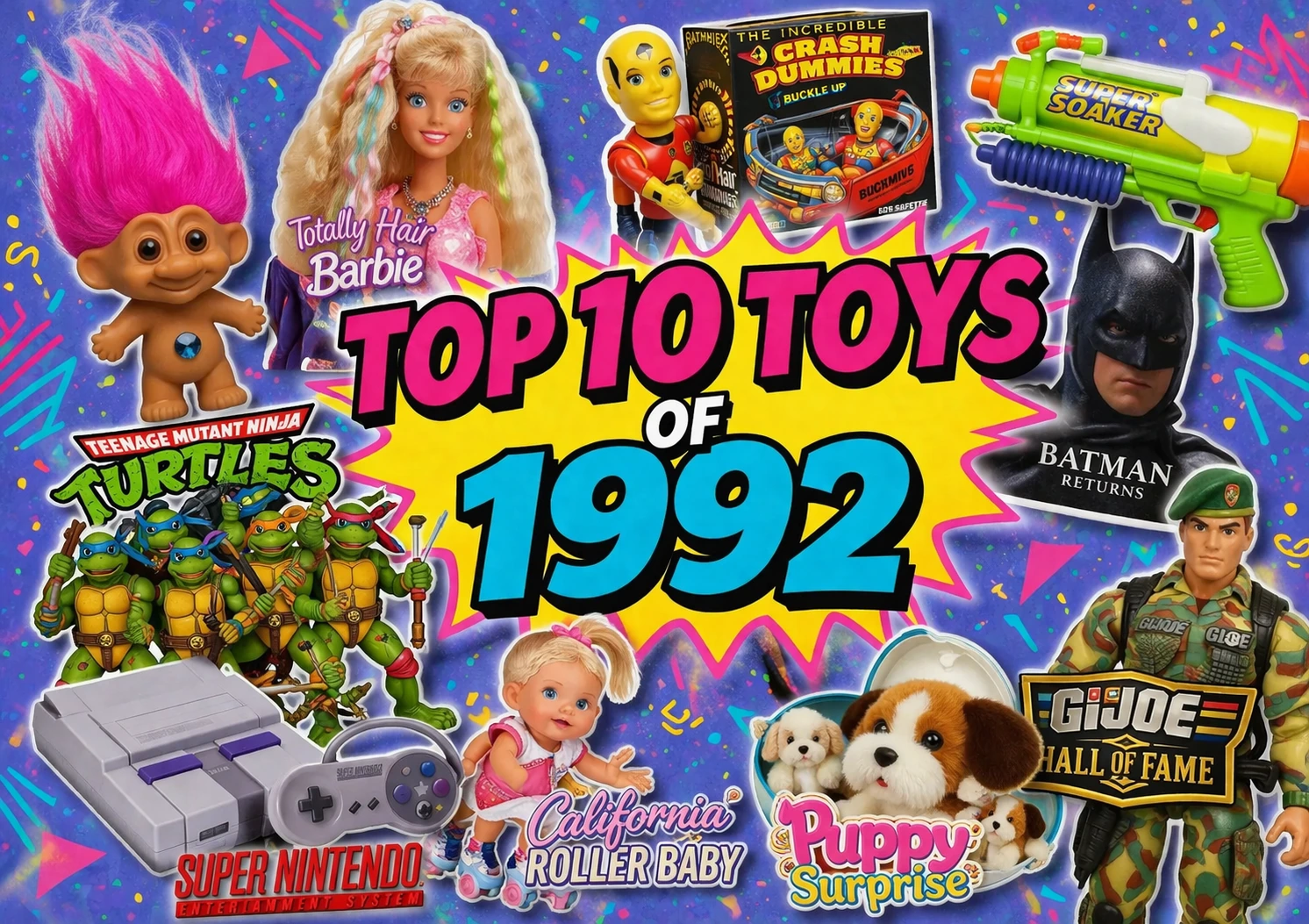
Quick List: The Top 10 Toys of 1992

  1. Troll Dolls
  2. Totally Hair Barbie
  3. Incredible Crash Dummies
  4. Batman Returns
  5. Super Soaker Water Gun
  6. Teenage Mutant Ninja Turtles
  7. Super Nintendo System
  8. G.I. Joe Hall of Fame
  9. California Roller Baby
  10. Puppy Surprise

Countdown: The Top 10 Toys of 1992

Puppy Surprise
1992

#10 — Puppy Surprise

The Reveal Was the Whole Game
Toy TypePlush surprise toy
Brand LaneNurturing play with a twist
1992 Rank#10

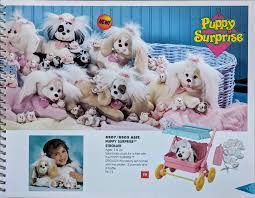
Puppy Surprise opens the 1992 countdown because it captures one of the smartest toy-business lessons of the decade: the package does not have to tell the whole story if the mystery becomes part of the toy. The plush dog itself is cute enough, but that is not why kids cared. The hook was the reveal. How many puppies are inside? Which ones do you get? The product turns curiosity into its own kind of play pattern, which is a very efficient way to build obsession.

That is a bigger deal than it sounds. A lot of toys are fun only after you fully know what they are. Puppy Surprise becomes fun because you do not. The uncertainty gives the toy a sense of event. Opening it feels more like discovering something than simply receiving something, and that subtle distinction is incredibly powerful when you are trying to make a plush product feel more exciting than the hundred other plush products already crowding the shelf.

It also fits the commercial mood of 1992 really well. This is a year full of products that have immediately understandable hooks. Puppy Surprise is practically built for adults who need an easy explanation. “It comes with surprise puppies inside” is enough. No giant mythos, no electronics, no elaborate instruction manual. Just one emotional premise with a reveal built into it.

For Gen X, Puppy Surprise feels like a perfect early-90s bridge between cuddly toy logic and collectible toy logic. It was soft, sweet, and still sneaky enough to make kids want more than one.
Fun Fact / Why It Still Matters Puppy Surprise mattered because it helped prove that surprise mechanics could turn even a simple plush toy into a high-demand collectible-style hit.
California Roller Baby doll
1992

#9 — California Roller Baby

Peak Early-90s Motion Gimmick
Toy TypeInteractive doll
Brand LaneMovement-demo doll hit
1992 Rank#9

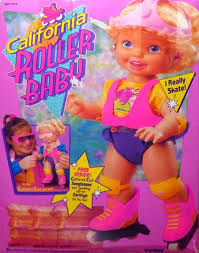
California Roller Baby lands at number nine because 1992 still loves toys that can prove their whole value in a few seconds of demonstration. This is one of the defining habits of the era. A toy that visibly moves, glides, rolls, dances, scoots, or performs some specific trick has an immediate retail advantage over a toy whose appeal must be explained through imagination alone. Roller Baby is built exactly for that environment.

What makes it especially early-90s is the blend of lifestyle branding and baby-doll familiarity. The “California” part gives it attitude. The rolling gimmick gives it spectacle. The doll format keeps it accessible and gift-friendly. It is not radical innovation so much as careful packaging of several things the market already knows how to sell: movement, personality, and a product that looks like it can perform.

It also tells you something about the toy aisle in 1992. Not every winner needed to be a giant franchise. Some products succeeded because they turned one visual trick into a full identity. That is exactly what happens here. The motion is the concept, but the styling keeps it from feeling purely mechanical. It still reads as a character toy, not just a device with wheels.

For Gen X, California Roller Baby feels like one of those gloriously specific toy ideas that made perfect sense at the time and sounds faintly absurd now, which is honestly part of its charm.

Fun Fact / Why It Still Matters Roller Baby shows how much early-90s toy marketing loved products that could sell themselves through visible movement and a very quick “watch this” moment.
G.I. Joe Hall of Fame
1992

#8 — G.I. Joe Hall of Fame

The Big Guy Comes Back
Toy TypeLarge-scale action figure line
Brand LaneClassic reboot with muscle
1992 Rank#8

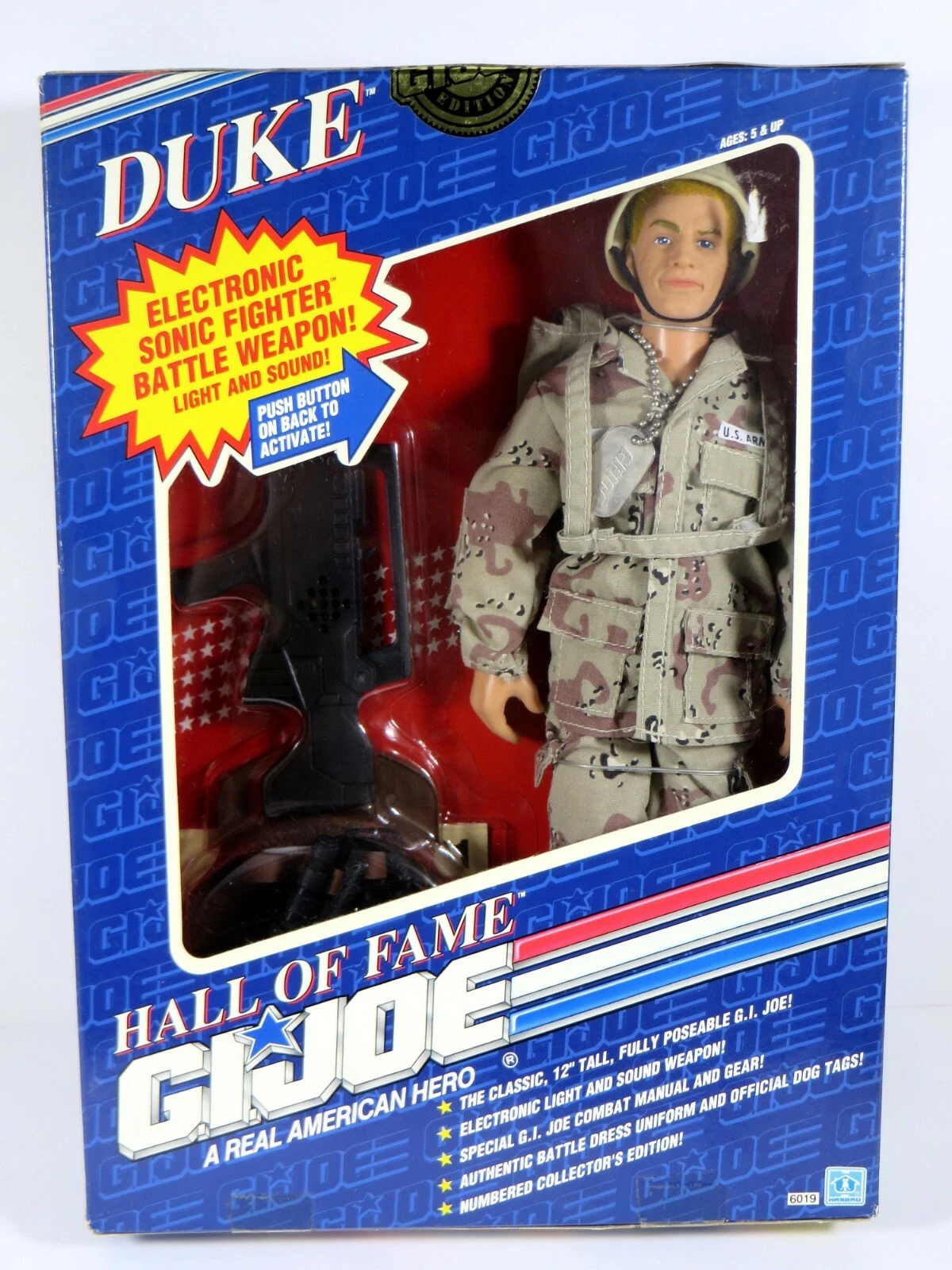
G.I. Joe Hall of Fame ranks here because 1992 is one of the clearest moments when nostalgia stops being background flavor and starts becoming direct retail strategy. Bringing back larger G.I. Joe figures is not just a design choice. It is an industry realizing that older brands can be sold again not merely as leftovers from the past, but as authoritative, premium, heritage products with built-in recognition.

That makes this line much more interesting than a simple reboot. It reconnects the brand to a deeper history while still functioning in a 90s marketplace. Adults already know the name. Kids immediately understand the military/adventure play pattern. The scale makes the product feel substantial and different from the smaller figure ecosystems dominating other aisles. That combination of familiarity and physical presence gives it weight.

It also says a lot about 1992 specifically. This is not a year where everything hot is brand new. In fact, part of the year’s identity is that familiar things suddenly feel valuable again. G.I. Joe Hall of Fame fits that mood perfectly. It is not trying to disguise its legacy. It is selling the legacy.

For Gen X, Hall of Fame G.I. Joe feels like the shelf remembering its own origin story and deciding that, yes, maybe the older fantasy still had a lot of commercial life left in it.

Fun Fact / Why It Still Matters G.I. Joe Hall of Fame mattered because it showed the toy industry that nostalgia itself could be scaled, packaged, and sold as a main attraction.
Super Nintendo System
1992

#7 — Super Nintendo System

The Future Is Still in the Room
Toy Type16-bit home game console
Brand LanePremium gaming platform
1992 Rank#7

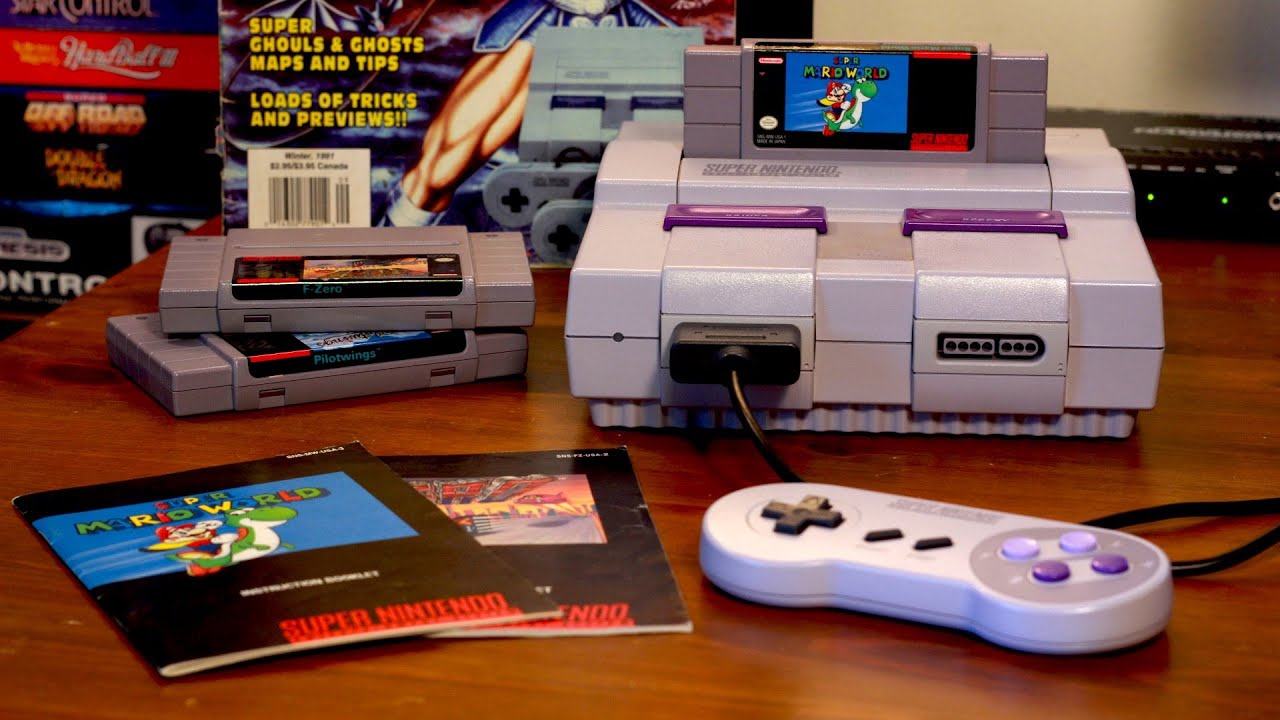
Super Nintendo comes in at number seven because 1992 may be weirdly retro, but it is not anti-future. Video games are still a huge cultural and commercial force, and the SNES remains one of the clearest signs that the toy aisle is never going to stop rewarding electronic ecosystems just because trolls suddenly came back from the dead. Nintendo still represents aspiration, status, and an upgrade path.

What changes in 1992 is not the importance of gaming. It is the context around it. By this point, video games are no longer the only category that feels dominant. They are sharing the stage with lower-tech hits that are cheaper, easier to understand, easier to impulse-buy, and in some cases more broadly giftable. That makes the SNES feel slightly less like the whole story and more like one essential chapter in a much stranger book.

The reason it still ranks comfortably inside the top 10 is obvious: once a platform becomes culturally central, it keeps generating demand beyond a single season. Hardware leads to software, software leads to conversation, conversation leads to loyalty, and loyalty keeps the machine relevant even when the broader toy market gets messy.

For Gen X, Super Nintendo in 1992 still feels like premium household hardware. The classics may have returned, but kids absolutely still wanted the 16-bit upgrade sitting under the TV.

Fun Fact / Why It Still Matters Super Nintendo matters here because 1992 proves nostalgic comeback toys and next-gen gaming hardware could thrive side by side without canceling each other out.
Teenage Mutant Ninja Turtles toys
1992

#6 — Teenage Mutant Ninja Turtles

Still Hanging On With Real Power
Toy TypeAction figure empire
Brand LaneLicensed action holdover giant
1992 Rank#6

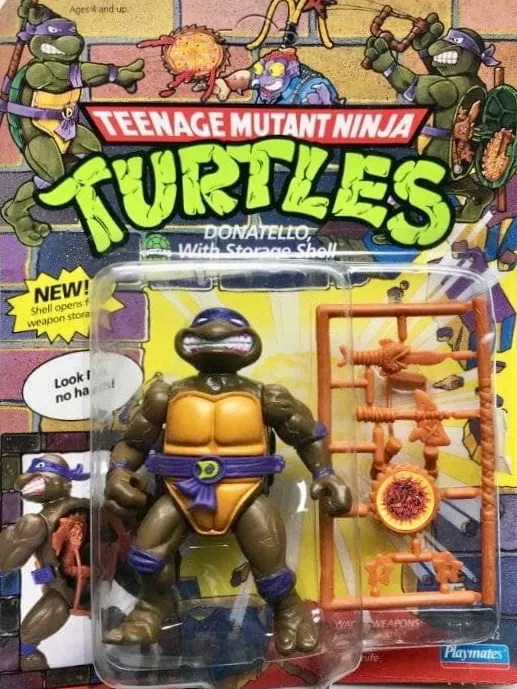
Teenage Mutant Ninja Turtles land at number six because 1992 is the year you can really feel the brand shifting from world-devouring mania to durable institution. That is still a major accomplishment. Plenty of toy crazes peak hard and then collapse. TMNT had enough depth in figures, vehicles, playsets, variants, side characters, and pure kid appetite to remain a serious sales force even after the initial explosion cooled.

This is why the turtles still matter in 1992. They are no longer the only loud thing in the room, but they are still one of the room’s most dependable noise sources. The line survives because it was built on repeat buying. You did not buy one turtle item and feel finished. You bought a turtle, then another turtle, then a villain, then a vehicle, then a weird variant, then one more random mutant because apparently the sewer never closes.

It also helps that TMNT still felt child-owned in a way some bigger adult-managed licenses did not. The humor, the grossness, the color, the pizza nonsense, the combat play, the character identities — it all remained immediately accessible. Even when the frenzy became less volcanic, the brand still made intuitive sense to kids.

For Gen X, 1992 TMNT feels like the point where the line stops feeling temporary and starts feeling permanently wired into the decade’s toy memory.

Fun Fact / Why It Still Matters TMNT rank here because real franchise depth can keep a toy line relevant long after its first wave of total cultural domination.
Super Soaker water gun
1992

#5 — Super Soaker Water Gun

Summer Hype That Turned Into Holiday Heat
Toy TypeWater blaster
Brand LaneOutdoor action breakout
1992 Rank#5

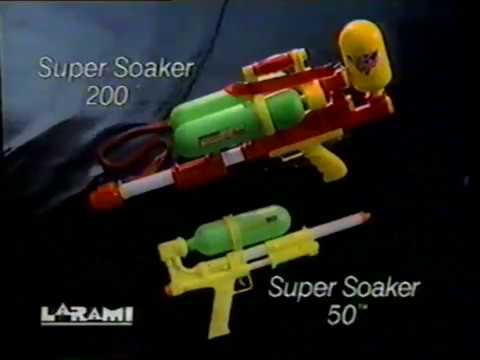
Super Soaker hits number five because it is one of those rare toy ideas so clean and perfect that it practically writes its own commercial. Bigger range. More power. More soaking. That is enough. Some toy successes need a character universe, a movie, or some elaborate mythology to feel important. Super Soaker does not. It just needs children to understand that drenching someone from farther away is an objectively worthwhile advancement in civilization.

That makes it one of the most purely product-driven winners on the entire 1992 list. In a year filled with revivals, heritage brands, and familiar media properties, Super Soaker feels refreshingly direct. Its appeal is not borrowed. It comes straight from the play pattern. The toy promises escalation, and kids instantly understand why that matters.

It also illustrates something important about the 90s toy market: even in a brand-heavy landscape, a strong physical concept can still punch through. Super Soaker is basically engineering turned into playground status. Once one kid had one, everybody else had a reason to care. That is exactly how neighborhood toy arms races start.

For Gen X, Super Soaker in 1992 feels like the toy that turned summer boredom into organized tactical warfare and made regular squirt guns look embarrassingly underpowered overnight.

Fun Fact / Why It Still Matters Super Soaker mattered because it proved a brilliantly simple physical innovation could still overwhelm a market packed with licensed characters and nostalgic revivals.
Batman Returns toys
1992

#4 — Batman Returns

The Movie Toy Machine Keeps Working
Toy TypeMovie action figure line
Brand LaneSuperhero licensing powerhouse
1992 Rank#4

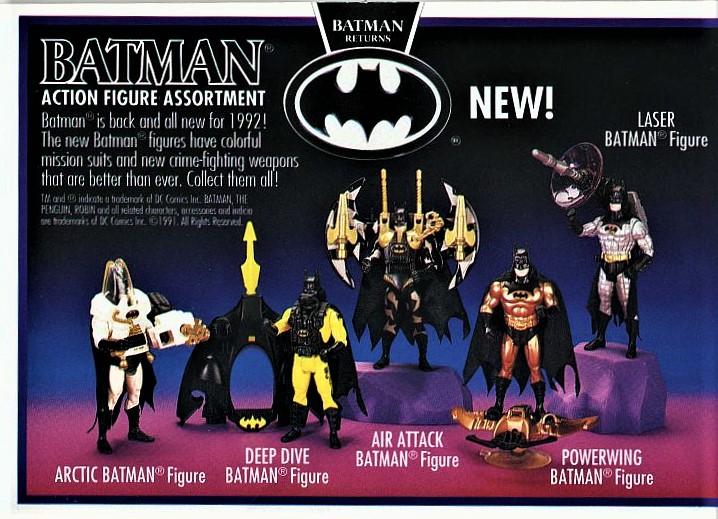
Batman Returns ranks at number four because by 1992 Batman had become one of the safest bets in all of toy merchandising. The character was already plastic-ready. He could absorb vehicles, gadgets, armor, alternate costumes, strange villains, and endless accessory nonsense without breaking the fantasy. That flexibility made Batman one of the most commercially durable action properties of the early 90s.

In 1992, that matters enormously. Movie licenses can be fragile if they rely too much on one moment or one cast. Batman is different. The brand is bigger than any one film, which lets the toy line use the movie as fuel while still drawing power from the character’s larger cultural status. The products do not feel trapped inside one release cycle. They feel like part of an expanding toy universe.

The line also benefits from how generously the action-figure aisle interprets Batman. Dark source material? Fine. Bright packaging? Also fine. Weird attachments and oversized launchers? Somehow still fine. Batman toys could sell serious movie mood and maximalist toy nonsense at the same time, and that is a surprisingly valuable trick.

For Gen X, Batman Returns toys feel like a perfect example of the early-90s action aisle doing what it did best: taking one moody blockbuster and somehow turning it into an entire wall of flashy plastic chaos.

Fun Fact / Why It Still Matters Batman Returns mattered because Batman had already become larger than any one movie, which made the toy line unusually resilient and expandable.
Incredible Crash Dummies
1992

#3 — Incredible Crash Dummies

Violence, But Educational
Toy TypeAction figure/gimmick line
Brand LaneImpact-play novelty hit
1992 Rank#3

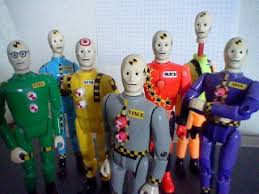
Incredible Crash Dummies take number three because few toys of the era understood their own appeal more clearly. The whole concept is destruction. These are toys designed to get wrecked, popped apart, launched, smashed, and reassembled. That turns what would normally be a design weakness into the entire point of the product, which is one of the most beautifully efficient gimmicks in toy history.

The line also benefits from a strange, brilliant tension. It borrows public-service familiarity and crash-test imagery, which gives it a weird veneer of legitimacy, but the actual play experience is pure slapstick violence. That tension makes it feel both naughty and safe enough for adults to tolerate. It is mayhem with a seatbelt.

More importantly, Crash Dummies are instantly legible. Kids do not need lore, rules, or an emotional backstory. They just need to understand that these things are supposed to blow apart. Once that clicks, the play pattern is endless. The brand turns impact into comedy, and comedy is one of the strongest repeat-play engines a toy can have.

For Gen X, Crash Dummies in 1992 feel like one of the most perfectly calibrated toy ideas of the decade: loud, dumb, kinetic, satisfying, and impossible to misunderstand.

Fun Fact / Why It Still Matters Crash Dummies worked because they transformed “the toy falls apart” from a defect into the entire entertainment value.
Totally Hair Barbie
1992

#2 — Totally Hair Barbie

Barbie Finds the Perfect 90s Upgrade
Toy TypeFashion doll
Brand LaneEvergreen doll empire, refreshed
1992 Rank#2

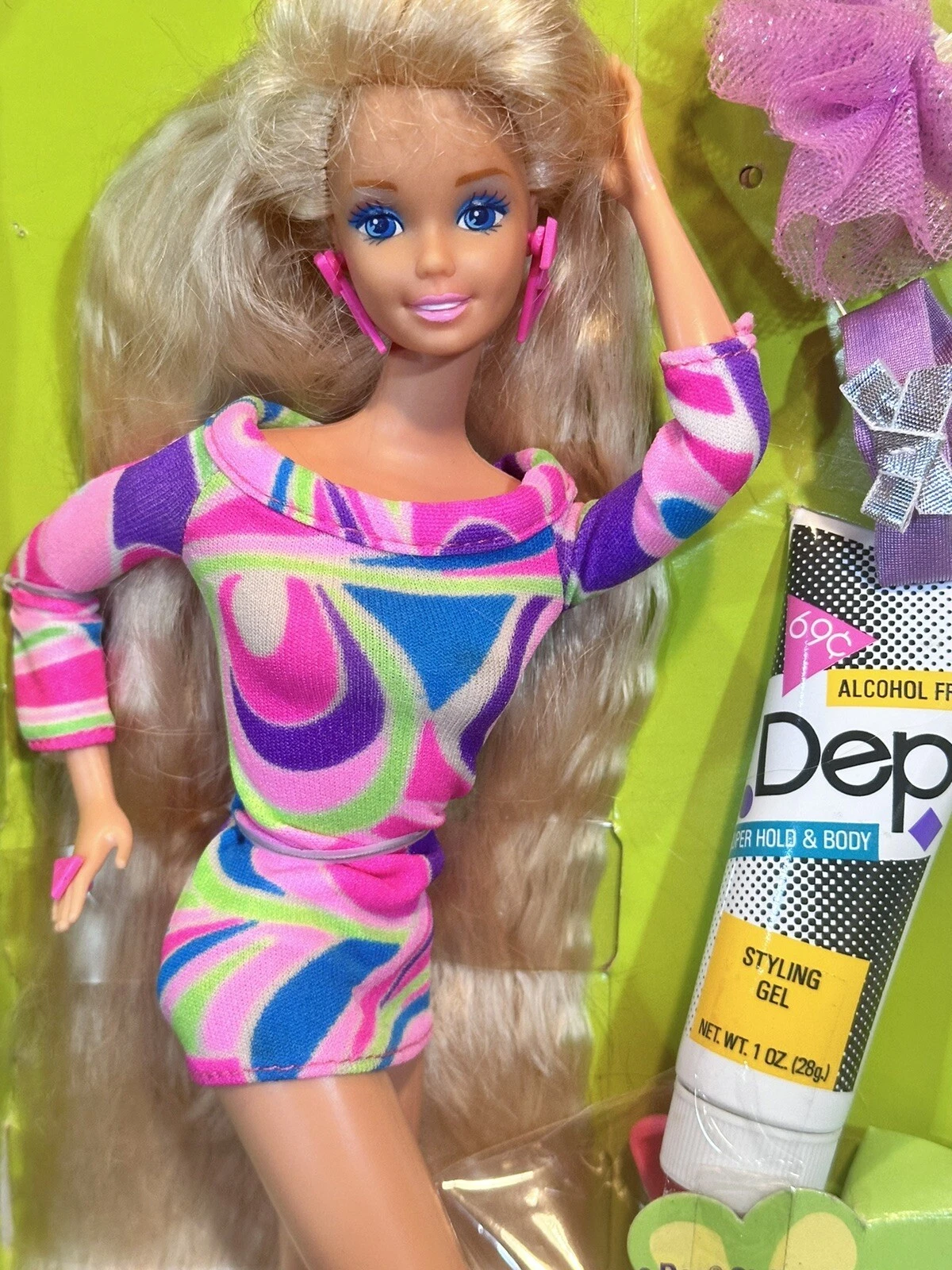
Totally Hair Barbie hits number two because 1992 shows exactly how powerful Barbie becomes when the brand finds the one exaggerated feature the moment is ready to celebrate. The doll is not a total reinvention. She is Barbie with one visual characteristic dialed up to absurd levels, and that ends up being the perfect formula. More hair means more styling, more play, more visual drama, and more unmistakable shelf presence.

That matters because Mattel’s real genius has never been abandoning Barbie. It has been refreshing Barbie without making her unreadable. Totally Hair Barbie is the exact kind of update that lets the brand feel current while staying completely legible to kids, parents, and grandparents. Everybody still knows what the product is. It just suddenly looks more 1992 than ever.

The doll also works because it turns a fashion category into an interaction category. The hair is not only aesthetic. It creates a reason to touch, style, brush, display, and revisit the toy. That makes the gimmick more than cosmetic. It becomes the mechanism that keeps the product active instead of passive.

For Gen X, Totally Hair Barbie feels like one of the definitive 90s toy objects: flashy, oversized, slightly ridiculous, and somehow completely inevitable the second you see it.

Fun Fact / Why It Still Matters Totally Hair Barbie mattered because it proved one perfectly chosen exaggeration could make an established toy empire feel brand-new again.
Troll dolls
1992

#1 — Troll Dolls

The Weird Little Retro King of 1992
Toy TypeCollectible novelty doll
Brand LaneRetro comeback phenomenon
1992 Rank#1

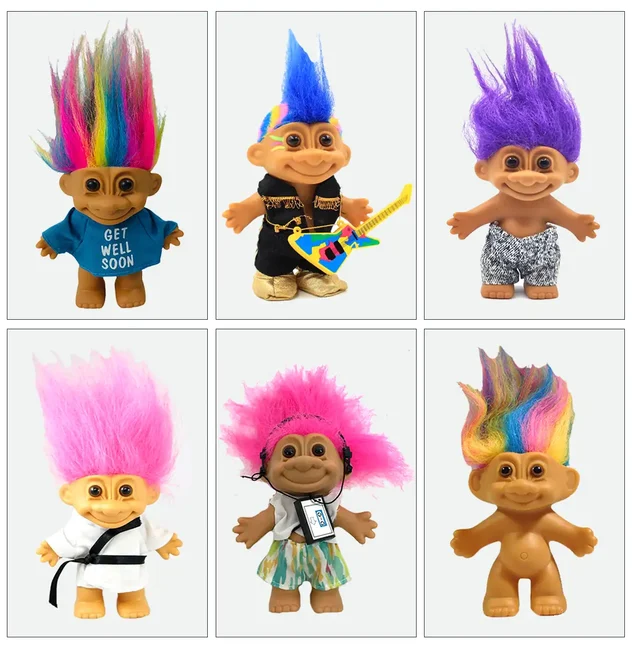
Troll dolls take the number one spot because 1992 is the year the American toy market fully proves it can be conquered by something weird, low-tech, inexpensive, nostalgic, and almost aggressively unserious. That is part of what makes trolls such a perfect number one. They are not the future. They are not prestige. They are not elegant. They are just strange little chaos creatures with neon hair, odd faces, and a mysterious ability to spread everywhere.

What makes them commercially powerful is that they work on several levels at once. Kids can collect them. Adults remember them. Grandparents recognize them. The price point is friendly. The physical footprint is small. The hair makes them tactile and visually loud. The variations make them multiplicative. In a year where shoppers leaned toward familiar things, trolls were familiar enough to feel safe and weird enough to feel exciting all over again.

They also fit the psychological mood of the early 90s in a way a more rational toy might not. Trolls feel unserious in the best possible way. They do not pretend to be educational or technologically advanced. They are funny little objects with personality, and sometimes that is exactly what a toy year needs. Their success is a reminder that novelty does not always mean new technology. Sometimes novelty is just the return of something odd enough to feel freshly absurd.

For Gen X, 1992 troll mania feels like one of the greatest proofs that childhood taste is never as orderly as adults want it to be. Sometimes the biggest toy in the country really is a tiny goblin with fluorescent hair, and everyone just has to live with that.

Fun Fact / Why It Still Matters Troll dolls win 1992 because the decade briefly remembered that weird little collectibles can sometimes outsell everything with a battery pack, a film tie-in, or a bigger marketing budget.

Rewind Verdict

The top 10 toys of 1992 work so well as a snapshot because they refuse to tell one clean story. This is not a year where technology crushes everything, and it is not a year where nostalgia completely takes over either. It is both. Super Nintendo is still here. Batman is still here. TMNT is still here. But so are trolls, Hall of Fame G.I. Joe, and a market visibly warming to the idea that older, simpler, more familiar products could absolutely dominate the year.

That makes 1992 feel different from 1991. The previous year is about trusted brands tightening their grip. In 1992, the grip is still there, but it gets stranger. Surprise plush works. Motion dolls work. giant-hair Barbie works. Smash-apart dummies work. Water cannons work. The toy aisle becomes a collision between comfort, absurdity, and very sharp merchandising instincts.

For Gen X, 1992 feels like one of the last great years before the decade’s toy culture starts looking even more segmented and aggressively branded. It is messy, a little goofy, and much more fun because of it.

FAQ: Top Toys of 1992

What was the biggest toy of 1992?

Troll dolls were the strongest sales-first number one in 1992, topping the year’s best-selling toy survey and becoming one of the most memorable toy revivals of the decade.

Why is Totally Hair Barbie so high?

Because it was one of the clearest examples of Barbie staying commercially dominant by finding exactly the right exaggerated hook for the early 90s and turning it into active play.

Why is Super Nintendo only #7?

Because 1992 was unusually strong for non-video toys, especially revival brands, novelty hits, dolls, and toy concepts with very obvious gift hooks.

Were 1992 toys really that nostalgic?

Yes. 1992 was one of the clearest early-90s years where classic toys, comeback brands, and familiar concepts surged alongside newer products and major electronics.

Why are Crash Dummies and Super Soaker still so memorable?

Because both had incredibly clear play patterns. One was about smashing things apart, and the other was about drenching people from farther away. Kids did not need much more explanation than that.

Get the Weekly Gen X Drop

New videos, rewinds, and savage nostalgia — first.

JOIN THE NEWSLETTER WATCH VIDEOS

MORE REWINDS