The Top 10 Toys of 1987

The Top 10 Toys of 1987
Smells Like Gen X • Top Toys of 1987

The Top 10 Toys of 1987

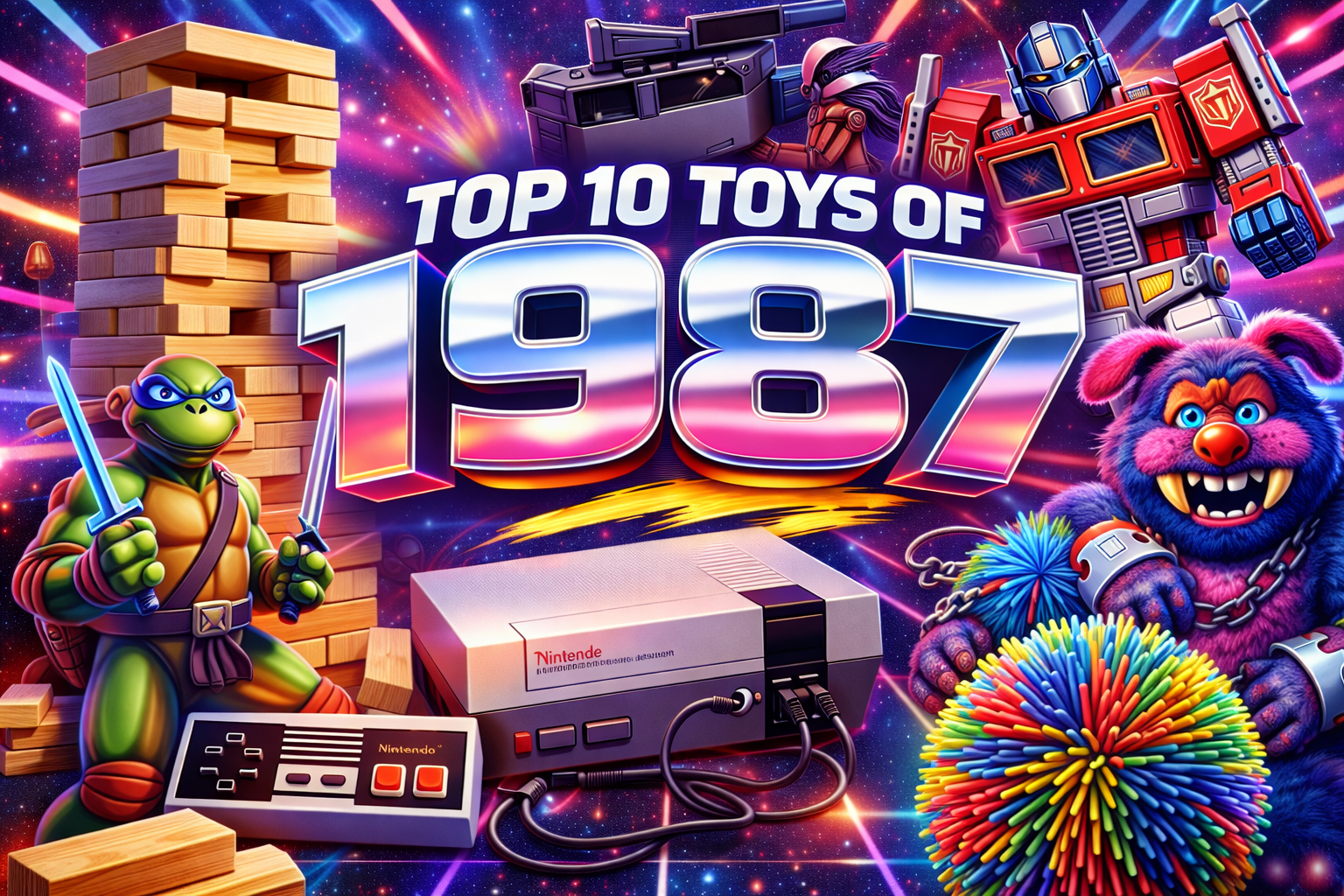
The top 10 toys of 1987 feel like the year the 80s toy aisle gets more tactile, more gimmick-forward, and somehow even stranger without losing its brand obsession. By now, the shelf is no longer just a fight between dolls, action figures, and plush lines. It’s also a place where balance games become must-have hits, weird monster plush goes mainstream, tactile rubber oddities break through, and Nintendo starts pushing the whole culture toward a more screen-centered future.

And yes — the big ranking question for 1987 is the one you flagged: how does Jenga beat Nintendo? The honest answer is methodology. If we were ranking pure long-term cultural impact, Nintendo would probably take the crown. But for this countdown, the primary frame is still year-specific toy popularity and sales heat, using the strongest combination of period holiday reporting and later historical toy-year reconstructions. That’s why Jenga gets the narrow win here, while Nintendo sits right behind it as the bigger long-term culture changer.

For Gen X, 1987 is one of the most interesting toy years of the decade because it doesn’t belong to just one mood. It has the lingering muscle of Transformers and G.I. Joe. It has weird tactile hits like Koosh Ball. It has plush oddballs like My Pet Monster and Popples. It has the first major wave of TMNT energy. And it has Nintendo quietly becoming a household force even while a wooden tower game somehow walks off with the official top spot. That contradiction is exactly what makes 1987 so fun.

Gen X Note: 1987 is the year the toy aisle proves it can sell you a monster, a rubber ball, a block tower, and a video-game console in the same holiday season and somehow make all of it feel normal.

Quick List: The Top 10 Toys of 1987

  1. Barbie
  2. Koosh Ball
  3. Pound Puppies
  4. Popples
  5. Teenage Mutant Ninja Turtles
  6. G.I. Joe
  7. Transformers
  8. My Pet Monster
  9. Nintendo Entertainment System
  10. Jenga

Countdown: The Top 10 Toys of 1987

Barbie doll
1987

#10 — Barbie

Evergreen Survivor
Toy TypeFashion doll line
Brand LaneEvergreen role-play system
1987 Rank#10

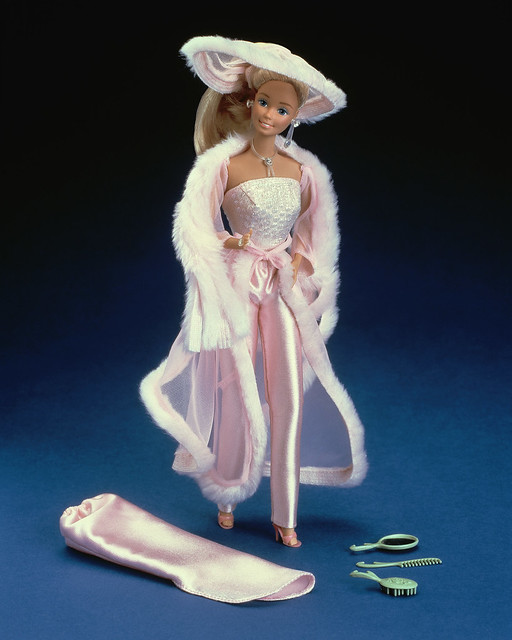
Barbie takes the number ten slot because by 1987 she represents something the flashier toy crazes still envy: permanence. This is not a year where Barbie dominates the toy conversation the way Nintendo, Jenga, or some of the stranger breakout items do. What she does instead is hold a stable, recognizable position in a shelf culture that is getting increasingly volatile. That matters more than it might seem.

By the late 80s, Barbie’s strength is no longer novelty. It is elasticity. She can absorb trends, fashion shifts, aspirational role-play, and changing retail moods without needing a complete reinvention every year. That makes her fundamentally different from the more time-sensitive 1987 hits. A tactile ball, a balancing game, or a monster plush can suddenly catch fire and just as suddenly cool off. Barbie doesn’t have to live like that. She operates on a longer commercial clock.

She also remains important because she anchors a style of play that is less rule-based and less closed than many of the decade’s newer brands. Nintendo offers structured software worlds. Jenga offers tension and collapse. G.I. Joe offers tactical conflict. Barbie still leaves more open space for projection, styling, and scenario-building. That flexibility is one of the main reasons the brand could survive every shift the decade threw at it.

For Gen X, Barbie in 1987 feels less like the hottest thing in the room and more like the toy standard that never really leaves the room at all. That kind of staying power is its own kind of dominance.
Fun Fact / Why It Still Matters Barbie stays on the chart because she didn’t need to win every single holiday to remain one of the decade’s most durable toy systems.
Koosh Ball
1987

#9 — Koosh Ball

Pure Tactile Satisfaction
Toy TypeTactile throwing toy
Brand LaneSensory novelty hit
1987 Rank#9

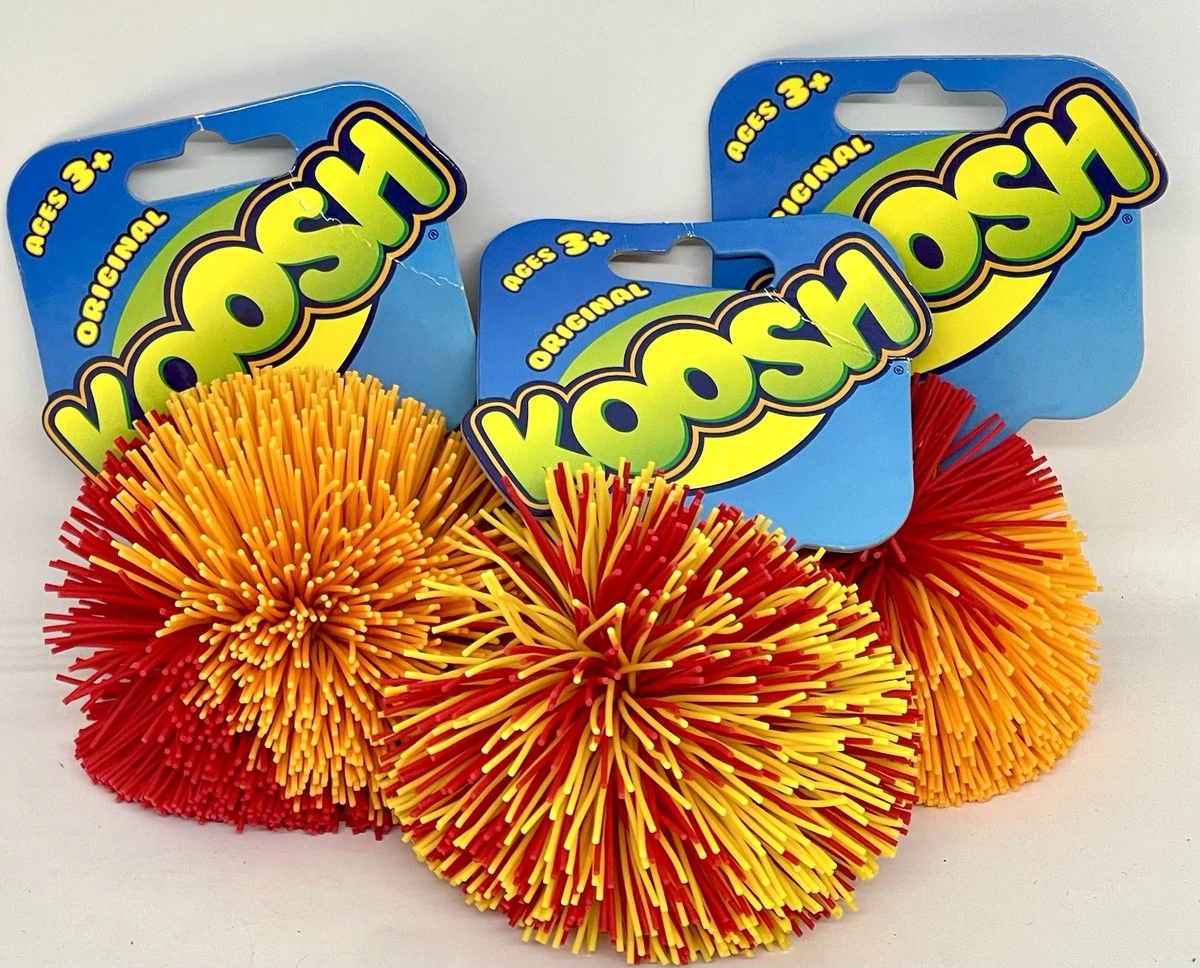
Koosh Ball lands at number nine because 1987 is one of those years where the toy aisle suddenly remembers that touch itself can be a selling point. A lot of 80s products were sold through narrative, electronics, character branding, or spectacle. Koosh Ball works on a more immediate level. It looks weird, feels different from anything else, and practically begs to be picked up. That’s a very efficient retail strategy.

What makes Koosh Ball so revealing is that it represents a stripped-down kind of novelty success. It doesn’t need a mythology. It doesn’t need a faction war. It doesn’t need a talking mechanism or a giant playset. It needs texture, bounce, motion, and that almost irresistible urge people have to toss around something that feels oddly perfect in the hand. In a crowded toy year, that kind of instant demo power is huge.

It also captures a quieter shift in late-80s toy culture: the growing success of products that feel more experiential than character-based. Koosh Ball is not asking you to join a universe. It is asking you to enjoy an object. That simplicity helps explain why it stands out. Sometimes a toy wins because the first five seconds with it are enough.

For Gen X, Koosh Ball in 1987 feels like one of those classic “why is this so satisfying?” products that spreads because everyone who touches it instantly understands the assignment.

Fun Fact / Why It Still Matters Koosh Ball mattered because it proved a toy could still break through on pure tactile appeal without needing a giant brand story behind it.
Pound Puppies toys
1987

#8 — Pound Puppies

Soft Lane, Still Alive
Toy TypePlush toy line
Brand LaneAdoptable plush carryover
1987 Rank#8

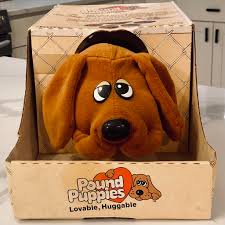
Pound Puppies stay on the 1987 list because even as the aisle gets weirder and more gimmick-heavy, the emotional plush lane still has real strength. What’s different now is that Pound Puppies no longer feel like a major story about emergence. Instead, they feel like proof that the softer, care-oriented side of the 80s was sturdy enough to survive alongside monsters, consoles, tactile novelty toys, and tougher action brands.

Their continued appeal comes from the way they frame plush as something slightly more personal than generic comfort. The implied rescue angle still matters. These aren’t merely stuffed animals to own. They’re stuffed animals to “take home,” “care for,” and treat as if they needed you. That emotional nudge remains one of the smarter commercial hooks of the decade because it transforms affection into a tiny moral event.

In 1987, though, Pound Puppies also read as a kind of emotional counterweight to the rest of the aisle. This is a year full of tactile oddballs, stacking tension, weird monster charm, and increasingly screen-centered play. Pound Puppies remain relevant because they offer the opposite of escalation. They offer attachment without complexity.

For Gen X, Pound Puppies in 1987 feel like one of the last strong echoes of the decade’s earlier plush-adoption energy before other forces start grabbing more of the spotlight.

Fun Fact / Why It Still Matters Pound Puppies lasted because even in stranger, louder years, the 80s never stopped rewarding toys that felt emotionally rescue-worthy.
Popples toys
1987

#7 — Popples

Cute With A Gimmick
Toy TypeTransforming plush toy
Brand LaneCharacter-plush gimmick line
1987 Rank#7

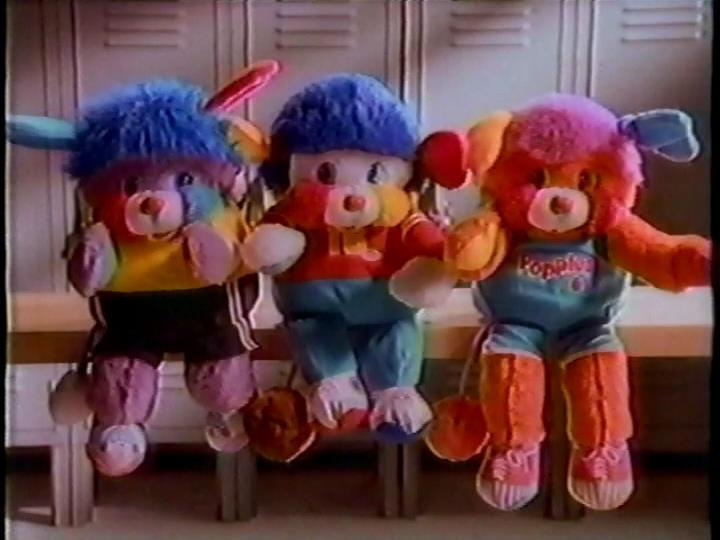
Popples hit number seven because they embody one of the late-80s toy aisle’s favorite tricks: take something soft and lovable, then add a visible mechanical gimmick so it feels more interactive and more demo-friendly. That formula works beautifully in 1987 because the market is increasingly driven by toys that can be “shown” quickly. Popples don’t just sit there being cute. They do something.

What makes them especially interesting is that they live right at the intersection of two strong 80s impulses. One impulse says plush should be emotional and huggable. The other says toys should have a feature that changes the object in front of you. Popples satisfy both at once. They are soft enough to feel companion-like and gimmicky enough to feel new.

They also fit the year’s broader weirdness. 1987 is full of toys that seem designed to be explained in one fast sentence: “it turns into this,” “it stacks like that,” “it feels like this,” “it talks,” “it shoots,” “it bounces differently.” Popples slide perfectly into that sales language. Their appeal is immediate and physical, which is a huge advantage in a crowded holiday field.

For Gen X, Popples in 1987 feel like one of the most late-80s shelf concepts imaginable — aggressively cute, slightly absurd, and just interactive enough to seem like they were doing more than ordinary plush had any right to do.

Fun Fact / Why It Still Matters Popples stood out because they proved plush toys sold even better when they came with a built-in visual trick.
Teenage Mutant Ninja Turtles toys
1987

#6 — Teenage Mutant Ninja Turtles

Breakout Mutation Signal
Toy TypeAction figure line
Brand LaneEarly breakout character universe
1987 Rank#6

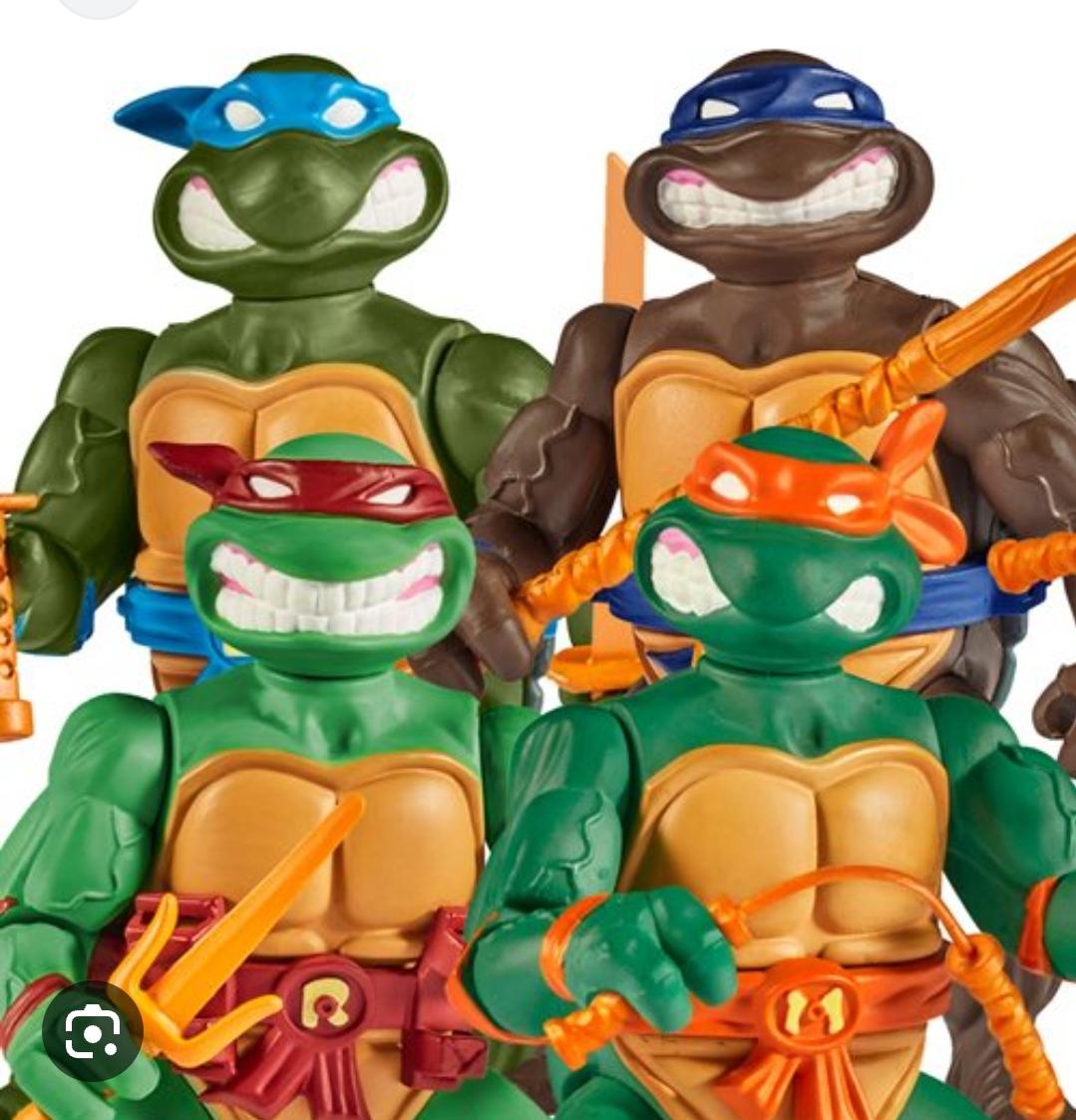
Teenage Mutant Ninja Turtles take number six because 1987 feels like the beginning of something rather than the full domination phase. That’s what makes them so interesting here. The line carries the strange, high-energy DNA that would soon become massive, but in 1987 it still has the thrill of early breakthrough heat. You can feel the potential before the complete takeover.

Part of the appeal is obvious: ninja turtles are a ridiculous concept, and ridiculous concepts tend to work very well when they are specific enough to feel instantly ownable. TMNT combines combat, humor, mutation, and strong visual differentiation in a way that makes the line easy to memorize and easy to market. Each character feels distinct, the group identity is strong, and the premise is weird enough to stand out in a shelf full of more familiar formulas.

What helps the brand in 1987 is that weirdness has now become a legitimate strength instead of a liability. Earlier in the decade, many of the biggest toys still needed to look polished, aspirational, or neatly themed. By the late 80s, a property can win partly because it is odd in a very memorable way. TMNT benefits enormously from that shift.

For Gen X, TMNT in 1987 feel like the first rumble before the full quake. They don’t need to own the entire year to matter. The important thing is that you can already feel the franchise’s future arriving.

Fun Fact / Why It Still Matters TMNT matter here because 1987 is the year the brand starts to look less like a weird idea and more like an incoming force.
G.I. Joe toys
1987

#5 — G.I. Joe

Still Tactical, Still Dangerous
Toy TypeAction figure line
Brand LaneMilitary-system powerhouse
1987 Rank#5

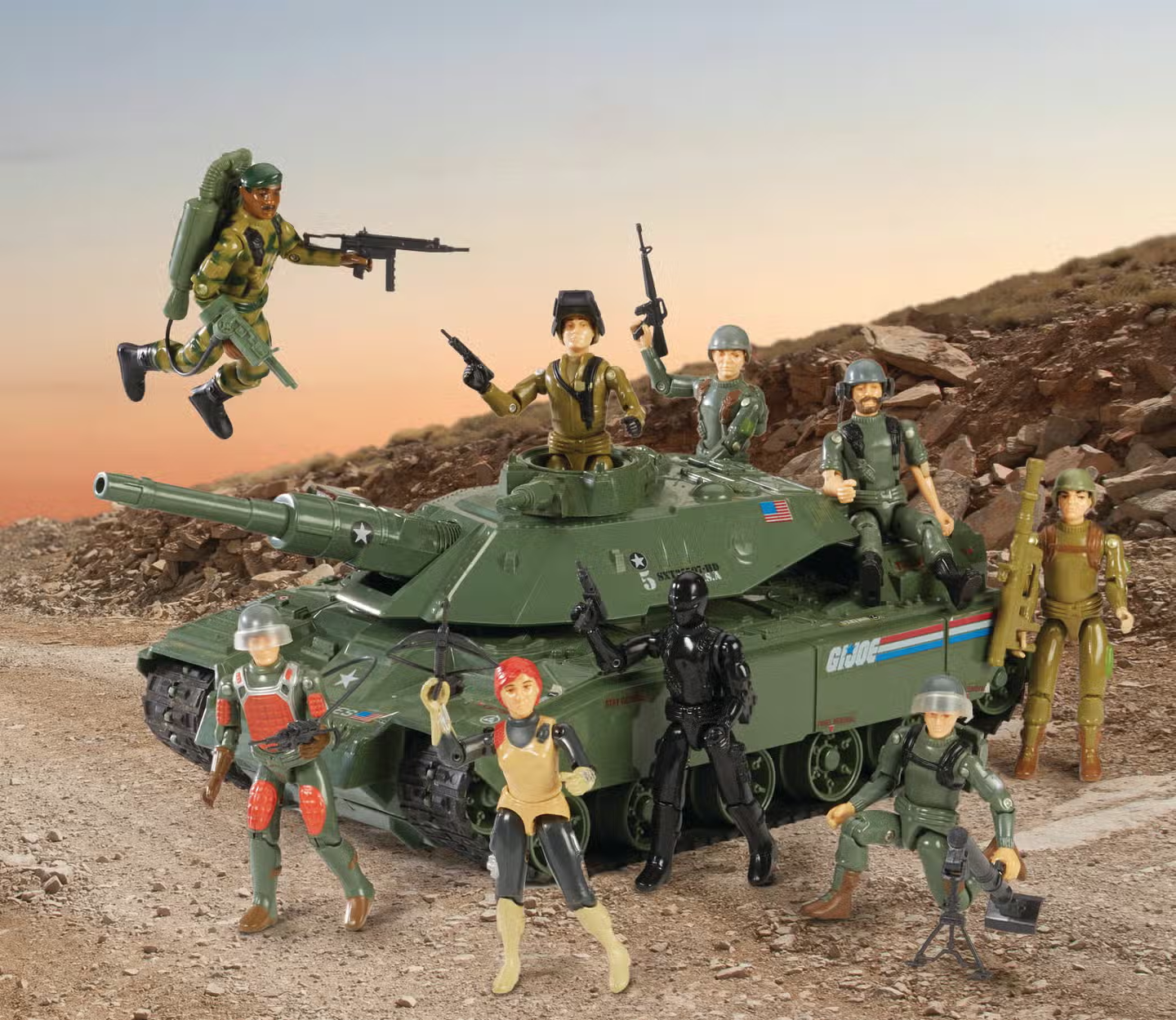
G.I. Joe lands at number five because by 1987 the line no longer needs to prove anything about its core formula. It has already established itself as one of the decade’s smartest action systems. What matters now is how effectively that formula continues to hold up in a more crowded, more gimmick-sensitive marketplace.

The reason it holds is structure. G.I. Joe offers a kind of ordered intensity that many competitors can’t match. It isn’t just action play. It’s tactical action play. The line still encourages kids to think in terms of missions, roles, gear, units, and escalation. That keeps it distinct from fantasy chaos and monster weirdness. It remains one of the aisle’s more organized forms of aggression.

In 1987, that organization is part of its value. The toy market is increasingly full of strange one-line pitches and tactile oddities. G.I. Joe still offers a more established and coherent system, which makes it feel dependable even when it’s not the newest thing in the room.

For Gen X, G.I. Joe in 1987 feel like one of the brands that understood how to age properly inside the decade: not by getting softer, but by staying structurally strong while crazier things spun around it.

Fun Fact / Why It Still Matters G.I. Joe stayed powerful because the line’s tactical framework gave it a kind of durability that trendier action brands often lacked.
Transformers toys
1987

#4 — Transformers

Machine Mythology Endures
Toy TypeTransforming robot line
Brand LaneMature robot franchise
1987 Rank#4

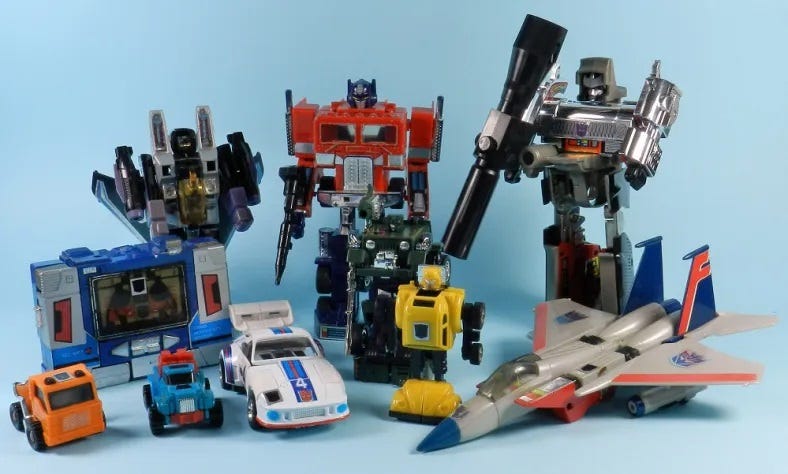
Transformers take number four because by 1987 the line has become one of the decade’s most reliable combinations of tactile gimmick and brand mythology. Earlier in the robot boom, the wow factor came from the transformation itself. By 1987, that wow is still important, but the brand has also gained the larger strength of familiarity. Kids know what a Transformer is, why it’s cool, and what kind of world it belongs to.

That familiarity matters because it turns the line into more than a novelty machine. It becomes a dependable system of machine-character identity. The toys still deliver the physical pleasure of conversion, but now they also carry narrative weight and faction logic that help the brand hold up over time.

In a year full of highly demoable, often one-line toys, Transformers still feel richer than many of their competitors. They ask for more involvement than a tactile novelty and more mechanical participation than a standard figure line. That’s a major reason they continue to rank this high.

For Gen X, Transformers in 1987 feel like one of the great mid-to-late-80s constants: a line that kept working because the toys were genuinely fun to handle and the universe around them never stopped expanding in the imagination.

Fun Fact / Why It Still Matters Transformers stayed strong because they gave kids two hooks at once: a satisfying object to manipulate and a larger world to stay invested in.
My Pet Monster toy
1987

#3 — My Pet Monster

Weird Plush Dominance
Toy TypeMonster plush character toy
Brand LaneOddball plush breakout
1987 Rank#3

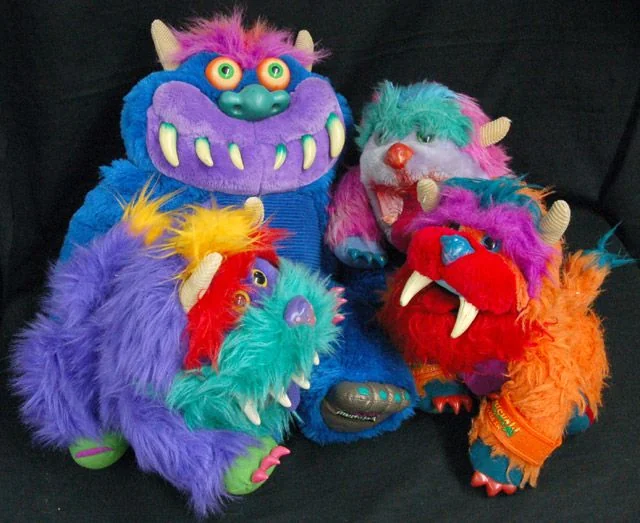
My Pet Monster hits number three because it captures the late-80s realization that plush doesn’t have to be sweet to be lovable. That’s a big shift. Earlier in the decade, plush success leaned heavily on softness, rescue appeal, or emotional symbolism. My Pet Monster keeps the huggable format but pushes it through a different emotional filter: ugly-cute, mischievous, slightly unruly, and just monstrous enough to feel transgressive without being truly threatening.

That balance is what makes the toy so effective. It’s not a monster in the horror sense. It’s a monster in the “your parents might not love this, which makes it better” sense. That distinction matters because 1987 is one of the years where weirdness itself becomes more marketable. Kids don’t just want safe affection objects anymore. They also want toys with attitude, oddness, and enough edge to make them feel distinct from the standard plush crowd.

My Pet Monster also benefits from being easy to understand instantly. Big blue monster. Handcuffs. Plush body. Strange expression. The toy’s whole personality is visible at a glance, which is one of the reasons it had such strong shelf power. It didn’t need a long explanation. It needed one look.

For Gen X, My Pet Monster in 1987 feel like one of the clearest signs that the toy aisle had gotten comfortable selling strange affection instead of just sweetness. It wasn’t about choosing between cuddly and cool. It was about buying the toy that tried to be both.

Fun Fact / Why It Still Matters My Pet Monster broke through because it made plush weird, and by 1987 weird was selling very well.
Nintendo Entertainment System
1987

#2 — Nintendo Entertainment System

Retail Monster, Culture Giant
Toy TypeHome video game console
Brand LaneHoliday demand powerhouse
1987 Rank#2

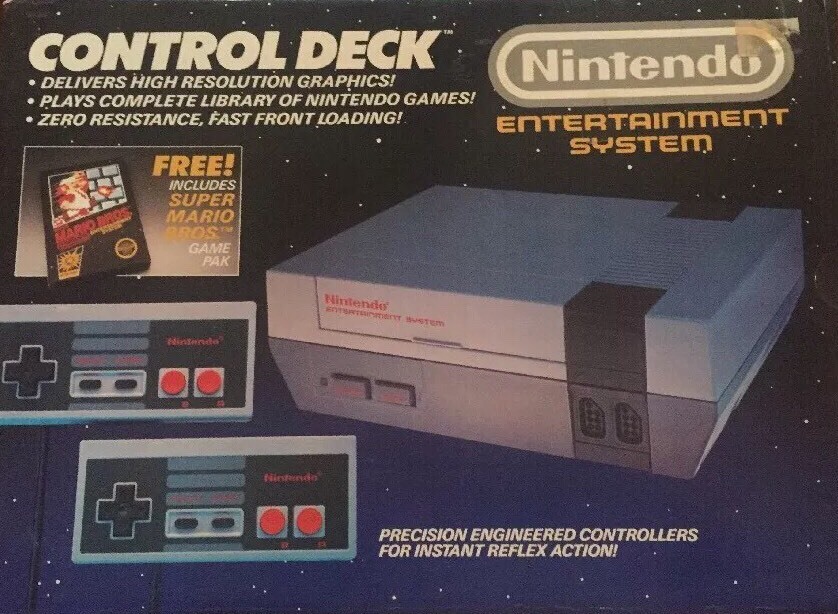
Nintendo Entertainment System takes number two because once you move from retrospective “signature toy of the year” lists into actual 1987 holiday retail reality, the NES gets enormous very quickly. Stores were already struggling to keep it in stock, and later business reporting described 1987 as an industry slump that Nintendo’s success effectively broke open.

What makes Nintendo so significant in 1987 is that it isn’t simply another product category winner. It changes the structure of desire. A lot of toys ask children to want a specific object. Nintendo asks them to want a platform — a machine that implies a growing library, repeated engagement, and an entirely different relationship to play. That’s a huge leap. You are no longer buying a toy in the narrow sense. You are buying entry into an ongoing software-based environment.

That’s why Nintendo feels bigger than most of the shelf around it. It doesn’t just compete with action figures or plush toys. It changes what a holiday centerpiece can be. It pulls attention toward the television, toward cartridges, toward the idea that play is now increasingly screen-mediated and upgradeable. In long-term cultural terms, that’s a massive shift.

For Gen X, Nintendo in 1987 feels like the object that was already transforming childhood even before it fully took over the rest of the decade. Which is exactly why some people would put it at number one and feel justified doing it.

Fun Fact / Why It Still Matters Nintendo ranks this high because even if it doesn’t quite win the strict top slot here, it may be the most important long-term play system on the page.
Jenga game
1987

#1 — Jenga

The Methodology Pick
Toy TypeStacking skill game
Brand LaneYear-signature breakout toy
1987 Rank#1

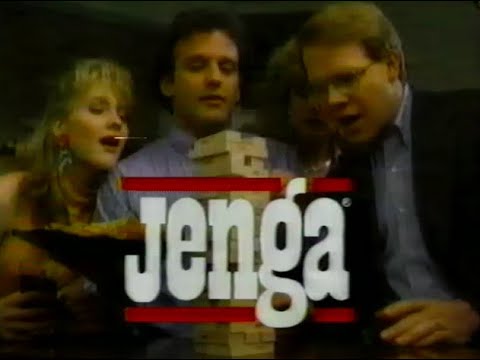
Jenga gets the number one slot, and this is where the methodology matters most. If we were ranking by sheer long-term cultural consequence, Nintendo would probably edge it. But for this series, the top position is anchored first by the strongest available “what was the defining toy of that specific year?” signals, and that’s where Jenga keeps surfacing for 1987 in retrospective toy-year compilations tied to museum-style curation.

What makes that outcome less strange than it first sounds is that Jenga is the kind of product that can spread through a holiday season with frightening efficiency. It’s fast to understand, easy to demonstrate, instantly tense, and socially viral before anything was called viral. You don’t need instructions beyond “pull a block, don’t knock it down.” That simplicity is not weakness. It’s one of the strongest commercial strengths a toy can have.

Jenga also feels very 1987 in a subtler way. It turns stress into fun. It creates spectators. It works across ages. It doesn’t need batteries, lore, or a giant product universe to dominate a room. In a decade that often rewarded bigger and louder, Jenga wins by being brutally elegant. Every move increases the tension. Every success is temporary. Every collapse becomes an event. That is brilliant design.

So yes — Nintendo is the bigger long-arc story. But Jenga takes number one because this countdown is trying to honor the strongest year-specific toy winner signal, not just the product that mattered most in hindsight. For Gen X, that makes 1987 especially fun: the top toy is a wooden tower game, and the runner-up is the machine that helps reshape the rest of childhood.

Fun Fact / Why It Still Matters Jenga wins because the strongest year-specific “most popular 1987 toy” evidence points there, even if Nintendo is the bigger long-term cultural earthquake.

Rewind Verdict

The top 10 toys of 1987 work so well as a snapshot because they show the 80s toy aisle reaching a strange, flexible maturity. This is no longer a market dominated by one emotional tone. It’s tactile, plush, tactical, screen-based, weird, and character-driven all at once. That mix is exactly what gives 1987 its flavor.

It’s also a year where methodology really matters. The strongest “signature toy of 1987” evidence points to Jenga, while period holiday retail reporting makes it very clear that Nintendo was one of the year’s biggest real-world demand stories. So the ranking splits the difference honestly: Jenga wins the strict year-specific top slot, and Nintendo sits right behind it as the heavier long-term cultural force.

For Gen X, 1987 feels like the toy aisle learning how to be both simpler and bigger at the same time. A block-stacking game can beat the hottest console in the country on a strict toy-year list. A giant plush monster can outrank more established brands. A rubber ball can make the top 10. And somehow all of that still feels exactly right.

FAQ: Top Toys of 1987

Why is Jenga ranked above Nintendo in 1987?

Because this list prioritizes the strongest year-specific “most popular toy of 1987” signals first, and those point to Jenga. Nintendo was absolutely one of the year’s biggest retail and cultural stories, which is why it lands at number two and gets discussed heavily in the methodology.

Was Nintendo a huge holiday product in 1987?

Yes. Period reporting says stores were having trouble keeping the NES in stock, and later business coverage described Nintendo’s success as extraordinary in an otherwise sluggish toy year.

Why are weird toys like My Pet Monster and Koosh Ball on the list?

Because 1987 is one of the decade’s strongest years for tactile, oddball, instantly demoable toys that could grab attention fast and spread through holiday demand.

Why does TMNT show up this early?

Because 1987 feels like the first real breakout signal for the brand’s coming dominance, even before the line completely owns the broader pop-culture conversation.

What makes 1987 different from 1986?

1986 leans harder into aggression and battle-play energy. 1987 still has some of that, but it feels more gimmick-heavy, more tactile, and more open to weird character and novelty hits alongside the rise of Nintendo.

Get the Weekly Gen X Drop

New videos, rewinds, and savage nostalgia — first.

JOIN THE NEWSLETTER WATCH VIDEOS

MORE REWINDS