The Top 10 Movies of 1990

The Top 10 Movies of 1990
Smells Like Gen X • Top Movies of 1990

The Top 10 Movies of 1990

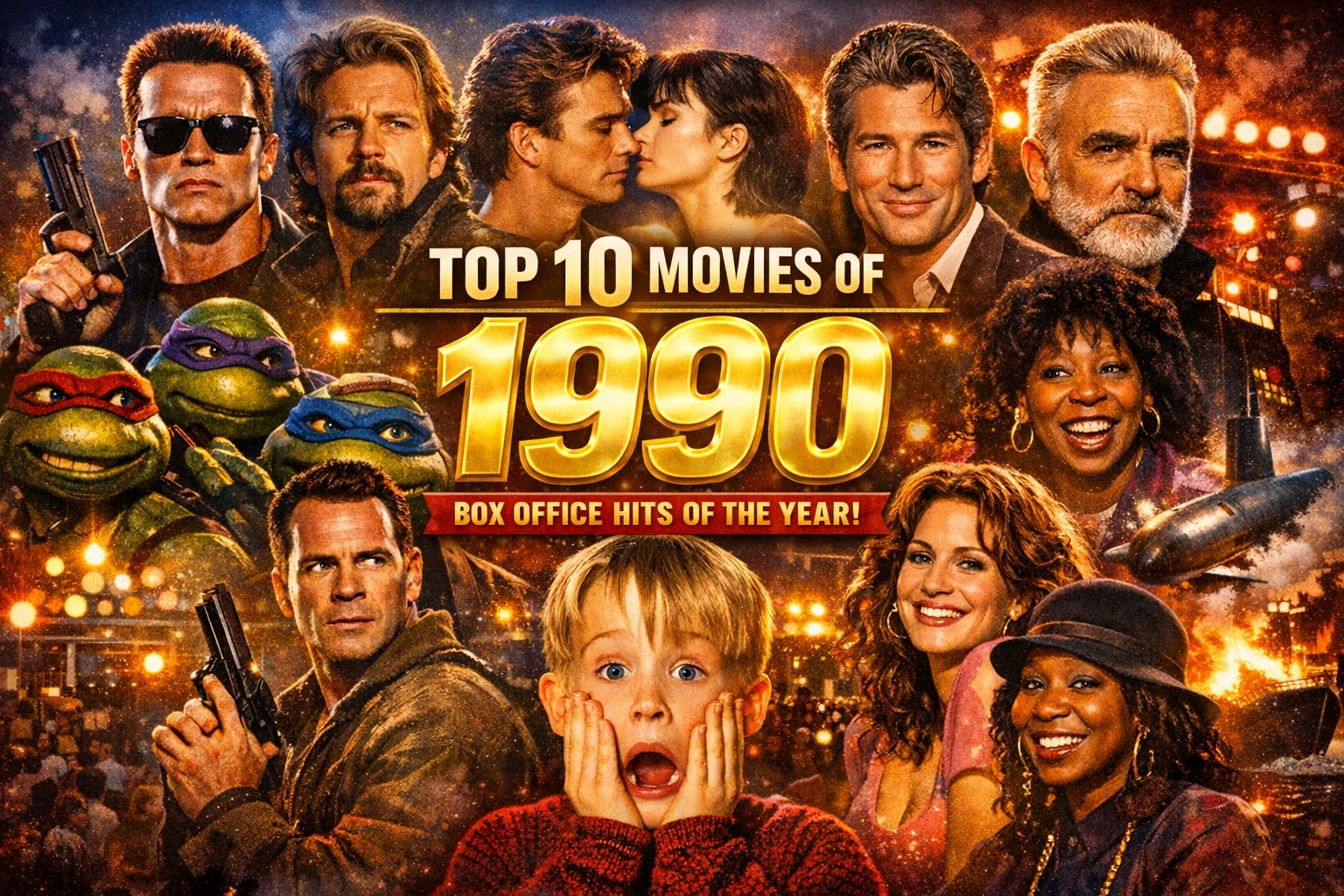
The top 10 movies of 1990 feel like the exact second the 80s handed the keys to the 90s but refused to leave quietly. The muscles of late-80s blockbuster culture are still here — action stars, high-concept hooks, giant crowd-pleasers, franchise familiarity, merch-heavy spectacle — but there’s also a noticeable emotional turn happening underneath all of it.

This lineup is one of the strangest and strongest transition-year snapshots in the whole series. A Christmas family comedy becomes a juggernaut. A supernatural romance becomes a phenomenon. A revisionist western turns into prestige box-office power. Julia Roberts explodes into movie-star orbit. Arnold shows up twice doing two totally different versions of mainstream dominance. And mutant turtles somehow become one of the defining theatrical events of the year without anyone blinking.

For Gen X, 1990 is memorable because it still feels broad. The culture had not narrowed into one kind of hit yet. Audiences showed up for sweetness, fantasy, espionage, sci-fi brutality, candy-colored comic-book pulp, popcorn action, prestige drama, and slapstick family chaos. It’s a year where the mainstream still looks unpredictable in the best possible way.

Gen X Note: 1990 is that weird beautiful overlap where the last big 80s blockbuster instincts collide with the shinier, broader, more emotionally elastic movie culture of the early 90s.

Quick List: The Top 10 Movies of 1990

  1. Kindergarten Cop
  2. Dick Tracy
  3. Die Hard 2
  4. Total Recall
  5. The Hunt for Red October
  6. Teenage Mutant Ninja Turtles
  7. Pretty Woman
  8. Dances with Wolves
  9. Ghost
  10. Home Alone

Countdown: The Top 10 Movies of 1990

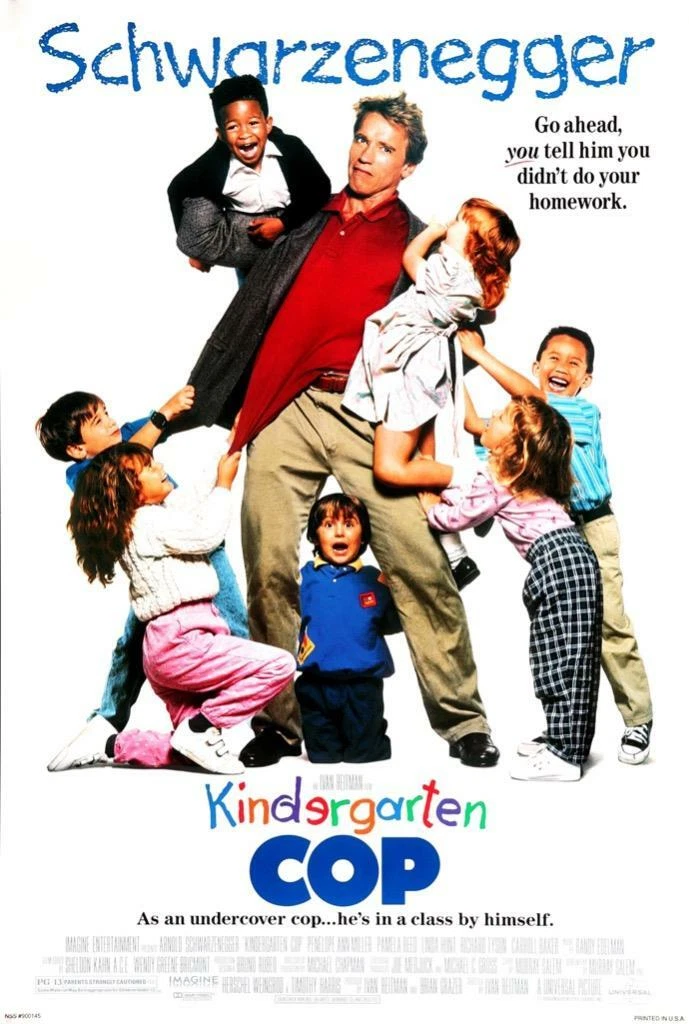
Kindergarten Cop poster
1990

#10 — Kindergarten Cop

Box Office: $91.5M
GenreAction comedy
DirectorIvan Reitman
1990 Rank#10
Main Cast
  • Arnold Schwarzenegger as John Kimble
  • Penelope Ann Miller as Joyce Palmieri
  • Pamela Reed as Detective Phoebe O’Hara
  • Linda Hunt as Miss Schlowski

Kindergarten Cop lands at number ten and immediately tells you what kind of year 1990 was. Arnold Schwarzenegger was already one of the dominant commercial forces of the era, but instead of simply repeating the hard-body action formula, Hollywood found a way to drop him into a classroom full of children and sell that contrast as a major event. That is pure early-90s studio logic: take a familiar star, bend the image just enough, and watch the audience show up for the collision.

The movie works because it understands the joke is not merely that Arnold is physically imposing around small children. The larger pleasure is watching a movie star built on control and force stumble into a setting that refuses both. John Kimble cannot glare, punch, or intimidate his way through kindergarten chaos. He has to react, absorb, and adapt. That mismatch gives the movie its commercial engine.

Ivan Reitman was particularly good at this kind of studio entertainment. He knew how to take an absurd premise and make it feel accessible enough for mass audiences. Kindergarten Cop is not trying to reinvent action or family comedy. It is trying to maximize the appeal of both at once. That kind of genre hybrid became a huge piece of 90s mainstream entertainment.

In the context of 1990, the film matters because it shows the action star system loosening up. The biggest names no longer had to stay inside one commercial lane. They could pivot into comedy, family appeal, and softer character beats without losing box-office power.

For Gen X, it remains one of those era-defining cable-and-VHS staples that perfectly captures when “Arnold plus a ridiculous family-friendly premise” still counted as completely normal studio thinking.
Fun Fact / Why It Still Matters It still works because it turns star image itself into the joke — and then builds a whole crowd-pleaser out of forcing that image to soften without fully breaking.
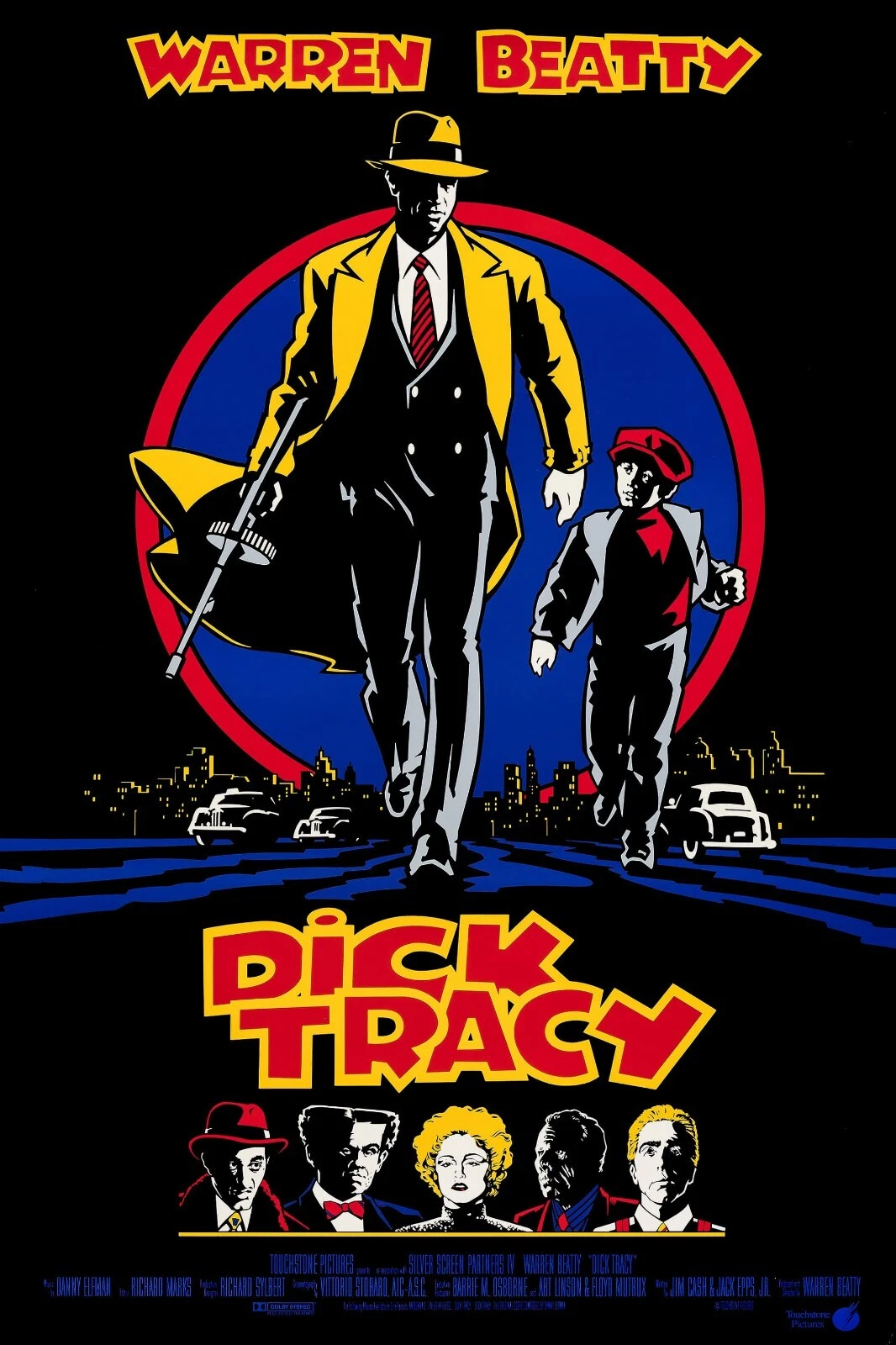
Dick Tracy poster
1990

#9 — Dick Tracy

Box Office: $103.7M
GenreComic-strip crime action
DirectorWarren Beatty
1990 Rank#9
Main Cast
  • Warren Beatty as Dick Tracy
  • Madonna as Breathless Mahoney
  • Al Pacino as Big Boy Caprice
  • Glenne Headly as Tess Trueheart

Dick Tracy is one of the most visually aggressive hits of 1990 and one of the clearest signs that studios were hunting for another giant branded comic-book event after Batman. But what makes it interesting is that it does not simply imitate Tim Burton’s dark-goth approach. Instead, it goes in the opposite direction: primary colors, stylized sets, flattened pulp energy, and a world that looks like a newspaper strip exploded across a soundstage.

That visual commitment is the movie’s real identity. Whether people love it or find it strange, nobody mistakes it for generic product. Dick Tracy understands that adaptation can be less about realism than about committing to an artificial world hard enough that the audience accepts the rules. In 1990, that still felt bold rather than obligatory.

Warren Beatty’s performance is almost secondary to the larger design scheme, while Al Pacino goes gloriously oversized in a way that fits the movie’s inflated pulp wavelength. Madonna adds pop-star electricity, and the whole thing plays like Hollywood trying to turn comic-strip iconography, soundtrack synergy, and merch-ready imagery into a prestige summer event.

In the context of 1990, the movie matters because it shows studios experimenting with what comic-based spectacle could be before the genre standardized itself. It is not slick in a modern franchise way. It is eccentric, stylized, and heavily designed.

For Gen X, Dick Tracy remains one of the strangest big hits of the era: expensive, heavily promoted, aggressively colorful, and completely committed to its own artificial universe.

Fun Fact / Why It Still Matters It still stands out because it treated comic adaptation as an all-in visual design challenge rather than just another action property in a recognizable suit.
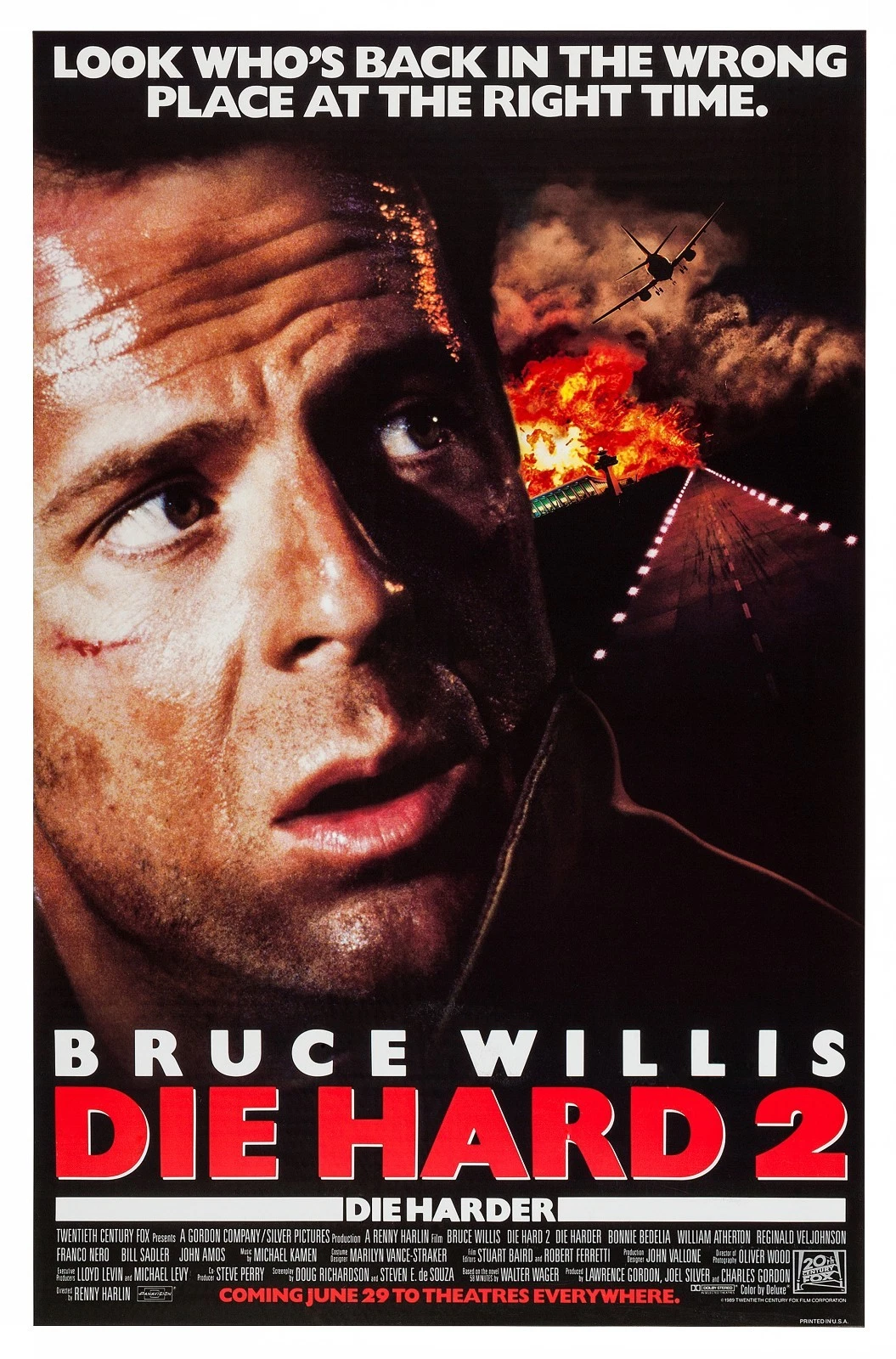
Die Hard 2 poster
1990

#8 — Die Hard 2

Box Office: $117.5M
GenreAction thriller
DirectorRenny Harlin
1990 Rank#8
Main Cast
  • Bruce Willis as John McClane
  • Bonnie Bedelia as Holly McClane
  • William Atherton as Richard Thornburg
  • Franco Nero as General Esperanza

Die Hard 2 at number eight shows one of the key commercial truths of 1990: if audiences loved a hero in one contained nightmare, studios were absolutely going to scale that nightmare up and do it again. John McClane had already become one of the defining action protagonists of the late 80s, and the sequel understands that viewers were not just buying explosions. They were buying his particular combination of exhaustion, sarcasm, bad luck, and refusal to quit.

The airport setting is a smart sequel move because it preserves the core Die Hard appeal — one embattled guy trapped in a high-stakes system failure — while opening the frame wider. The movie is larger, louder, and colder than the original. That shift matters because it shows how the era’s action sequels tried to escalate without fully abandoning the tension logic that made the first film work.

Bruce Willis remains crucial because McClane still feels more human than the indestructible action gods around him. He gets bruised, irritated, ignored, and pushed into absurdity. That vulnerability is part of why the franchise became so commercially durable. He was not above the chaos. He was stuck inside it with everybody else.

In the context of 1990, Die Hard 2 matters because it captures the sequel era becoming increasingly confident. The original had already proven the model. The follow-up could now lean harder into scale and set-piece engineering without needing to explain why the audience was invested.

For Gen X, it remains one of the movies that helped define action comfort food: big-scale destruction, quotable attitude, relentless momentum, and the reassuring promise that John McClane would suffer through all of it on our behalf.

Fun Fact / Why It Still Matters It still plays because it knows escalation only works when the hero still feels cornered, irritated, and painfully mortal instead of invincible.
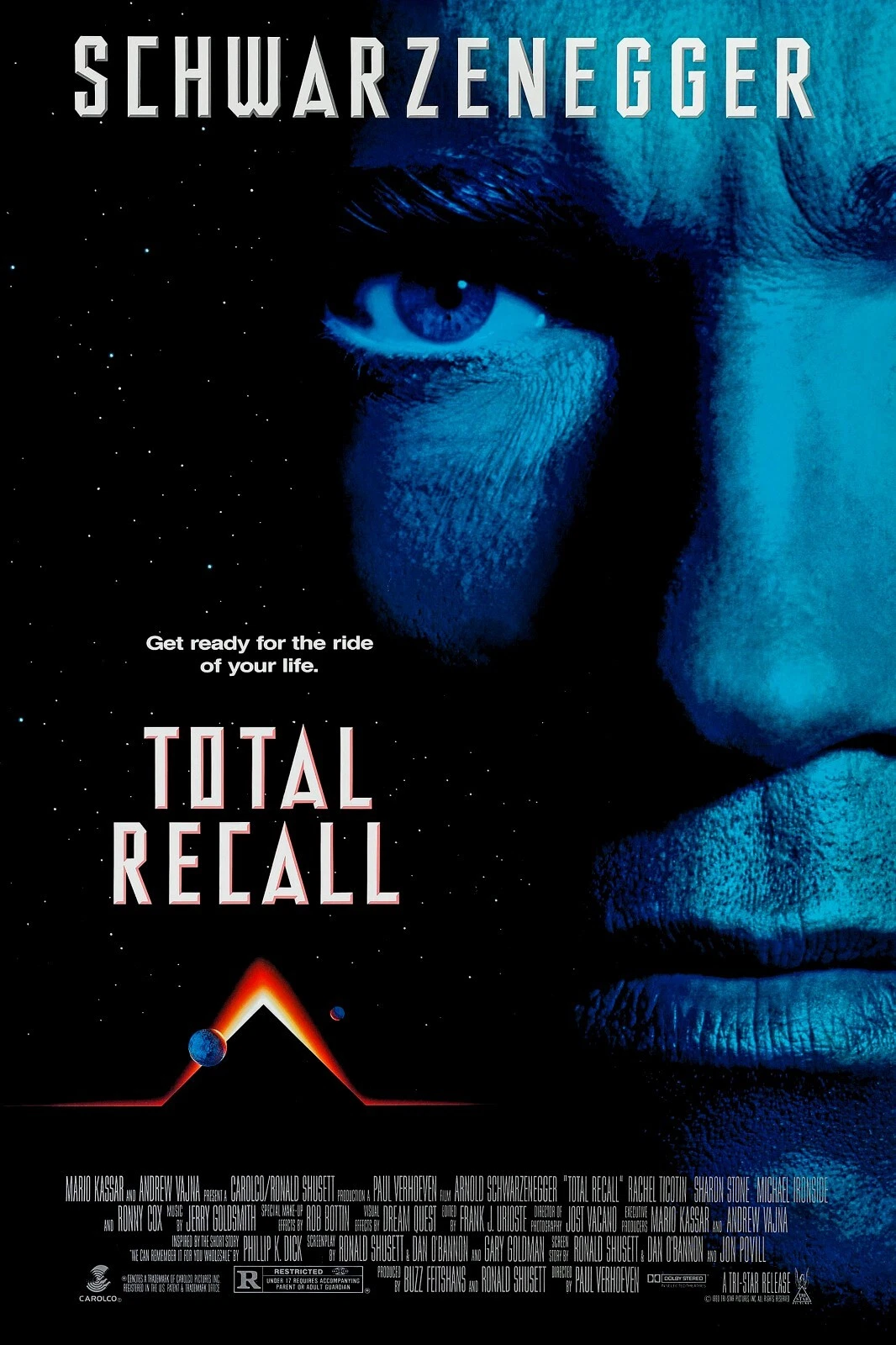
Total Recall poster
1990

#7 — Total Recall

Box Office: $119.4M
GenreSci-fi action
DirectorPaul Verhoeven
1990 Rank#7
Main Cast
  • Arnold Schwarzenegger as Douglas Quaid
  • Rachel Ticotin as Melina
  • Sharon Stone as Lori
  • Michael Ironside as Richter

Total Recall at number seven is where 1990 gets gloriously weird. This is a major Arnold Schwarzenegger blockbuster, but instead of grounding itself in clean action logic, it leans into memory instability, paranoia, corporate manipulation, surreal violence, and the nagging possibility that the entire movie may be operating inside a constructed fantasy. That is a wildly eccentric thing for a mass hit to be.

Paul Verhoeven is the key. He never treats sci-fi action as merely functional spectacle. He pushes it toward exaggeration, satire, excess, and unsettling tone shifts. The result is a movie that feels both gigantic and unstable. Even at its most commercial, Total Recall is a little bit mean, a little bit gross, and a lot smarter than its brute-force packaging first suggests.

Arnold is useful here precisely because his physical certainty becomes something the movie can play against. Quaid looks like a hero built for control, but the story repeatedly strips certainty away from him. Is he a working stiff, a hidden operative, a manipulated identity, or a guy lost inside purchased experience? That tension gives the movie a thickness many action spectacles never reach.

In the context of 1990, the film matters because it proves that mainstream sci-fi action could still be weird, expensive, and commercially viable without sanding down its sharper edges. It is not four-quadrant comfort. It is confrontational pop entertainment.

For Gen X, Total Recall remains one of the great “they really let a studio movie be this strange?” entries in the whole era — massive, quotable, grotesque, brainy, and impossible to mistake for anything else.

Fun Fact / Why It Still Matters It still fascinates because it sold audiences a giant action movie while quietly refusing to guarantee what was real, remembered, or manufactured.
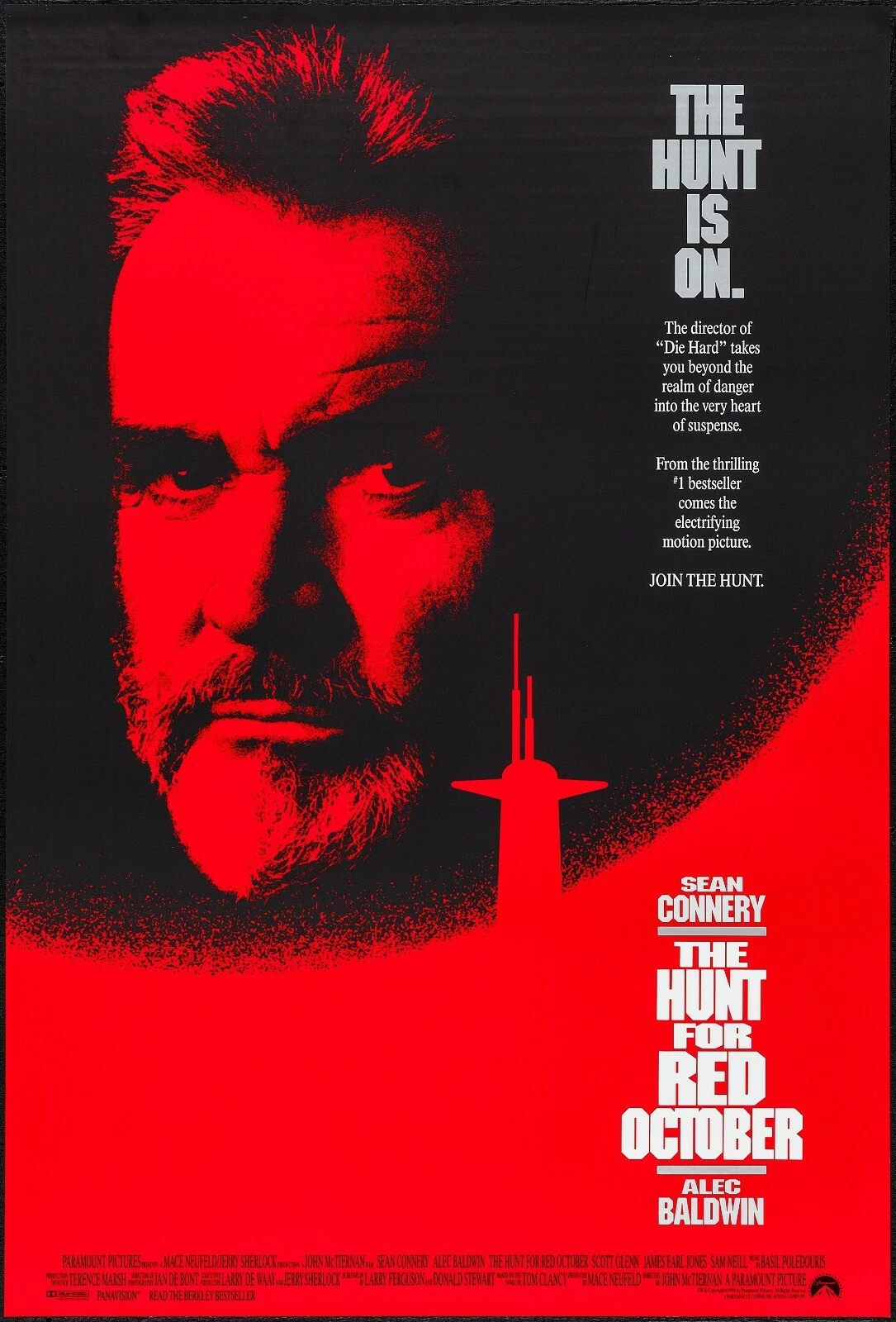
The Hunt for Red October poster
1990

#6 — The Hunt for Red October

Box Office: $122.0M
GenreSpy thriller
DirectorJohn McTiernan
1990 Rank#6
Main Cast
  • Sean Connery as Marko Ramius
  • Alec Baldwin as Jack Ryan
  • Scott Glenn as Bart Mancuso
  • Sam Neill as Vasily Borodin

The Hunt for Red October is one of the classiest hits on the 1990 chart and a reminder that mainstream suspense did not need to be built entirely around wisecracks or nonstop chaos. This is a thinking-person’s commercial thriller: military hardware, political tension, intelligence analysis, chain-of-command pressure, and the slow revelation that motives matter more than surface appearances.

Sean Connery’s Ramius gives the movie gravitas, but the larger achievement is how it turns procedure into excitement. That is not easy. A lot of thrillers confuse movement with tension. Red October understands that tension can come from interpretation — from listening, guessing, translating, and trying to decide whether an action is hostile from listening, guessing, translating, and trying to decide whether an action is hostile, strategic, or something else entirely.

Alec Baldwin’s Jack Ryan is also important because he represents a different kind of mainstream hero. He is not primarily a bruiser. He is a reader, analyst, and persuader. In a year full of larger-than-life star energy, the fact that a more cerebral protagonist could anchor a major hit says something useful about how flexible the 1990 audience still was.

In the context of 1990, the movie matters because it keeps adult suspense cinema firmly inside the blockbuster conversation. It proves there was still room for smart, dialogue-driven tension inside the same marketplace that also rewarded mutant turtles and wisecracking action sequels.

For Gen X, it remains one of the era’s most rewatchable “serious dad movie, but actually great” titles — crisp, controlled, and full of that specific Cold War suspense energy that still feels instantly recognizable.

Fun Fact / Why It Still Matters It still holds because it turns intelligence, interpretation, and restraint into blockbuster pleasures without apologizing for being smart.
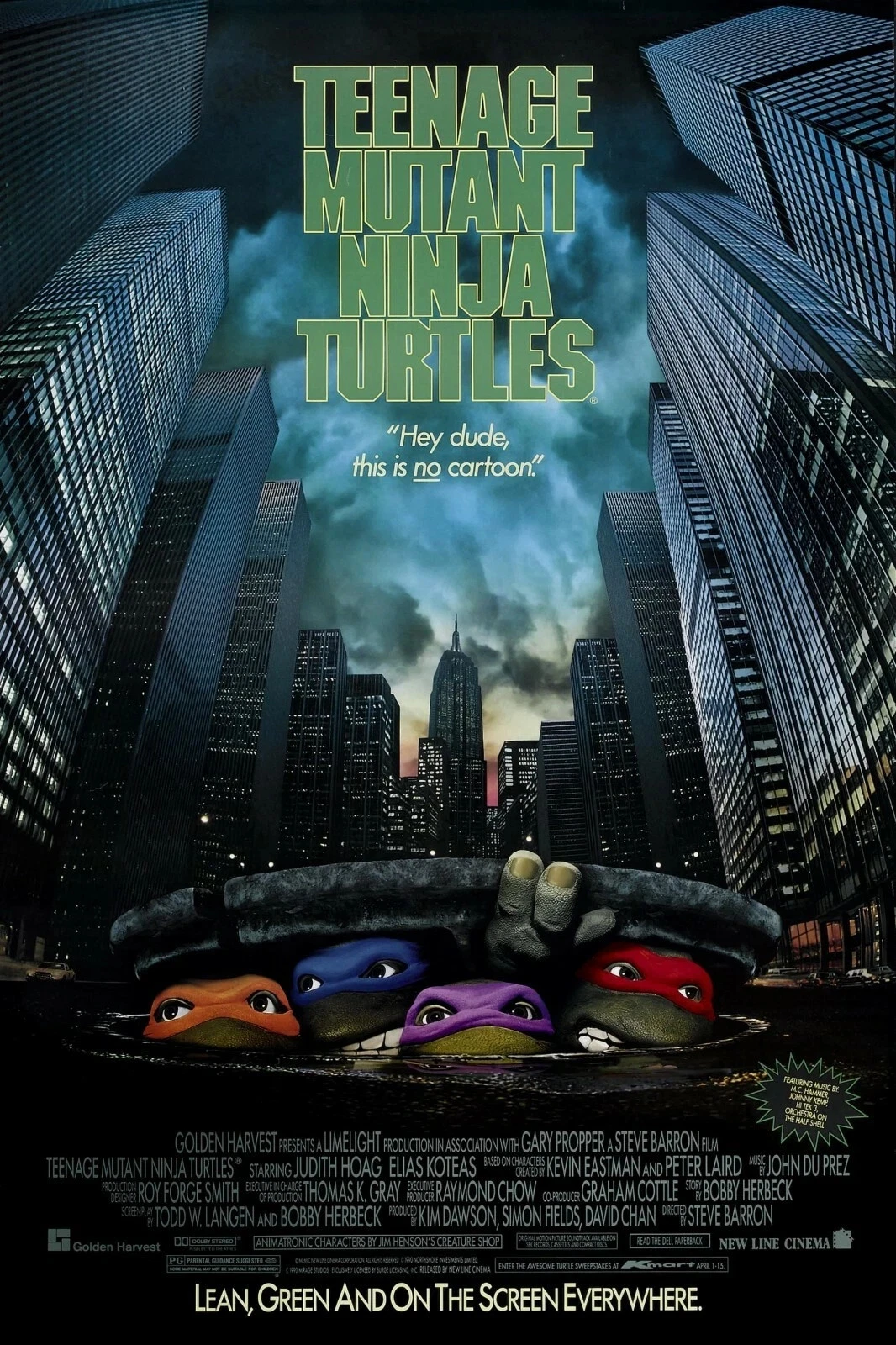
Teenage Mutant Ninja Turtles poster
1990

#5 — Teenage Mutant Ninja Turtles

Box Office: $135.3M
GenreComic-book martial arts fantasy
DirectorSteve Barron
1990 Rank#5
Main Cast
  • Judith Hoag as April O’Neil
  • Elias Koteas as Casey Jones
  • Josh Pais as Raphael
  • Kevin Clash as Splinter

Teenage Mutant Ninja Turtles at number five is one of the most perfect box-office time capsules of 1990 because it captures exactly how aggressively kid culture, comic culture, merchandising, and theatrical event energy were beginning to merge. The premise is objectively deranged — sewer-dwelling mutant turtles trained in ninjutsu — yet the film became a genuine phenomenon because the brand had already detonated across toys, TV, lunchboxes, and playground conversation.

What makes the movie interesting is that it is not simply bright toy commercial fluff. There is a weirdly gritty New York texture to it, a physicality to the suits and sets, and just enough comic-book roughness to keep it from feeling entirely sanitized. That helps explain why it connected so strongly. It felt like kid culture getting theatrical scale without losing all its scruffiness.

The film also matters because it demonstrates how strong recognizable IP was becoming before the modern franchise era locked in. This was not yet the fully standardized corporate superhero machine. It was stranger, more tactile, and more handmade. But the commercial principle was already obvious: if kids were obsessed enough, the movie could become a huge communal event.

In the context of 1990, Teenage Mutant Ninja Turtles matters because it represents the moment youth-oriented brand power stopped feeling like side-market noise and started looking like a dominant box-office force.

For Gen X, it remains one of the purest “the whole culture got swallowed by this for a minute” releases of the early 90s — weird, loud, heavily branded, and impossible to separate from the larger turtle mania around it.

Fun Fact / Why It Still Matters It still pops because it feels like a bridge between scrappy comic weirdness and the massive brand-first franchise culture that would later take over completely.
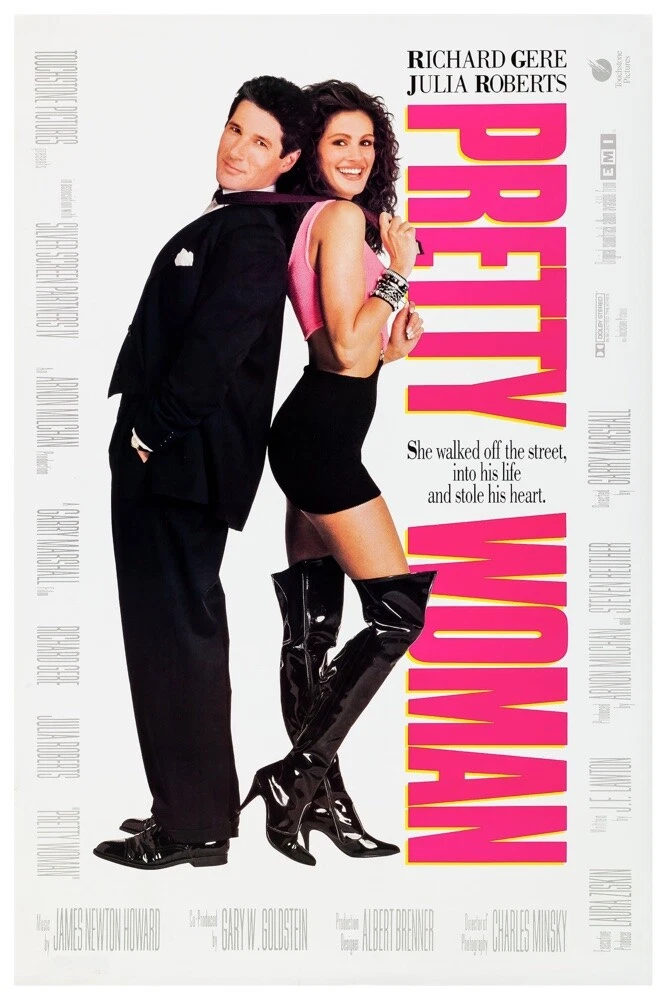
Pretty Woman poster
1990

#4 — Pretty Woman

Box Office: $178.4M
GenreRomantic comedy-drama
DirectorGarry Marshall
1990 Rank#4
Main Cast
  • Richard Gere as Edward Lewis
  • Julia Roberts as Vivian Ward
  • Héctor Elizondo as Barney Thompson
  • Laura San Giacomo as Kit De Luca

Pretty Woman at number four is one of the most important star-making hits of the era because it does not merely succeed — it completely announces Julia Roberts as a movie star in the old-school, undeniable sense. The film becomes commercially massive because it understands how to package charm, fantasy, vulnerability, glamour, and friction into something mainstream audiences want to revisit over and over.

The movie is often remembered through its fairy-tale gloss, but part of its staying power comes from how aware it is of transaction, loneliness, class, reinvention, and performance. Vivian is not written as a passive fantasy ornament. Roberts gives her intelligence, humor, defensiveness, and observational sharpness. That is a huge part of why the movie does not float away as empty wish fulfillment.

Richard Gere’s Edward matters too because the movie needs a romantic lead who feels polished enough to fit the fantasy while still emotionally incomplete enough to need real change. The chemistry between them turns what could have been disposable into something sticky, quotable, and culturally enormous.

In the context of 1990, Pretty Woman matters because it proves adult romance and star charisma could still compete at the very top of the mainstream. This is not a sequel, not a franchise, not a visual-effects showcase, and not youth-IP mania. It is movie-star chemistry driving an event-level hit.

For Gen X, it remains one of the definitive “everybody saw this” titles of the period — glossy, funny, romantic, slightly awkward around its own fantasy, and completely powered by the kind of star presence Hollywood can never manufacture on command.

Fun Fact / Why It Still Matters It still lands because underneath the fantasy packaging, the film is really selling chemistry, reinvention, and one of the clearest breakout star performances of the decade.
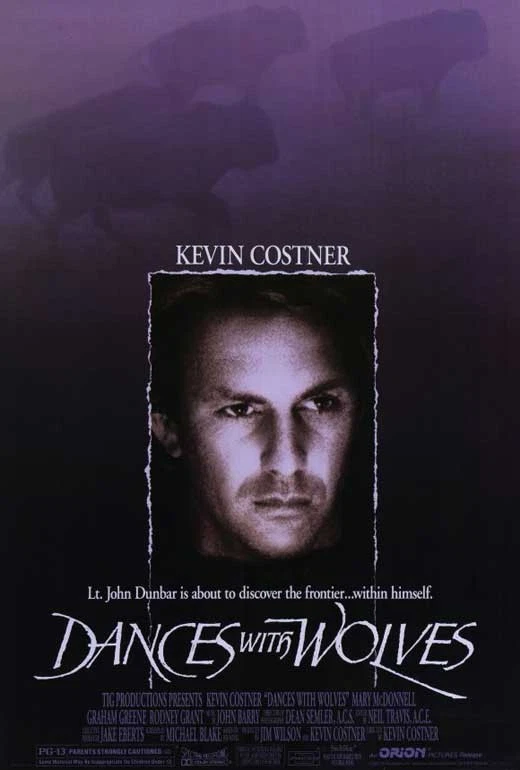
Dances with Wolves poster
1990

#3 — Dances with Wolves

Box Office: $184.2M
GenreEpic western drama
DirectorKevin Costner
1990 Rank#3
Main Cast
  • Kevin Costner as Lt. John J. Dunbar
  • Mary McDonnell as Stands With a Fist
  • Graham Greene as Kicking Bird
  • Rodney A. Grant as Wind In His Hair

Dances with Wolves at number three is one of the reasons 1990 feels bigger than a simple “blockbuster year” label can capture. Here, alongside mutant turtles, action sequels, and star comedies, sits a sweeping western drama that carries prestige weight, emotional seriousness, and old-Hollywood scale. Its success reminds you that mainstream audiences were still willing to invest in patience, landscape, and moral atmosphere when the movie gave them enough scope.

Kevin Costner’s achievement here is not just starring. It is shaping the film as an epic that invites reflection rather than urgency. The movie moves with deliberateness. It wants the audience to live in the environment, observe behavior, absorb distance, and feel transformation as something gradual rather than instantly marketable. That kind of pacing could easily have killed a lesser commercial release. Instead, it became part of the film’s authority.

The western genre had long been associated with American myth, but Dances with Wolves is part of a broader late-20th-century effort to revisit that myth with a different emotional and moral framework. Whether one sees it as revision, correction, or prestige repackaging, the movie clearly understands that the genre can no longer function as uncomplicated frontier triumph.

In the context of 1990, the film matters because it proves the marketplace had not fully abandoned large-scale adult drama. A movie could still be sweeping, serious, and openly prestigious while also becoming one of the year’s biggest commercial stories.

For Gen X, it remains one of those releases that felt unusually big in a different way — not loud, not merch-driven, not youth-coded, but culturally heavy, awards-charged, and unmistakably important.

Fun Fact / Why It Still Matters It still matters because it showed that large-scale adult drama could compete commercially in the same year as broad comedy, brand mania, and big-action spectacle.
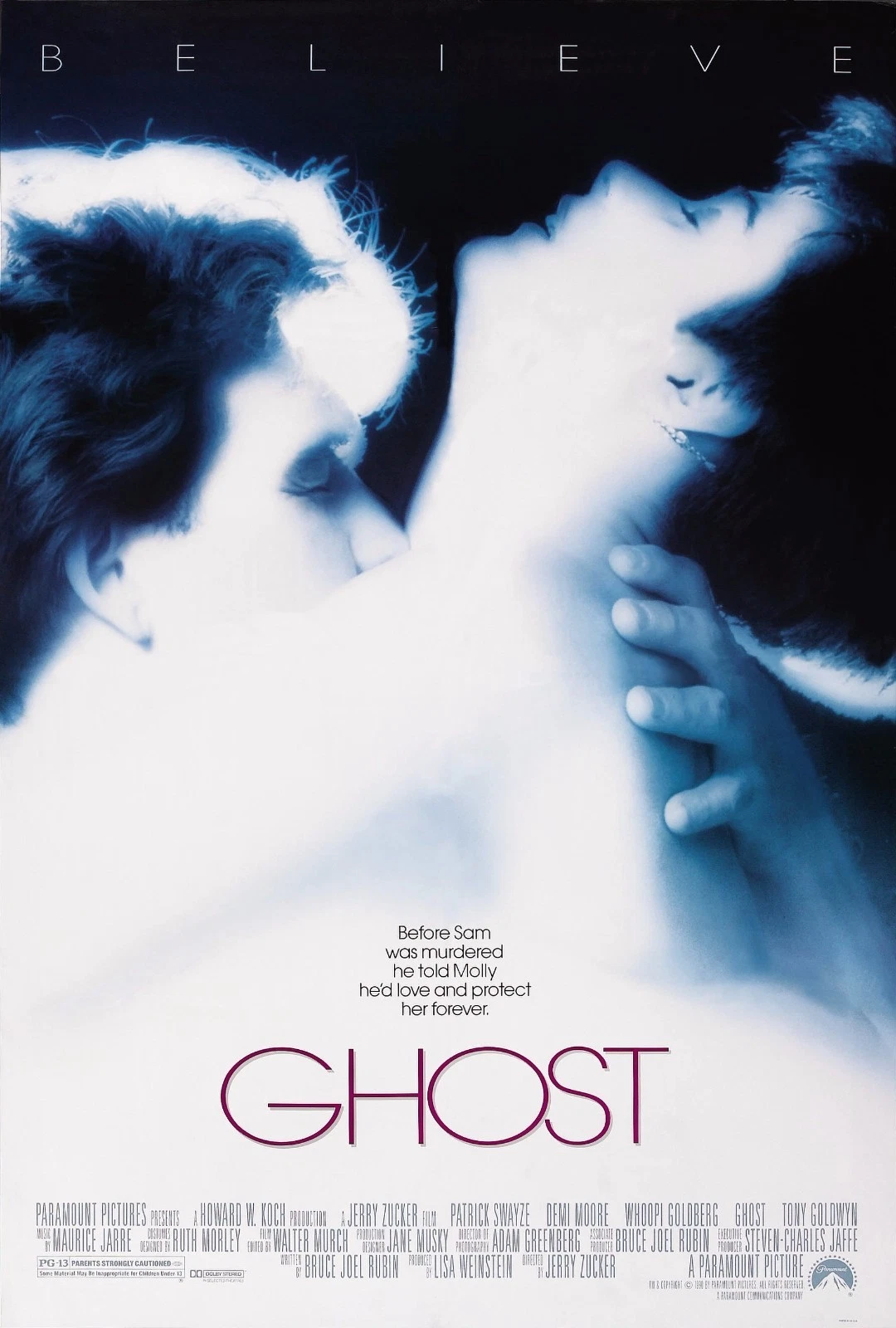
Ghost poster
1990

#2 — Ghost

Box Office: $217.6M
GenreSupernatural romance-drama
DirectorJerry Zucker
1990 Rank#2
Main Cast
  • Patrick Swayze as Sam Wheat
  • Demi Moore as Molly Jensen
  • Whoopi Goldberg as Oda Mae Brown
  • Tony Goldwyn as Carl Bruner

Ghost at number two is the kind of hit that reminds you how strange the mainstream once was. This is a supernatural romance, a grief story, a thriller, and a broad comedy vehicle all at the same time — and somehow it works so completely that it becomes one of the defining movies of the year. The tonal mix should be unstable. Instead, it becomes the whole reason audiences kept returning to it.

Patrick Swayze and Demi Moore provide the emotional core, but Whoopi Goldberg is what makes the movie commercially explosive. Oda Mae Brown turns the film from sorrowful afterlife romance into a broader entertainment package without fully breaking the emotional stakes. That balancing act is harder than it looks. Ghost survives because it can move from heartbreak to menace to comedy without losing the audience’s trust.

It also lands at a moment when sincerity was still commercially viable in a very open way. The movie is not embarrassed by feeling. It wants loss to hurt, love to ache, and supernatural intervention to feel emotionally useful rather than merely gimmicky. That directness is part of why it connected so deeply.

In the context of 1990, Ghost matters because it proves mainstream success was still available to weird hybrids that did not fit neatly inside one studio marketing box. Romance could be huge. Fantasy could be intimate. Comedy could sit beside mourning. The audience was willing to go with it.

For Gen X, it remains one of the most unmistakable titles of the year because it was not just successful — it was everywhere, blending tears, quotability, pop-culture obsession, and full-on emotional sincerity into one gigantic hit.

Fun Fact / Why It Still Matters It still hits because it lets romance, grief, suspense, and comedy coexist without flattening any of them into mere gimmick.
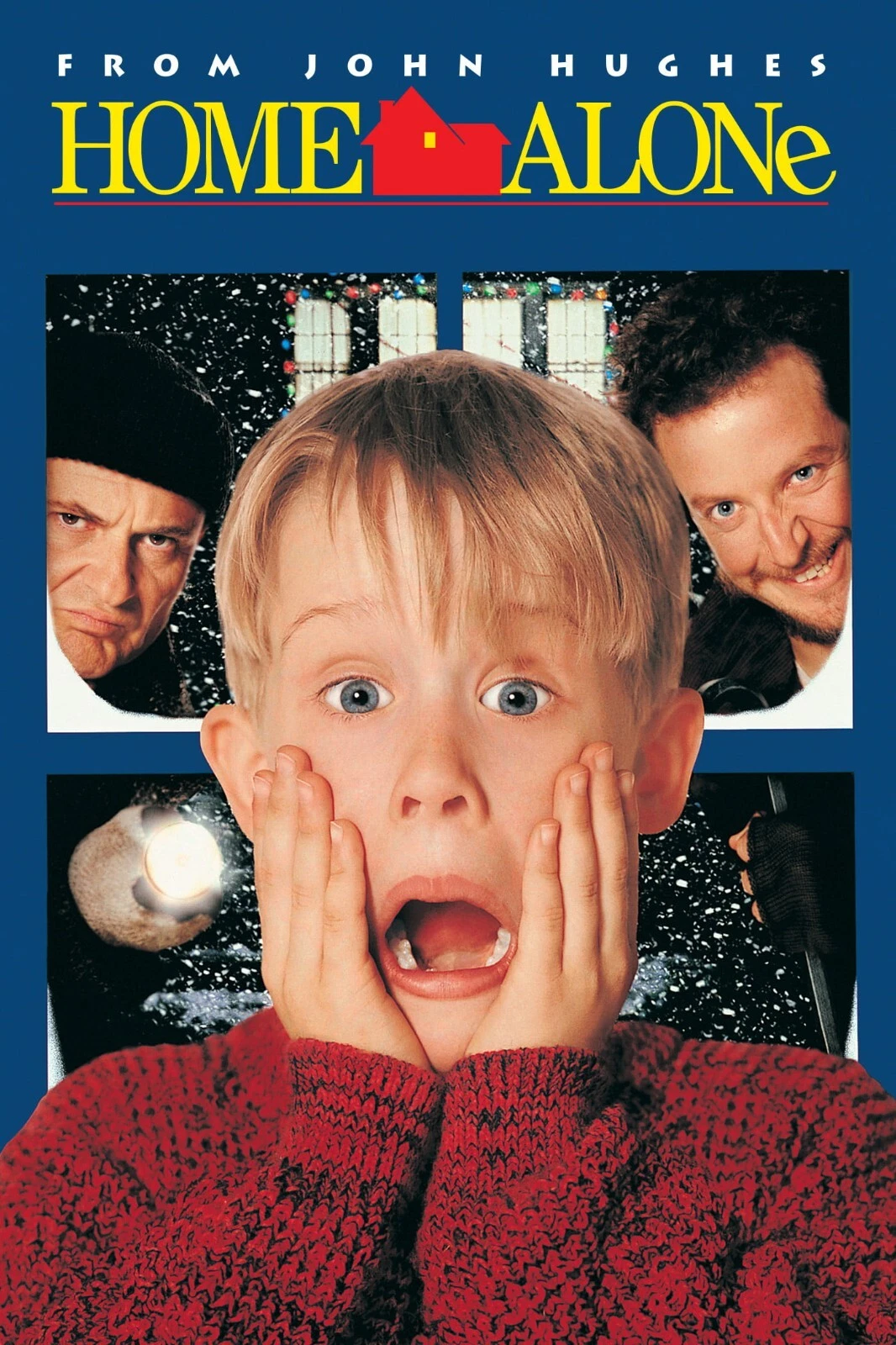
Home Alone poster
1990

#1 — Home Alone

Box Office: $285.8M
GenreFamily comedy
DirectorChris Columbus
1990 Rank#1
Main Cast
  • Macaulay Culkin as Kevin McCallister
  • Joe Pesci as Harry
  • Daniel Stern as Marv
  • Catherine O’Hara as Kate McCallister

Home Alone finishing at number one tells you almost everything you need to know about the commercial mood of 1990. A family comedy with slapstick violence, holiday sentiment, suburban wish-fulfillment, and a child-centred fantasy of total autonomy becomes the biggest first-release hit of the year. That is not just a success story. That is a cultural takeover.

The genius of the premise is how cleanly it connects to kid imagination. Being accidentally left alone is terrifying in real life, but the movie converts that fear into empowerment, strategy, and comic mayhem. Kevin is not merely surviving. He is curating his own miniature kingdom, defending it with booby traps, junk food freedom, and escalating ingenuity. It is an almost perfect fantasy package for younger viewers.

But the film’s commercial durability comes from how well it works for everybody else too. The burglars are a live-action cartoon team. The mother’s panic gives the movie real emotional propulsion. John Hughes’s script understands the importance of rhythm, humiliation comedy, and just enough sentiment to prevent the whole thing from turning mean. Chris Columbus directs it with exactly the right balance of warmth and punishment.

In the context of 1990, Home Alone matters because it signals the arrival of a huge new family-comedy model for the 90s: highly repeatable, massively quotable, built for holiday ritual, and powered by a kid star who could anchor the entire marketing machine. It is one of those hits that feels both enormous and endlessly rewatchable.

For Gen X, it remains one of the most durable movies of the period because it does something almost impossible: it turns parental absence, household chaos, child fantasy, Christmas feeling, and pain-comedy demolition into a mainstream event nobody got tired of revisiting.

Fun Fact / Why It Still Matters It still rules because it translates a child’s fantasy of independence into a perfectly engineered crowd-pleaser without losing the warmth that made families want to return to it every year.

Rewind Verdict

The top 10 movies of 1990 are fascinating because they refuse to narrow into one dominant type of hit. Yes, there is still late-80s franchise muscle here. Yes, stars still matter enormously. Yes, high-concept packaging is everywhere. But the year also leaves room for emotional directness, prestige sweep, adult romance, and some genuinely weird tonal hybrids.

That is what makes 1990 feel so alive. Home Alone becomes a juggernaut. Ghost turns grief and supernatural romance into mass entertainment. Dances with Wolves proves a large-scale adult drama can still dominate culturally. Pretty Woman creates a star explosion. Total Recall goes big and weird. Teenage Mutant Ninja Turtles confirms that kid-brand power is becoming impossible to ignore.

For Gen X, 1990 feels like the mainstream still had range. The audience had not fully split into isolated content tribes yet. We were all still living in a movie culture where one year could belong to a lonely kid with traps, a dead boyfriend solving his own murder, a revisionist western, mutant turtles, Julia Roberts, John McClane, and Arnold yelling at kindergarteners.

FAQ: Top Movies of 1990

Wasn’t Ghost the biggest movie of 1990?

Ghost is often remembered as the calendar-year domestic champ, but this series ranks movies by total North American gross for films first released in that year. By that measure, Home Alone finishes higher.

Why is Dances with Wolves included if it had a platform rollout?

Because under this series’ yearly box-office system, it counts with the year’s biggest first-release movies once it expands into the mainstream theatrical lane.

Why does 1990 feel so different from 1989?

Because 1990 still has late-80s blockbuster scale, but the emotional mix shifts. The year feels broader, softer in places, and more obviously early-90s in its blend of family comedy, romance, prestige drama, and high-concept crowd-pleasing.

Why are movies like Goodfellas or Misery not in the top 10?

Because this series ranks by North American box office, not retrospective critical reputation. Great movies can matter enormously without finishing among the ten biggest theatrical earners.

What makes the 1990 lineup so memorable?

Its range. The year delivers family chaos, supernatural romance, epic western prestige, comic-book stylization, spy suspense, sci-fi violence, star-driven romance, and brand-powered kid culture all in the same commercial top 10.

Get the Weekly Gen X Drop

New videos, rewinds, and savage nostalgia — first.

JOIN THE NEWSLETTER WATCH VIDEOS

MORE REWINDS