Top 10 Movies of 1977: Biggest Box Office Hits Ranked

Top 10 Movies of 1977: Biggest Box Office Hits Ranked
Smells Like Gen X • Top Movies of 1977

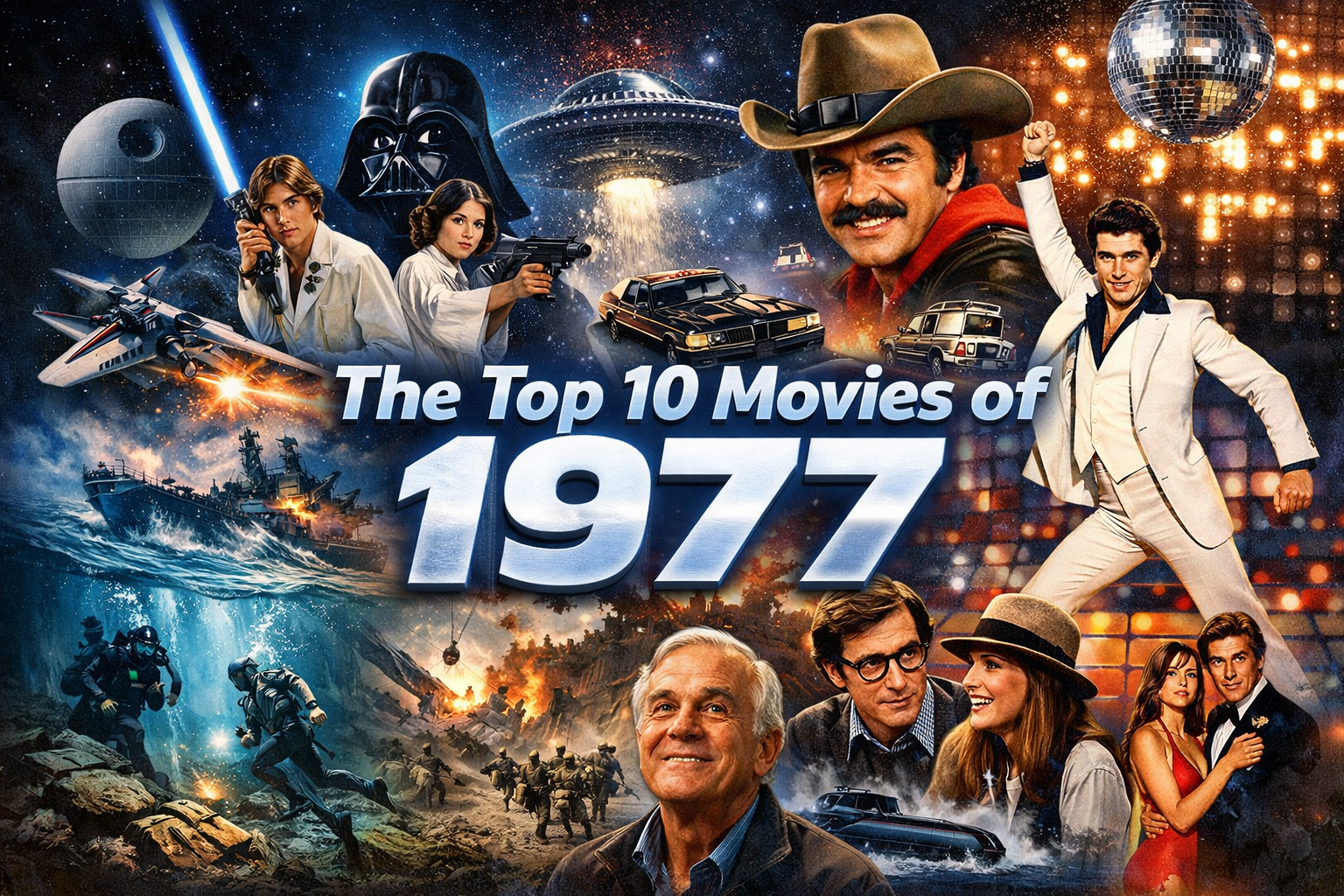
The Top 10 Movies of 1977

The top 10 movies of 1977 feel like the year the whole machine changes shape in public. You still have smart adult comedy, disco fever, paranoid depth charges, grown-up romance, Bond polish, and old-school war spectacle — but now you also have one galaxy-sized cultural detonation that basically reprograms what the public expects from a hit movie.

This countdown uses North American release-year grosses for films first released in 1977. What emerges is one of the most important commercial lineups in movie history: a space fantasy that became a religion, a muscle-car outlaw smash, a contact-with-the-unknown spectacle, a disco drama that owned the culture, a bittersweet relationship hit, a giant World War II epic, ocean-floor menace, peak Roger Moore Bond, a divine comedy with George Burns, and one of the sharpest romantic comedies ever to make the mainstream feel smarter.

For Gen X, 1977 isn’t just another movie year. It’s one of the central launchpads of modern pop culture.

Gen X Note: 1977 is where old Hollywood polish, 70s adult cynicism, and full-blown franchise-era mythmaking all collide in the same top 10.

Quick List: The Top 10 Movies of 1977

  1. Annie Hall
  2. Oh, God!
  3. The Spy Who Loved Me
  4. The Deep
  5. A Bridge Too Far
  6. The Goodbye Girl
  7. Saturday Night Fever
  8. Close Encounters of the Third Kind
  9. Smokey and the Bandit
  10. Star Wars

Countdown: The Top 10 Movies of 1977

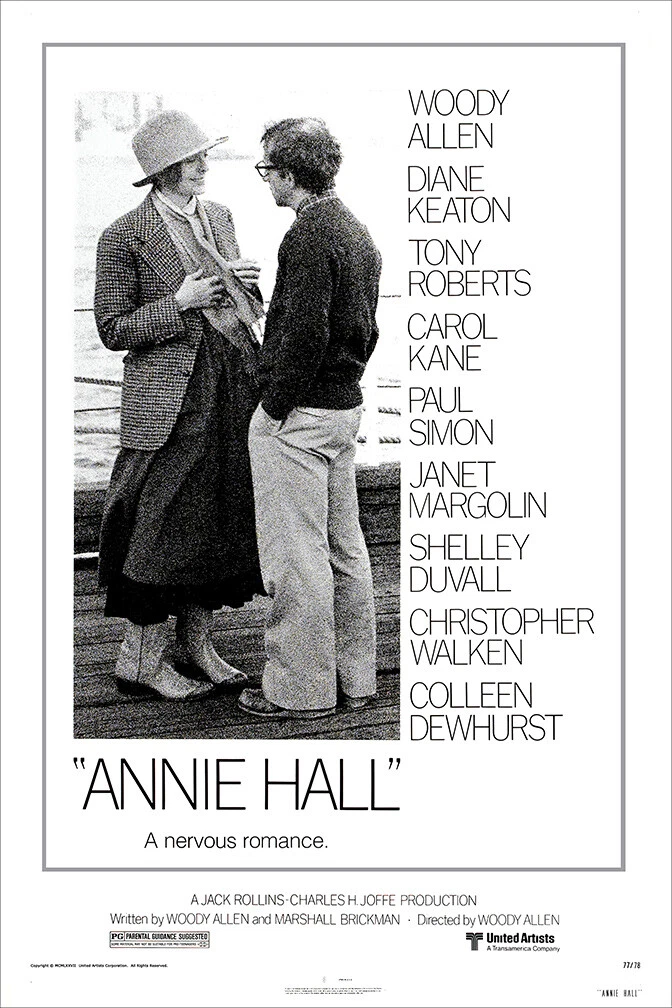
Annie Hall poster
1977

#10 — Annie Hall

Box Office: $38.3M
GenreRomantic comedy
DirectorWoody Allen
1977 Rank#10
Main Cast
  • Woody Allen as Alvy Singer
  • Diane Keaton as Annie Hall
  • Tony Roberts as Rob
  • Carol Kane as Allison

Annie Hall opens the 1977 top 10 as a reminder that one of the biggest movie years ever still had room for a nervy, intimate, structurally playful romantic comedy that felt less like studio formula and more like smart urban self-analysis. That alone says a lot about how wide the audience still was.

What makes the movie hit is that it treats romance as memory, self-sabotage, performance, and perspective rather than as a clean destination. Diane Keaton’s presence is everything here. The film doesn’t simply revolve around the relationship. It revolves around the act of trying to explain why the relationship mattered after it’s already gone.

In the commercial story of 1977, Annie Hall matters because it proves wit, voice, and emotional specificity could still punch into the mainstream in a year otherwise dominated by spectacle and momentum.

For Gen X, it became one of those touchstone “adult conversation movies” that kept showing up in best-of lists because it genuinely changed the feel of modern screen romance.
Fun Fact / Why It Still Matters The film still matters because it helped redefine romantic comedy as something smarter, sadder, and more self-aware than the genre usually allowed.
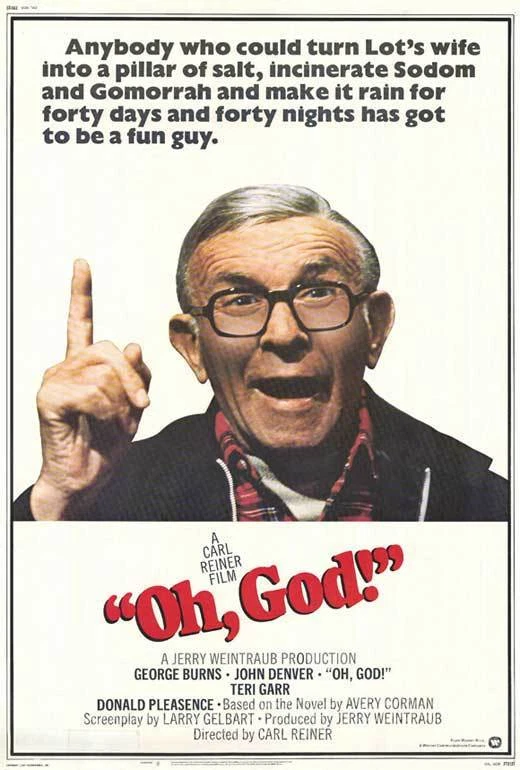
Oh, God! poster
1977

#9 — Oh, God!

Box Office: $41.7M
GenreFantasy comedy
DirectorCarl Reiner
1977 Rank#9
Main Cast
  • George Burns as God
  • John Denver as Jerry Landers
  • Teri Garr as Bobbie Landers
  • Donald Pleasence as John Wesley

Oh, God! at number nine is one of those wonderfully specific 70s hits that feels impossible to mass-manufacture now. It takes a friendly metaphysical premise, casts George Burns as God, and somehow turns quiet spiritual comedy into major theatrical business. That is a very particular kind of audience trust.

The movie works because it doesn’t overcomplicate its charm. Burns plays divinity with a kind of lightly amused common sense, which lets the film sidestep pomp and go straight for accessibility. It’s not trying to terrify you with cosmic power. It’s trying to make the whole idea feel weirdly conversational.

In the commercial story of 1977, Oh, God! matters because it proves mainstream audiences still had a robust appetite for gentle, high-concept, star-led comedy in between all the louder event pictures.

For Gen X, it’s one of those titles that feels like pure late-70s TV-afterlife comfort: a hit with a strange premise that somehow became completely normal through repetition.

Fun Fact / Why It Still Matters The film still matters because it turned theological whimsy into a broad crowd-pleaser without losing its offbeat charm.
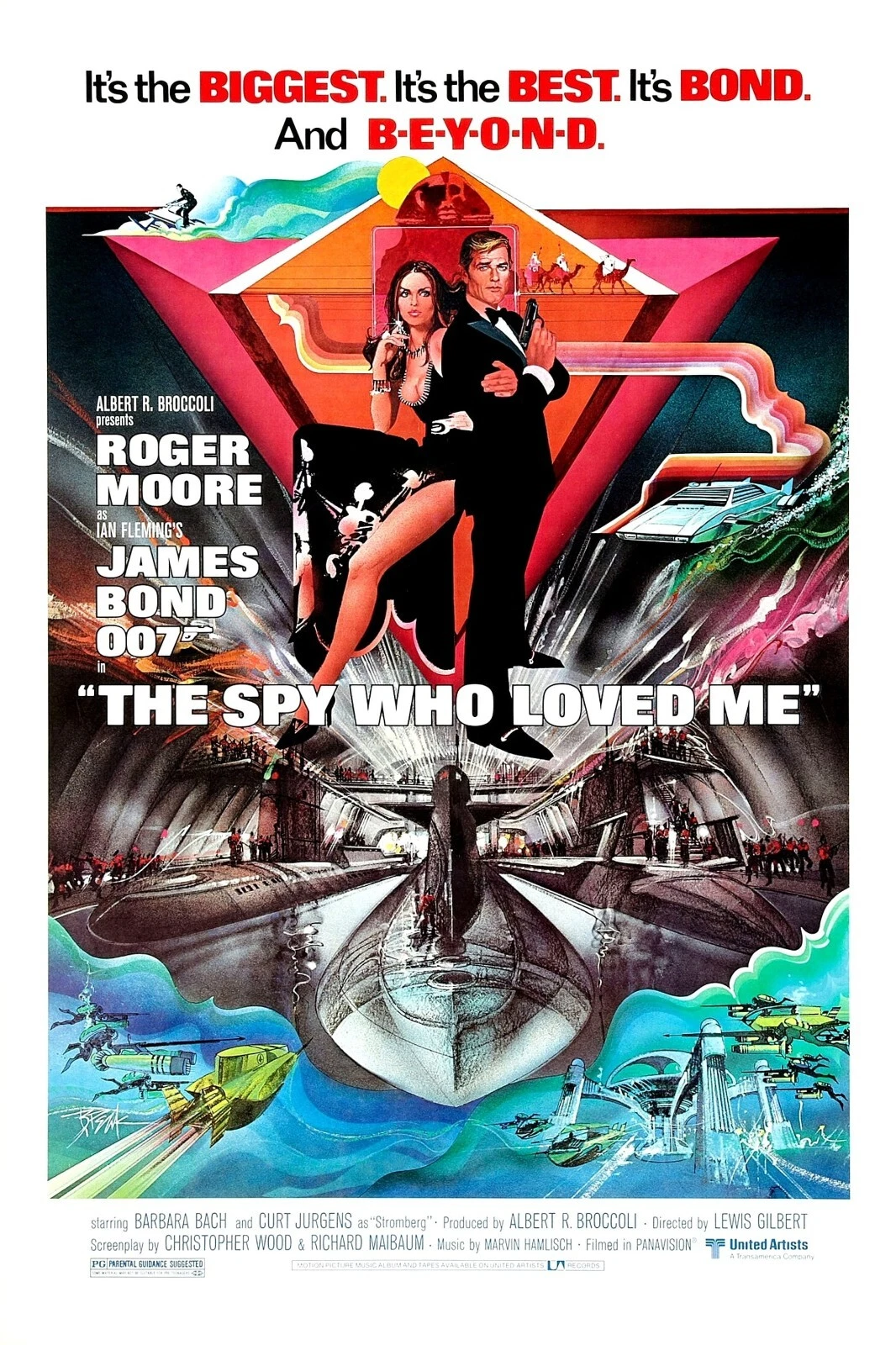
The Spy Who Loved Me poster
1977

#8 — The Spy Who Loved Me

Box Office: $46.8M
GenreSpy action adventure
DirectorLewis Gilbert
1977 Rank#8
Main Cast
  • Roger Moore as James Bond
  • Barbara Bach as Anya Amasova
  • Curd Jürgens as Karl Stromberg
  • Richard Kiel as Jaws

The Spy Who Loved Me at number eight shows the Bond machine in fully reliable late-70s form: huge sets, globe-hopping spectacle, a lead actor comfortable in the role, and just enough absurdity to make the fantasy feel luxurious instead of ridiculous. By this point, Roger Moore’s version of Bond was its own stable commercial language.

One of the reasons the film holds up as a crowd-pleaser is that it understands size. The villain scheme is enormous, the set pieces are grand, the villain henchman is unforgettable, and the whole thing is built to feel like premium escapism. Bond movies weren’t just stories anymore. They were branded theatrical experiences.

In the commercial story of 1977, The Spy Who Loved Me matters because it proves that even in a year of major change, franchise professionalism still sold beautifully when the formula was polished enough.

For Gen X, this is one of the essential Moore-era Bond titles, the kind of movie that felt permanently syndicated into cultural memory.

Fun Fact / Why It Still Matters The film still matters because it’s one of the clearest examples of the Bond series refining itself into sleek, durable late-70s spectacle.
The Deep poster
1977

#7 — The Deep

Box Office: $47.3M
GenreAdventure thriller
DirectorPeter Yates
1977 Rank#7
Main Cast
  • Robert Shaw as Romer Treece
  • Jacqueline Bisset as Gail Berke
  • Nick Nolte as David Sanders
  • Louis Gossett Jr. as Henri Cloche

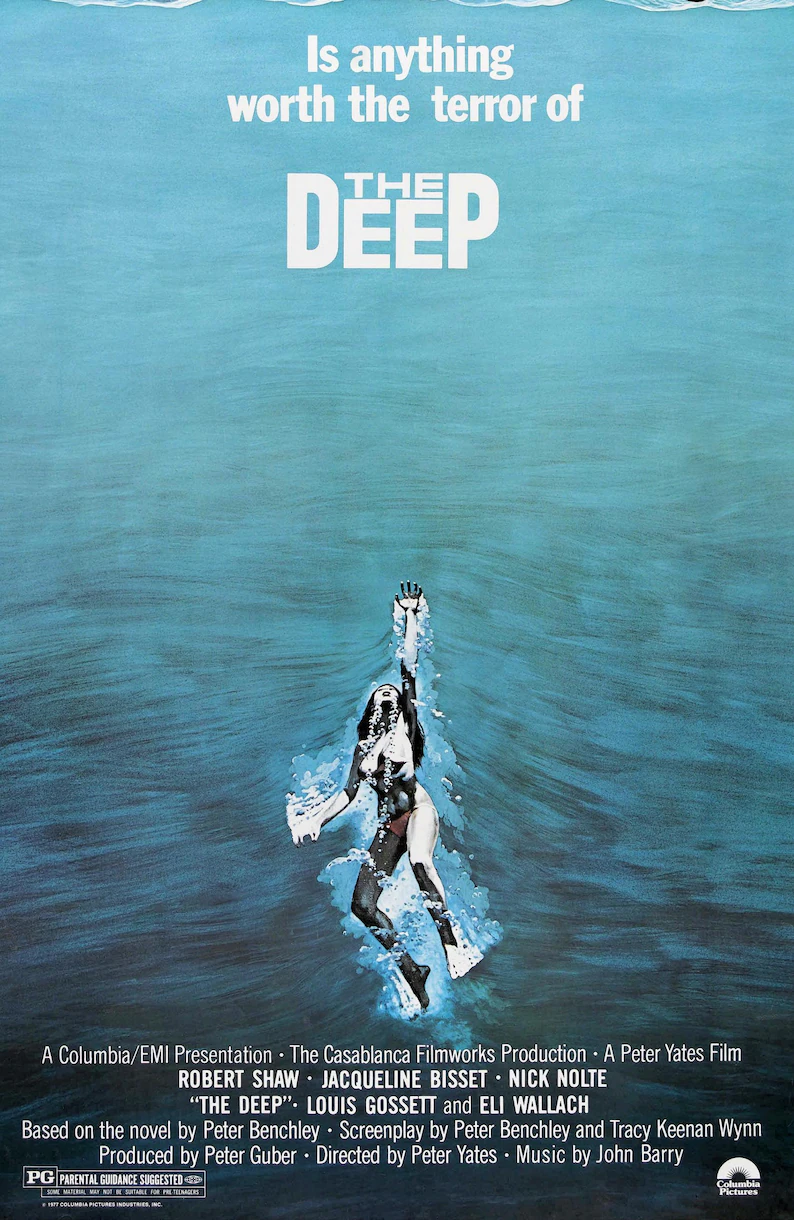
The Deep at number seven is exactly the kind of glossy danger-adventure hit the late 70s knew how to sell: sun, water, treasure, menace, beautiful people, and the promise that the location itself might kill you before the villains do. It’s a commercial package built on surface pleasure and underlying threat.

The movie’s appeal isn’t hard to decode. It gives audiences scale, sensation, exotic atmosphere, and just enough danger to keep the vacation fantasy from turning sleepy. It feels like a post-Jaws world figuring out that water itself had become a marketable source of anxiety.

In the commercial story of 1977, The Deep matters because it shows adventure thrillers could still play as premium adult entertainment if they had enough style and jeopardy.

For Gen X, it’s one of those movies whose vibe often outlived its plot in memory — tropical danger, sleek photography, and 70s movie-star cool all swirling together.

Fun Fact / Why It Still Matters The film still matters because it captures how late-70s thrillers could turn environment, glamour, and menace into one very marketable package.
A Bridge Too Far poster
1977

#6 — A Bridge Too Far

Box Office: $50.8M
GenreWar epic
DirectorRichard Attenborough
1977 Rank#6
Main Cast
  • Sean Connery as Maj. Gen. Urquhart
  • Robert Redford as Maj. Cook
  • Michael Caine as Lt. Col. Vandeleur
  • Gene Hackman as Maj. Gen. Sosabowski

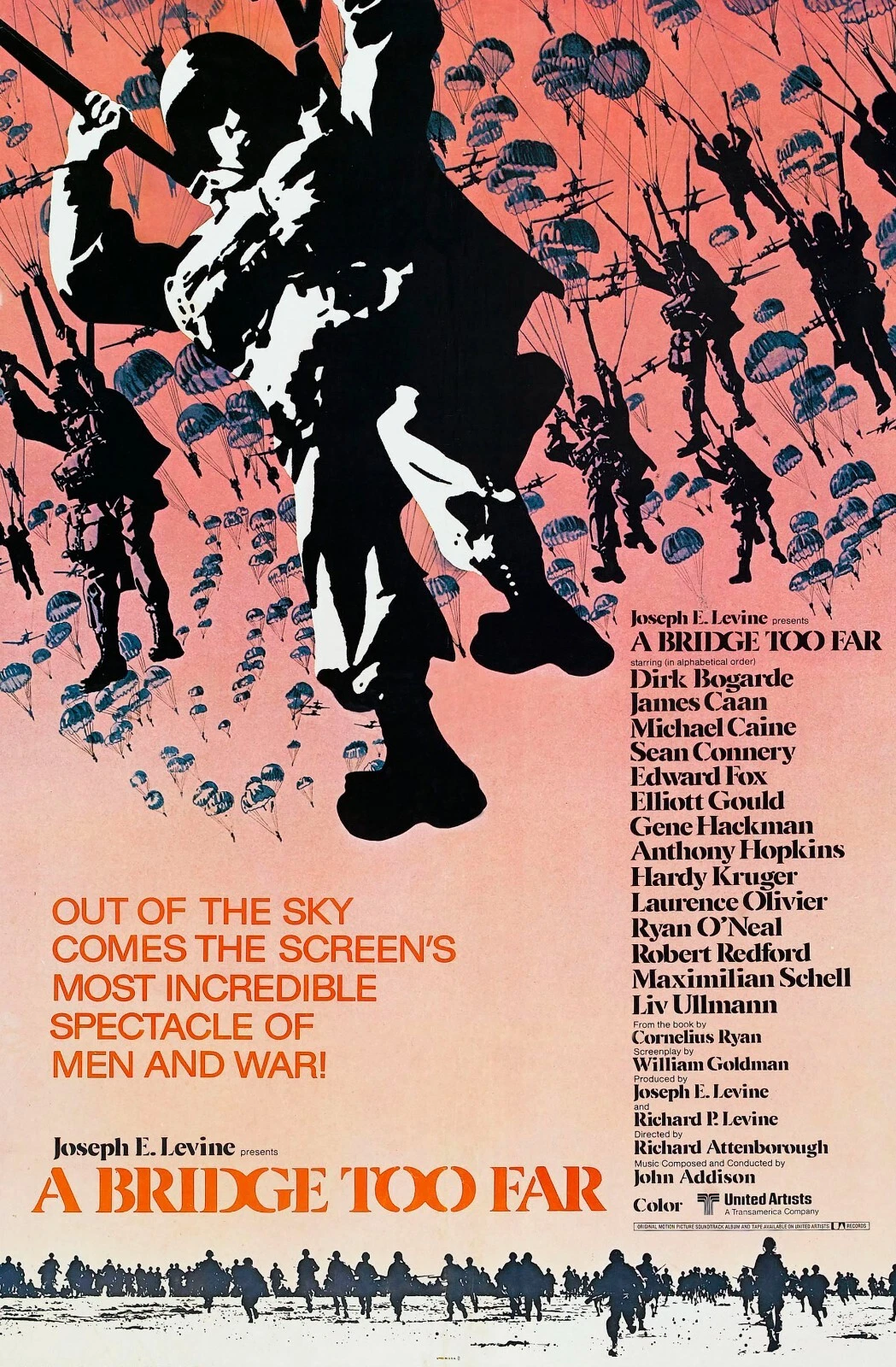
A Bridge Too Far at number six is old-school war-epic scale refusing to die quietly. Massive cast, huge military logistics, historical catastrophe, prestige framing — this is the sort of film made by an industry still convinced that large-format seriousness and star aggregation could remain a commercial force.

What gives the film its staying power is that the scale isn’t purely triumphant. The title itself announces failure. That matters. It’s not a simple victory pageant. It’s a giant, expensive dramatization of ambition outrunning reality, which feels very compatible with the wider 70s mood.

In the commercial story of 1977, A Bridge Too Far matters because it shows there was still room for very large historical war pictures even as the audience was being pulled toward more modern forms of spectacle.

For Gen X, it became one of those star-loaded war movies that seemed to surface constantly in television rotation, too big to fully ignore and too stacked not to sample.

Fun Fact / Why It Still Matters The film still matters because it represents one of the last great flexes of the sprawling all-star war epic before other blockbuster models fully took over.
The Goodbye Girl poster
1977

#5 — The Goodbye Girl

Box Office: $83.7M
GenreRomantic comedy-drama
DirectorHerbert Ross
1977 Rank#5
Main Cast
  • Richard Dreyfuss as Elliot Garfield
  • Marsha Mason as Paula McFadden
  • Quinn Cummings as Lucy McFadden
  • Paul Benedict as Mark

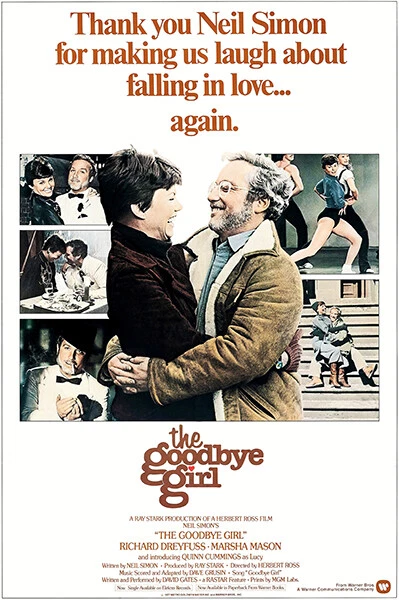
The Goodbye Girl at number five is one of the more revealing hits on this list because it proves mainstream audiences still had a huge appetite for character-driven romantic comedy with actual emotional intelligence. This isn’t giant spectacle. It’s timing, irritation, chemistry, and the gradual recognition that two damaged people might be less impossible together than they first seem.

Richard Dreyfuss gives the film its twitchy energy, and Marsha Mason grounds it with enough realism to keep the whole thing from floating off into sitcom fluff. That blend is why it works. The movie is funny, but it’s also bruised in the right places.

In the commercial story of 1977, The Goodbye Girl matters because it shows that sophisticated relationship comedy was still a very powerful commercial lane, even in the year of spaceships and disco.

For Gen X, it belongs to that class of movies adults adored for reasons that become much more obvious once you’re old enough to recognize how hard good chemistry actually is.

Fun Fact / Why It Still Matters The film still matters because it’s a great example of grown-up romantic comedy playing huge without sacrificing wit or emotional texture.
Saturday Night Fever poster
1977

#4 — Saturday Night Fever

Box Office: $94.2M
GenreDance drama
DirectorJohn Badham
1977 Rank#4
Main Cast
  • John Travolta as Tony Manero
  • Karen Lynn Gorney as Stephanie Mangano
  • Barry Miller as Bobby C.
  • Joseph Cali as Joey

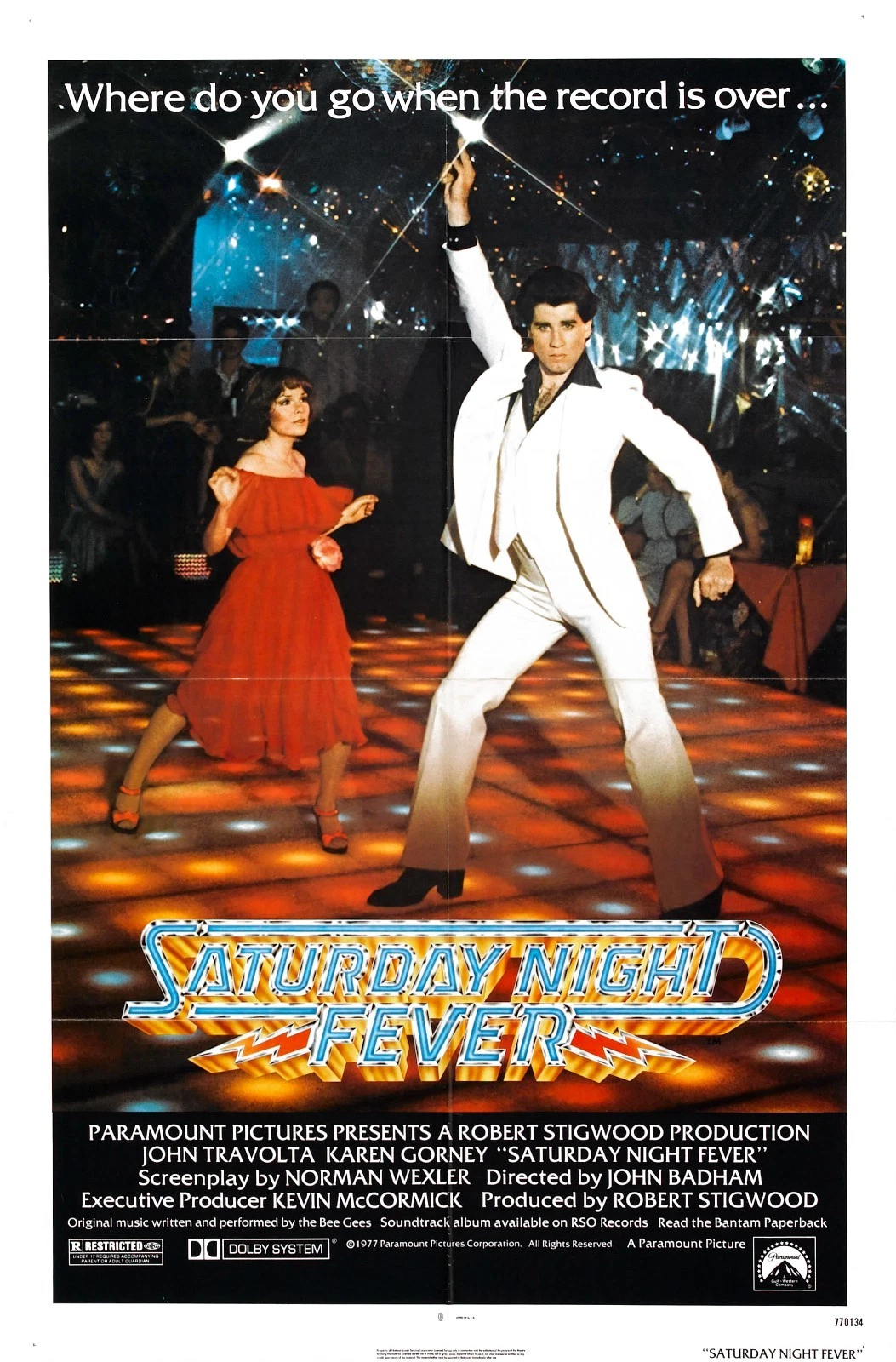
Saturday Night Fever at number four is one of the clearest examples of a movie becoming more than a movie. It’s music, fashion, posture, lighting, masculinity, escape, and working-class frustration all processed through a dance floor. People remember the white suit because the film sold an image so efficiently, but what gave it depth was the unhappiness underneath the pose.

Travolta is the ignition source, obviously. He turns Tony into both fantasy object and trapped young man, and that duality is the reason the movie became more than simple disco packaging. The dancing is the release valve, not the whole point.

In the commercial story of 1977, Saturday Night Fever matters because it proves soundtrack culture, youth style, and social realism could fuse into one giant mainstream phenomenon.

For Gen X, this is one of those unavoidable cultural monuments: quoted, parodied, imitated, and still powerful enough to remind you why everyone lost their minds in the first place.

Fun Fact / Why It Still Matters The film still matters because it turned disco into mass mythology while still keeping the sadness and pressure of its world visible.
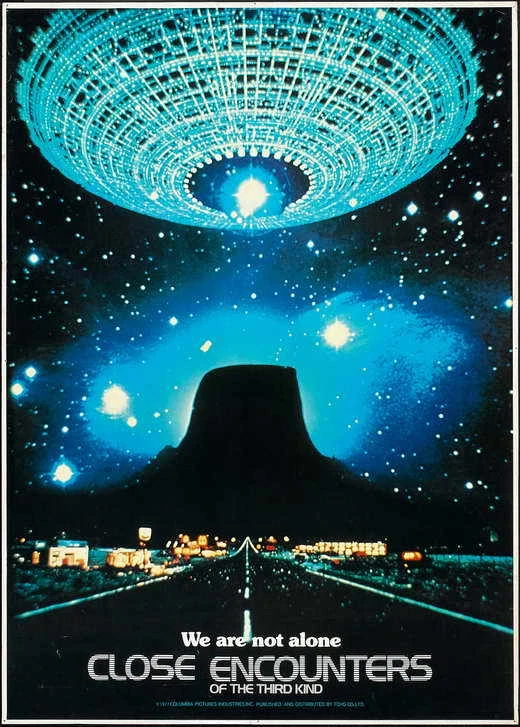
Close Encounters of the Third Kind poster
1977

#3 — Close Encounters of the Third Kind

Box Office: $116.4M
GenreScience fiction drama
DirectorSteven Spielberg
1977 Rank#3
Main Cast
  • Richard Dreyfuss as Roy Neary
  • François Truffaut as Claude Lacombe
  • Melinda Dillon as Jillian Guiler
  • Teri Garr as Ronnie Neary

Close Encounters of the Third Kind at number three is a beautiful example of 1977 proving that science fiction didn’t only have to be swashbuckling myth. It could also be awe, obsession, family fracture, cosmic invitation, and spiritual longing. Spielberg follows Jaws not by repeating fear, but by selling wonder with equal force.

What makes the movie feel so distinct is that it treats contact not primarily as invasion, but as revelation. That gives the spectacle a different emotional temperature. The effects matter, sure, but what really sells the whole thing is the sense that ordinary life has been interrupted by something bigger than language.

In the commercial story of 1977, Close Encounters matters because it proves there was more than one future available to blockbuster-scale science fiction. Not all of it had to be pulp momentum. Some of it could be mystical.

For Gen X, it remains one of the core “look up at the sky and wonder what else is out there” movies — a pure gateway drug for awe.

Fun Fact / Why It Still Matters The film still matters because it turned cosmic wonder and human obsession into one of the defining mainstream movie experiences of the decade.
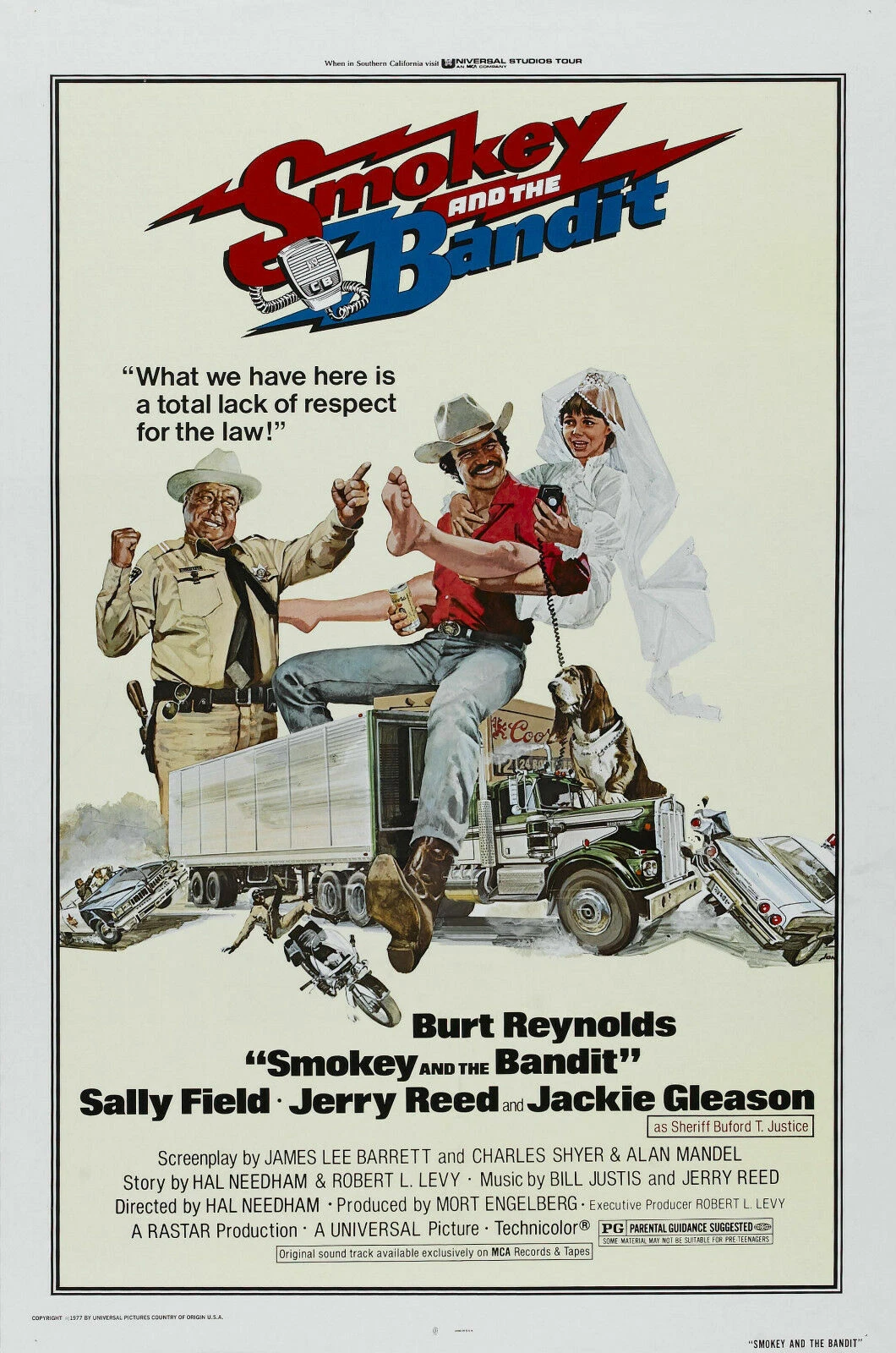
Smokey and the Bandit poster
1977

#2 — Smokey and the Bandit

Box Office: $126.7M
GenreAction comedy
DirectorHal Needham
1977 Rank#2
Main Cast
  • Burt Reynolds as Bo “Bandit” Darville
  • Sally Field as Carrie
  • Jerry Reed as Cledus Snow
  • Jackie Gleason as Sheriff Buford T. Justice

Smokey and the Bandit at number two is one of the purest “the audience absolutely knew what it wanted” results in 70s box-office history. Cars, speed, swagger, CB-radio rhythm, authority figures getting clowned, and Burt Reynolds smiling like he knows the whole country is in on the joke — that’s not just a movie. That’s a populist permission slip.

The film is basically a machine for converting charisma into velocity. It doesn’t need pretension. It just needs momentum, comic escalation, and enough Southern-fried attitude to make every chase feel like a cultural statement. Jackie Gleason’s performance is a huge part of the magic because the movie knows that a great pursuit needs a great maniac.

In the commercial story of 1977, Smokey and the Bandit matters because it proves that alongside space fantasy and sci-fi awe, the year’s other gigantic audience appetite was for regional, rowdy, anti-authority American fun.

For Gen X, this became one of the great rerun engines: endlessly quotable, instantly recognizable, and basically impossible to mistake for any other decade’s idea of a good time.

Fun Fact / Why It Still Matters The film still matters because it’s one of the clearest examples of raw movie-star charm and anti-authority energy turning into blockbuster-level business.
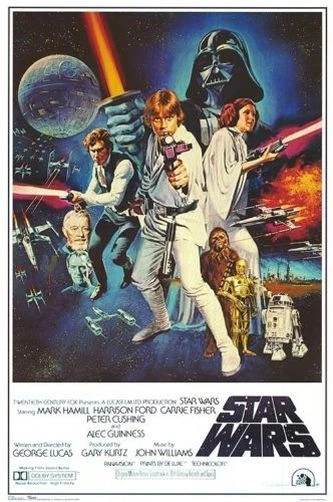
Star Wars poster
1977

#1 — Star Wars

Box Office: $221.3M
GenreSpace fantasy / adventure
DirectorGeorge Lucas
1977 Rank#1
Main Cast
  • Mark Hamill as Luke Skywalker
  • Harrison Ford as Han Solo
  • Carrie Fisher as Princess Leia
  • Alec Guinness as Obi-Wan Kenobi

Star Wars at number one is the kind of result that stops being a ranking and starts being a fault line. This is not just the biggest movie of 1977. It’s one of the foundational reorganizations of popular entertainment itself. The movie takes old myth, serial adventure, sci-fi imagery, fairy-tale simplicity, and technical innovation, then fuses them into something the audience could instantly own.

What makes it such a cultural supernova is that it feels both ancient and brand new. The story is easy to enter, the world is dense enough to obsess over, and the pacing never leaves the viewer time to doubt the ride. That combination is why it moved beyond hit status into lifestyle, toy box, quote bank, and permanent memory architecture.

In the commercial story of 1977, Star Wars matters because it doesn’t merely top the chart. It changes the scale of ambition, the mechanics of repeat viewing, the merchandising possibilities, and the whole industry’s idea of what a mass-audience fantasy could achieve.

For Gen X, this is not just one beloved movie among many. It’s one of the main pieces of cultural wallpaper the generation grew up staring at.

Fun Fact / Why It Still Matters Star Wars still matters because it didn’t just become the biggest movie of 1977 — it helped redefine modern franchise culture and blockbuster imagination.

Rewind Verdict

The top 10 movies of 1977 are so fascinating because they aren’t only about the birth of the modern blockbuster, even though that’s the headline everybody remembers. Yes, Star Wars changes everything. But the same list also includes adult romance, urban neurosis, theology as comedy, disco despair, war prestige, ocean menace, and one of the great outlaw-car movies ever made.

What makes the year so powerful is that its hits still feel like they come from multiple commercial planets at once. The old star system hasn’t fully vanished. The 70s adult sensibility hasn’t fully vanished. The event-movie future has absolutely arrived. And somehow all three realities are sharing the same chart.

For Smells Like Gen X, 1977 is one of the key origin years where nostalgia stops being just memory and starts becoming infrastructure. Whole branches of later culture grow out of what happened here.

FAQ: Top Movies of 1977

What was the highest-grossing 1977 release at the North American box office?

Star Wars was the biggest North American hit among films first released in 1977.

Was 1977 really that important for movies?

Yes. Between Star Wars, Close Encounters, Saturday Night Fever, and Smokey and the Bandit, 1977 reshaped blockbuster culture, youth culture, genre expectations, and merchandising in a huge way.

Why use release-year grosses instead of calendar-year totals?

Because release-year grosses keep the list focused on movies first released in 1977 rather than mixing them with earlier holdovers still earning money during the same calendar period.

Why is Annie Hall only #10 if it’s so famous?

Because this series ranks by North American box office for films first released that year, not by awards, critical status, or later cultural reputation.

What makes the 1977 lineup so memorable?

Its mix. The year gives you a culture-rewriting space fantasy, disco drama, car-chase comedy, UFO wonder, sophisticated romance, Bond spectacle, war epic scale, and one of the all-time great romantic comedies all in the same top 10.

Get the Weekly Gen X Drop

New videos, rewinds, and savage nostalgia — first.

JOIN THE NEWSLETTER WATCH VIDEOS

MORE REWINDS