Top 10 Movies of 1978: Biggest Box Office Hits Ranked

Top 10 Movies of 1978: Biggest Box Office Hits Ranked
Smells Like Gen X • Top Movies of 1978

The Top 10 Movies of 1978

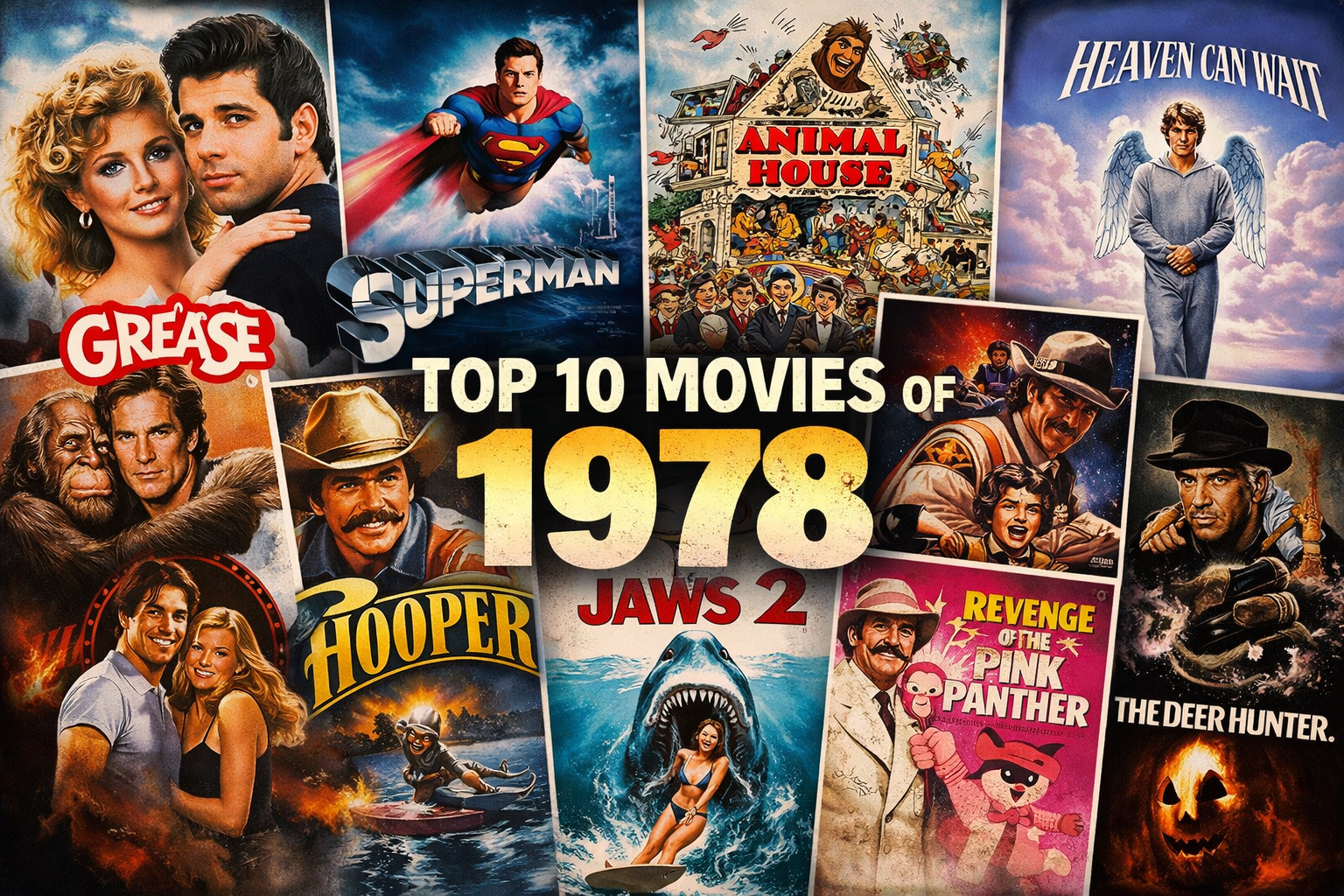
The top 10 movies of 1978 feel like Hollywood fully realizing that the blockbuster era is here, but still refusing to give up on comedy anarchy, prestige drama, horror shocks, Burt Reynolds swagger, and giant caped sincerity. It’s a year where broad crowd-pleasing entertainment gets louder, but the lineup still has personality all over it.

This countdown uses North American release-year grosses for films first released in 1978. What emerges is a fascinating snapshot of late-70s movie culture: a nostalgia-fueled musical phenomenon, the definitive superhero launch, a frat-house comedy wrecking the furniture, Eastwood and orangutan mayhem, celestial romantic fantasy, stuntman cool, a shark sequel, late-period Pink Panther franchise comfort, a brutal Vietnam-era masterpiece, and one of the great independent horror breakouts of all time.

For Gen X, 1978 matters because it feels like the multiplex getting bigger without getting cleaner. The hits are mainstream, but they still carry grit, weirdness, sexiness, or attitude.

Gen X Note: 1978 is where movie culture starts looking huge and branded, but still feels loose enough for horny comedies, grim prestige, slasher shocks, and weird star vehicles to crash the same top 10.

Quick List: The Top 10 Movies of 1978

  1. Halloween
  2. The Deer Hunter
  3. Revenge of the Pink Panther
  4. Jaws 2
  5. Hooper
  6. Heaven Can Wait
  7. Every Which Way but Loose
  8. National Lampoon’s Animal House
  9. Superman
  10. Grease

Countdown: The Top 10 Movies of 1978

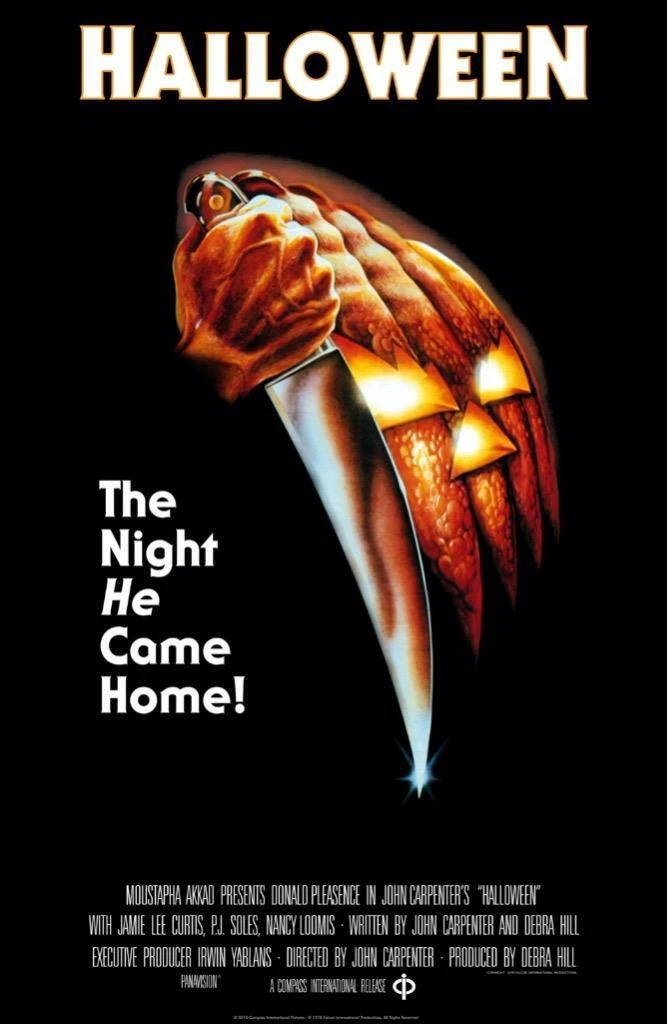
Halloween poster
1978

#10 — Halloween

Box Office: $47.0M
GenreSlasher horror
DirectorJohn Carpenter
1978 Rank#10
Main Cast
  • Jamie Lee Curtis as Laurie Strode
  • Donald Pleasence as Dr. Loomis
  • P.J. Soles as Lynda
  • Nancy Kyes as Annie

Halloween closes the 1978 top 10 with one of the most commercially important horror breakthroughs ever made. It doesn’t look expensive. It doesn’t behave like prestige. It doesn’t need giant stars. What it has is precision: a shape in the distance, suburbia turned hostile, a synth score that feels like your nerves being tapped with a hammer, and a premise simple enough to become legend.

What makes the movie matter in 1978 is not just that it was a hit. It’s that it showed how much terror you could wring from restraint. Carpenter understands that the audience will do a lot of the work for him if the rhythm is right. The blankness of Michael Myers is part of the design. He isn’t interesting because he has depth. He’s interesting because he feels like death walking through normal space.

In the commercial story of 1978, Halloween matters because it proves low-budget horror could become a mainstream box-office force with the right hook, tone, and execution. It doesn’t just succeed. It opens a lane.

For Gen X, this is one of the primal sleepover, cable, and VHS titles that permanently taught a generation to side-eye dark hallways.
Fun Fact / Why It Still Matters The film still matters because it helped define the modern slasher template while proving small-scale horror could deliver massive commercial impact.
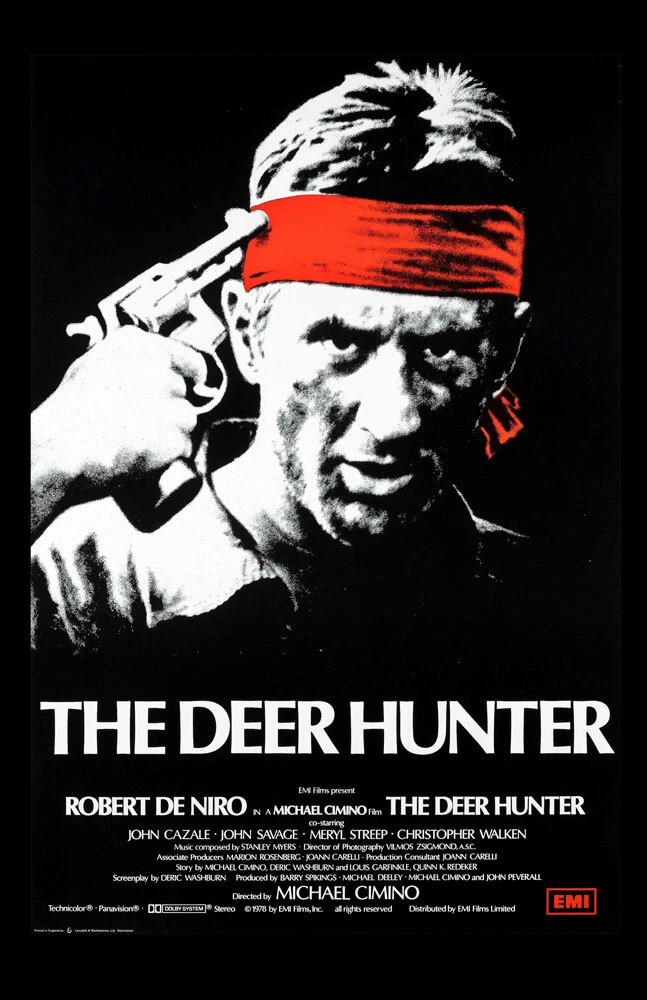
The Deer Hunter poster
1978

#9 — The Deer Hunter

Box Office: $49.0M
GenreWar drama
DirectorMichael Cimino
1978 Rank#9
Main Cast
  • Robert De Niro as Michael
  • Christopher Walken as Nick
  • John Savage as Steven
  • Meryl Streep as Linda

The Deer Hunter landing at number nine is one of the clearest reminders that 1978 still had room for big, difficult, emotionally scarring adult cinema in the mainstream conversation. This is not a “war movie” in the simple sense. It’s about friendship, ritual, class, masculinity, trauma, national damage, and the way violence keeps living in people long after the event itself is over.

The movie is huge in emotional scale, and that size is part of why it hit. It doesn’t feel neat or polite. It feels like it wants to leave marks. Cimino takes his time with the working-class Pennsylvania world early on because the point is not only the war. The point is what kind of communal life gets shattered when the war arrives and what kind of emptiness returns afterward.

In the commercial story of 1978, The Deer Hunter matters because it proves serious, punishing prestige drama could still carve out major theatrical space in a market increasingly filled with broader crowd-pleasers.

For Gen X, this became one of those “important movie” titles that actually carries the weight its reputation promises.

Fun Fact / Why It Still Matters The film still matters because it remains one of the defining cinematic portraits of war trauma and the psychic damage that follows men home.
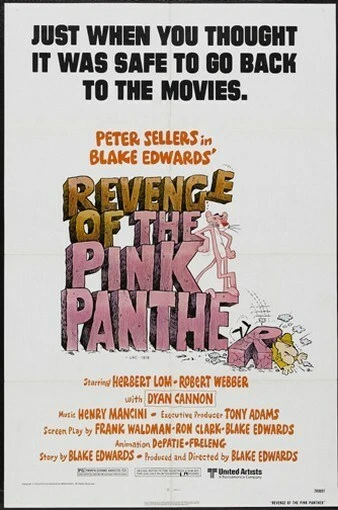
Revenge of the Pink Panther poster
1978

#8 — Revenge of the Pink Panther

Box Office: $49.6M
GenreComedy mystery
DirectorBlake Edwards
1978 Rank#8
Main Cast
  • Peter Sellers as Inspector Clouseau
  • Herbert Lom as Chief Inspector Dreyfus
  • Burt Kwouk as Cato
  • Dyan Cannon as Simone Legree

Revenge of the Pink Panther at number eight is another sign that by the late 70s a familiar comic persona could function almost like comfort food with a theatrical upside. Peter Sellers’ Clouseau had become one of those rare screen inventions who could survive sequel logic because the engine wasn’t the plot. The engine was the performance.

Blake Edwards knows exactly what kind of world this is supposed to be: elegant surfaces, escalating disasters, people trying to maintain dignity while Clouseau detonates the room around them. That predictability is not a weakness. It’s the promise being fulfilled.

In the commercial story of 1978, the film matters because it shows how durable character-driven franchise comedy still was even as bigger event-movie models were taking over more cultural real estate.

For Gen X, Clouseau is one of those TV-immortal characters who always seemed to already exist, no introduction required.

Fun Fact / Why It Still Matters The film still matters because it demonstrates how long a single great comic character can keep paying off when the timing and tone stay intact.
Jaws 2 poster
1978

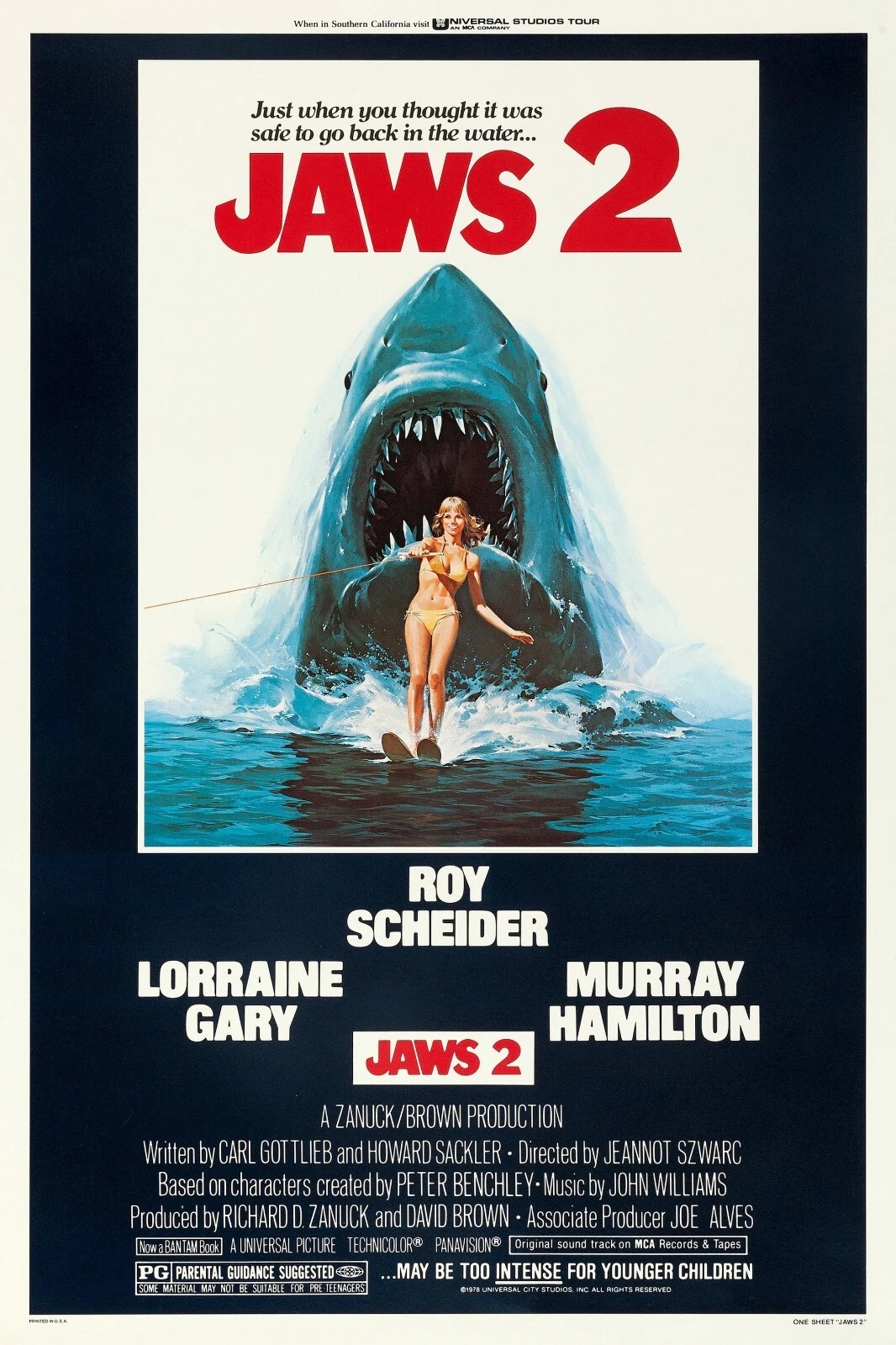
#7 — Jaws 2

Box Office: $77.7M
GenreThriller / horror sequel
DirectorJeannot Szwarc
1978 Rank#7
Main Cast
  • Roy Scheider as Brody
  • Lorraine Gary as Ellen Brody
  • Murray Hamilton as Mayor Vaughn
  • Joseph Mascolo as Len Peterson

Jaws 2 at number seven is one of those useful sequel success stories because it shows how quickly Hollywood understood the value of replicable fear. Once audiences had been trained to look at water differently, there was obvious money in trying to do it again.

The sequel doesn’t have the same lightning-strike cultural power as the original, but that’s not really the point here. The point is industrial. The movie proved that an event thriller could become a reusable commercial brand. That lesson matters enormously once you start thinking about what Hollywood would become in the next decade.

In the commercial story of 1978, Jaws 2 matters because it confirms that the post-1975 marketplace was now structured around recognizable properties and repeatable anxiety.

For Gen X, it sits in the big basket of sequels you absolutely watched if it was on, even while knowing the first movie was the real deity.

Fun Fact / Why It Still Matters The film still matters because it helped show that blockbuster fear could be franchised, for better or worse.
Hooper poster
1978

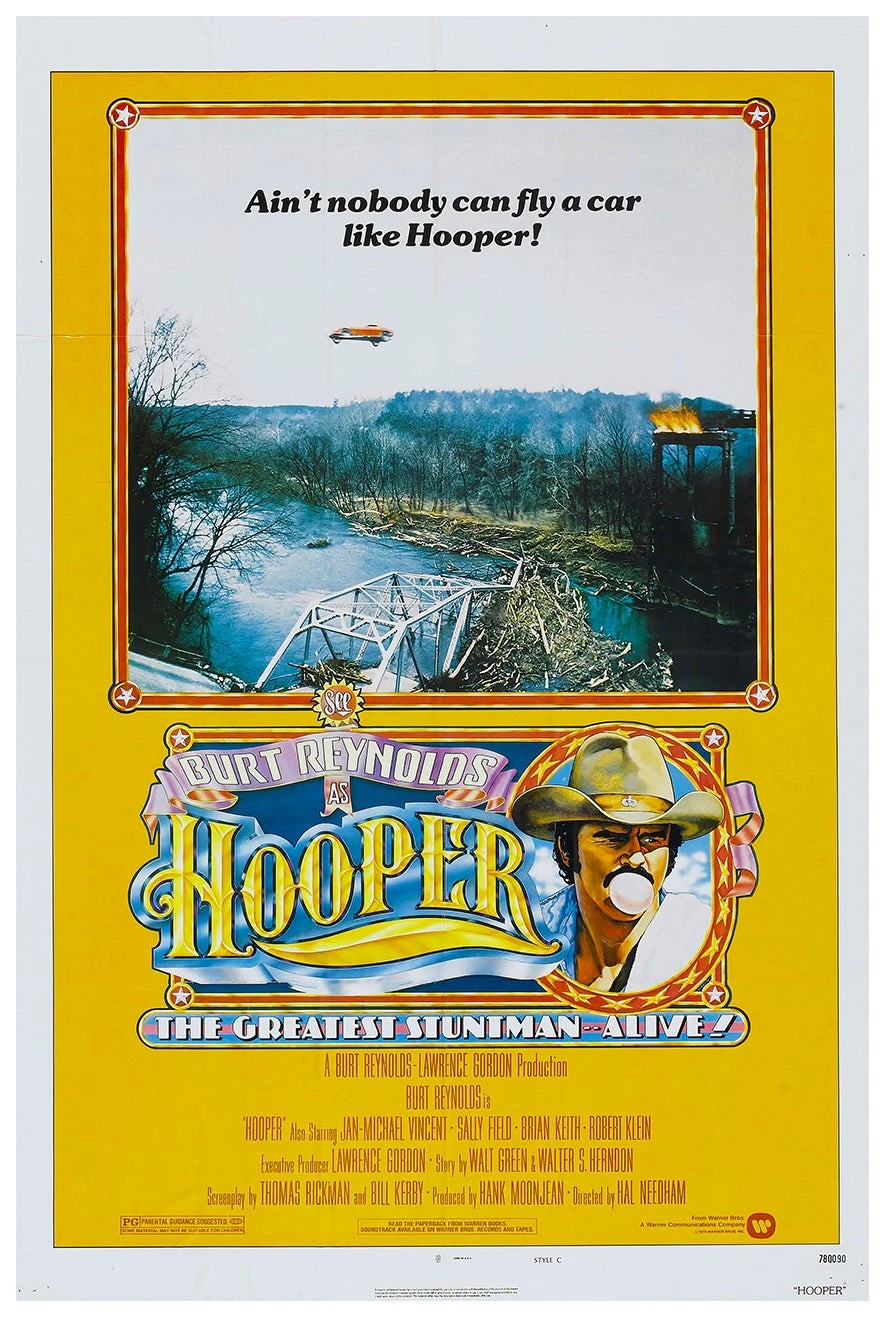
#6 — Hooper

Box Office: $78.0M
GenreAction comedy
DirectorHal Needham
1978 Rank#6
Main Cast
  • Burt Reynolds as Sonny Hooper
  • Jan-Michael Vincent as Ski
  • Sally Field as Gwen Doyle
  • Brian Keith as Cappy

Hooper at number six is peak Burt Reynolds-era confidence: stunts, charm, self-mockery, camaraderie, and a whole movie built around the pleasure of watching movie masculinity be both celebrated and gently roasted. That reflexive quality is part of the fun. It knows the stuntman myth is ridiculous and cool at the same time.

Hal Needham’s background matters because the movie genuinely loves the physical craft on display. It’s not just action as decoration. It’s action as trade pride. That gives the film a slightly rougher, more lived-in texture than a lot of glossier studio packages.

In the commercial story of 1978, Hooper matters because it shows just how bankable Reynolds remained and how valuable behind-the-scenes Hollywood mythology could be when sold with enough swagger.

For Gen X, this is one of those very specific late-70s star vehicles that now feels like pure time-capsule cool.

Fun Fact / Why It Still Matters The film still matters because it turns stunt work and movie-star swagger into one of the most distinctly late-70s commercial entertainments around.
Heaven Can Wait poster
1978

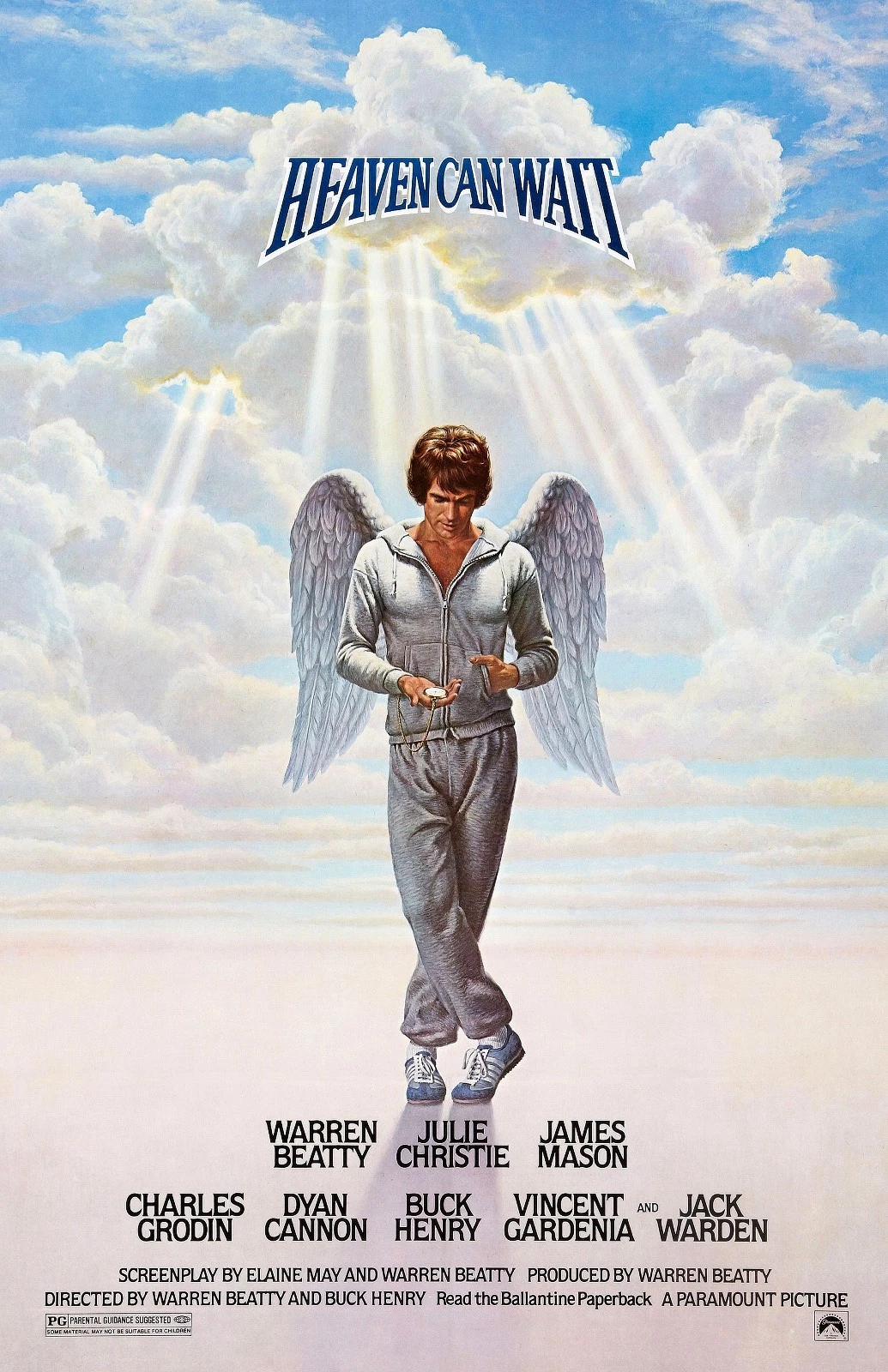
#5 — Heaven Can Wait

Box Office: $81.6M
GenreFantasy romantic comedy
DirectorWarren Beatty & Buck Henry
1978 Rank#5
Main Cast
  • Warren Beatty as Joe Pendleton / Leo Farnsworth
  • Julie Christie as Betty Logan
  • James Mason as Mr. Jordan
  • Charles Grodin as Tony Abbott

Heaven Can Wait at number five is one of those hits that reminds you how effortlessly the late 70s could still sell polished adult fantasy with a romantic, sophisticated sheen. The premise is high-concept, but the movie never feels desperate to oversell it. It trusts charm, elegance, and emotional lightness to do the work.

Warren Beatty is central because the whole film is built around his particular style of screen magnetism: cool, amused, handsome, slightly distant, but never fully emotionally unavailable. The supernatural plot is fun, but what keeps the movie afloat is that it feels comfortable being gracious.

In the commercial story of 1978, Heaven Can Wait matters because it proves there was still tremendous audience appetite for upscale mainstream entertainment that wasn’t based on brute-force spectacle.

For Gen X, it became one of those cable-era discoveries that quietly teaches you grown-up fantasy comedies can have real style.

Fun Fact / Why It Still Matters The film still matters because it’s a sleek example of star-driven fantasy romance playing huge without losing its sophistication.
Every Which Way but Loose poster
1978

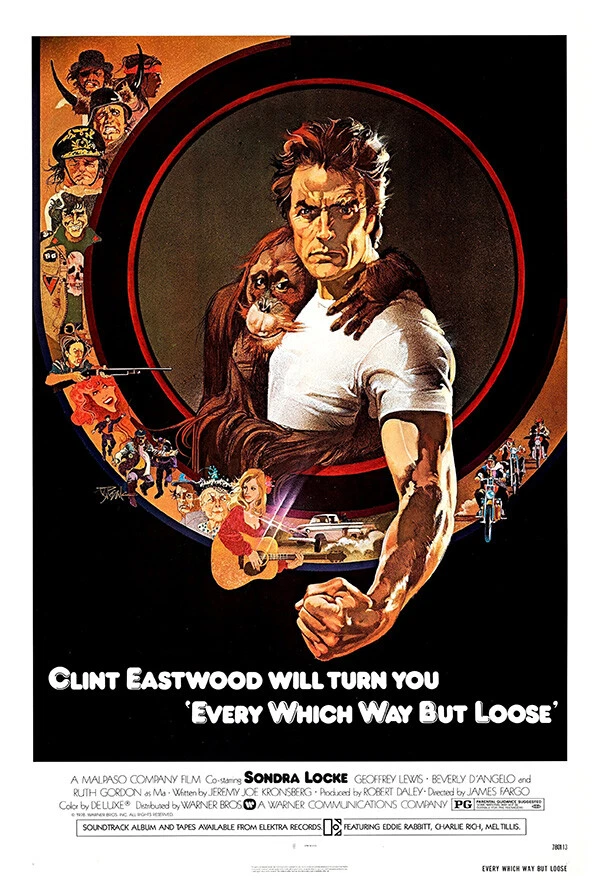
#4 — Every Which Way but Loose

Box Office: $85.2M
GenreAction comedy
DirectorJames Fargo
1978 Rank#4
Main Cast
  • Clint Eastwood as Philo Beddoe
  • Sondra Locke as Lynn Halsey-Taylor
  • Geoffrey Lewis as Orville Boggs
  • Manis the Orangutan as Clyde

Every Which Way but Loose at number four is one of those rankings that perfectly illustrates why release-year box office is so much fun. Clint Eastwood, fistfights, country flavor, truck-stop energy, and an orangutan should not necessarily add up to one of the biggest hits of the year. And yet, absolutely, they did.

The film works because it understands Eastwood’s image well enough to bend it without breaking it. He’s still cool, still dangerous, still taciturn, but now the movie invites him into a broader, weirder, more comic lane. That novelty clearly played.

In the commercial story of 1978, Every Which Way but Loose matters because it proves that late-70s audiences had enormous appetite for rural-populist, star-driven comedy with a slightly ridiculous hook.

For Gen X, this is one of those titles that sounds fake if you say it too slowly and yet was undeniably a real cultural object your parents probably watched without irony.

Fun Fact / Why It Still Matters The film still matters because it’s one of the strangest and most successful examples of a major star swerving hard into broad populist comedy.
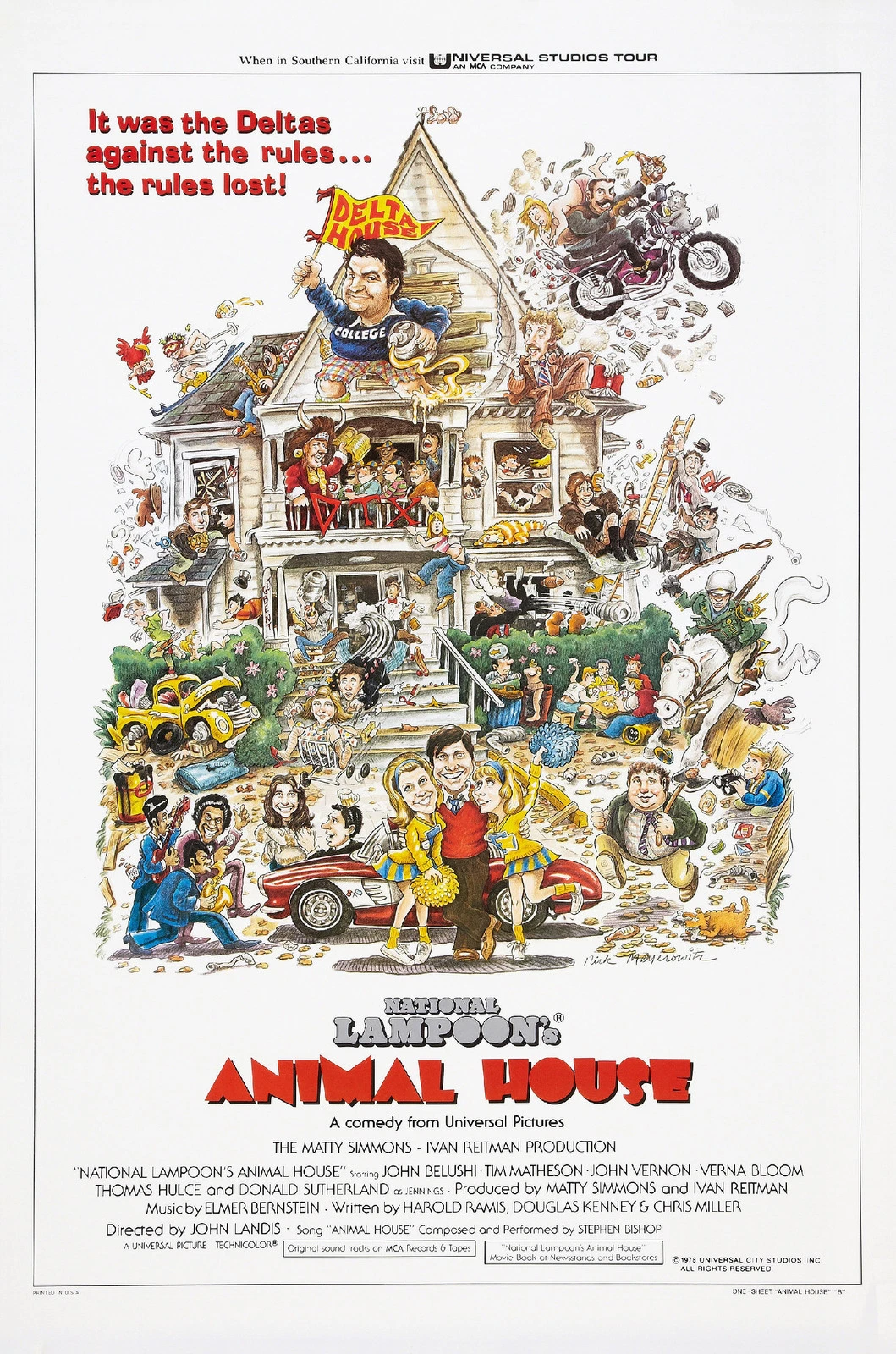
National Lampoon's Animal House poster
1978

#3 — National Lampoon’s Animal House

Box Office: $120.1M
GenreComedy
DirectorJohn Landis
1978 Rank#3
Main Cast
  • John Belushi as Bluto
  • Tim Matheson as Otter
  • Peter Riegert as Boon
  • Karen Allen as Katy

Animal House at number three is one of the big commercial revolutions hiding in plain sight. It doesn’t just succeed as a comedy. It changes the temperature of American movie comedy by proving that anarchic, rude, chaotic, youth-skewing misbehavior could become massive mainstream business.

John Belushi becomes a kind of comic demolition device here, but the movie’s real power is structural. It doesn’t care about dignity. It doesn’t care about respectability. It cares about escalation, tribe energy, and the thrill of seeing institutions mocked into powder.

In the commercial story of 1978, Animal House matters because it opens the door for an enormous amount of later studio comedy. You can argue with what came after, but you can’t miss the template being stamped.

For Gen X, this became one of the permanent reference-point comedies, even for people who didn’t attend a single fraternity party in their lives.

Fun Fact / Why It Still Matters The film still matters because it helped redefine mainstream American screen comedy as louder, raunchier, and far more anti-authority.
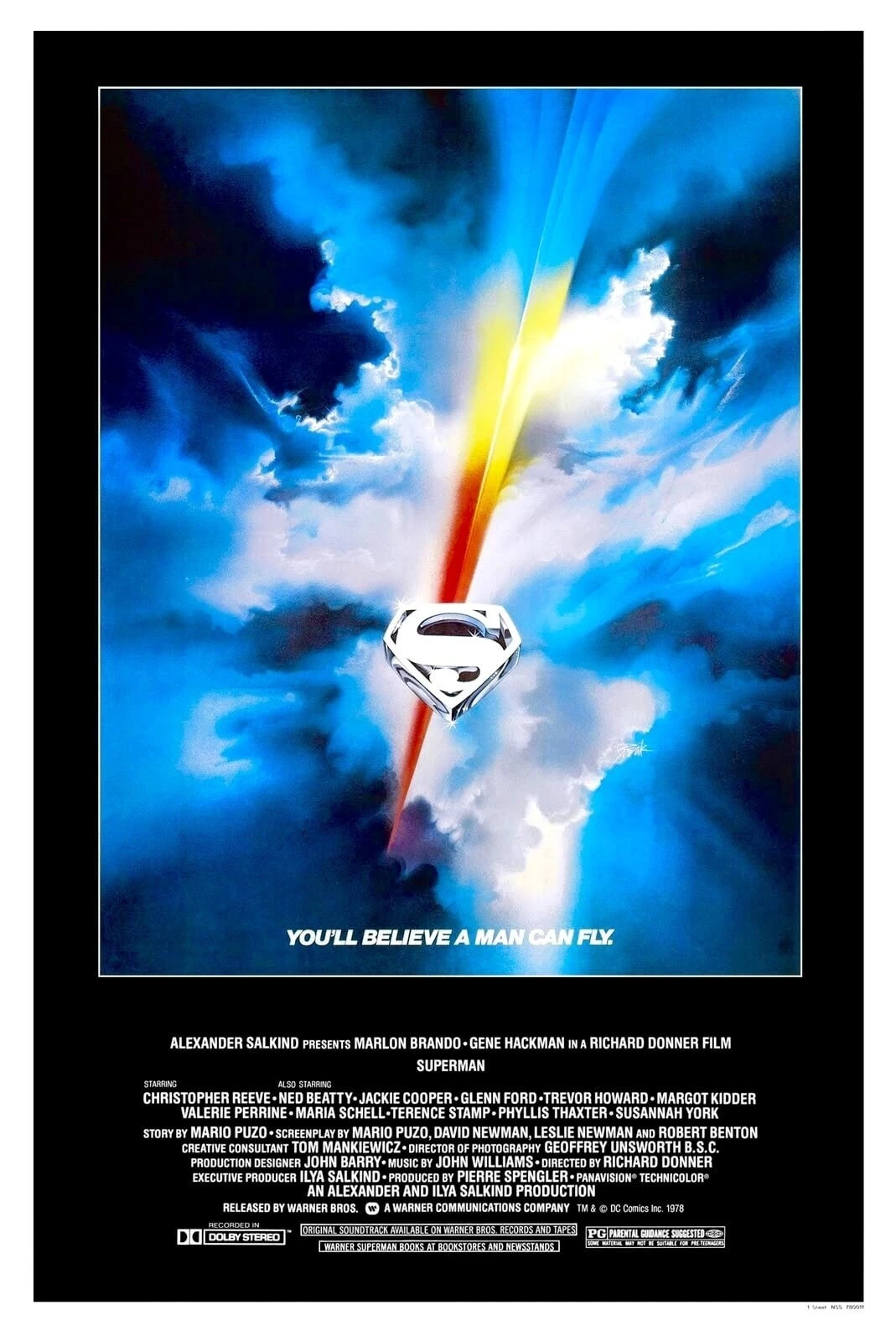
Superman poster
1978

#2 — Superman

Box Office: $134.2M
GenreSuperhero adventure
DirectorRichard Donner
1978 Rank#2
Main Cast
  • Christopher Reeve as Superman / Clark Kent
  • Margot Kidder as Lois Lane
  • Gene Hackman as Lex Luthor
  • Marlon Brando as Jor-El

Superman at number two is one of the giant historical marker movies. It is not the first comic-book adaptation, but it is one of the foundational “this is how big and sincere superhero cinema can feel” statements. The film’s key move is that it takes the material seriously without becoming humorless.

Christopher Reeve is the secret weapon. He makes the dual identity work so effortlessly that the movie’s fantasy snaps into place. The film sells wonder, decency, romance, scale, and myth without acting embarrassed about any of it. That lack of embarrassment is crucial.

In the commercial story of 1978, Superman matters because it lays down a blueprint for future superhero blockbusters long before the genre becomes a permanent industrial empire.

For Gen X, this is one of the purest examples of superhero cinema as actual movie magic rather than mere IP management.

Fun Fact / Why It Still Matters The film still matters because it helped prove that superhero stories could be treated with scale, sincerity, and wonder and still become enormous hits.
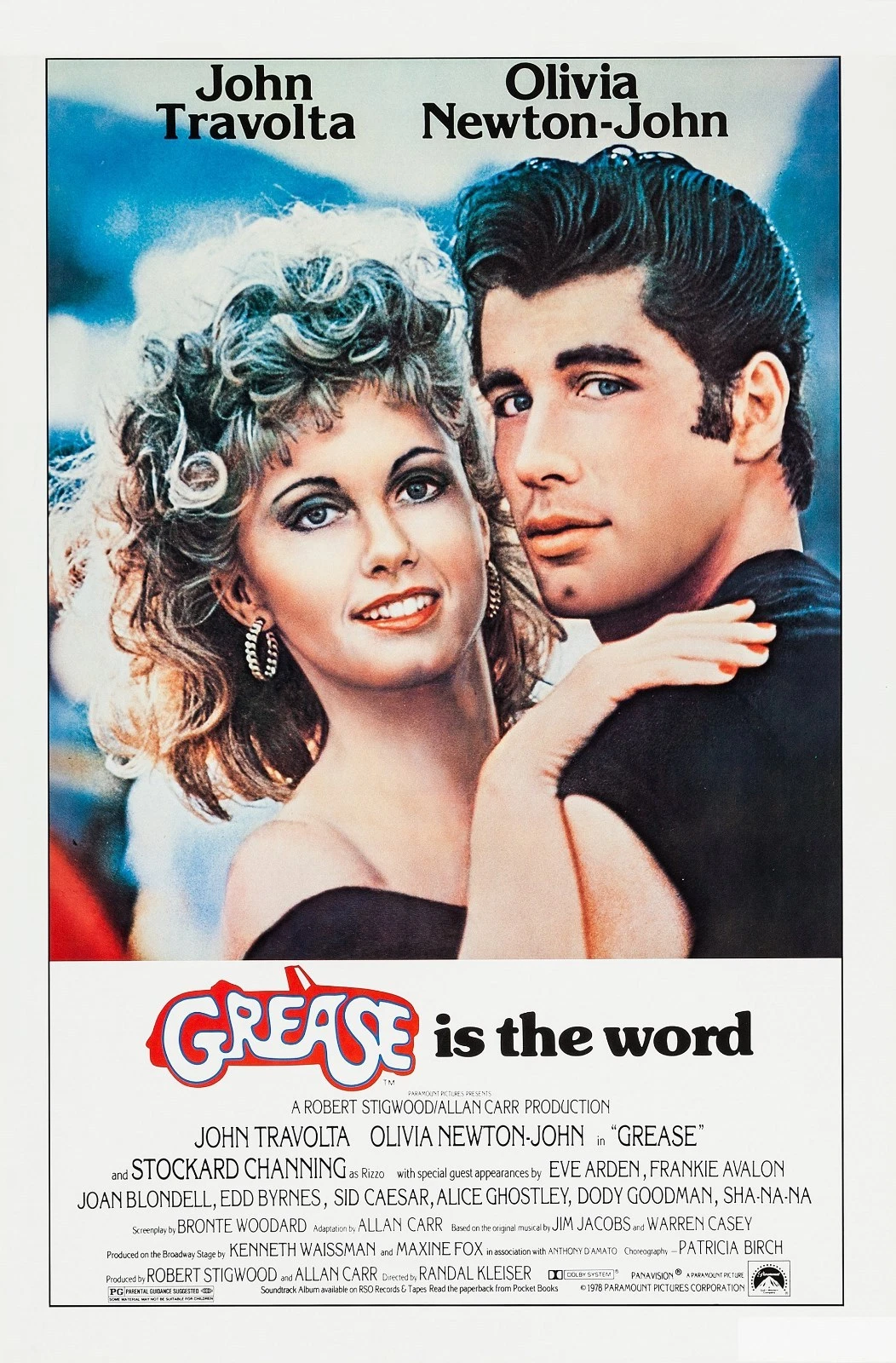
Grease poster
1978

#1 — Grease

Box Office: $160.0M
GenreMusical romance
DirectorRandal Kleiser
1978 Rank#1
Main Cast
  • John Travolta as Danny Zuko
  • Olivia Newton-John as Sandy
  • Stockard Channing as Rizzo
  • Jeff Conaway as Kenickie

Grease taking the top spot is one of those results that tells you a lot about late-70s America all at once. Nostalgia had become marketable, music had become a gigantic commercial accelerator, and audiences were more than happy to buy a polished, sexy, candy-colored version of teenage memory whether or not it had much to do with actual 1950s reality.

The movie works because it understands that feeling beats authenticity. The songs are huge, the cast is ridiculously charismatic, the imagery is instantly reproducible, and the whole thing moves with an almost weaponized accessibility. It doesn’t ask to be decoded. It asks to be loved, replayed, quoted, and sung.

In the commercial story of 1978, Grease matters because it proves that nostalgia could become blockbuster fuel when fused with pop music, movie-star appeal, and a simple enough emotional frame.

For Gen X, it became less a movie than a permanent cultural object: soundtrack, costumes, school performances, TV reruns, and shorthand for an entire glossy fantasy of youth.

Fun Fact / Why It Still Matters Grease still matters because it turned nostalgia and pop music into one of the most durable mass-audience movie experiences of the era.

Rewind Verdict

The top 10 movies of 1978 are one of the best examples of the late 70s refusing to be reduced to one story. Yes, the blockbuster era is clearly in motion. Yes, the biggest hits are broad, confident, and highly marketable. But the same list still makes room for grim war trauma, slasher invention, Pink Panther farce, Eastwood-and-an-orangutan nonsense, and a frat comedy that basically arrives with a battering ram.

What makes the year especially interesting is how different kinds of mainstream success still look. Grease wins with nostalgia and music. Superman wins with myth and wonder. Animal House wins with chaos. The Deer Hunter wins with pain. Halloween wins with pure stripped-down dread.

For Smells Like Gen X, 1978 feels like one of the key years where mass culture gets shinier, but not safer. The multiplex is growing up, but it’s still got bad habits. That’s part of what makes it so much fun to revisit.

FAQ: Top Movies of 1978

What was the highest-grossing 1978 release at the North American box office?

Grease finished as the biggest North American hit among films first released in 1978.

Was Superman really that huge in 1978?

Yes. Superman was the second-biggest North American release-year hit of 1978 and became one of the key early superhero blockbusters.

Why use release-year grosses instead of calendar-year totals?

Because release-year grosses keep the list focused on movies first released in 1978 rather than mixing them with earlier holdovers still earning money during the same calendar period.

Why is Halloween in the top 10 if it was a lower-budget horror movie?

Because it broke out theatrically in a major way and became one of the year’s biggest North American release-year hits despite its much smaller scale.

What makes the 1978 lineup so memorable?

Its range. The year gives you a giant musical, a superhero landmark, raunch comedy, Eastwood weirdness, celestial fantasy, shark sequel business, prestige war pain, and slasher history all in the same top 10.

Get the Weekly Gen X Drop

New videos, rewinds, and savage nostalgia — first.

JOIN THE NEWSLETTER WATCH VIDEOS

MORE REWINDS