#10 — Game Boy
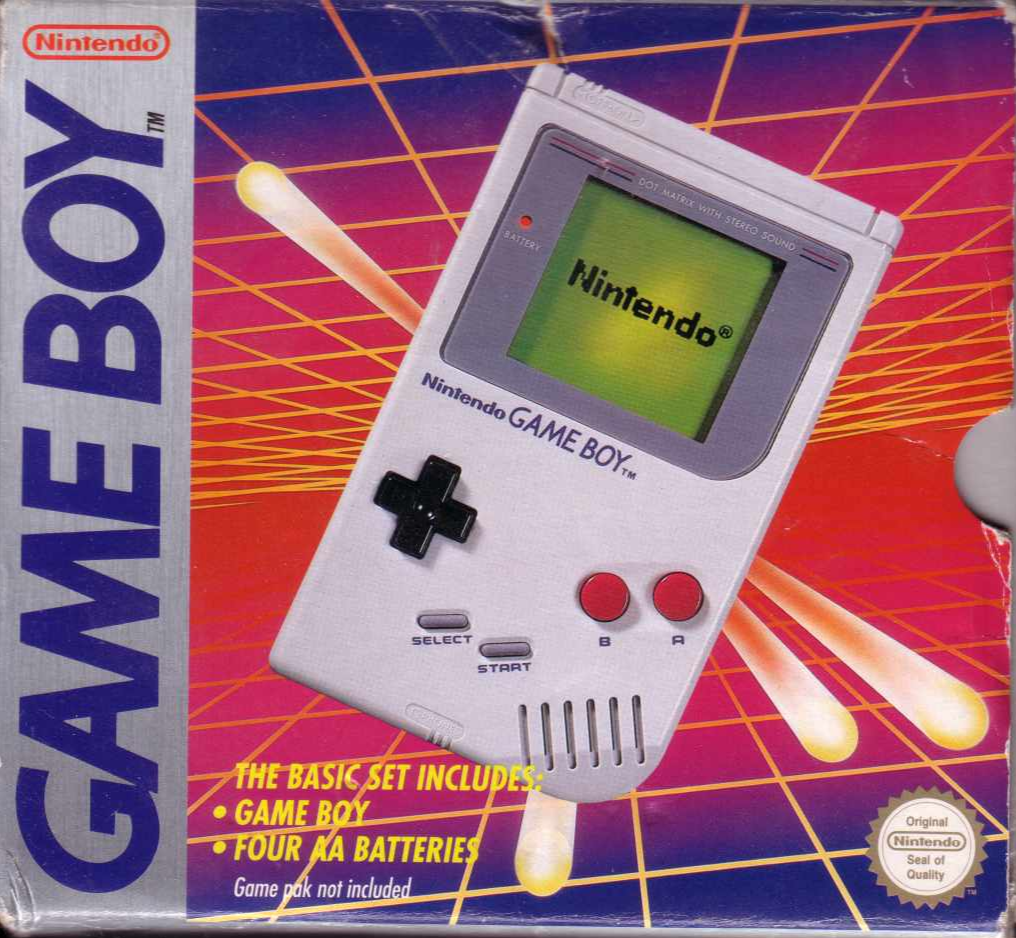
Portable Future SignalGame Boy opens the 1989 top 10 because it represents one of the year’s biggest structural shifts, even if it lands lower on a stricter sales-weighted chart than its later legacy might suggest. That’s important to be honest about. In long-term cultural memory, Game Boy can feel like one of the defining products of 1989. But if you anchor the ranking to the strongest late-year toy-chart evidence, it makes more sense to place it as the big late-arriving future signal rather than instantly crowning it above the more firmly charted holiday leaders.
What makes Game Boy so powerful in 1989 is not just that it sells. It changes the geography of play. Earlier Nintendo dominance still tethered children to the television and to a shared household device. Game Boy loosens that. It suggests that the next era of gaming may be private, portable, and available anywhere. That is a huge conceptual jump. Suddenly, the most exciting object in the room doesn’t need the room.
It also benefits from the sheer clarity of the promise. This isn’t some overcomplicated late-80s tech fantasy. It’s very direct: the Nintendo experience, but in your hands. That makes it one of the cleanest evolutions of an already dominant brand strategy. Once a company owns the center of play, the obvious next move is to make that center mobile.
For Gen X, Game Boy in 1989 feels like the first clear sign that the 90s are already arriving through the side door. It still belongs to the Nintendo era, but it also points past the decade that built it.