Top Toys of 1976: Stretch Armstrong, Evel Knievel and Bionic Toy Mania

Top Toys of 1976: Stretch Armstrong, Evel Knievel and Bionic Toy Mania
Smells Like Gen X • 1976 Toy Rewind

Top Toys of 1976 Stretch Armstrong, Evel Knievel and Bionic Toy Mania

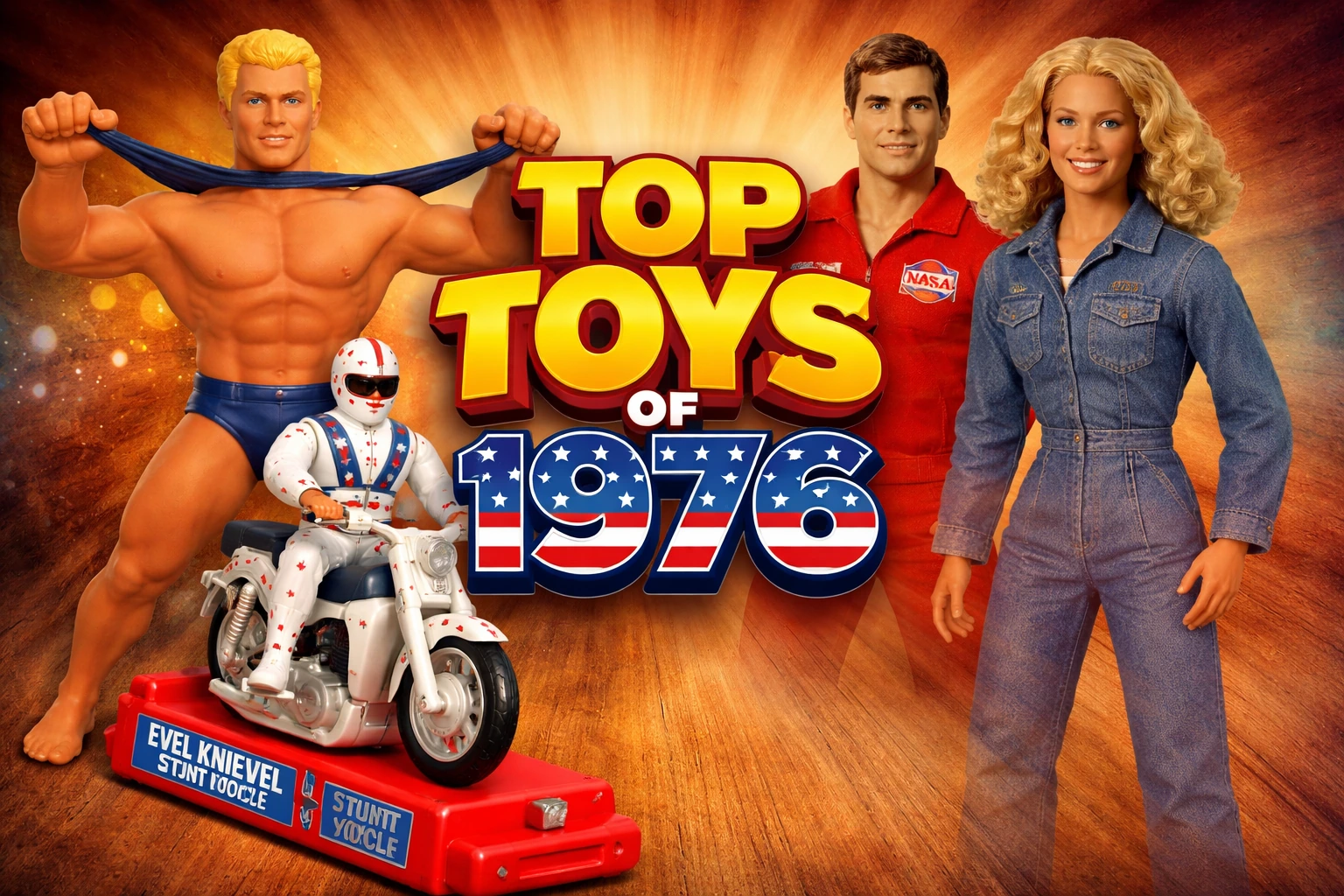
In 1976, the toy aisle stopped merely sitting there and started demanding a demonstration. We stretched the figure, cranked the launcher, revealed the bionic feature and gathered everybody around like one piece of plastic had just booked a network special.

This countdown revisits the ten toys that best capture that year—from Stretch Armstrong and the Evel Knievel Stunt Cycle to bionic television heroes, Baby Alive, Connect Four, Barbie, Hot Wheels, Play-Doh and Weebles.

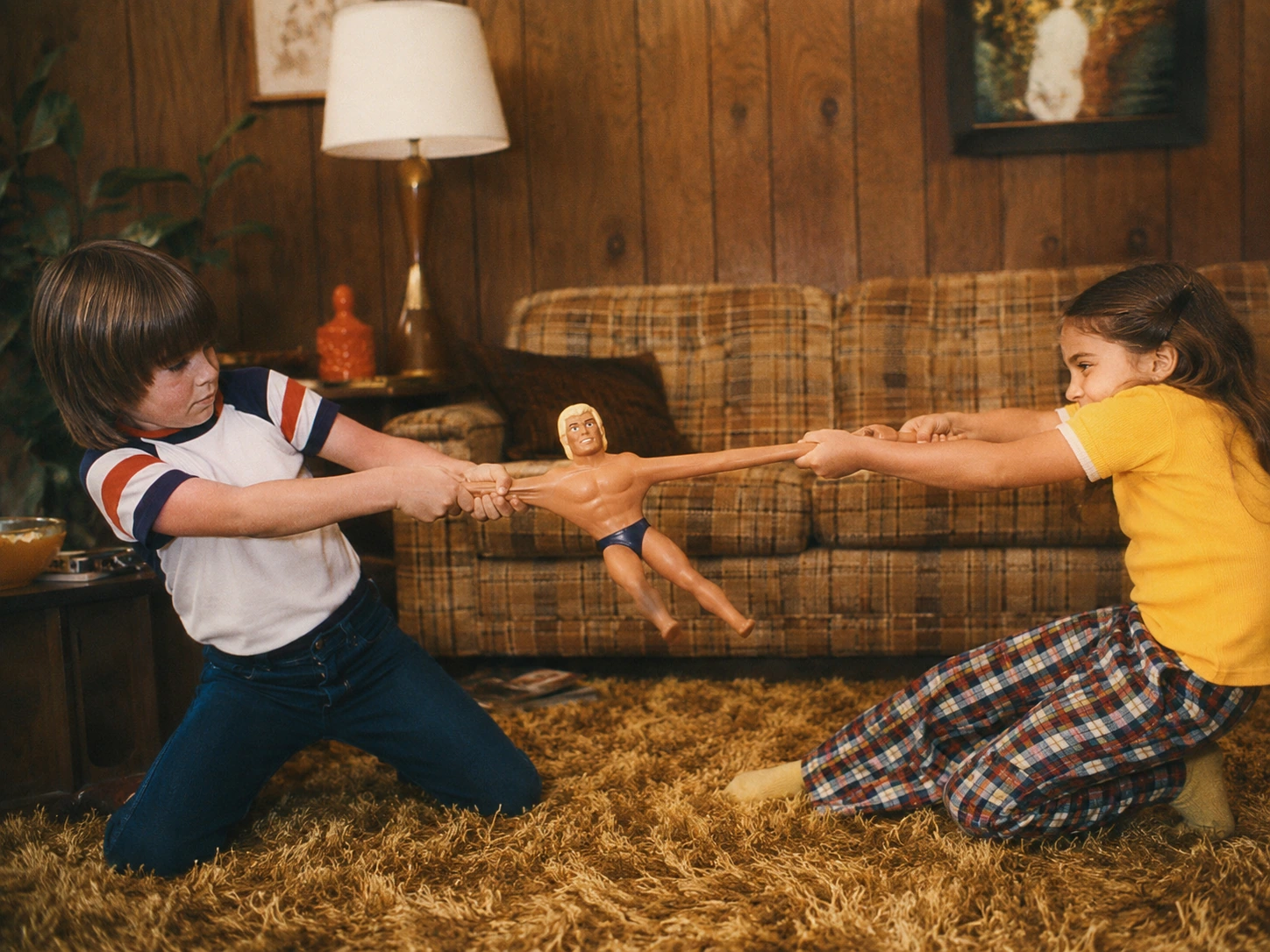
Children stretching a vintage-style Stretch Armstrong toy in a 1970s living room The #1 Toy of 1976 Stretch Armstrong The heavy rubber figure that turned one bizarre physical feature into a full living-room event—and eventually a household science project.
The Fast Answer

What Were the Most Popular Toys of 1976?

The top toys of 1976 were Stretch Armstrong, Evel Knievel Stunt Cycle, The Bionic Woman, The Six Million Dollar Man, Baby Alive, Connect Four, Barbie, Hot Wheels, Play-Doh and Weebles. Stretch Armstrong ranks #1 because no other toy captures the year’s “show everybody what this does” energy quite as perfectly.

I remember 1976 toys as physical arguments. Somebody always claimed Stretch could go farther, Evel could clear a bigger ramp or the bionic feature was cooler than whatever you had. Naturally, the only responsible response was another test.
The Toy Had to Perform

Why 1976 Toys Felt Different

The early 70s still lived inside 1976. Kids wanted tactile toys, direct control and enough open space to invent the rest. But the strongest new products were becoming easier to sell in one television close-up. A toy needed a visible action: stretch, launch, feed, reveal, drop a checker or send a car through another piece of orange track.

Television identity mattered more too. The Bionic Woman and Six Million Dollar Man toys arrived with stories already installed because the whole family knew the characters. That did not eliminate open-ended play, but it changed the sales pitch. The toy no longer had to explain who the hero was; it had to prove that the plastic version could do something memorable.

This is also where the decade begins leaning toward the louder toy economy that would follow. The big media universes were not fully in control yet, and electronic toys were still announcing themselves with primitive beeps, but the aisle was learning how much power lived in a strong character, a clean gimmick and a commercial that could show the whole thing in thirty seconds.

From #10 to the Toy That Defined the Year

Countdown: The Best Toys of 1976

This is where the list slows down and the memories get specific—the sound of plastic wheels, the feel of Stretch’s rubber skin, the Stunt Cycle launcher, the bionic features and the small domestic routines that made Baby Alive feel less like a doll and more like a tiny assignment.

Weebles
1976

#10 — Weebles

Preschool Stability in a Stunt-Crazy Year
Toy TypeRoly-poly preschool toy
Brand LanePreschool personality play
1976 Rank#10

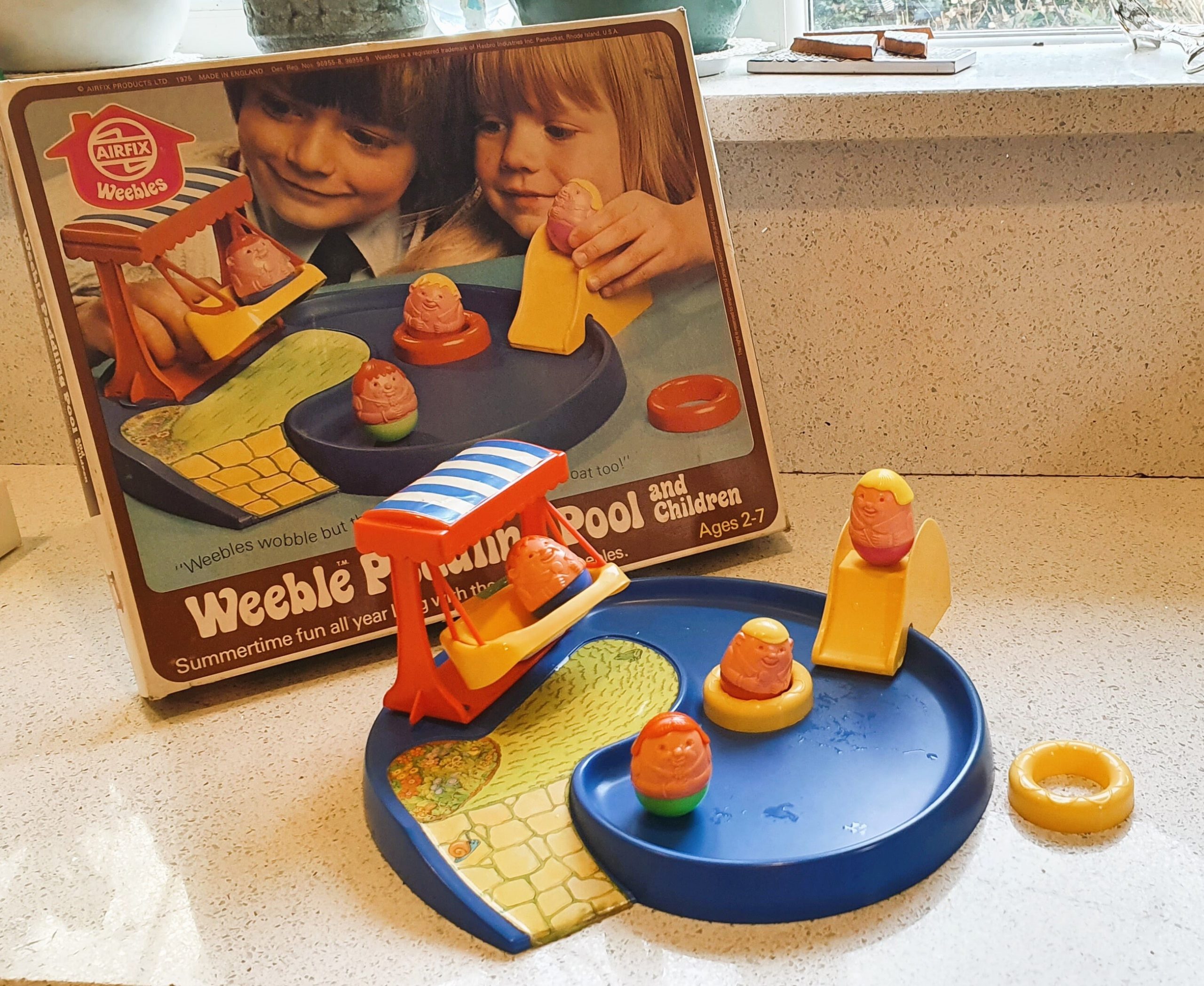
Weebles stay on the list because 1976 may be the year of stretching, launching, and bionic feature reveals, but the toy aisle still needs products for kids who are not yet trying to stunt-jump a plastic daredevil off the coffee table. Weebles continue to work because the physical gimmick is simple, immediate, and weirdly satisfying. Push them over, watch them recover, repeat until somebody quotes the slogan.

What makes them especially useful in a 1976 ranking is contrast. They are the opposite of the year’s louder hits. They do not need a commercial full of drama or a big media hook. They just need a child, a flat surface, and the basic human appreciation for tiny objects that refuse to stay down.

That staying power says something about toy design in general. Even in years dominated by cultural crazes and highly marketable gimmicks, there is still room for a product that is honest about what it is. Weebles remain good because the play loop is clear, sturdy, and almost impossible to overcomplicate.

Weebles also fit the larger 70s Toys Hub story because they show how small character worlds, simple physical gimmicks, and preschool-friendly play patterns stayed powerful even as the toy aisle got louder.
Fun Fact / Why It Still Matters Weebles lasted because great preschool toys often come down to one memorable behavior executed perfectly.
Play-Doh
1976

#9 — Play-Doh

Soft Chaos Refusing to Leave
Toy TypeModeling compound
Brand LaneSensory creative play
1976 Rank#9

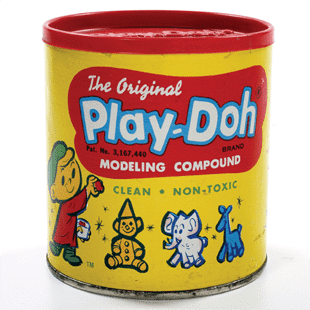
Play-Doh is still here because tactile play does not stop mattering just because the mid-70s get flashier. Kids still want to roll it, flatten it, mash it, cut it, and produce little lumpy creations that adults are expected to treat like museum pieces. The material itself remains the hook, which is why the brand keeps surviving every shift in the wider market.

In 1976, Play-Doh looks almost defiantly low-tech next to toys built around feature reveals and mechanical wow. That actually helps it. The toy does not pretend to be futuristic. It does not need a character license. It just offers direct physical satisfaction and the freedom to make something ridiculous, destroy it, and start over.

That kind of open-endedness gives it unusual resilience. A lot of toys from this period are remembered for one amazing thing they did. Play-Doh is remembered because it let kids do whatever they wanted — plus a little bit of unapproved carpet installation.

That soft chaos puts Play-Doh right inside Craft Kits Made a Mess, alongside Lite-Brite, Shrinky Dinks, Magna Doodle, paint, glue, yarn, plastic sheets, and all the evidence parents kept finding later.

Fun Fact / Why It Still Matters Play-Doh stayed strong because it never depended on a single theme. The compound itself was the experience.
Hot Wheels
1976

#8 — Hot Wheels

Track-Speed Mainstay
Toy TypeDie-cast cars and track system
Brand LaneCollect-and-race play
1976 Rank#8

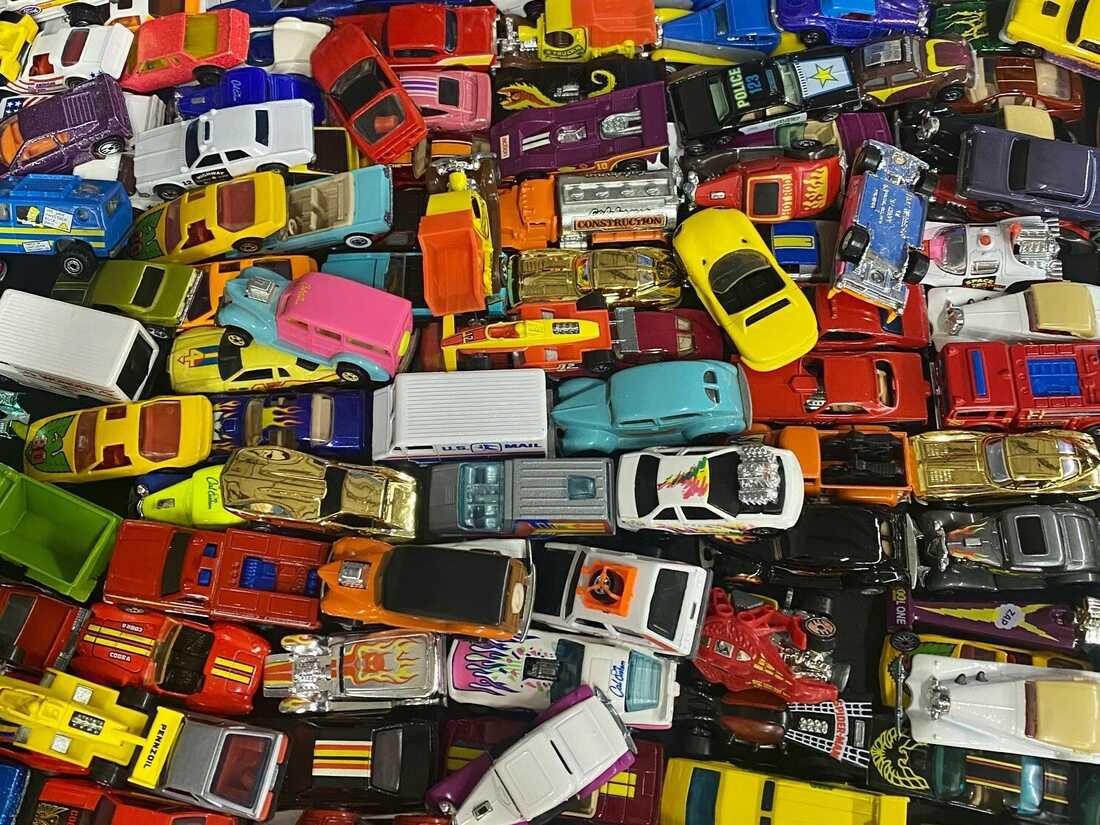
Hot Wheels remain a major force because they still balance desire and activity better than most toy lines ever manage. The cars are collectible enough to covet individually, but they become more exciting once the system comes out — the track, the launchers, the loops, the crashes, the floor becoming a transportation department that no adult signed off on.

What changes in 1976 is not their appeal but the kind of competition they face. Now they are up against toys with stronger media identities, bigger stunt energy, and more demo-friendly gimmicks. Hot Wheels still have spectacle, but 1976 is a year where many kids also want the toy that can headline the room rather than simply race across it.

Even so, they stay important because they anchor the decade’s love of repeatable physical play. The toy aisle can get smarter, stranger, and more aggressively marketed, but kids still enjoy sending little cars into unreasonable danger over and over again. Some traditions are sacred.

For the full die-cast, orange-track, Matchbox, Tonka, garage, ramp, and living-room road-system story, take the tiny cars into Carpet Cities & Tiny Roads.

Fun Fact / Why It Still Matters Hot Wheels lasted because the line worked both as a collection and as an activity, which is a rare and very durable combination.
Barbie
1976

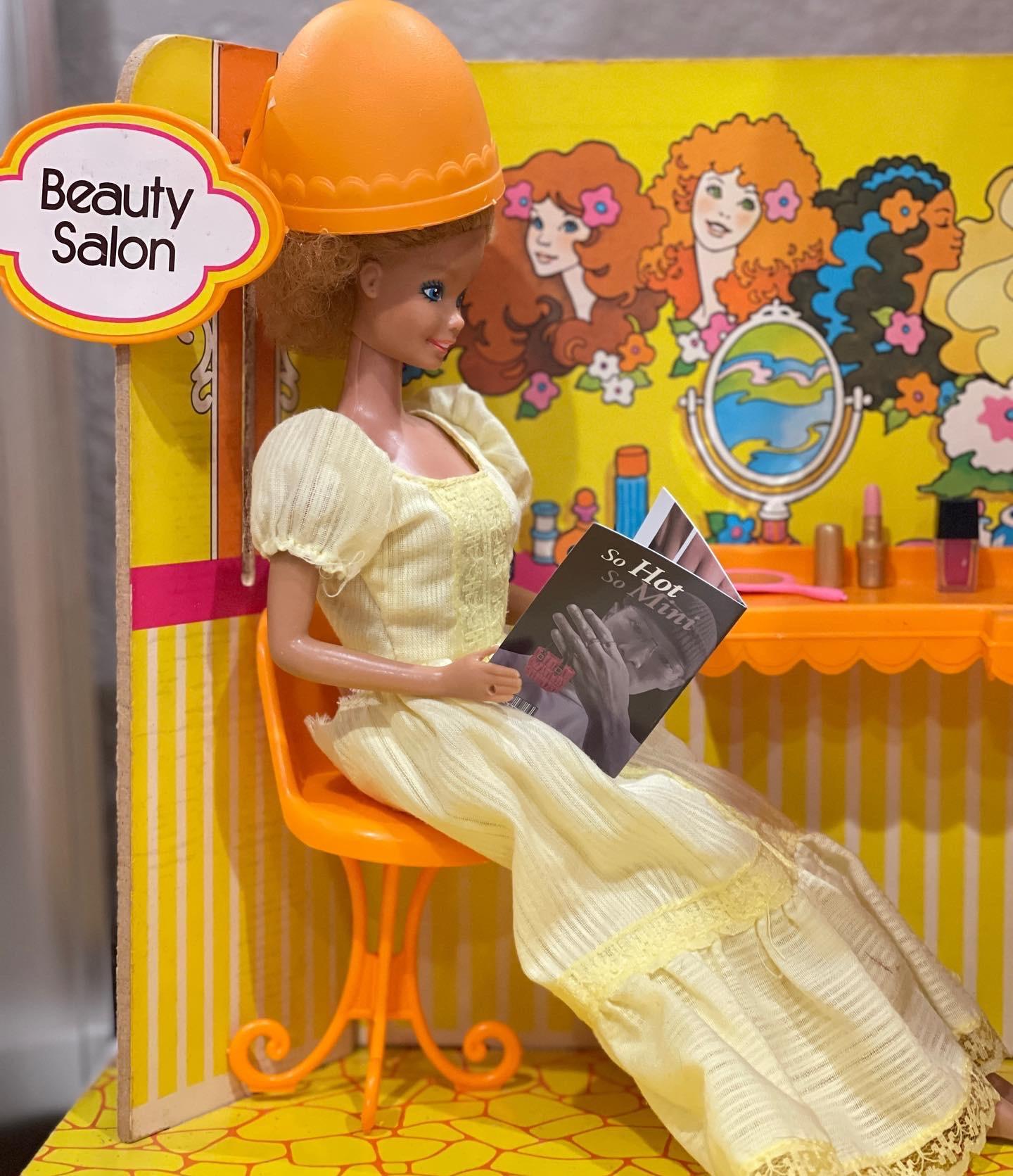
#7 — Barbie

Fashion World Still Running the Block
Toy TypeFashion doll line
Brand LaneLifestyle world-building
1976 Rank#7

Barbie remains in the ranking because by 1976 she is still operating as a whole ecosystem rather than a single toy. Outfits, roles, accessories, environments, social scenarios, aspiration, presentation — all of that makes Barbie harder to dislodge than one-off gimmick products, even in a year that loves a gimmick.

She lands lower here not because she is weak, but because 1976 is leaning harder into toys with a demonstration factor. Barbie still owns narrative and world-building, but the year’s loudest energy belongs to products that can stretch, jump, or visibly do something on command. That pushes her a little further from the center without removing her from the conversation.

Barbie also helps prove that the market is broadening rather than replacing itself. The mid-70s can make room for stunt toys and bionic action figures while still leaving a massive lane for fashion fantasy and social storytelling. That range is part of what makes the decade so interesting.

Barbie also belongs in the larger Dolls, Houses & Domestic Drama lane, where fashion play, dollhouses, tiny rooms, homemade accessories, and miniature soap-opera nonsense all live together on the carpet.

Fun Fact / Why It Still Matters Barbie stayed powerful because she was less a toy than an expandable platform for ongoing story and identity play.
Connect Four
1976

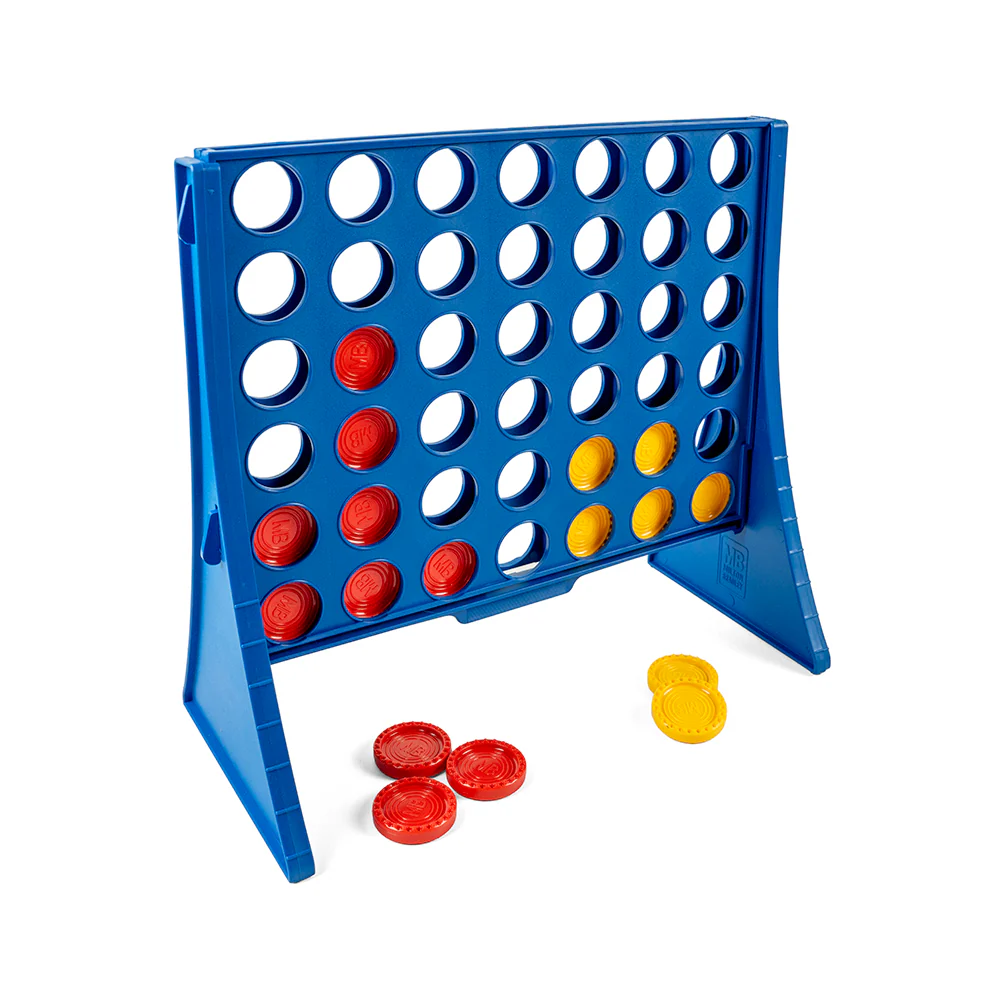
#6 — Connect Four

Fast Strategy With Household Range
Toy TypeStrategy game
Brand LaneQuick tabletop competition
1976 Rank#6

Connect Four stays high because it does what a lot of family games fail to do: it gets to the point. The rules are easy, the rounds are quick, the rematches are immediate, and the strategy is just deep enough to feel satisfying without requiring anyone to fake enthusiasm for a two-hour commitment.

In a 1976 toy landscape full of spectacle and television-tied action, Connect Four holds a different kind of power. It creates face-to-face competition that is compact, tidy, and endlessly replayable. It is one of the clearest examples of a toy fitting real household rhythms instead of demanding the whole house revolve around it.

It also says something about the year’s variety. Even when stunt toys and bionic dolls are stealing attention, a fast smart game can still rank because parents, siblings, and kids all actually use it. That practical replay value matters more than a lot of toy marketing would like to admit.

Connect Four also belongs in Board Games Took Over the Room, where quick rematches, family-table strategy, and plastic click-clack grudges all get the respect they deserve.

Fun Fact / Why It Still Matters Connect Four remained iconic because it made strategy feel instant instead of elaborate.
Baby Alive
1976

#5 — Baby Alive

Interactive Realism Still Hitting Hard
Toy TypeInteractive doll
Brand LaneRealistic caregiving play
1976 Rank#5

Baby Alive stays strong because the mid-70s are still very interested in toys that simulate life more actively. This is not just a doll you carry around and assign emotions to. It is a doll that asks for routine, attention, management, and the kind of practical involvement that makes pretend care feel more like an assignment with accessories.

That realism remains a big selling point in 1976. The toy aisle is getting increasingly feature-driven, and Baby Alive fits perfectly into that mood. It does not merely exist; it demonstrates a behavior pattern. That makes it more showable, more memorable, and more likely to feel special in a store or commercial.

It also reveals a broader trend in the decade: kids were being offered more immersive role-play, not just more objects. Baby Alive makes the child part of a process, and that process becomes the whole point. That is why it holds up even when the rest of the list gets more stunt-oriented and outwardly flashy.

Baby Alive belongs squarely in Dolls, Houses & Domestic Drama, because it turned doll play into a full caregiving routine with props, mess, and tiny household responsibility nobody asked to be this realistic.

Fun Fact / Why It Still Matters Baby Alive stood out because it turned doll play into a routine instead of just a scenario.
The Six Million Dollar Man
1976

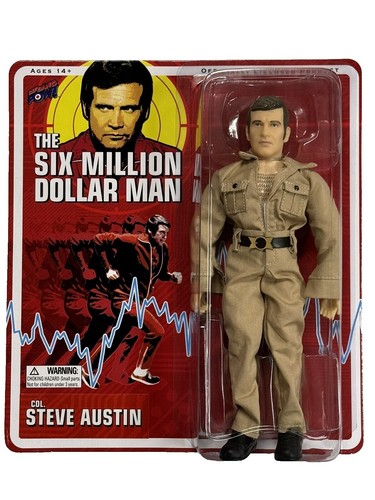
#4 — The Six Million Dollar Man

Bionic Hero Power Still Dominant
Toy TypeAction figure
1976 Rank#4

The Six Million Dollar Man remains near the top because 1976 is still very much inside the bionic craze. The line carries a huge advantage: kids are not being asked to imagine why the figure is cool. They already know. The TV connection, the recognizable hero, the features, and the whole cybernetic premise give the toy instant credibility.

What makes the line especially important in 1976 is that it shows how much stronger media-driven toy desire is getting. G.I. Joe-style open-ended adventure is still around in the culture, but Six Million Dollar Man feels more focused and more saleable. It comes preloaded with identity, narrative, and gadget appeal.

It also fits the year’s emphasis on demonstration. Bionic features are not passive. They are the sort of thing kids want to show off, explain, and compare. That makes the figure feel bigger than its size, because the toy comes with a built-in pitch.

In the longer story of the decade, it is one of the strongest examples of the toy aisle learning to fuse television popularity with mechanical play features. That combination becomes increasingly powerful from here on out, and it connects directly to the shared TV culture of 1976 television.

Fun Fact / Why It Still Matters The Six Million Dollar Man mattered because it married character recognition with toy features kids could actively demonstrate.
The Bionic Woman
1976

#3 — The Bionic Woman

TV Tie-In Precision With Major 1976 Energy
Toy TypeAction doll
Brand LaneTV-driven character play
1976 Rank#3

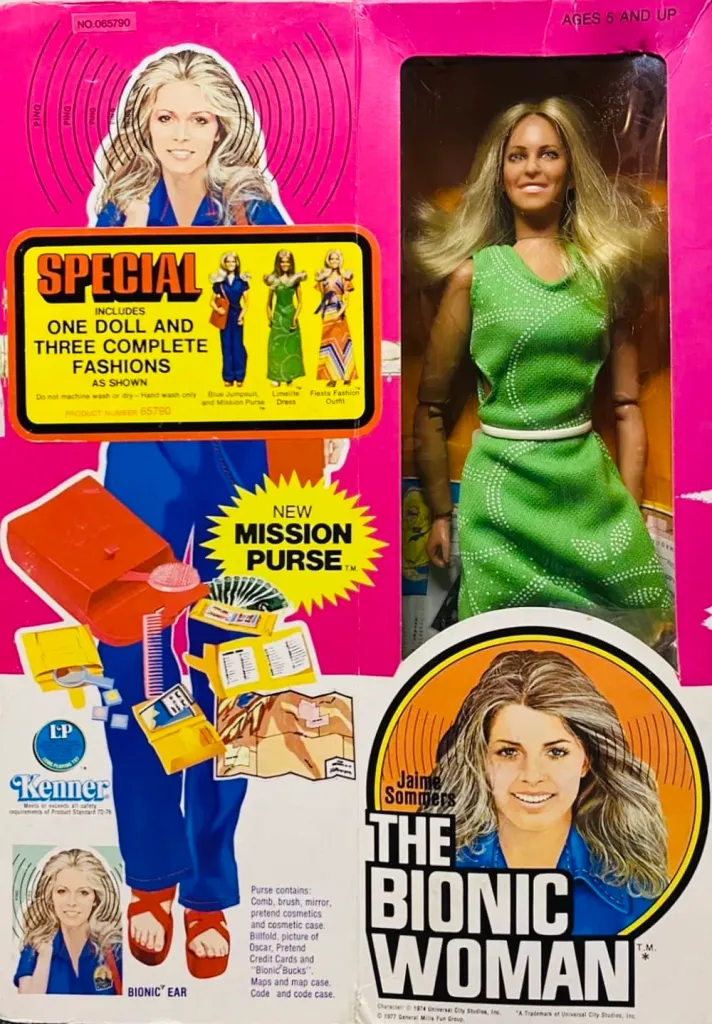
The Bionic Woman ranks this high because it feels incredibly 1976. The toy hits at the intersection of two major currents: media-connected character demand and the decade’s fascination with visible features, hidden parts, and tech-flavored hero fantasy. It is exactly the kind of product a kid could show off in great detail whether or not anybody in the room asked.

It also matters because it broadens the bionic lane instead of merely repeating it. This is not just a side extension of a boys’ action category; it is part of a growing recognition that feature-driven media toys can cut across the aisle in more than one direction. That makes it important not just as a single toy, but as a sign of where the market is heading.

In 1976 specifically, the Bionic Woman also carries the thrill of freshness. It feels current, tied to a recognizable character, and loaded with feature-based intrigue. That gives it a sharper “must-have” edge than many older holdovers from earlier in the decade.

As a cultural read, it tells you the toy aisle is getting more sophisticated about identity. It is not enough to sell generic action or generic glamour anymore. Increasingly, the toy needs a face, a hook, and a reason kids can repeat back to each other in one sentence. That TV-to-toy pipeline is all over the 1976 TV landscape.

Fun Fact / Why It Still Matters The Bionic Woman stands out because it shows 70s toy makers getting better at turning TV character recognition into feature-rich play.
Evel Knievel Stunt Cycle
1976

#2 — Evel Knievel Stunt Cycle

Mid-70s Stunt Obsession at Full Speed
Toy TypeStunt toy
Brand LaneAction demonstration play
1976 Rank#2

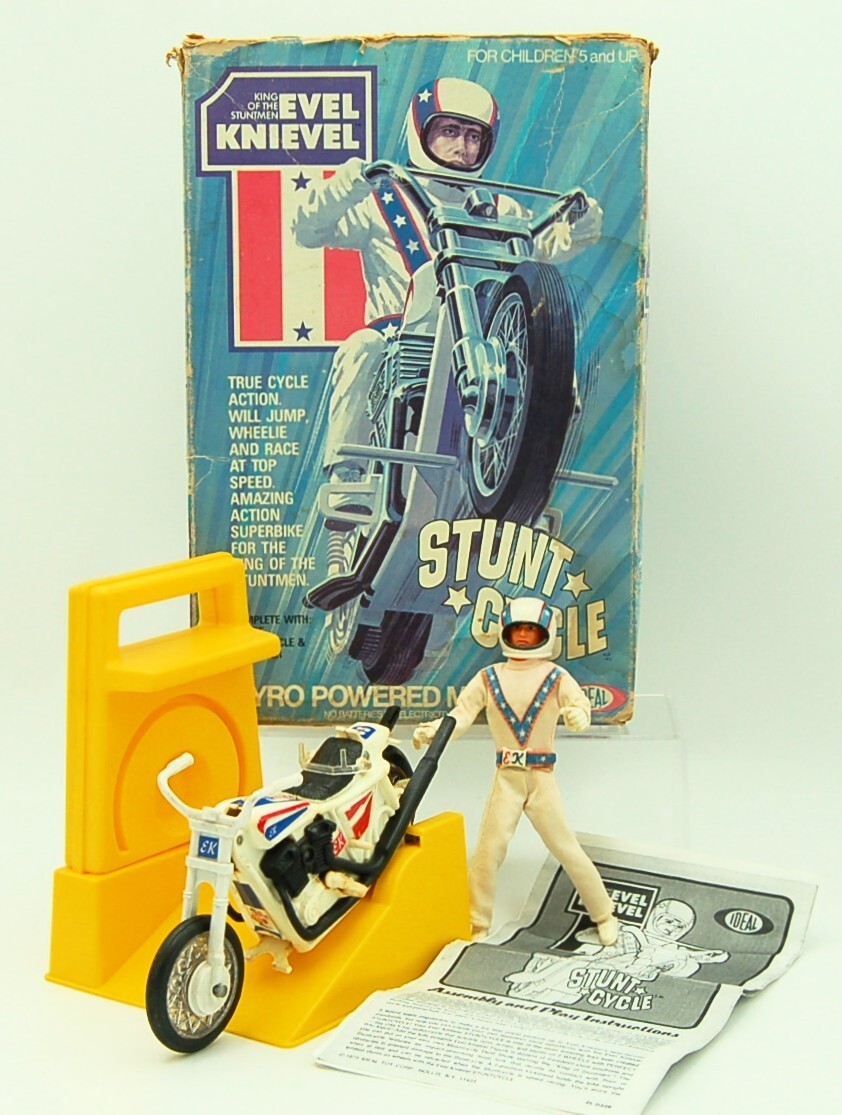
Evel Knievel Stunt Cycle lands at #2 because it captures the most physical part of 1976 perfectly. This is a toy built for spectacle. You do not quietly appreciate it. You wind it up, launch it, send it into risk, and see what survives. The whole appeal lives in movement, crash potential, and the feeling that the living room is temporarily a stunt arena.

That makes it a perfect match for the year. 1976 loves toys that can headline a moment. Kids want something their friends can gather around. They want a toy with enough dramatic payoff to justify another run immediately. The Evel Knievel Stunt Cycle delivers that in a way few toys can: not through fantasy alone, but through actual repeated physical action.

It also reflects the broader culture’s attraction to daredevil cool. The toy is not just about mechanics; it is about attitude. That matters in the mid-70s, when toys increasingly benefit from being attached to a recognizable persona or high-energy concept. Evel Knievel sells danger in a kid-sized format, and that is extremely potent toy fuel.

From a trend standpoint, it marks one of the clearest “watch this” products of the era. Even if it predates 1976 as a line, it still feels absolutely native to the year’s energy: fast, showy, risky, and built for one more launch. It also shares DNA with Backyard Toys Had No Chill, where ramps, speed, and terrible confidence were basically a lifestyle.

Fun Fact / Why It Still Matters Evel Knievel mattered because it turned repeatable mechanical action into a full event, not just a toy function.
Stretch Armstrong
1976

#1 — Stretch Armstrong

The Living-Room Demo Toy of 1976
Toy TypeStretch action figure
Brand LaneFeature-driven action play
1976 Rank#1

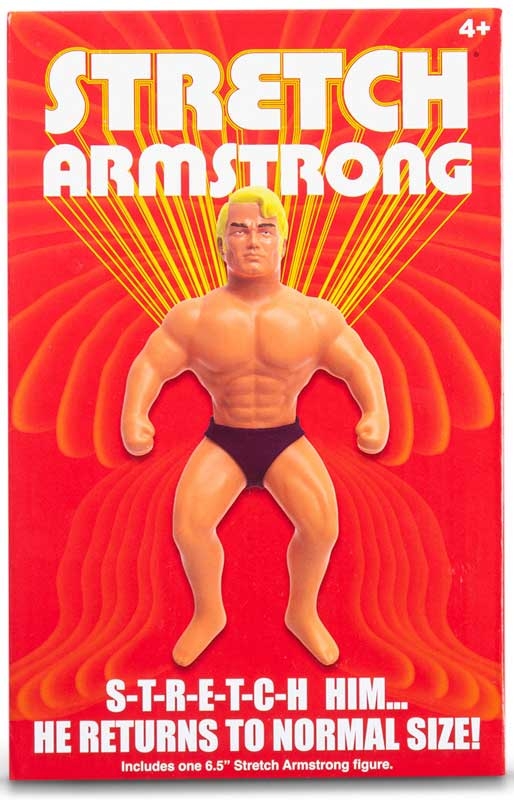
Stretch Armstrong takes the top spot because no other toy captures the spirit of 1976 more cleanly. It is not just a figure. It is a demonstration. The moment you understand what it does, you want to see it happen again. Then you want to hand it to somebody else, watch their reaction, and start arguing about how far it can go before disaster enters the chat.

That feature-first appeal is everything. Stretch Armstrong does not need a giant world of accessories or a complicated play system because the gimmick is already that strong. The act of stretching him is the entertainment. That directness gives the toy unusual power in a year obsessed with products that can instantly sell themselves in person or on television.

It also says a lot about 1976 toy trends. The market is becoming more comfortable with toys built around one unforgettable behavior. That does not mean shallow design, exactly. It means concentration. If the feature is memorable enough, the toy can dominate a season. Stretch Armstrong proves that in spectacularly weird fashion.

From a Gen X memory standpoint, it is hard to beat. The feel of it, the look of it, the anxiety of stretching it too far, the gross fascination of what was supposedly inside it — that is not just toy popularity. That is sensory imprint. Stretch Armstrong belongs at #1 because 1976 is the year where the toy aisle fully commits to the unforgettable gimmick, and this is the king of that category. It also belongs in the larger 70s Toys Hub story as one of the decade’s purest “show everybody what this does” toys.

Fun Fact / Why It Still Matters Stretch Armstrong hits #1 because it turned one bizarre physical behavior into a full-blown cultural memory.
The Gen X Rewind Verdict

1976 Was the Year the Toy Aisle Became a Stunt Show

Stretch Armstrong belongs at #1 because the feature was the entire event. The Evel Knievel Stunt Cycle turned the room into an arena. The bionic figures showed how quickly television characters and mechanical features could reinforce each other. Baby Alive brought the same demonstration logic into doll play, while Connect Four proved that a fast, smart family game could survive every louder trend around it.

The older backbone remained intact. Barbie still owned expandable world-building. Hot Wheels still owned speed, track and repeat crashes. Play-Doh still won through touch and invention. Weebles still demonstrated that one perfect preschool behavior could outlast an entire generation of more complicated toys.

That mix is why 1976 feels like such a clean Gen X year. It was still analog, still physical and still mostly under our control—but the commercial, the television character and the instantly demonstrable hook were becoming inseparable from the toy itself.

Quick Answers About the Year

Top Toys of 1976 FAQ

What was the biggest toy of 1976?

Stretch Armstrong is the strongest editorial choice for the #1 toy of 1976 because it best captures the year’s demonstration-heavy energy, unforgettable physical gimmick and living-room show-off factor.

Was there an official annual toy chart for 1976?

No single authoritative year-end toy chart ranks every 1976 release. This countdown weighs cultural impact, shelf presence, longevity, advertising visibility and how strongly each toy represents the way the year actually felt.

Why is Stretch Armstrong ranked above the Evel Knievel Stunt Cycle?

Evel Knievel represents the stunt side of 1976 perfectly, but Stretch Armstrong is the cleaner symbol of the year’s obsession with one instantly understandable feature that kids could demonstrate again and again.

How were 1976 toys different from 1975 toys?

1975 leaned harder into novelty and “can you believe this exists?” marketing. The top toys of 1975 had more wink-and-gimmick energy. In 1976, the toy needed a visible performance: stretching, launching, revealing a bionic feature or carrying out an interactive routine.

What toy trends defined 1976?

The strongest trends were feature-driven action toys, television-connected character toys, stunt play, realistic interactive dolls and compact family games with quick replay value.

Which 1976 toys have full Smells Like Gen X deep dives?

The completed individual histories are Stretch Armstrong, the Evel Knievel Stunt Cycle and Hot Wheels in the 1970s. The bionic figures are covered inside the broader 70s action figures and character toys guide.

Where can I explore more toys from the 1970s?
The Toy Aisle Was Only Part of the Year

Keep Rewinding 1976

Get the Weekly Gen X Drop

New videos, rewinds, and savage nostalgia — first.

SUBSCRIBE WATCH VIDEOS

MORE REWINDS