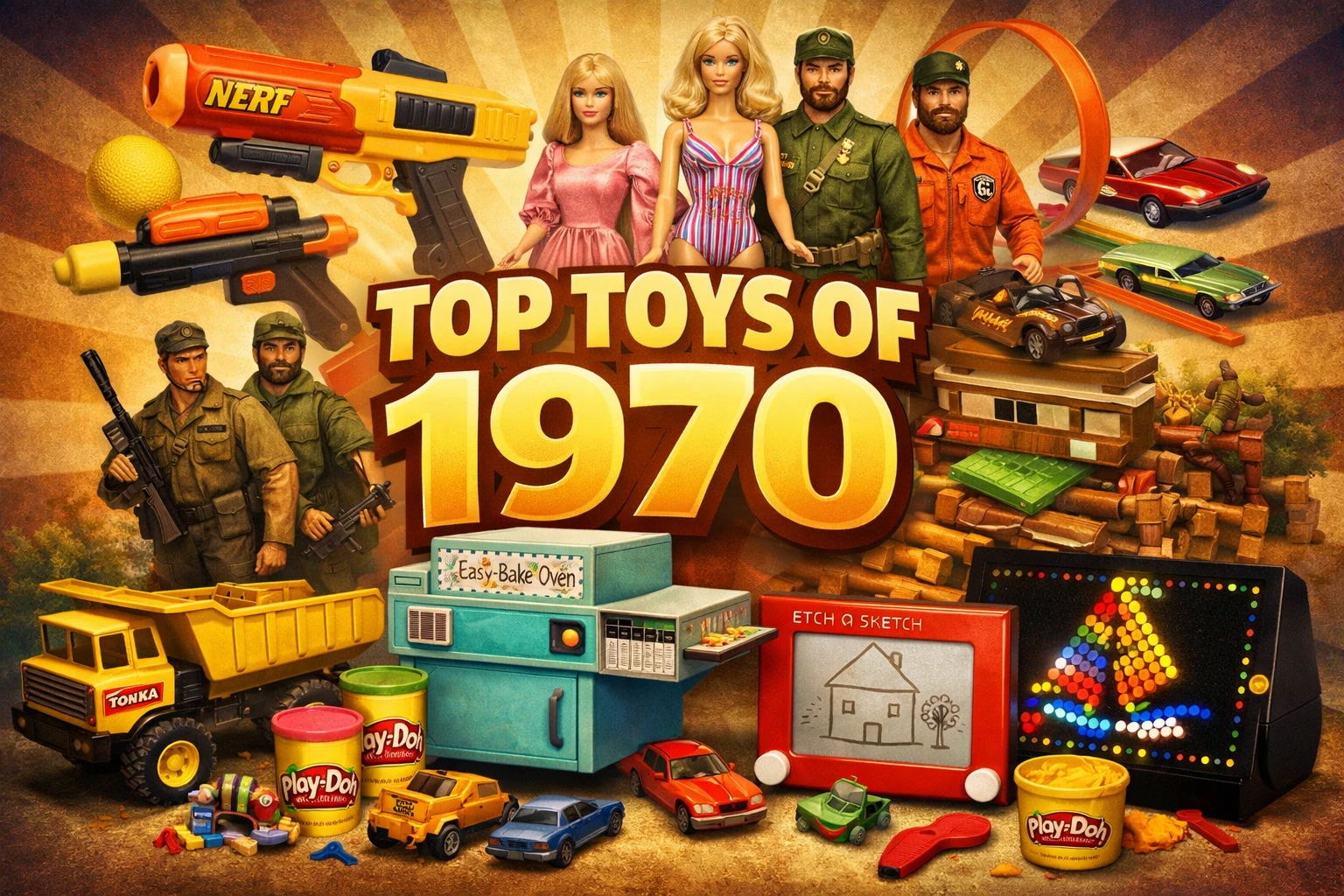
Top Toys of 1970: The Toys That Defined the Year

Top Toys of 1970: The Toys That Defined the Year
Smells Like Gen X • Top Toys of 1970

The Top 10 Toys of 1970

The top 10 toys of 1970 feel like the last clean inhale before the decade goes fully weird. This is still a toy box built on motion, imagination, construction, touch, and repeat play. You threw it, rolled it, shaped it, stacked it, hauled it through dirt, or dragged it across the carpet until somebody older told you to knock it off. The shelf had not yet become a full-scale hostage situation run by electronics, media tie-ins, and screaming plastic personalities.

That is what makes 1970 such a great starting point for a 70s toy series. The big winners still feel physical. Even when a toy is clever, the cleverness usually comes from the idea or the play pattern, not from circuitry doing the work for you. This is an era where a foam ball can become a phenomenon, a steel truck can feel more important than some household appliances, and a box of little wooden logs can still earn a serious place in the toy hierarchy.

There is one important reality check, though: toys do not come with a clean year-end chart the way music and television do. So this countdown works as a best-supported editorial ranking built from period logic, catalog-era dominance, toy-history context, and plain old cultural footprint. In other words, this is the honest version — not fake certainty with a holiday bow glued to it.

Gen X Note: 1970 is the toy aisle before everything starts beeping, branding itself into orbit, or asking for emotional custody. It’s all touch, repetition, imagination, and a little household destruction.

Quick List: The Top 10 Toys of 1970

  1. Lincoln Logs
  2. Play-Doh
  3. Lite-Brite
  4. Etch A Sketch
  5. G.I. Joe Adventure Team
  6. Easy-Bake Oven
  7. Tonka Trucks
  8. Hot Wheels
  9. Barbie
  10. Nerf Ball

Countdown: The Top 10 Toys of 1970

Lincoln Logs
1970

#10 — Lincoln Logs

Old-School Builder Energy
Toy TypeBuilding toy
Brand LaneClassic construction play
1970 Rank#10

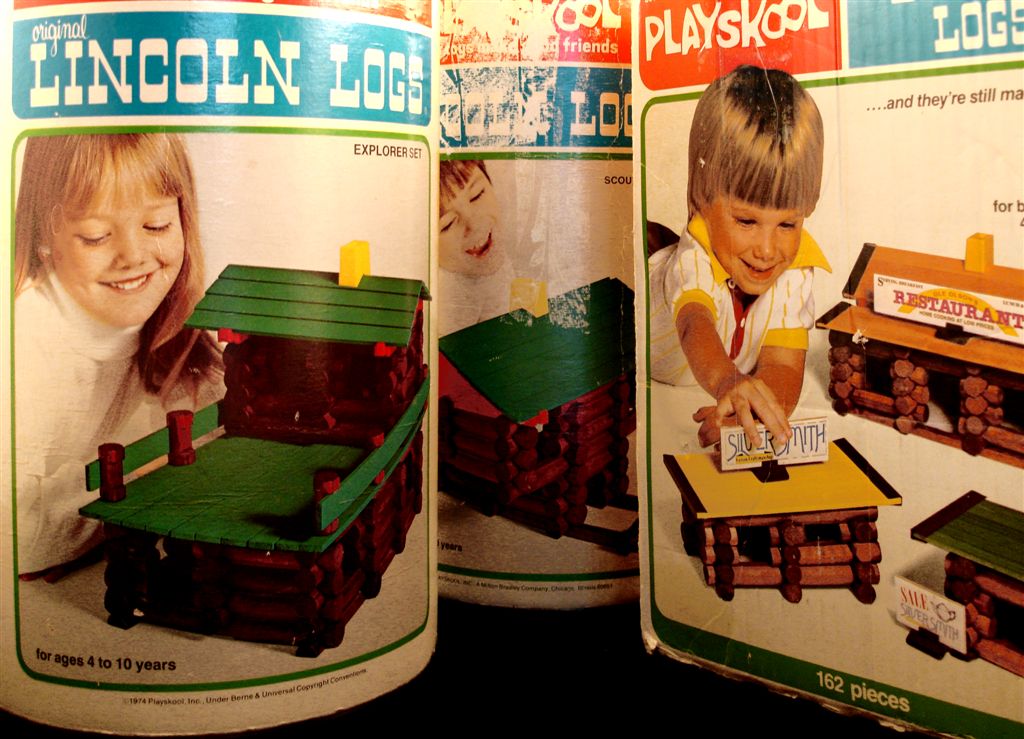
Lincoln Logs open the 1970 list because this was still a toy box with real room for floor-based construction play. No batteries. No cartoon mythology. No push-button spectacle. Just a pile of notched wooden pieces and the expectation that a kid would somehow turn them into a frontier cabin, a fort, or a structurally suspect ranch house that would collapse the second somebody sneezed.

What makes the toy so important in 1970 is that it represents the older backbone of the American toy aisle before the decade got louder and more aggressively gimmicked. Lincoln Logs still assume that imagination is supposed to do part of the work. That’s a very different toy philosophy from what comes later, when the object itself starts trying a lot harder to impress you.

They also feel culturally right for the moment. The 1970 toy landscape still had one foot in a more traditional vision of childhood, where stacking, arranging, building, and rebuilding counted as premium entertainment. Lincoln Logs were never the flashiest gift under the tree, but they lasted because they turned a loose pile of parts into a whole environment kids could keep reinventing.

For Gen X memory, they also carry that very specific analog satisfaction of making something recognizable out of almost nothing. A toy that asks you to build, then demolish, then build again understands childhood pretty well.

Fun Fact / Why It Still Matters Lincoln Logs stayed alive because they offered one of the simplest and most durable forms of play there is: make a world, wreck it, and build it again.
Play-Doh
1970

#9 — Play-Doh

Messy Creative Staple
Toy TypeModeling compound
Brand LaneHands-on creative play
1970 Rank#9

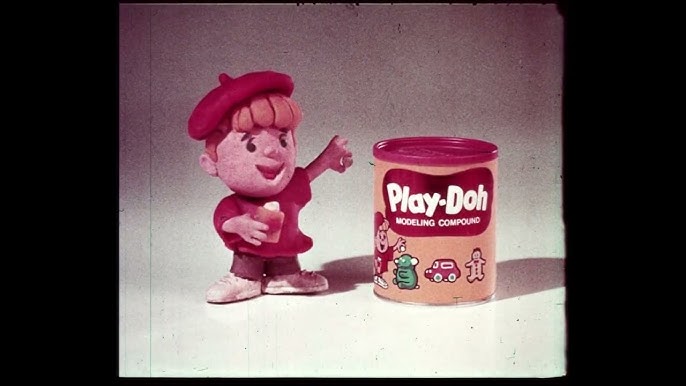
Play-Doh lands at number nine because 1970 still had patience for toys that were basically controlled mess delivery systems. The appeal was obvious and almost idiot-proof: you could squish it, roll it, flatten it, cut it up, and create lumpy little monsters your parents were required to call animals. The medium itself was already fun before any accessory even entered the room.

That mattered because the era still rewarded tactile, repetitive creativity. Play-Doh was not about one big reveal or some singular moment of surprise. It was about doing the same sort of making and remaking over and over again, with enough sensory satisfaction built in that the repetition never felt cheap. That kind of loop gives a toy real staying power.

It also says something important about the decade’s toy culture: not everything had to be sleek or self-contained. Some toys were supposed to leave crumbs, color smears, and weird residue under your fingernails. Play-Doh was deeply physical in exactly the way 1970 play still tended to be.

There is also a bigger industry lesson here. Play-Doh proved that an activity toy could compete with dolls, trucks, and building toys if the core experience was satisfying enough. That is a pretty serious achievement for a few cans of soft chemical joy.

Fun Fact / Why It Still Matters Play-Doh survived because it made messy creativity cheap, tactile, repeatable, and weirdly impossible to outgrow.
Lite-Brite
1970

#8 — Lite-Brite

Glowing Peg-Art Magic
Toy TypeLight-up art toy
Brand LaneCreative visual toy
1970 Rank#8

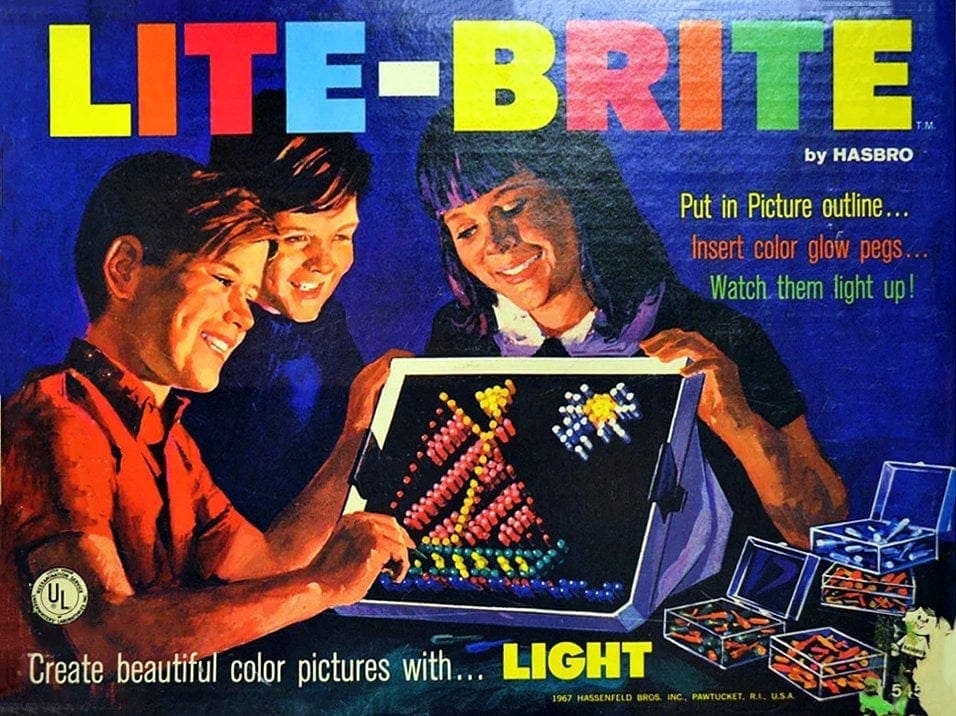
Lite-Brite belongs here because it captured one of the best toy tricks of the era: make a simple activity feel magical just by adding light. On paper, it is peg art. In practice, it turns a kid into a small-scale stage designer who gets to dim the room and watch a homemade picture glow like it belongs in some tiny psychedelic gallery.

That visual payoff matters a lot in 1970. The decade was already highly tuned to color, mood, and decorative weirdness, and Lite-Brite fit that sensibility perfectly. It took something fundamentally manual and gave it a dramatic finish, which made the toy feel more exciting than standard arts-and-crafts without sacrificing the hands-on work.

It also sits in an interesting place historically. This is still before later toy electronics begin doing too much of the showmanship for the child. Lite-Brite requires actual effort. You place the pegs, you build the image, and the object rewards your work instead of replacing it.

The toy also sticks because it lives in memory as both creativity and household nuisance. If you owned Lite-Brite, those pegs absolutely migrated into the carpet like they were paying rent.

Fun Fact / Why It Still Matters Lite-Brite worked because it made ordinary creativity feel theatrical, and that glow was enough to elevate the whole experience.
Etch A Sketch
1970

#7 — Etch A Sketch

Analog Frustration Icon
Toy TypeDrawing toy
Brand LaneChallenge-based creativity
1970 Rank#7

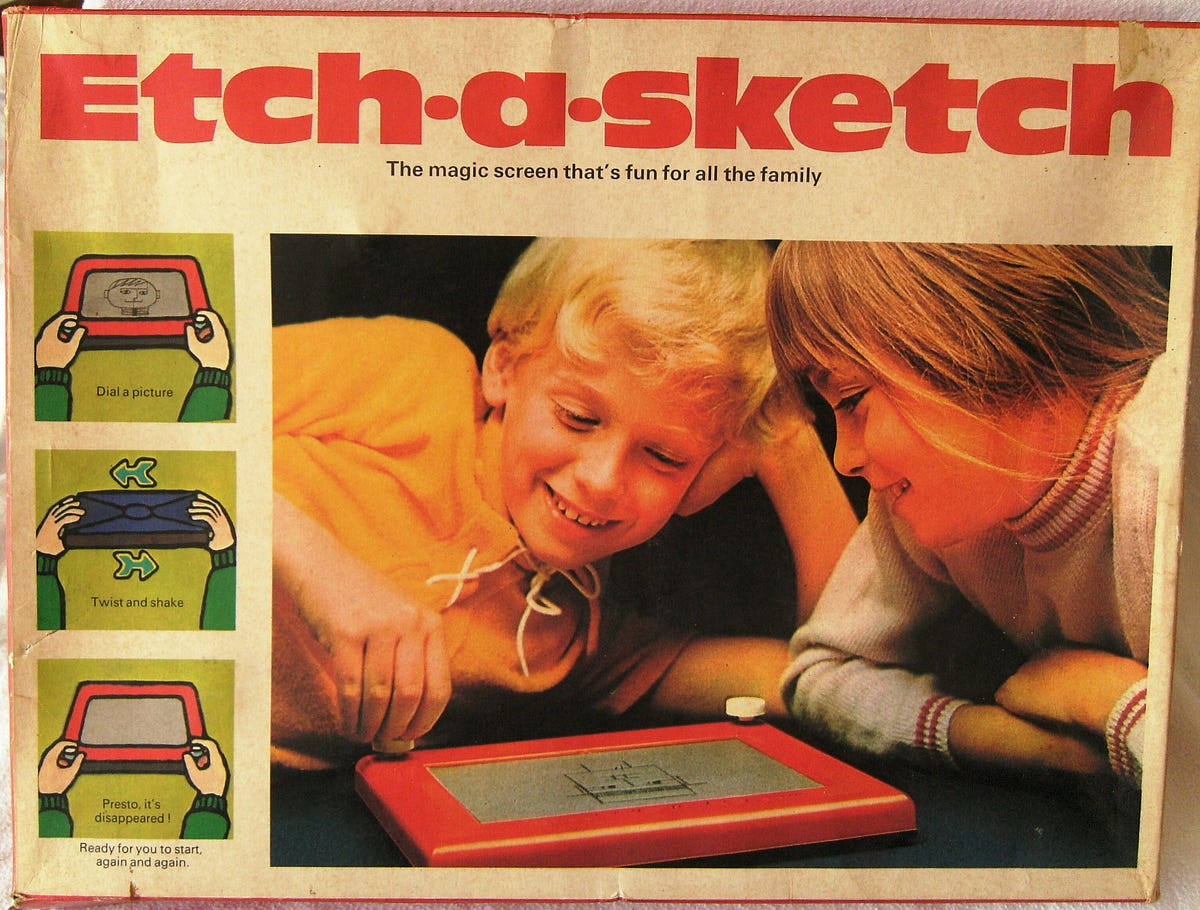
Etch A Sketch takes #7 because it is one of the best examples of a toy pretending to be simple while secretly being a confidence-destroying machine. Two knobs, one gray screen, infinite optimism, and a rapid descent into geometric disappointment. Kids thought they were about to create masterpieces. Most of us produced a crooked box and then shook the whole thing like it owed us an apology.

That challenge is what gave the toy real staying power. In 1970, toys were still allowed to be a little difficult. They did not all have to hand kids instant success or perform the fun on their behalf. Etch A Sketch made frustration part of the loop, which weirdly made it more compelling. Failure was not the end of the game. Failure was just the moment before the reset.

It also represents a kind of stripped-down analog brilliance that stands out more every year. No media tie-in. No accessory treadmill. No big fictional universe. Just a clever mechanism and an almost perfectly repeatable play pattern. That kind of design confidence is rare.

The toy also sticks in memory because it is so sensory. The turning knobs, the dragging line, the full-arm shake to erase the evidence — it all feels physical in a way many later toys do not.

Fun Fact / Why It Still Matters Etch A Sketch lasted because it turned analog difficulty into something oddly addictive, giving kids a challenge they could never quite leave alone.
G.I. Joe Adventure Team
1970

#6 — G.I. Joe Adventure Team

Expandable Mission Play
Toy TypeAction figure line
Brand LaneAdventure-system toy line
1970 Rank#6

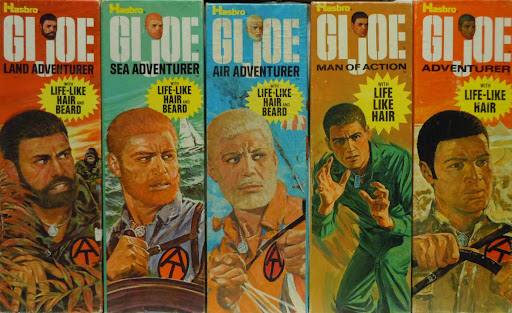
G.I. Joe Adventure Team earns this slot because 1970 is one of those years where you can see the toy industry getting smarter about expansion. The figure matters, yes, but the real commercial magic lives in the mission structure — the gear, the environments, the rescue setups, the “you still need one more thing” logic that turns a toy into a whole personal campaign.

That system quality is why the line feels so important. A figure on its own is one kind of gift. A figure with vehicles, outfits, packs, and scenario-based extensions becomes something more like a play framework. That gives kids structure without totally closing off invention, which is one of the best combinations a toy company can hope for.

The line also feels very 1970 in tone. It still belongs to the era before every action figure needed a cartoon bible or blockbuster film universe to justify itself. The fantasy is broader and rougher: exploration, survival, danger, competence, and a child’s sincere belief that the backyard contains several international crises.

Adventure Team also marks an interesting shift in identity. G.I. Joe is becoming less rigidly soldier-shaped and more like a flexible avatar for rugged adventure. That keeps the line alive by widening the range of stories kids can tell with it.

Fun Fact / Why It Still Matters G.I. Joe Adventure Team mattered because it helped show how a figure line could become a much larger world through gear, missions, and modular play.
Easy-Bake Oven
1970

#5 — Easy-Bake Oven

Domestic Ritual Toy
Toy TypeWorking toy appliance
Brand LaneMiniature grown-up ritual
1970 Rank#5

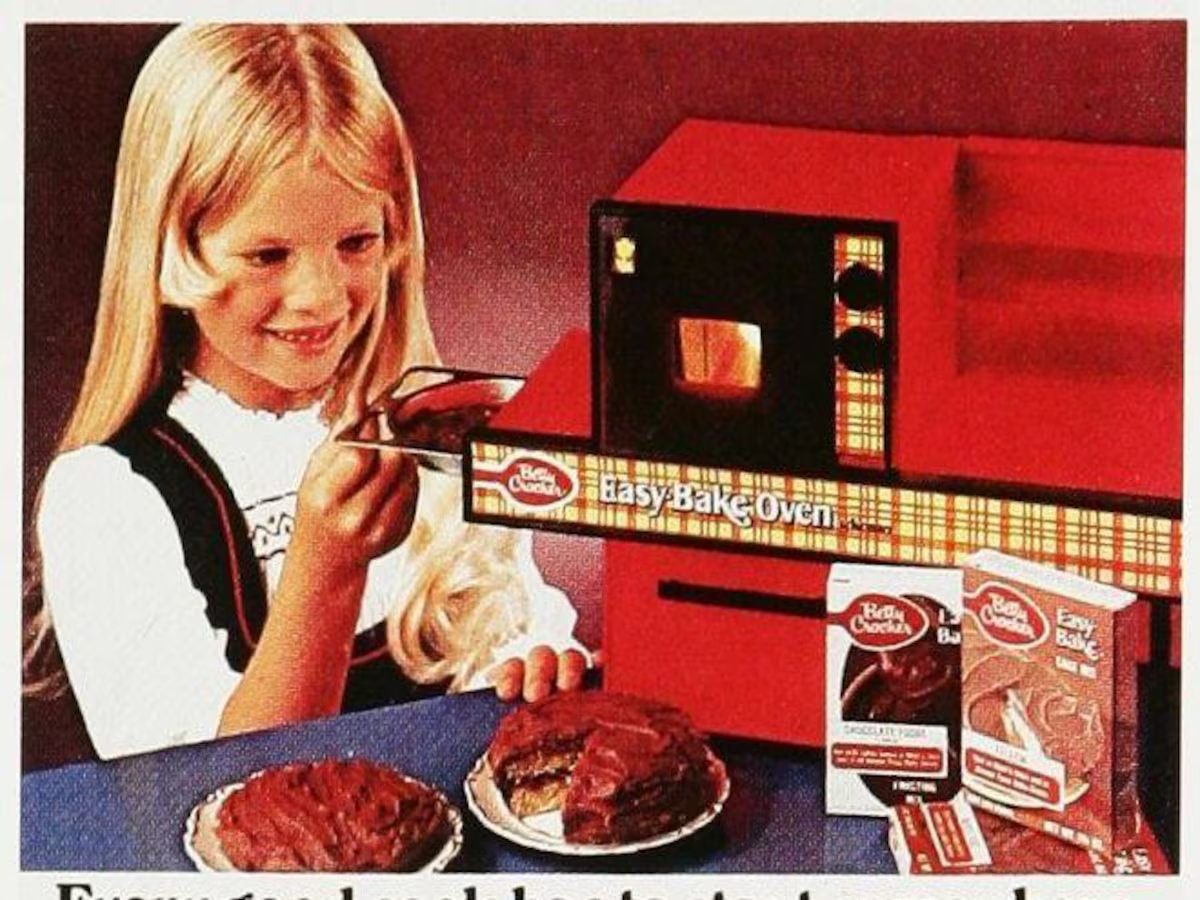
Easy-Bake Oven ranks this high because it did something very few toys can do well: it made play feel real. Not pretend-real. Actually real. You were not merely performing kitchen life. You were making a tiny cake with your own little machine, and that difference is huge. Once a toy gives a child an edible result, it moves into a different category of memory.

In 1970, Easy-Bake also fits the domestic visual culture of the era almost too perfectly. This is the decade of bold kitchen color, amplified home aesthetics, and kid-size versions of grown-up rituals. The toy allowed children to rehearse independence in the safest and sweetest possible form, which made it feel both magical and oddly serious.

It also works as one of the best examples of toy-as-event. This was not something you picked up for thirty seconds and forgot. Easy-Bake had steps. There was waiting. There was anticipation. There was payoff. That made the experience feel bigger than the object itself, which is one reason it stayed so culturally sticky.

The memory is also deeply sensory. People remember the tiny pan, the smell, the suspense, and the surreal pride of producing a miniature dessert with all the gravity of a celebrity chef.

Fun Fact / Why It Still Matters Easy-Bake survived because it turned pretend adulthood into a real ritual with a real reward, and kids never forget that kind of magic.
Tonka Trucks
1970

#4 — Tonka Trucks

Heavy-Duty Sandbox Power
Toy TypeSteel vehicle toy
Brand LaneWork-machine play
1970 Rank#4

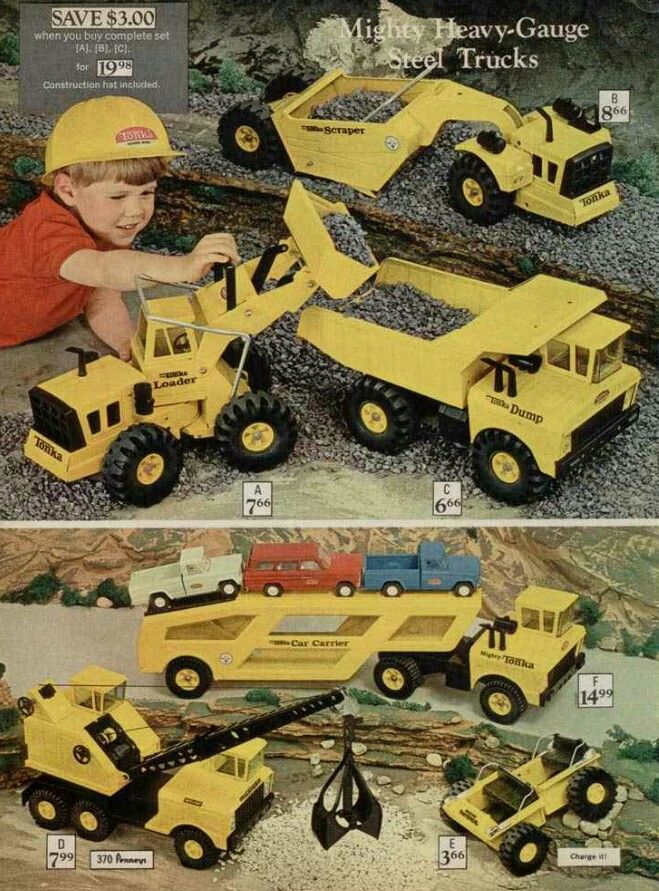
Tonka Trucks rank near the top because 1970 was still very much a heavy-duty toy moment. Before plastic made everything lighter and more disposable, Tonka had real heft. The toys looked like work, felt like work, and to a child that gave them a kind of authority. These were not delicate little shelf ornaments. These were machines.

That physicality is a huge part of the appeal. The play pattern is repetitive in the most satisfying possible way: scoop the dirt, haul the dirt, dump the dirt, repeat until your knees hurt and somebody tells you dinner is ready. Tonka understood that a surprising amount of childhood joy comes from moving one pile of material to another pile of material while feeling extremely important.

It also speaks to the broader spirit of 1970, when toys still often mirrored adult tools and equipment pretty directly. Tonka did not soften the fantasy. It leaned into it. That made the line feel durable, honest, and nearly indestructible, which is exactly what children wanted from something they were about to slam into concrete or bury in a trench.

And like all truly iconic toys, the memory is tied to feel as much as to form. People remember the steel, the sound, the weight, and the sense that the toy could probably survive longer than the house.

Fun Fact / Why It Still Matters Tonka Trucks became classics because they turned ruggedness itself into part of the play fantasy.
Hot Wheels
1970

#3 — Hot Wheels

Speed System Collectability
Toy TypeDie-cast cars and track system
Brand LaneCollect-and-race obsession
1970 Rank#3

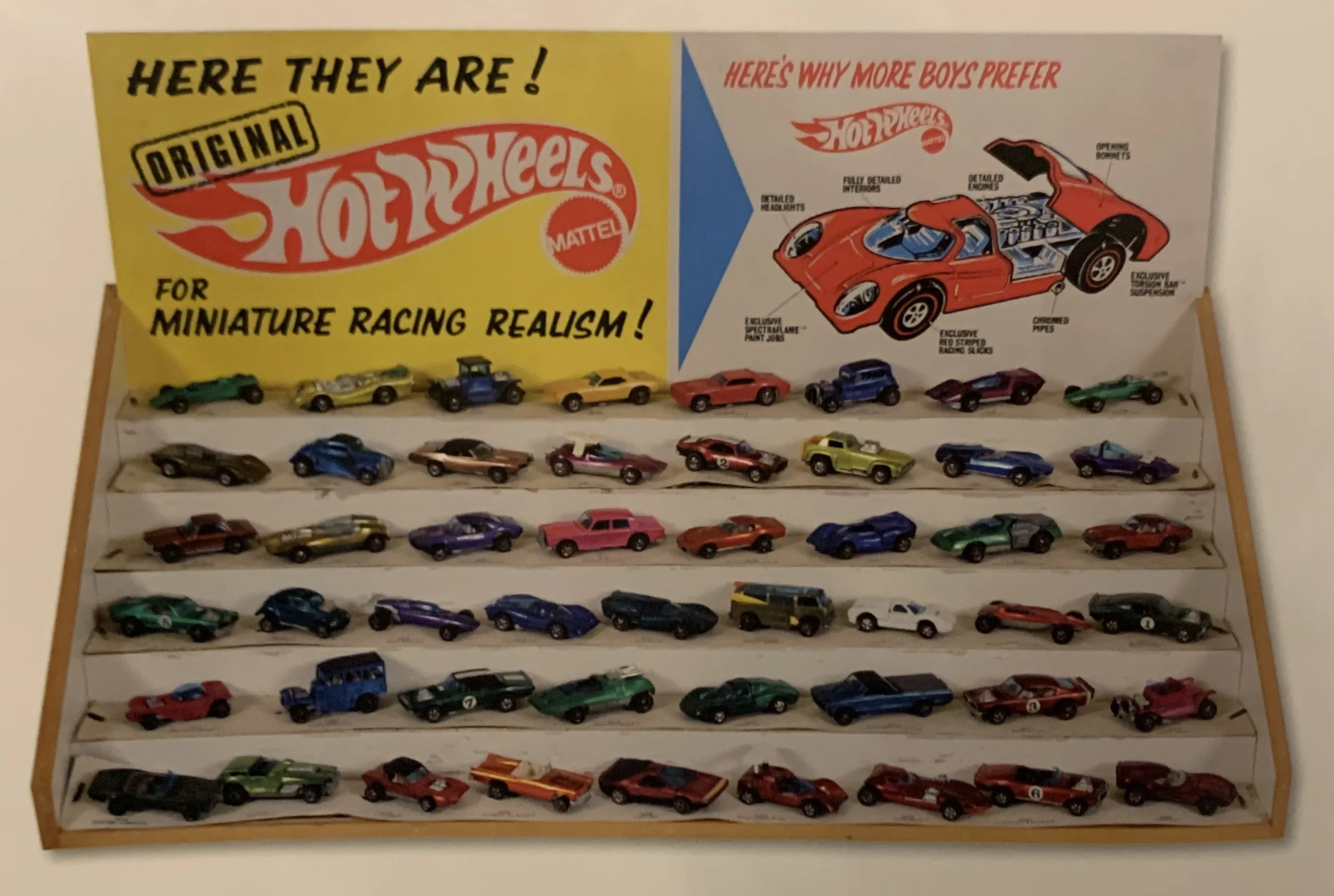
Hot Wheels hit number three because they represent one of the smartest toy combinations of the era: collectible objects plus a repeatable action system. The little cars were already desirable, but the track sets are what turned the line into something much larger. Once the track enters the room, the floor stops being floor and starts becoming a racetrack engineering problem.

That matters in 1970 because the toy industry was starting to get better at systems. You did not just own a Hot Wheels car. You accumulated cars, built courses, tested angles, staged crashes, and kept iterating on what worked best. That kind of expandable loop is one of the strongest signs that a toy line has figured out its own long-term power.

Hot Wheels also felt exactly right for the era. They captured the decade’s love of speed, chrome, cars, and mechanical style without requiring adult-sized money or space. They let children hold that fascination in their hands, then launch it down a strip of track like tiny suburban engineers with no concern for hallway safety.

The line also benefited from nearly perfect rhythm: set it up, race it, crash it, rebuild it, do it again. That loop is extremely hard to kill, which is why Hot Wheels never really left the conversation.

Fun Fact / Why It Still Matters Hot Wheels lasted because they were never just little cars — they were a whole speed-driven system kids could keep expanding.
Barbie
1970

#2 — Barbie

Whole Lifestyle Economy
Toy TypeFashion doll line
Brand LaneFantasy world-building system
1970 Rank#2

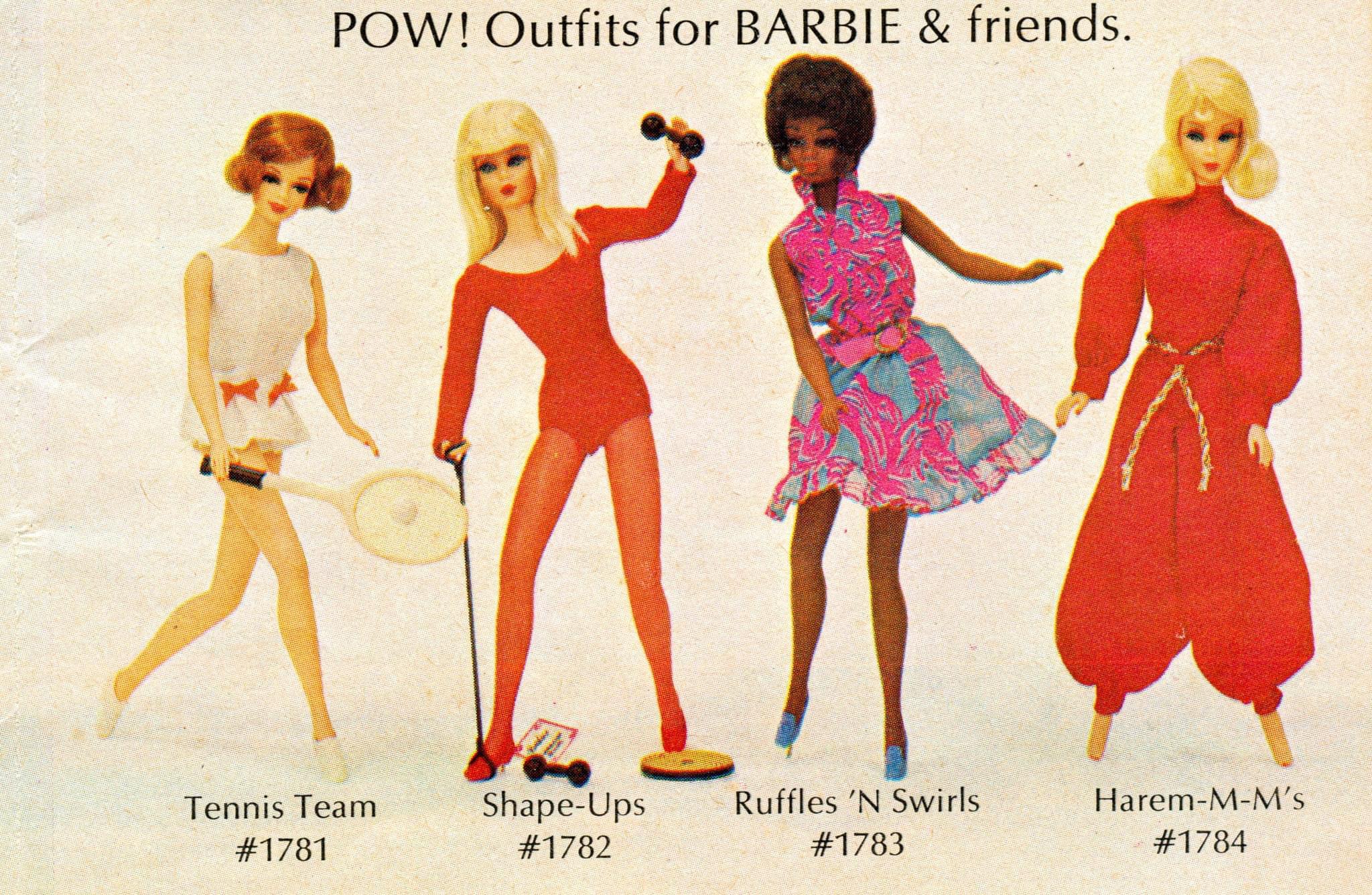
Barbie takes #2 because by 1970 she had already moved beyond being a single toy and become a fully expandable social-and-fashion economy. Outfits, furniture, friends, vehicles, accessories, careers, fantasy scenarios — Barbie was not merely a doll in a box. She was a whole miniature universe with excellent retail instincts.

What makes Barbie especially important here is how clearly she reflects the toy industry learning to sell aspiration as much as play. This was not just about moving a doll around. It was about staging a life, curating an image, and building a social environment around a character whose whole existence could expand with the culture. That kind of adaptability is a giant commercial advantage.

She also fit the broader 1970 moment because the line could absorb whatever the era was doing and turn it into toy logic. Fashion shifts, lifestyle fantasies, changing ideas of adulthood — Barbie could accommodate all of it without losing her identity. That flexibility is one reason she remained so hard to challenge.

She also belongs this high because Barbie was never just one purchase. She was the toy that created more purchases. Once she entered the room, the ecosystem usually followed.

Fun Fact / Why It Still Matters Barbie ranked so high because she had already become a self-renewing fantasy system, not merely a doll line.
Nerf Ball
1970

#1 — Nerf Ball

Brilliant Simple Breakthrough
Toy TypeFoam sports toy
Brand LaneIndoor play revolution
1970 Rank#1

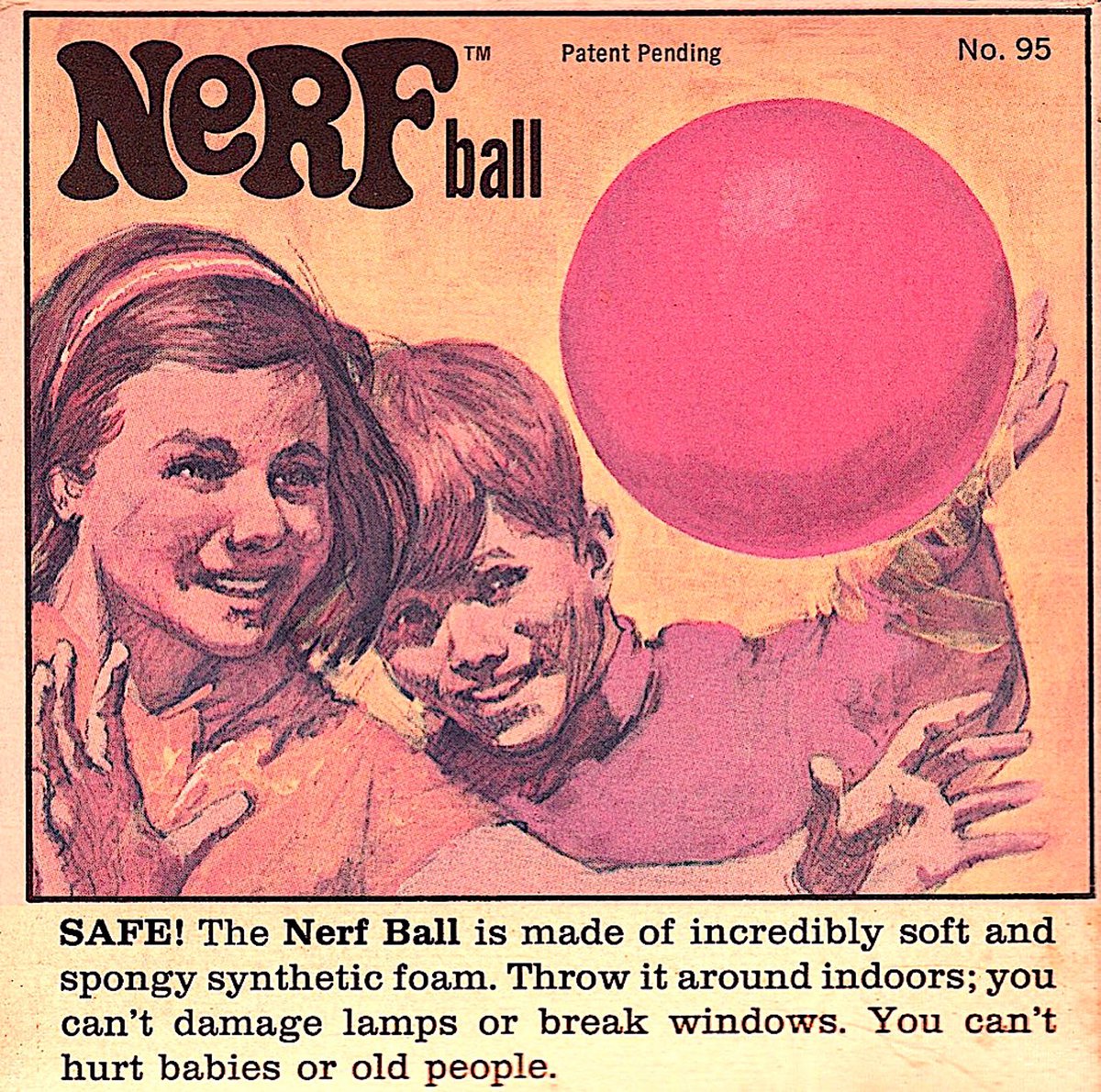
Nerf Ball gets the top spot because it is the cleanest example of a toy breakthrough whose brilliance is obvious the second you hear it. A ball you can throw indoors without wrecking the house. That is it. That is the concept. And the reason it works so well is that it solves a real childhood problem with almost insulting efficiency.

Kids were always going to throw things in the house. Parents were always going to hate that. Nerf did not invent the urge. It simply removed the biggest barrier to the urge, which is one of the smartest things a toy can possibly do. The product did not need a massive mythology or a complex accessory line to make sense. It just needed to exist.

It also represents a different kind of victory than the rest of the list. Barbie, Tonka, Easy-Bake, and Hot Wheels are giants because they build big systems or strong categories. Nerf Ball wins because it changes the play environment itself. Suddenly the house is usable territory. The hallway becomes a field. The living room becomes an arena. That is a bigger achievement than simply being popular.

And maybe most importantly, it feels exactly right for 1970. It is physical, simple, immediate, and memorable without being over-engineered. No lore. No electronic drama. No complicated explanation. Just “throw the thing and have fun.” That kind of clarity is hard to beat.

Fun Fact / Why It Still Matters Nerf Ball won because it turned one perfect idea — indoor ball play without total household destruction — into a toy breakthrough that immediately felt inevitable.

Rewind Verdict

The top 10 toys of 1970 show a toy culture still rooted in tactile play. You built with it, rolled it, molded it, wore it down, dragged it through dirt, or threw it across the house. Even the more “special” toys on the list still depended on physical interaction rather than electronic novelty. The toy box had not gone full gimmick yet.

That is what makes 1970 such a strong opening chapter for a 70s toy series. It still carries a lot of 60s durability and old-school play values, but you can already see the decade starting to pivot. Hot Wheels feel faster and more system-driven. G.I. Joe is getting more expandable. Barbie is operating like a complete fantasy economy. Nerf Ball proves a single brilliant concept can still dominate the year.

For Gen X, 1970 matters because it feels like the toy box before total plastic saturation and before electronics start elbowing their way to the front. It is analog, repetitive, durable, and strangely satisfying — which is exactly why it still lands.

FAQ: Top Toys of 1970

What was the biggest toy of 1970?

Nerf Ball is the strongest-supported choice for number one because it introduced a simple, memorable new play concept that immediately changed how kids could play inside the house.

Was there an official toy chart for 1970?

No. Unlike music or TV, toys do not come with one clean year-end ranking source, so this works as a best-supported editorial countdown based on period evidence and cultural weight.

Why are older toys like Barbie and Easy-Bake included?

Because the list ranks the biggest toys shaping the 1970 season, not only toys that debuted in 1970. Some of the strongest toy-box forces in any year are already established brands.

What kind of toys dominated 1970?

Mostly physical, analog, repeat-play toys: building sets, vehicles, dolls, creative toys, challenge toys, and simple concepts kids could keep using without electronics doing all the work.

What makes 1970 different from later 70s toy years?

1970 still feels sturdier, simpler, and more tactile. Later in the decade the aisle gets more segmented, more novelty-driven, and eventually more shaped by specific breakout crazes.

Get the Weekly Gen X Drop

New videos, rewinds, and savage nostalgia — first.

JOIN THE NEWSLETTER WATCH VIDEOS

MORE REWINDS