Top 10 Movies of 1971: Biggest Box Office Hits Ranked

Top 10 Movies of 1971: Biggest Box Office Hits Ranked
Smells Like Gen X • Top Movies of 1971

The Top 10 Movies of 1971

The top 10 movies of 1971 feel like Hollywood committing harder to the new decade’s adult mood. If 1970 was the transition, 1971 is the year the shift becomes impossible to ignore. The biggest films are more urban, more cynical, more sexually frank, more morally unsettled, and more willing to let audiences sit with ambiguity instead of handing them a tidy emotional exit.

This countdown focuses on the biggest North American grosses for films first released in 1971, which gives the year a stronger identity than a calendar chart loaded with leftovers. What emerges is a vivid cross-section of New Hollywood energy and old-school box-office power: gritty crime, revisionist masculinity, counterculture aftershocks, dystopian provocation, emotional nostalgia, blaxploitation cool, relationship damage, big-studio musical scale, and Bond franchise confidence refusing to give up the throne quietly.

For Gen X, 1971 feels like one of those blueprint years. You can see the shape of the 70s clarifying fast: antiheroes matter more, institutions feel shakier, romance gets more wistful, violence gets more intimate, and mainstream audiences prove they’ll absolutely show up for stories that feel rougher and more adult than the old studio machine once preferred.

Gen X Note: 1971 feels like the 70s deciding it’s done being polite. The biggest movies are smarter, sadder, harder, sexier, stranger, and much more willing to mistrust authority.

Quick List: The Top 10 Movies of 1971

  1. Shaft
  2. Carnal Knowledge
  3. A Clockwork Orange
  4. The Last Picture Show
  5. Summer of ’42
  6. Billy Jack
  7. Dirty Harry
  8. Diamonds Are Forever
  9. The French Connection
  10. Fiddler on the Roof

Countdown: The Top 10 Movies of 1971

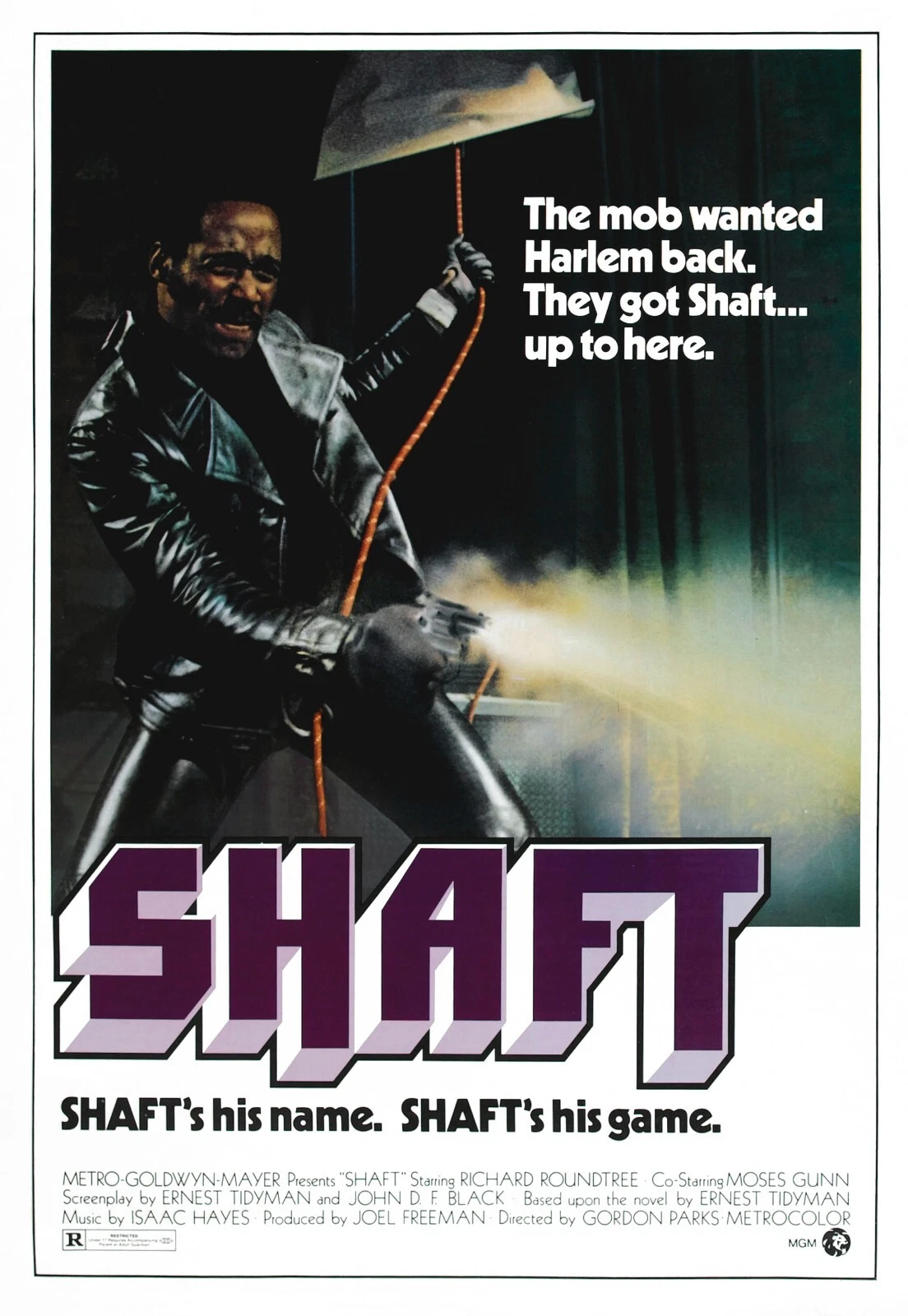
Shaft poster
1971

#10 — Shaft

Box Office: $12.0M
GenreCrime action thriller
DirectorGordon Parks
1971 Rank#10
Main Cast
  • Richard Roundtree as John Shaft
  • Moses Gunn as Bumpy Jonas
  • Charles Cioffi as Lt. Vic Androzzi
  • Christopher St. John as Ben Buford

Shaft closing the 1971 top 10 is far more important than its rank alone suggests. This is one of the key movies that changed what mainstream cool looked like. Gordon Parks takes New York grit, race tension, private-eye swagger, and street-level attitude and turns them into a commercial package that feels unmistakably modern for its moment.

Richard Roundtree’s John Shaft isn’t built like a polished old-studio hero. He’s harder, more physical, more urban, and more directly connected to the city around him. That matters, because the movie’s appeal is not just plot. It’s presence. The style, the movement, the fashion, the soundtrack, the confidence — all of it tells the audience they’re watching a different kind of leading man operate in a different kind of mainstream movie.

In the context of 1971, Shaft matters because it helps signal how much genre cinema was being redefined by the decade’s changing realities. Crime movies were getting meaner, cooler, and more rooted in contemporary city life. The film’s crossover success also shows how hungry audiences were for new forms of screen charisma and new social textures in mainstream entertainment.

For Gen X, it stands as one of the most important prequel texts for urban cool in the 70s, 80s, and beyond — the kind of movie that doesn’t just succeed commercially, but changes the temperature of the room.
Fun Fact / Why It Still Matters Shaft still matters because it helped reshape the mainstream image of the action hero and turned streetwise urban cool into a commercial force Hollywood couldn’t ignore.
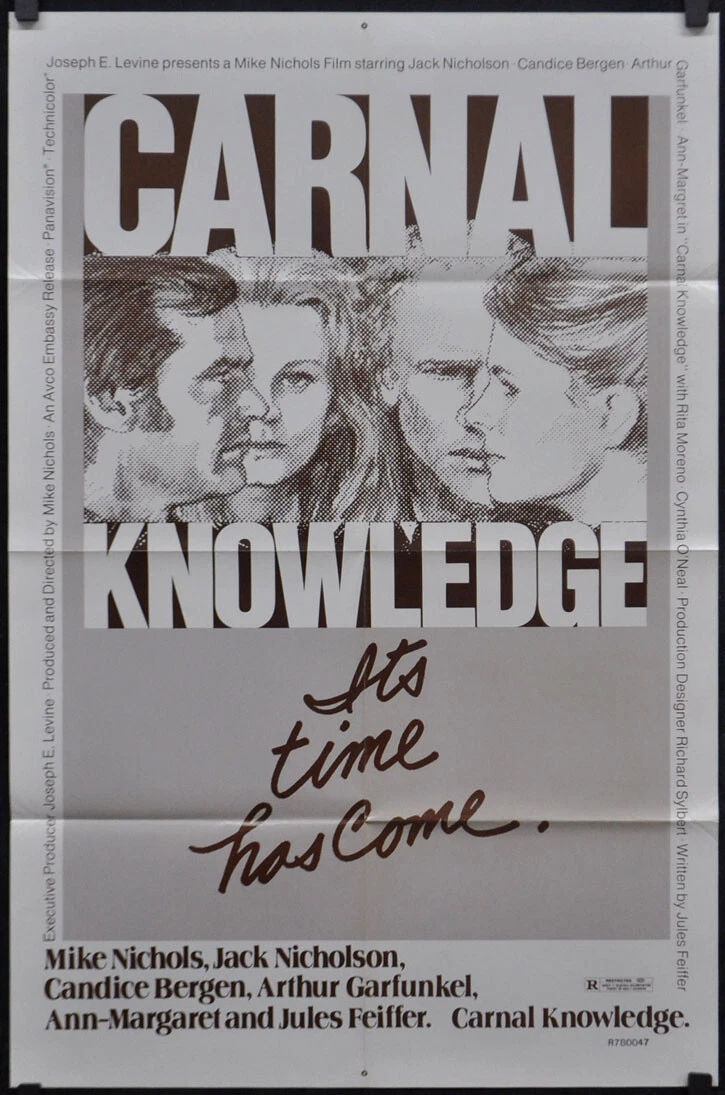
Carnal Knowledge poster
1971

#9 — Carnal Knowledge

Box Office: $22.3M
GenreComedy-drama
DirectorMike Nichols
1971 Rank#9
Main Cast
  • Jack Nicholson as Jonathan
  • Art Garfunkel as Sandy
  • Candice Bergen as Susan
  • Ann-Margret as Bobbie

Carnal Knowledge is one of the clearest examples of 1971 mainstream movies growing up in public. This is not a romance. It’s not even a “relationship movie” in any comforting sense. Mike Nichols builds a brutally observant anatomy of male insecurity, sexual immaturity, emotional damage, and the ways intimacy gets warped when the people inside it don’t really understand themselves.

Jack Nicholson is central to that power. Jonathan is charming, intelligent, funny, and deeply toxic, which makes him feel exactly like the kind of New Hollywood male lead the decade increasingly trusted audiences to sit with. Art Garfunkel provides an interesting contrast as Sandy, but the movie’s real tension comes from how the women around these men keep revealing the gap between male self-image and actual emotional competence.

In box-office terms, Carnal Knowledge is revealing because it proves large audiences were ready for movies that were not traditionally likable. The film is verbally sharp, emotionally unpleasant, and sexually candid without offering much in the way of old-fashioned release. That it still became one of the year’s biggest hits tells you how much appetite there was for adult honesty — or at least adult damage — on screen.

For Gen X, it plays like one of those hard, incisive bridge movies between older prestige drama and the more psychologically stripped-down adult cinema that would shape the 70s.

Fun Fact / Why It Still Matters The movie still matters because it turned sexual politics and emotional dysfunction into mainstream event viewing without softening either one for comfort.
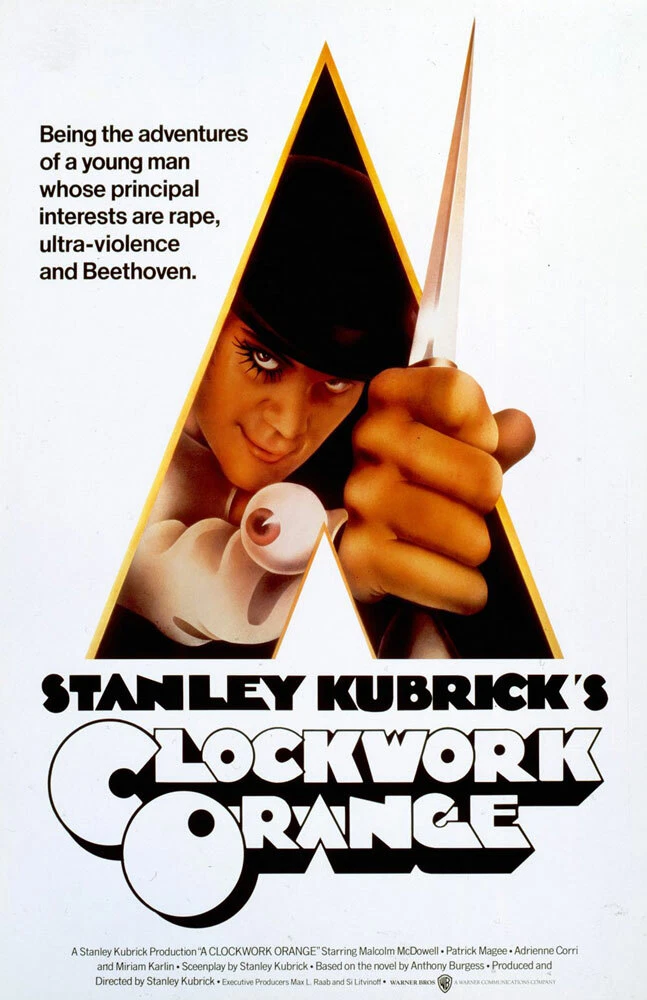
A Clockwork Orange poster
1971

#8 — A Clockwork Orange

Box Office: $26.6M
GenreDystopian crime drama
DirectorStanley Kubrick
1971 Rank#8
Main Cast
  • Malcolm McDowell as Alex
  • Patrick Magee as Mr. Alexander
  • Adrienne Corri as Mrs. Alexander
  • Michael Bates as Chief Guard

A Clockwork Orange becoming one of 1971’s biggest releases tells you almost everything you need to know about how radically the mainstream was changing. This is not a movie designed to reassure, flatter, or gently entertain. Kubrick turns youth violence, state power, sexual aggression, visual stylization, and cultural sickness into a cinematic object that feels both satirical and nightmarish.

Malcolm McDowell’s Alex is crucial because he is both magnetic and appalling. The film refuses to make him easy to process, which is part of what gave the movie such cultural charge. It’s not simply about delinquency or political repression. It’s about the terrifying possibility that spectacle, violence, pleasure, and control are all entangled in modern life in ways nobody can cleanly fix.

In the context of 1971, A Clockwork Orange matters because it shows the commercial power of provocation. Audiences were now willing to make a major hit out of a film that felt like a dare. That doesn’t mean everybody agreed on it. Quite the opposite. But the controversy, style, and intellectual aggression all fed its myth.

For Gen X, it remains one of the defining examples of adult cinema that didn’t just “go dark.” It made darkness itself part of the attraction and dared mainstream culture to deal with the consequences.

Fun Fact / Why It Still Matters The film still matters because it proved formally daring, violent, morally disturbing cinema could break far beyond the arthouse and become a major popular event.
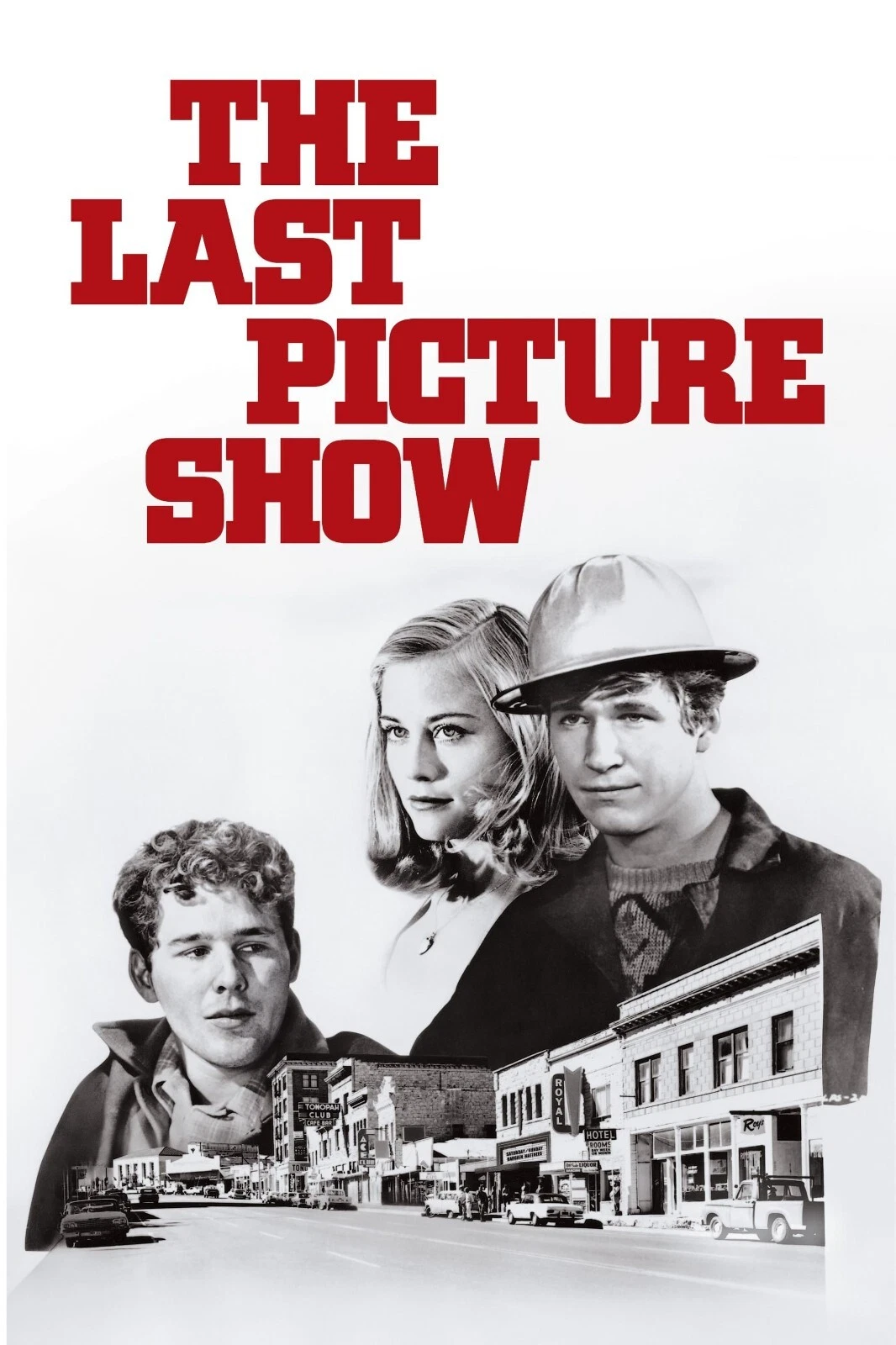
The Last Picture Show poster
1971

#7 — The Last Picture Show

Box Office: $29.1M
GenreComing-of-age drama
DirectorPeter Bogdanovich
1971 Rank#7
Main Cast
  • Timothy Bottoms as Sonny Crawford
  • Jeff Bridges as Duane Jackson
  • Cybill Shepherd as Jacy Farrow
  • Ben Johnson as Sam the Lion

The Last Picture Show is one of the most openly elegiac hits of 1971, and that matters. A lot of the year’s biggest films are tough, urban, or provocative. This one is quieter, but no less devastating. Peter Bogdanovich uses black-and-white photography and small-town decline not as nostalgia bait, but as a way of showing a world already draining out in front of the people living inside it.

The film’s great strength is that it never treats youth as a source of simple hope. Sonny, Duane, and Jacy are not stepping into some bright future. They’re drifting through a social landscape that already feels exhausted. That’s what gives the movie so much power. It doesn’t mythologize coming-of-age. It frames it as loneliness, confusion, desire, and emotional damage inside a dying little corner of America.

In the broader 1971 box-office picture, The Last Picture Show matters because it proves a melancholy, character-driven film could become a significant mainstream success if it struck the right nerve. Audiences didn’t need everything sharpened into a hook. They could still respond to sadness, texture, and the feeling that something larger than the characters was quietly disappearing.

For Gen X, it remains one of the decade’s great mood pieces — a film that makes the end of innocence feel less like a clean transition and more like watching the lights go out one building at a time.

Fun Fact / Why It Still Matters The movie still matters because it turned small-town decline and emotional drift into one of the decade’s most hauntingly accessible mainstream dramas.
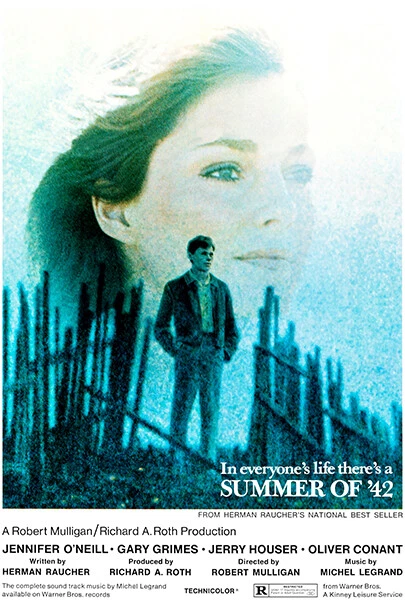
Summer of '42 poster
1971

#6 — Summer of ’42

Box Office: $32.0M
GenreComing-of-age romantic drama
DirectorRobert Mulligan
1971 Rank#6
Main Cast
  • Jennifer O’Neill as Dorothy
  • Gary Grimes as Hermie
  • Jerry Houser as Oscy
  • Oliver Conant as Benjie

Summer of ’42 is the soft, wistful side of 1971, but it’s more emotionally complicated than its warm reputation sometimes suggests. The film works because it understands memory as selective, romanticized, and painful all at once. What looks on the surface like a nostalgic coming-of-age story is also about desire, loss, and the fact that adolescence often encounters adulthood first through confusion rather than understanding.

Robert Mulligan directs the material with enough delicacy that the movie never becomes crude or overly sentimental. Jennifer O’Neill gives the story its emotional gravity, while Gary Grimes provides the right mix of innocence and fixation. The whole film lives in that space where youth misunderstands adult sorrow but still feels its force.

In a year full of harder edges, Summer of ’42 stands out because it shows audiences still had a real appetite for melancholy tenderness. But even here, 1971 doesn’t entirely soften itself. The nostalgia has ache in it. The romance isn’t simply triumphant. The memory is beautiful because it’s already gone.

For Gen X, it plays like one of the decade’s key “memory movies,” the kind that teaches how longing and hindsight can make a brief emotional episode feel enormous for the rest of your life.

Fun Fact / Why It Still Matters The film still matters because it turns adolescent desire and adult sorrow into one of the most emotionally durable nostalgic dramas of the early 70s.
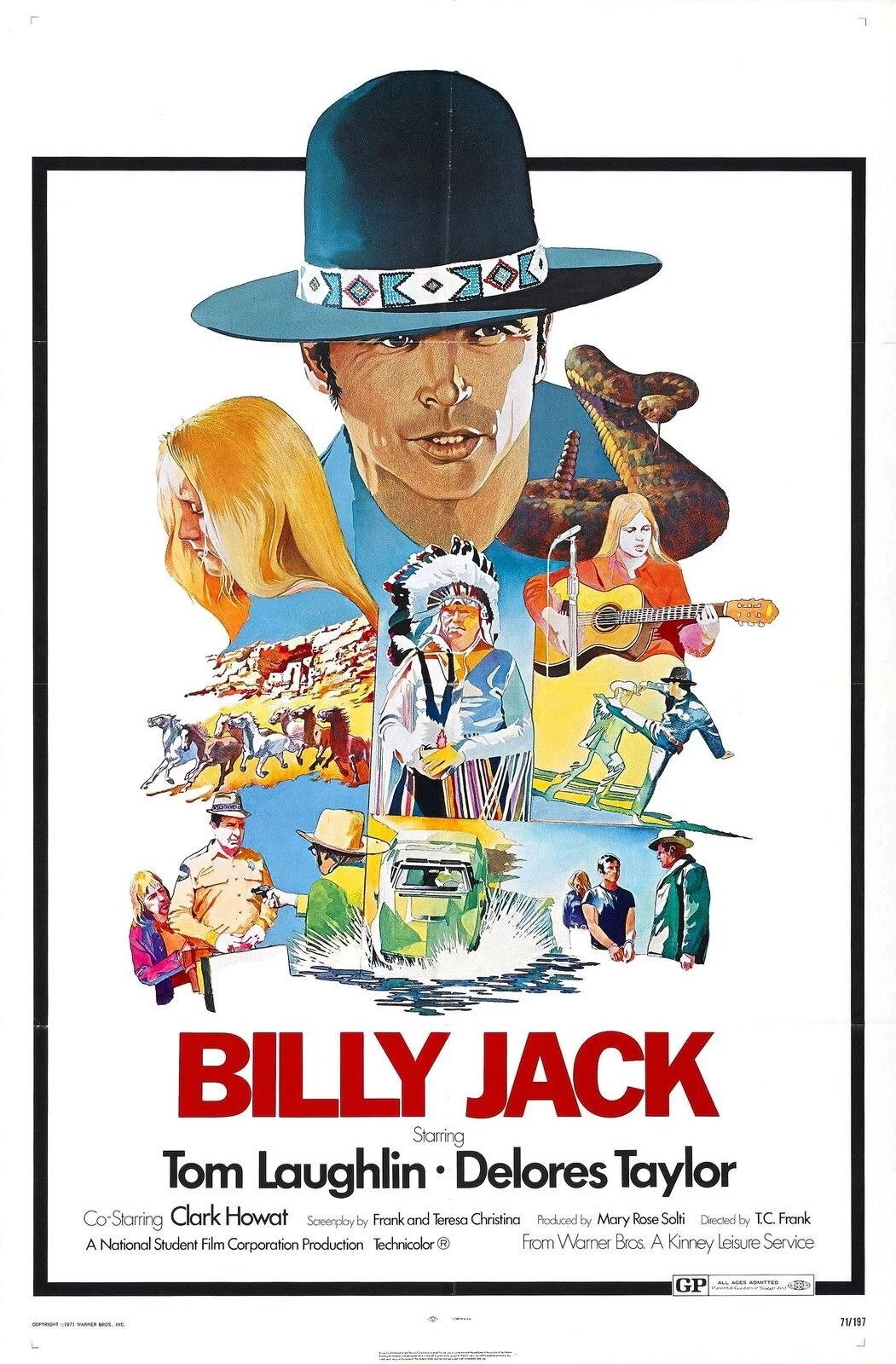
Billy Jack poster
1971

#5 — Billy Jack

Box Office: $32.5M
GenreAction drama
DirectorTom Laughlin
1971 Rank#5
Main Cast
  • Tom Laughlin as Billy Jack
  • Delores Taylor as Jean Roberts
  • Clark Howat as Sheriff Cole
  • Victor Izay as Posner

Billy Jack is one of the rawest commercial hits of 1971, which is a huge part of why it matters. This is not studio polish. It’s counterculture anger, outsider justice, spiritual rhetoric, youth-protection fantasy, and low-budget intensity all mashed together into something audiences connected with on a word-of-mouth level that polished movies often can’t fake.

Tom Laughlin’s title character is basically an anti-establishment avenger built to channel the frustrations of the moment. The movie’s politics, performance style, and emotional directness are not subtle, but subtle wasn’t the selling point. The film works because it feels aggrieved, sincere, and willing to erupt. That made it resonate in a country where institutions increasingly looked suspect and violence was already part of the national emotional weather.

In the box-office picture of 1971, Billy Jack matters because it shows how powerful nontraditional hits could become when they captured public feeling. It wasn’t just another genre movie. It was a cause-adjacent sensation, the kind of film people champion because it seems to be fighting on their behalf, however messily.

For Gen X, it remains one of the quintessential rough-edged 70s phenomenon films — politically heated, emotionally direct, and too weird to ever feel like generic mainstream product.

Fun Fact / Why It Still Matters The movie still matters because it proved a scrappy, politically charged outsider film could become a genuine mass-market hit through sheer cultural nerve.
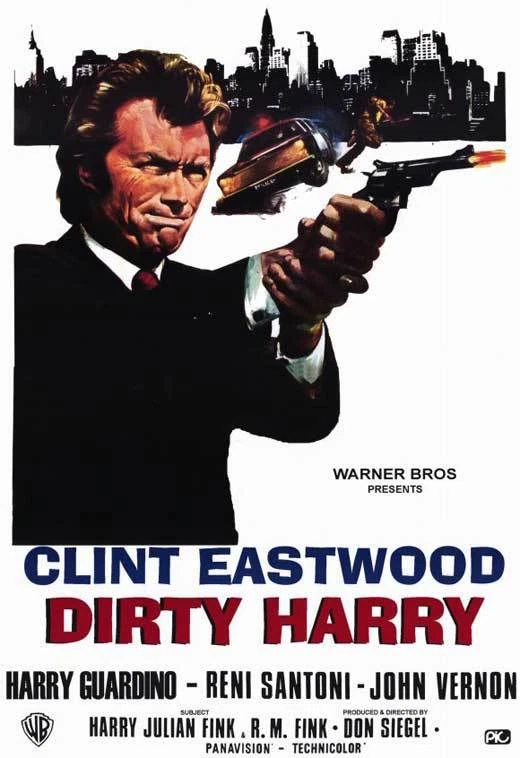
Dirty Harry poster
1971

#4 — Dirty Harry

Box Office: $35.9M
GenreCrime thriller
DirectorDon Siegel
1971 Rank#4
Main Cast
  • Clint Eastwood as Harry Callahan
  • Harry Guardino as Lt. Bressler
  • Reni Santoni as Chico Gonzalez
  • Andrew Robinson as Scorpio

Dirty Harry is one of the defining mood-setters of 1971. The city feels sick, the institutions feel inadequate, the killer feels omnipresent, and Clint Eastwood walks through the whole thing like a hardening answer to a culture that has started to fear it’s losing control. Whatever else people think about the film, its cultural force is impossible to deny.

Eastwood is central because Harry Callahan isn’t simply a cop protagonist. He’s a worldview. The movie gives the audience urban anxiety, bureaucratic frustration, and a fantasy of violent certainty wrapped in one star image. That combination is exactly why the film became so influential — and so argued over. It crystallized a harsher form of mainstream masculinity that would echo for years.

In the broader box-office story of 1971, Dirty Harry matters because it shows how deeply urban crime and institutional mistrust were entering the mainstream imagination. This is not a polished detective yarn. It’s a pressure-cooker thriller built around fear, rage, and the suspicion that the system is too weak to protect you.

For Gen X, it remains one of the clearest origin points for the harder-edged cop cinema that would define huge chunks of 70s and 80s pop culture.

Fun Fact / Why It Still Matters The film still matters because it turned urban fear and institutional frustration into one of the decade’s most influential commercial action templates.
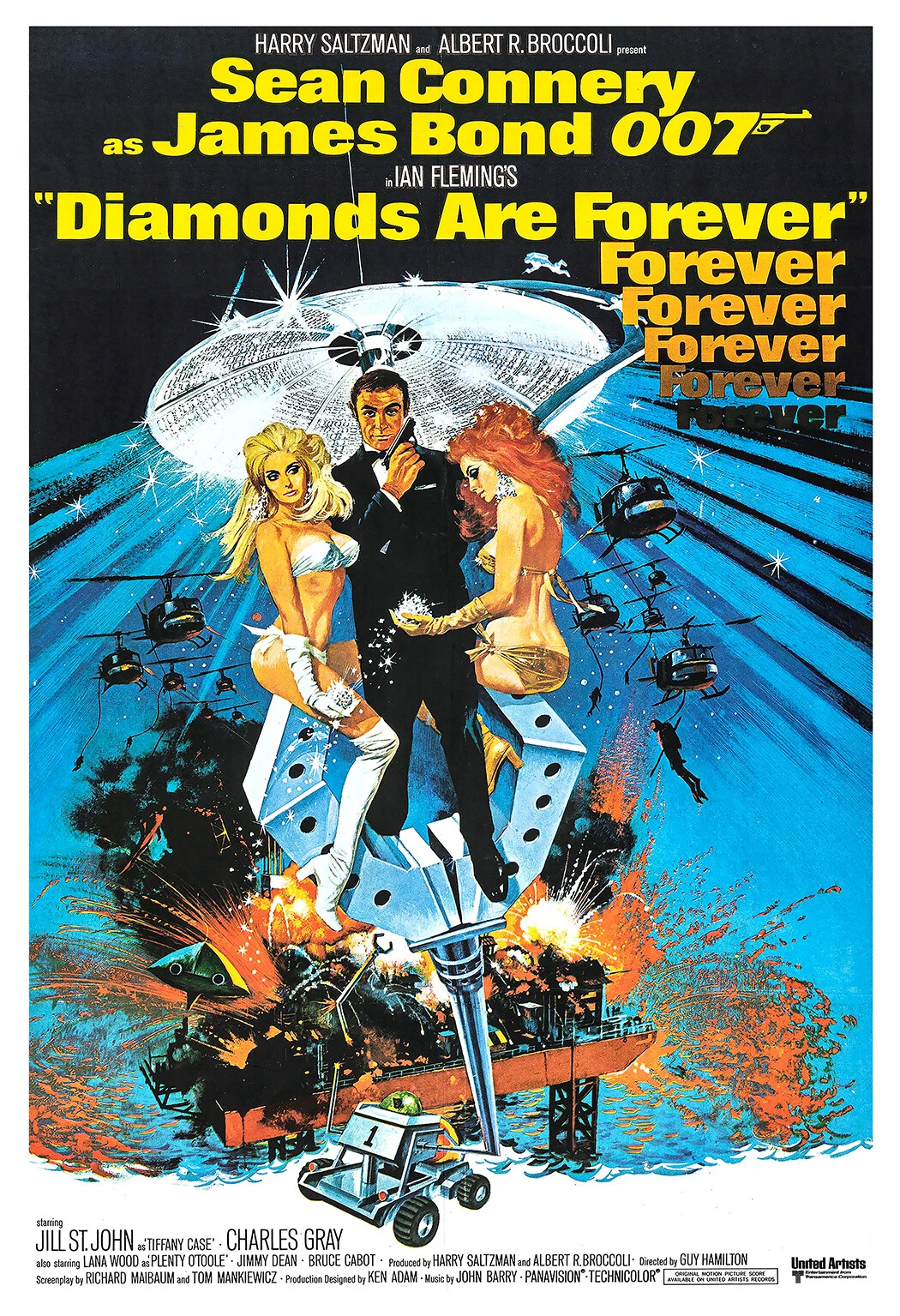
Diamonds Are Forever poster
1971

#3 — Diamonds Are Forever

Box Office: $43.8M
GenreSpy adventure
DirectorGuy Hamilton
1971 Rank#3
Main Cast
  • Sean Connery as James Bond
  • Jill St. John as Tiffany Case
  • Charles Gray as Blofeld
  • Lana Wood as Plenty O’Toole

Diamonds Are Forever in the 1971 top three is a reminder that even as New Hollywood energy was reshaping the industry, old-school franchise power still mattered — especially when it arrived with Sean Connery back in the tux. Bond in 1971 feels slightly more playful, campier, and more openly decadent than the colder espionage fantasies of earlier entries, which makes the film a useful snapshot of the series adapting to a changing cultural mood.

The Las Vegas setting matters a lot. It gives the movie a glossier, more excessive texture that fits the early 70s perfectly. The film still has the Bond machinery audiences wanted — gadgets, villains, sex appeal, action, and spectacle — but it also has a more knowing sense of performance and artifice. That helps it feel like a bridge between the 60s spy boom and the stranger, brasher 70s.

In the context of 1971, Diamonds Are Forever matters because it proves the old studio-commercial model still had enormous life left in it if it was willing to get a little louder, slicker, and more self-aware. It didn’t need to become gritty to stay competitive. It just needed to stay fun and enormous.

For Gen X, it remains one of the key Bond entries that shows the franchise learning how to survive cultural change by leaning harder into spectacle and personality.

Fun Fact / Why It Still Matters The film still matters because it shows Bond shifting from 60s cool toward 70s camp-gloss excess without losing mainstream dominance.
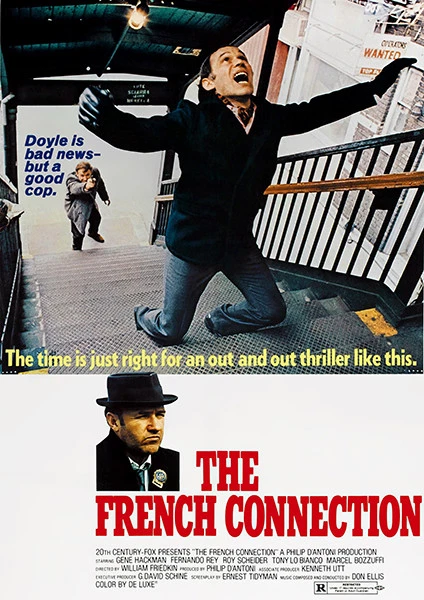
The French Connection poster
1971

#2 — The French Connection

Box Office: $51.7M
GenreCrime thriller
DirectorWilliam Friedkin
1971 Rank#2
Main Cast
  • Gene Hackman as Jimmy “Popeye” Doyle
  • Roy Scheider as Buddy Russo
  • Fernando Rey as Alain Charnier
  • Tony Lo Bianco as Sal Boca

The French Connection is one of the great “the decade has changed” movies. It’s lean, grimy, tense, urban, and allergic to unnecessary polish. William Friedkin strips the crime thriller down until it feels like raw procedure and obsession. The city isn’t a backdrop. It’s the texture of the whole film — dirty, cold, crowded, and permanently on edge.

Gene Hackman’s Popeye Doyle is crucial because he is not a traditionally heroic cop lead. He’s driven, abrasive, ugly in some of his instincts, and impossible to reduce to a clean moral symbol. That complexity gives the movie real bite. The film doesn’t ask the audience to love him. It asks them to stay with him long enough to feel the obsession start to eat the whole story alive.

In the broader context of 1971, The French Connection matters because it helped prove that gritty, contemporary, morally unresolved urban thrillers could become major mainstream events. This is one of the core templates for 70s crime cinema. The realism isn’t just stylistic dressing — it’s part of the appeal, part of the tension, part of the point.

For Gen X, it remains one of the foundational hard-city movies, the kind of film that changed what American action and crime thrillers were allowed to feel like.

Fun Fact / Why It Still Matters The film still matters because it helped define gritty modern crime cinema and showed that urban realism could be as commercially gripping as spectacle.
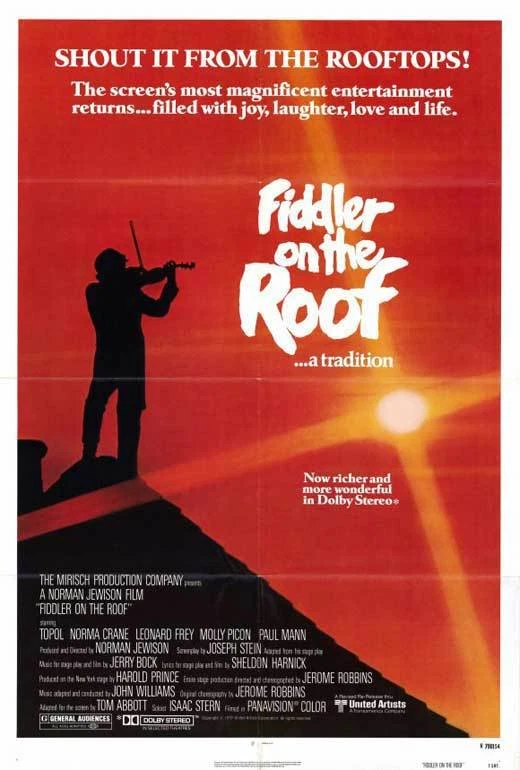
Fiddler on the Roof poster
1971

#1 — Fiddler on the Roof

Box Office: $80.5M
GenreMusical drama
DirectorNorman Jewison
1971 Rank#1
Main Cast
  • Topol as Tevye
  • Norma Crane as Golde
  • Leonard Frey as Motel
  • Molly Picon as Yente

Fiddler on the Roof finishing as the biggest 1971 release is one of the most interesting facts about the year, because it proves old forms didn’t simply vanish when the 70s arrived. A major studio musical could still dominate — but it needed emotional depth, cultural specificity, and a strong relationship to the era’s bigger anxieties about family, change, tradition, and loss.

That’s why Fiddler on the Roof feels more durable than a simple “big musical hit” label suggests. Norman Jewison and Topol give the material real human weight. Tevye is funny, stubborn, warm, and wounded, and the story around him isn’t just sentimental community life. It’s a story about social change pressing in, daughters moving beyond inherited expectations, and entire ways of living becoming unstable.

In the context of 1971, the movie matters because it shows the old large-scale entertainment machine surviving by becoming more emotionally serious rather than more carefree. The songs, humor, and theatricality are all still there, but the feeling underneath them is historical pressure and impending displacement. That gives the movie a gravity that helped make it a genuine phenomenon.

For Gen X, it remains one of those essential “parents’ big movie” landmarks that also genuinely earns its size: warm, humane, deeply musical, and shadowed by the knowledge that change never asks permission before it arrives.

Fun Fact / Why It Still Matters Fiddler on the Roof still matters because it proved a giant musical could dominate the box office by embracing loss, family conflict, and historical change instead of escaping from them.

Rewind Verdict

The top 10 movies of 1971 are one of the clearest statements the early 70s could make. This is a mainstream box-office lineup full of friction: adult relationships, urban fear, antiheroes, counterculture anger, historical unease, dystopian provocation, nostalgia tinged with loss. Even the big crowd-pleasers feel less innocent than they would have a few years earlier.

What makes the year especially compelling is the range of that adult turn. It isn’t all one tone. You can get the populist fury of Billy Jack, the procedural grit of The French Connection, the toxic intimacy of Carnal Knowledge, the bleak stylization of A Clockwork Orange, and the communal historical emotion of Fiddler on the Roof all within the same year-end list.

For Smells Like Gen X, 1971 works as a key origin-point year: the moment the 70s mainstream clearly starts teaching audiences to live with harder men, sharper satire, sadder nostalgia, and a lot less faith that systems or traditions are going to save anybody.

FAQ: Top Movies of 1971

What was the highest-grossing 1971 release at the North American box office?

Fiddler on the Roof finished as the biggest 1971 release in North America.

Was The French Connection really one of the biggest movies of 1971?

Yes. The French Connection was both a major box-office success and one of the defining movies of the year’s harder, grittier New Hollywood turn.

Why does 1971 feel more adult than 1970?

Because so many of its biggest films revolve around urban crime, sexual politics, institutional mistrust, dystopian violence, emotional damage, and antihero energy instead of more traditional studio reassurance.

Why use release-year grosses instead of calendar-year totals?

Because release-year grosses give 1971 a cleaner identity and avoid mixing in older holdovers that were still earning money during the same calendar period.

What makes the 1971 lineup so memorable?

Its confidence. The year’s biggest movies prove mainstream audiences were fully ready for sharper, stranger, more emotionally complicated material without losing their appetite for giant entertainment.

Get the Weekly Gen X Drop

New videos, rewinds, and savage nostalgia — first.

JOIN THE NEWSLETTER WATCH VIDEOS

MORE REWINDS