Smells Like Gen X • Fads of the 1980s
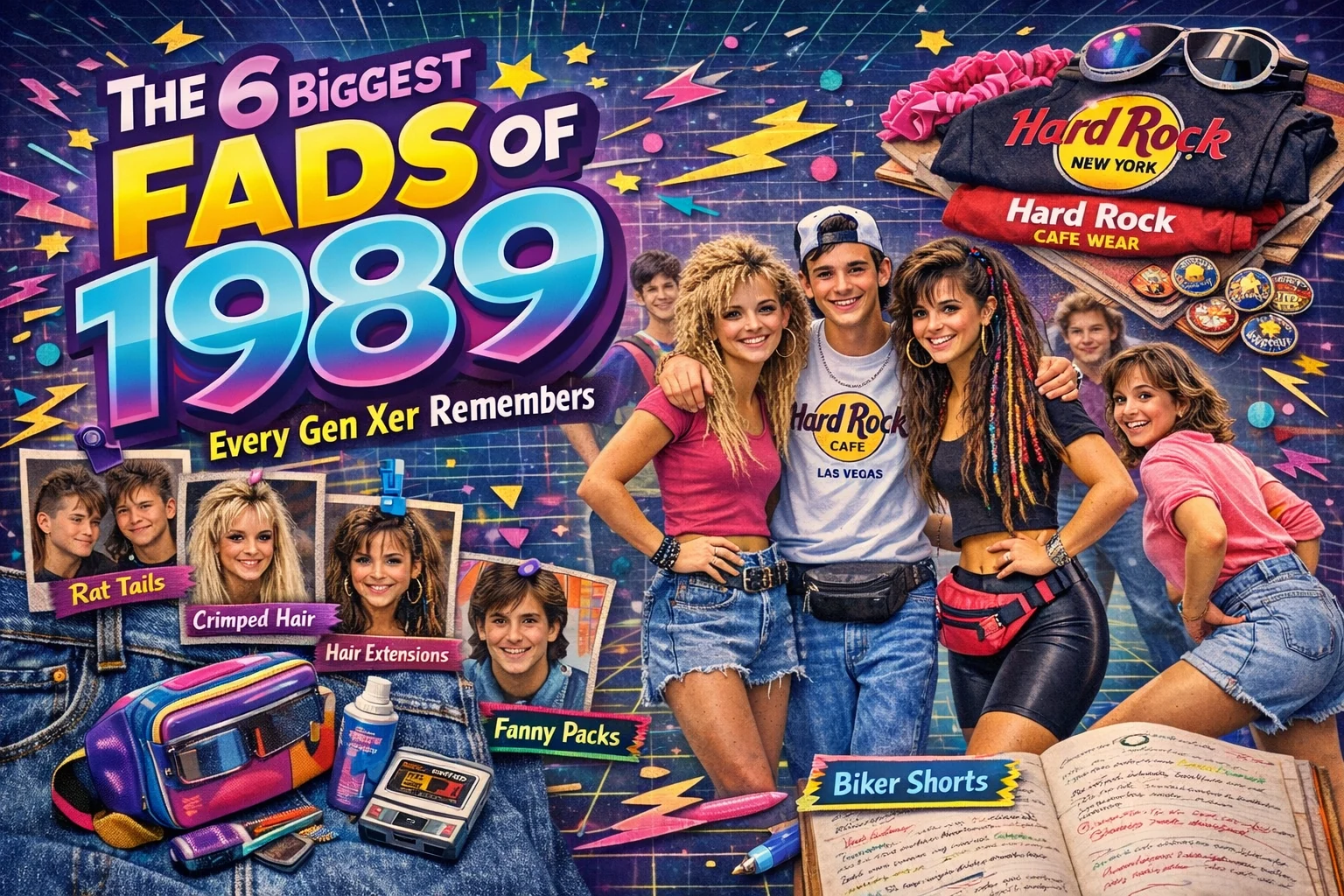
The 6 Biggest Fads of 1989 Every Gen Xer Remembers
By 1989, the 80s were not quietly winding down. They were still being aggressively themselves. This was the year of tourist-logo shirts that somehow became status symbols, biker shorts pretending to be everyday clothes, fanny packs showing up like they were a serious fashion decision, bigger hair solutions, crimped texture, and the kind of questionable boy haircut that could only happen in the late 80s and somehow survive family photos. It was less about one giant fad and more about a whole collection of “yes, that was a thing” choices people really made.
Why 1989 Felt So Specific
1989 had a very transitional energy. It still belonged to the 80s, but you could feel the decade starting to twist into stranger, more casual, more everyday directions. The fads were a mix of mall culture, tourist culture, beauty experiments, and accessory logic that only made sense because everybody had been living in bright, oversized, image-conscious style for years. By then, even practicality had started dressing weird.
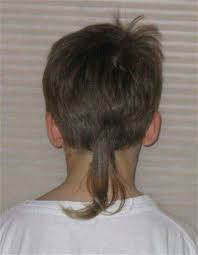
#6 Rat Tails
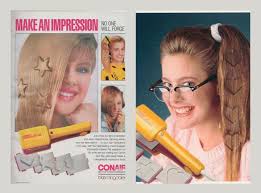
#5 Crimped Hair
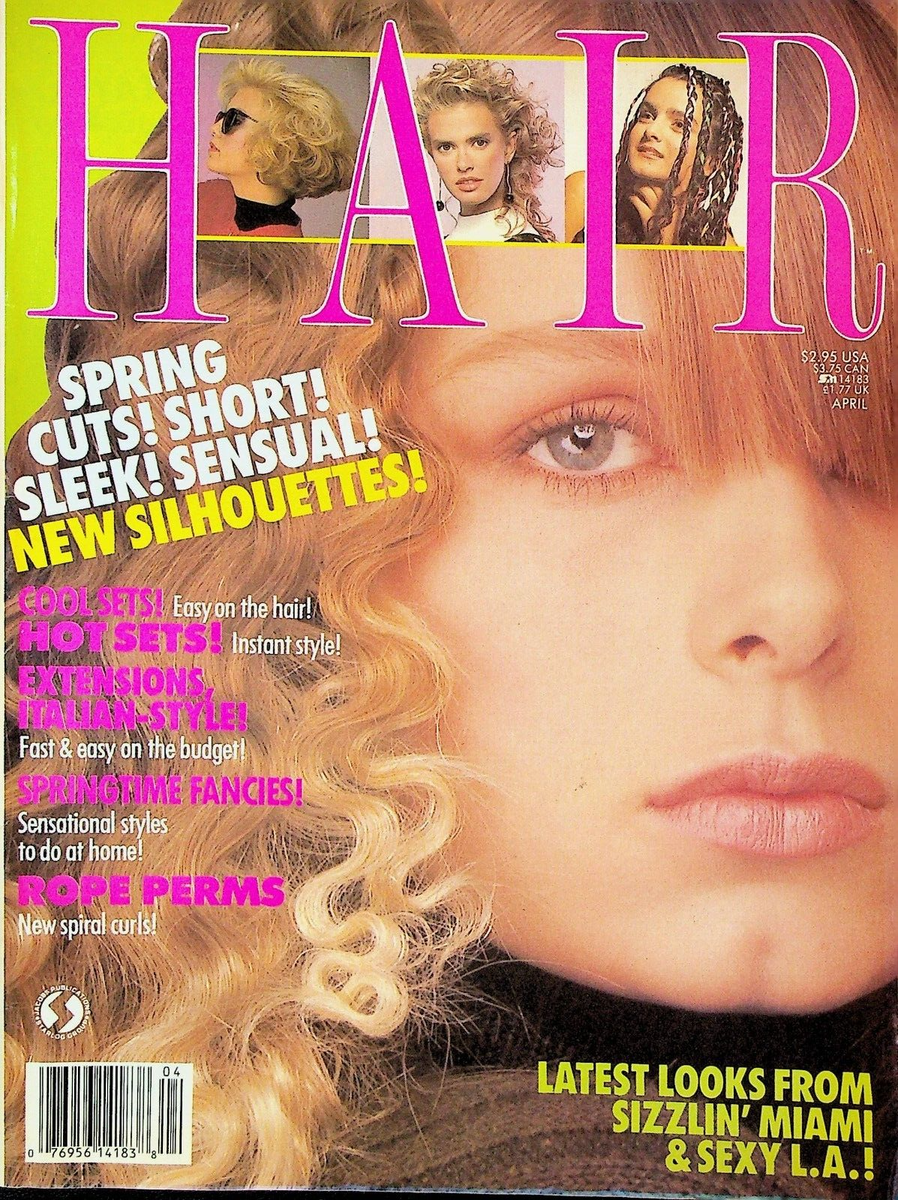
#4 Hair Extensions
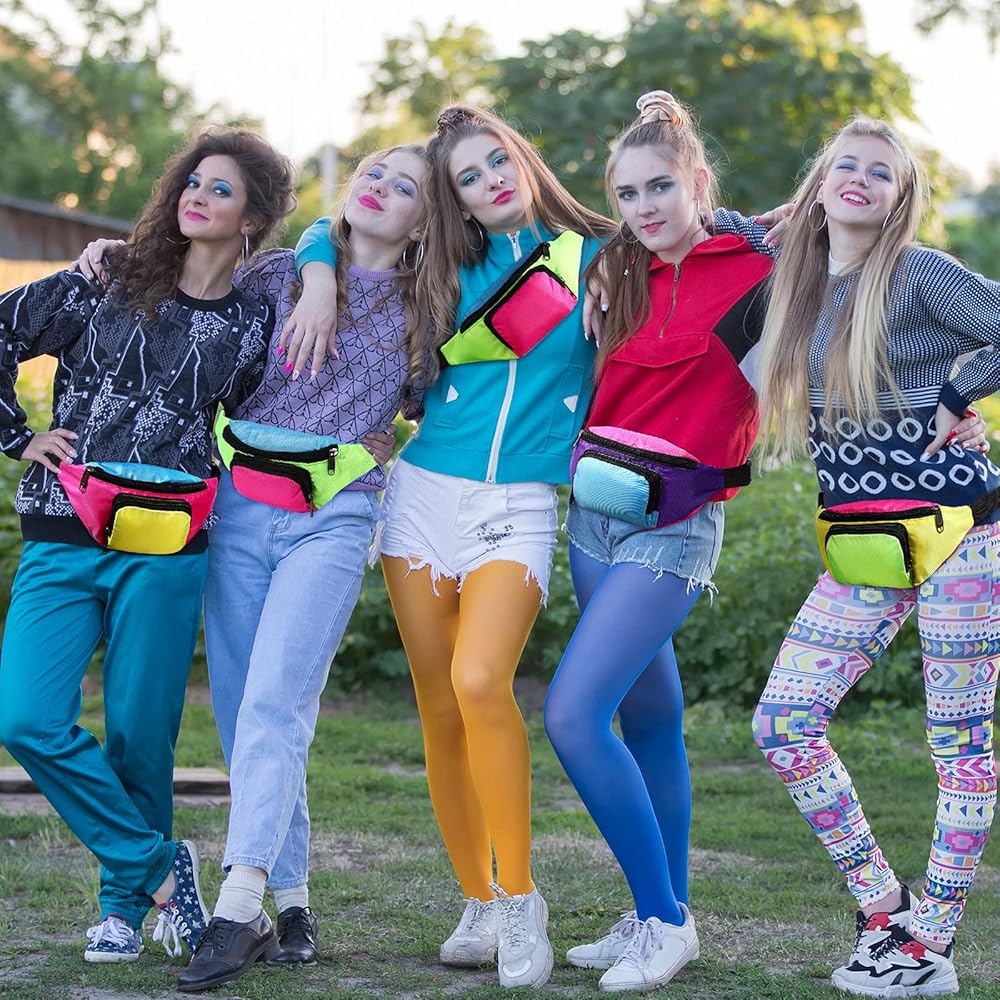
#3 Fanny Packs
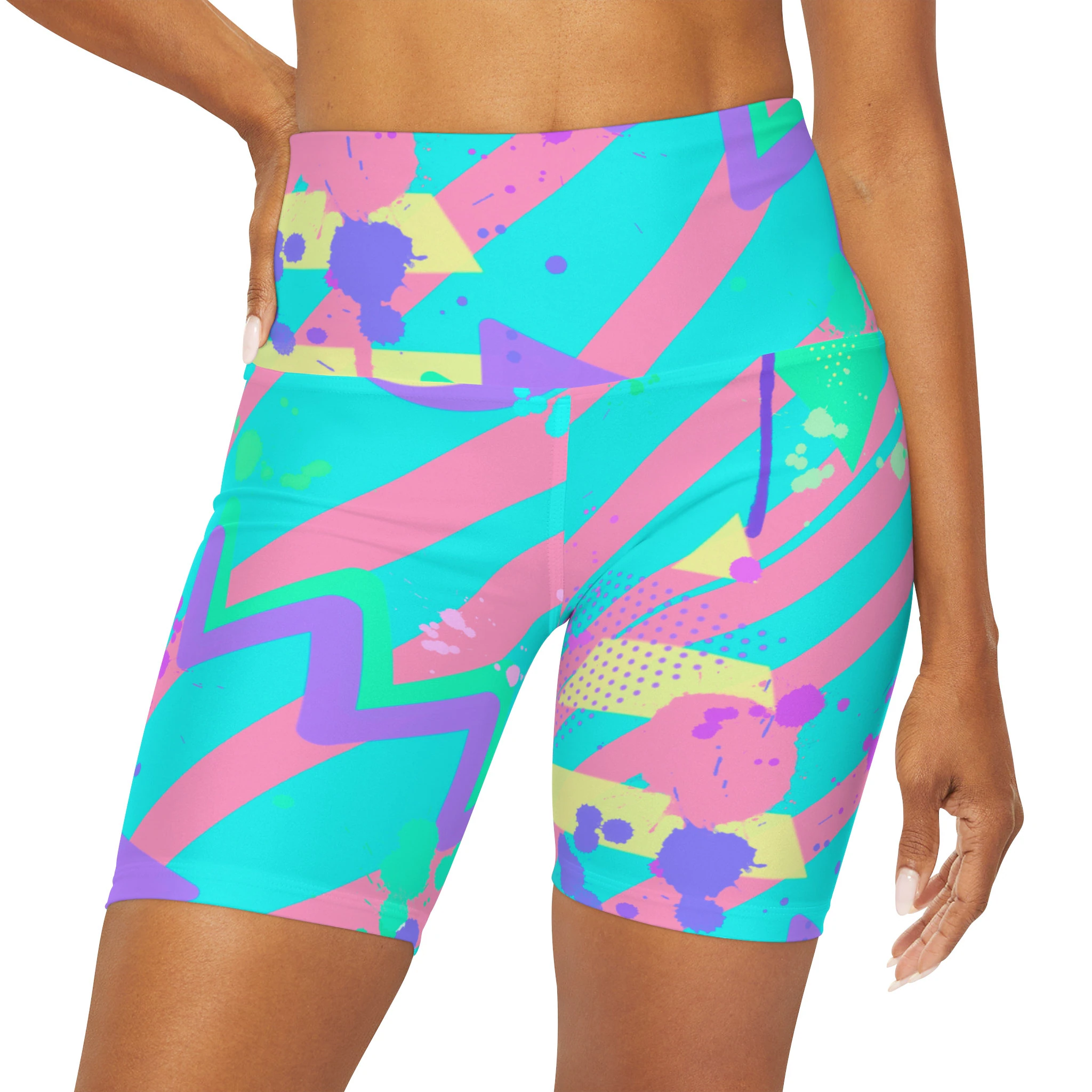
#2 Biker Shorts
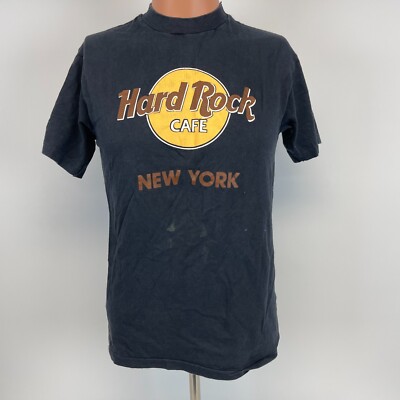
#1 Hard Rock Cafe Wear
Why these were the biggest fads of 1989
A real fad year is not just about what got talked about on TV. It is about what people actually did with their bodies, their hair, and their closets once they left the house. That is why 1989 works so well as a fad year. The trends were visible in everyday life. They showed up at the mall, on vacations, in school hallways, at amusement parks, in salons, and in those little daily rituals where people decided how they wanted to look before stepping into public.
By this point, late-80s culture had become comfortable mixing style with weird practicality. Fanny packs were useful, yes, but also bizarrely fashionable. Biker shorts came from athletic logic and somehow ended up in everyday outfits. Hair extensions and crimping let people keep pushing volume and texture even as the decade was nearing the finish line. And Hard Rock Cafe shirts turned travel merch into a status item, which is honestly one of the most late-80s things imaginable.
That is what makes 1989 feel different from 1988. The earlier year still had more obvious school-kid rituals and notebook-level chaos. 1989 felt more like a broader lifestyle year — still youthful, still visual, still a little ridiculous, but more tied to what people wore and how they managed their image in ordinary public life.
Gen X Note
If you were there, you remember that 1989 could feel like the last big weird exhale of the decade. Somebody had a Hard Rock Cafe shirt from a city they may or may not have actually visited. Somebody else was wearing biker shorts like that was fully normal. Fanny packs were trying to become respectable. Hair was still being crimped, extended, sprayed, and manipulated into late-80s shapes. And somewhere in every neighborhood, there was at least one kid walking around with a rat tail like no one had the power to stop him.
The countdown
- #6 Rat tailsThe boy-hair fad that felt rebellious, awkward, and weirdly committed all at once.
- #5 Crimped hairBecause straight or curly apparently was not enough; your hair needed texture and attitude too.
- #4 Hair extensionsLate-80s beauty culture was still chasing bigger, fuller, more dramatic hair by any means available.
- #3 Fanny packsThe accessory that tried to convince everyone convenience and style were the same thing.
- #2 Biker shortsAthletic wear crossed fully into everyday fashion and somehow stayed there.
- #1 Hard Rock Cafe wearTourist logo shirts became a strange kind of status symbol by the end of the decade.
#6 Biggest Fad
Rat Tails
Why it hitBoy-hair rebellion, low-maintenance weirdness, instant recognition
1989 anchorOne tiny strip of hair somehow became a full statement
Why it matteredIt gave boys their own late-80s style oddity
Rat tails are one of those fads that make absolutely no sense until you remember the era that produced them. Then they make perfect sense. In a decade that loved exaggerated style, visual signals, and tiny acts of self-expression that could somehow irritate adults, a narrow tail of longer hair hanging down the back of the neck was exactly the kind of thing that could catch on.
What made the rat tail work as a real fad was that it was cheap, visible, and easy to understand. You did not need a full haircut transformation. You just needed the willingness to commit to one very specific choice and trust that people would notice. They definitely did. The style could make a kid look tougher, weirder, cooler, or all three depending on who was doing the judging.
If you lived through it, you remember how common they suddenly felt for a stretch. It was not universal, but it was absolutely around. And it had that unmistakable late-80s quality where everybody just kind of accepted that this odd little detail counted as style for a while.
#5 Biggest Fad
Crimped Hair
Why it hitTexture, volume, salon trend, easy visual payoff
1989 anchorHair needed more shape, not less
Why it matteredIt let ordinary hair participate in late-80s drama
Crimped hair was the kind of beauty trend only the 80s could love without hesitation. Straight hair was too simple. Regular curls were apparently insufficient. The solution, naturally, was to add a zigzag texture that made your hair look like it had been run through decorative electrical equipment. And somehow, it worked.
Part of the appeal was that crimping gave hair instant visual interest. It made the whole look feel bigger, busier, and more intentionally styled without requiring a completely new cut. That is a big part of why it thrived in 1989. The decade still wanted drama, but it was increasingly doing that drama through styling tools and texture rather than just raw height alone.
If you were there, you remember that crimped hair had a specific kind of effort behind it. It did not just happen. It was made. And because it was so obviously made, it signaled that somebody cared about getting the look right. In a late-80s culture that still rewarded visible effort, that counted for a lot.
#4 Biggest Fad
Hair Extensions
Why it hitBigger hair goals, salon culture, beauty experimentation
1989 anchorLate-80s hair still wanted more
Why it matteredBeauty culture kept escalating the look
By 1989, the decade had spent years teaching people that hair was not just hair. It was architecture. It was identity. It was status. So it makes sense that extensions started feeling like one more logical tool in the pursuit of late-80s volume, fullness, and glamour. When the beauty standard keeps asking for more, people find ways to add more.
That is what makes hair extensions belong on this list. They represent the end-stage logic of 80s beauty culture. Bigger was still better. Fuller was still better. More obvious effort was still better. Extensions made it possible to push the look further, whether somebody wanted longer hair, thicker hair, or just more overall presence in the mirror.
If you lived through it, you remember that the salon side of the decade could get very serious about hair. Trends did not just live in magazines. They lived in appointments, tools, products, and increasingly elaborate routines. Extensions fit right into that environment. They were beauty ambition in physical form.
#3 Biggest Fad
Fanny Packs
Why it hitConvenience, travel style, casual fashion crossover
1989 anchorPracticality dressed itself up and joined the party
Why it matteredIt was one of the decade’s strangest accessory success stories
Fanny packs are one of the great examples of late-80s culture deciding that utility and fashion should absolutely be roommates, whether that made any sense or not. They were convenient, hands-free, travel-friendly, and deeply uncool in a way that somehow looped back around into being cool for a while. That kind of contradiction is pure 1989.
What made them work was visibility. A bag hidden in your hand or over your shoulder is one thing. A pouch strapped right to the front of your body is an announcement. It says you are carrying things, yes, but it also says you have accepted a very specific silhouette into your life. That gave fanny packs a weirdly strong identity for something so practical.
If you were there, you remember how suddenly normal they started to seem. At the mall. At amusement parks. On vacations. At casual outings. For a while, the culture collectively decided that this was a reasonable accessory choice, and the amazing part is that plenty of people genuinely pulled it off — or at least believed they did.
#2 Biggest Fad
Biker Shorts
Why it hitAthletic-casual crossover, comfort, high visibility
1989 anchorWorkout logic invaded ordinary outfits
Why it matteredIt helped blur the line between activewear and daily wear
Biker shorts are one of those trends that tell you a lot about the end of the 80s. They were sporty, body-conscious, casual, and somehow normal enough to leave the gym and become part of regular life. That shift matters. Once workout-adjacent clothing starts showing up as everyday fashion, you are seeing the culture rewire itself in real time.
Part of the appeal was that biker shorts felt modern. They had that slick, active, movement-ready quality that late-80s style increasingly liked. Paired with oversized shirts, bright tops, or other casual pieces, they made people look like they had somewhere energetic to be even when they were really just going to the mall or hanging out with friends.
If you lived through it, you remember how specific the look was. It was not just clothing. It was a silhouette. It carried its own late-80s confidence — a little sporty, a little daring, a little absurd in hindsight, but undeniably of the moment. That is why biker shorts rank so high. They capture the casual-fashion shift of 1989 better than almost anything else.
#1 Biggest Fad
Hard Rock Cafe Wear
Why it hitLogo culture, travel status, casual uniform dressing
1989 anchorA tourist T-shirt became a flex
Why it wonIt turned everyday casual wear into social signaling
Nothing sums up the strange social logic of the late 80s quite like Hard Rock Cafe shirts becoming a real fashion statement. On paper, they were souvenirs. In real life, they turned into status-coded casual wear. They suggested travel, money, access, and a certain kind of branded cool that fit perfectly into the end-of-decade obsession with logos and visible identity.
That is why they take the top spot. Hard Rock wear was not just something you saw once on vacation. It became part of everyday wardrobes. The shirt worked because it was relaxed but still recognizable, casual but still loaded with meaning. It could say “I’ve been somewhere” even when what it mostly meant was “this logo matters.” And in the late 80s, that was enough.
If you were there, you remember that these shirts had their own social charge. They were acceptable, desirable, and instantly readable. They told people you knew what kind of shirt counted. That sounds silly now, but that is exactly why it belongs here. A good fad does not have to make sense. It just has to make a lot of people participate — and Hard Rock Cafe wear absolutely did.
Rewind Verdict
1989 felt like the last big strange flourish of the 80s. Hard Rock Cafe wear turned logo tourism into a real social signal. Biker shorts made activewear part of ordinary life. Fanny packs somehow sold practicality as fashion. Hair extensions and crimping kept beauty culture pushing for bigger, more styled results. And rat tails gave boys their own tiny, stubborn slice of late-80s weirdness.
That is why this lineup works. These were not just things people noticed in 1989. They were things people wore, styled, carried, clipped on, tolerated, judged, and worked into daily life while the decade was still trying to decide how weird it wanted to be on the way out.
1989 Fads FAQ
Why is Hard Rock Cafe wear ranked above biker shorts?
Because it captures a broader social logic of late-80s style. Biker shorts were huge, but Hard Rock shirts say more about how branding, travel, casualwear, and status all got mixed together by 1989.
Why include fanny packs on a fad list?
Because they clearly moved beyond pure utility and became a visible accessory trend. Once people start wearing something practical in a way that is also meant to be stylish, it has crossed into fad territory.
Were hair extensions and crimped hair really both part of 1989?
Yes, because they represent two sides of late-80s beauty logic: more hair and more texture. One added fullness and glamour, while the other added visible styling and shape. Together they help define how image-conscious the year still was.
Is the rat tail too weird to count as a real fad?
The weirdness is part of the case for it. It was recognizable, easy to copy, strongly tied to its era, and visible enough that people still remember it instantly. That is exactly what a real fad is supposed to do.