#10 — Teddy Ruxpin
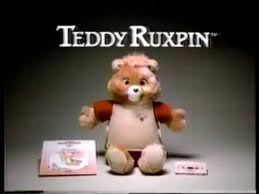
Lingering Plush-Tech MagicTeddy Ruxpin closes out the 1988 list because by now he represents a very specific kind of mid-80s dream still echoing into the late decade: the dream that technology could feel warm, personal, and narratively alive. Earlier on, Teddy felt like the future wrapped in fur. In 1988, he feels more like the surviving emblem of a phase when interactive toys still carried a certain uncanny wonder.
What keeps him relevant is not just the talking feature itself. It is the emotional structure behind it. Teddy is a plush toy designed to meet the child halfway, to perform relationship instead of simply inviting imagined companionship. That remains a powerful formula even after newer distractions emerge, because it offers something more intimate than a standard stuffed animal and more emotionally accessible than a pure electronic device.
In the context of 1988, Teddy is especially revealing because the market is moving harder toward consoles, sharper licensing, and stronger franchise warfare. He survives in that environment because he still occupies a lane few other toys can fully claim: the storytelling companion. He doesn’t need to be the center of the year to still feel unmistakably important to it.
For Gen X, Teddy Ruxpin in 1988 feels like a holdover from an earlier but still recent future — a reminder that the decade once believed the best machines might also be the cuddliest.