Top 10 Movies of 1999

Top 10 Movies of 1999
Smells Like Gen X • Top Movies of 1999

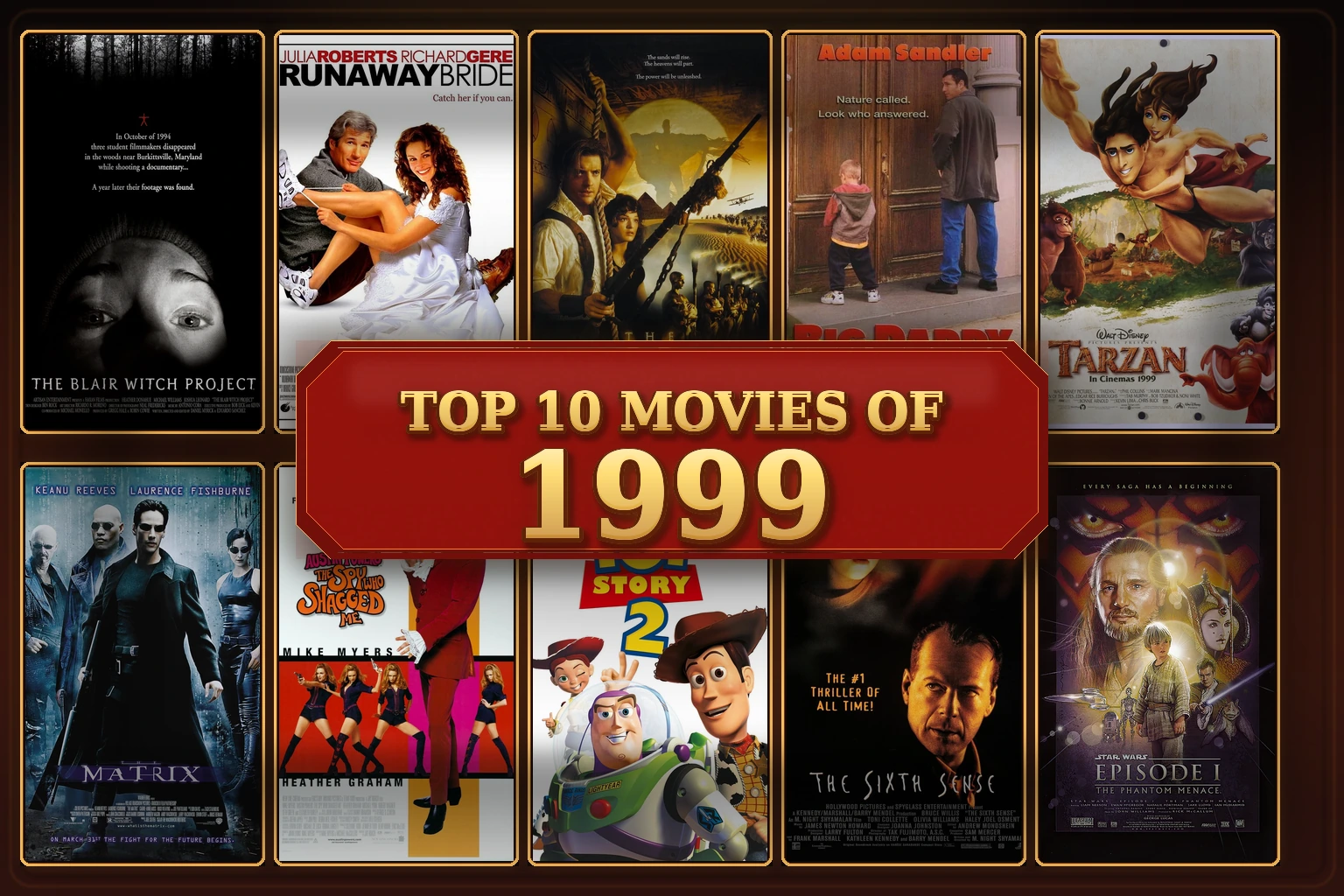
The Top 10 Movies of 1999

The top 10 movies of 1999 feel like the final, weirdly perfect capstone to the decade because they pull together almost every major late-90s commercial mode in one place. This is the year of sequel confidence, CGI polish, youth-market hype, found-footage panic, studio comedy muscle, Disney animation, star-driven romantic formula, and one franchise-reviving sci-fi myth event so enormous that it practically bent the culture around itself.

What makes 1999 especially fascinating is how different the hits feel from one another while still looking undeniably of the same moment. The Phantom Menace turns anticipation into a commercial superweapon. The Sixth Sense becomes a word-of-mouth phenomenon by proving audiences still loved a smart, moody thriller when it arrived with a hook strong enough to pass from person to person like gossip. Toy Story 2 confirms Pixar is now a major force. The Matrix makes action look cooler, sleeker, and philosophically stranger. Then you have Big Daddy, The Mummy, Runaway Bride, and The Blair Witch Project reminding you the multiplex still had plenty of room for broad comedy, old-school star chemistry, pulp adventure, and low-budget horror disruption.

For Gen X, 1999 feels like the last stop before the cultural handoff into a more fully digital, franchise-dominated 2000s. You can still feel the old studio system habits here — movie stars still matter, rom-coms still print money, horror can still erupt from nowhere, and a sequel can still feel like a genuine event instead of a mandatory content unit. It is a finish line year, but not a tired one. It is loud, strange, overmarketed, and full of movies people still argue about, quote, or defend decades later.

Gen X Note: 1999 feels like the end of the 90s in the best possible way — blockbuster hype at full blast, star vehicles still alive, horror getting scrappy again, CGI turning sleek instead of merely impressive, and one giant franchise prequel dominating the whole conversation whether people loved it or not.

Quick List: The Top 10 Movies of 1999

  1. The Blair Witch Project
  2. Runaway Bride
  3. The Mummy
  4. Big Daddy
  5. Tarzan
  6. The Matrix
  7. Austin Powers: The Spy Who Shagged Me
  8. Toy Story 2
  9. The Sixth Sense
  10. Star Wars: Episode I – The Phantom Menace

Countdown: The Top 10 Movies of 1999

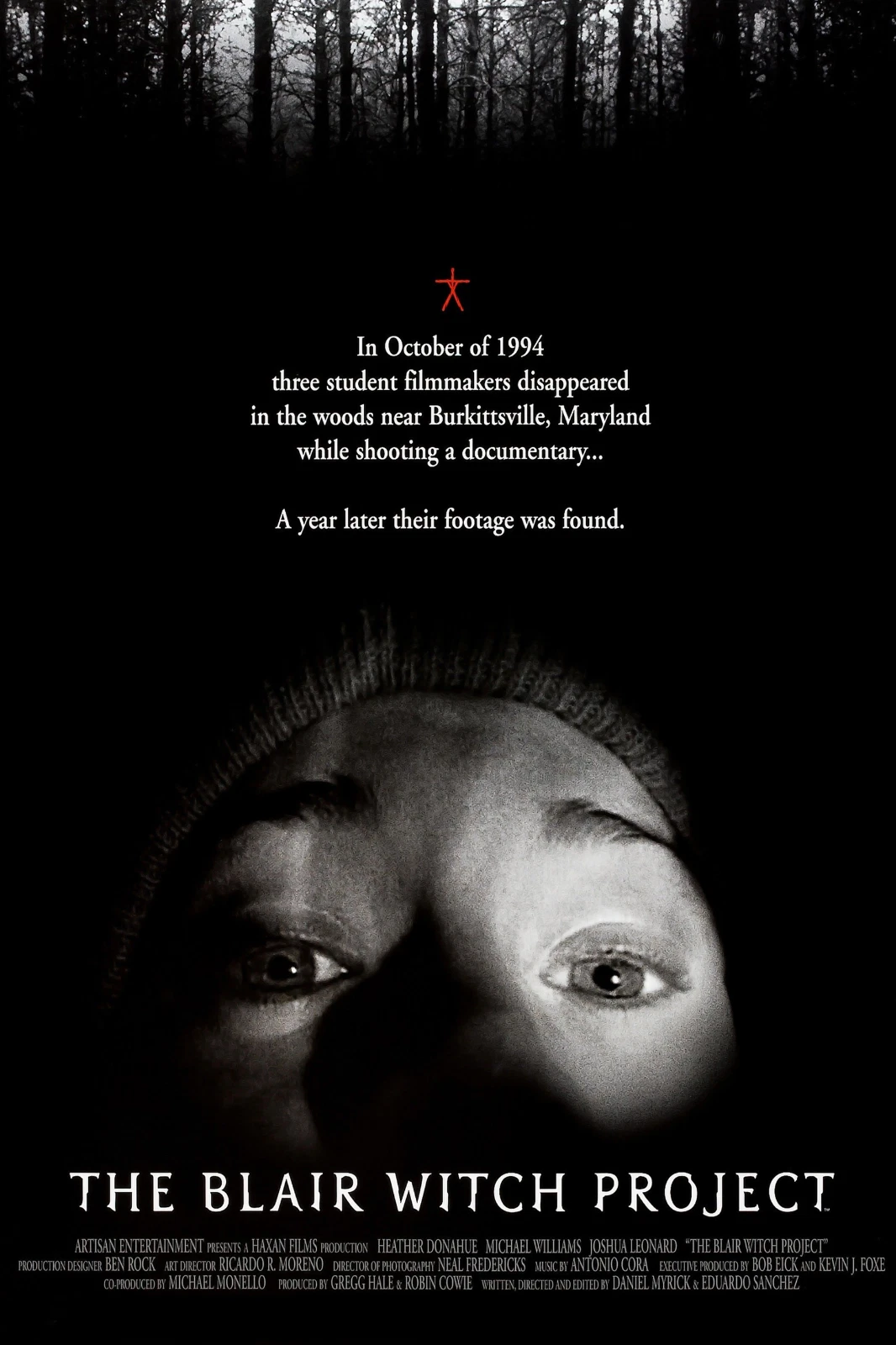
The Blair Witch Project poster
1999

#10 — The Blair Witch Project

Box Office: $140.5M
GenreHorror
DirectorDaniel Myrick & Eduardo Sánchez
1999 Rank#10
Main Cast
  • Heather Donahue as Heather
  • Michael C. Williams as Mike
  • Joshua Leonard as Josh

The Blair Witch Project closing out the 1999 top 10 is one of the most important commercial shocks of the decade. This is not just a hit horror movie. It is a proof-of-concept event for viral-style movie marketing, stripped-down filmmaking, and the kind of audience curiosity that can only happen when people are not quite sure where the fiction ends and the pitch begins.

The movie’s power comes from how little it gives you. It does not overwhelm with creature effects, ornate mythology dumps, or conventional horror set pieces. It withholds, fragments, and destabilizes. The missing information is the product. The fear comes not from showing too much, but from making the audience do nervous work in the dark spaces between scraps of evidence.

That minimalism is exactly why it mattered in 1999. The decade was full of increasingly polished, increasingly expensive studio entertainment, and Blair Witch arrived like a splinter in the system. It proved that unease, rumor, and formal roughness could become their own kind of commercial spectacle if the cultural conversation did enough of the selling.

In the context of 1999, the movie matters because it reminded Hollywood that scale was not the only way to dominate attention. Scarcity, suggestion, and curiosity could do it too.

For Gen X, it remains one of those rare movies that people remember not just for the film itself, but for the feeling of hearing about it, debating it, and daring one another to go experience it.
Fun Fact / Why It Still Matters It still matters because it showed that a horror movie could turn uncertainty itself into a commercial engine and reshape how studios thought about buzz.
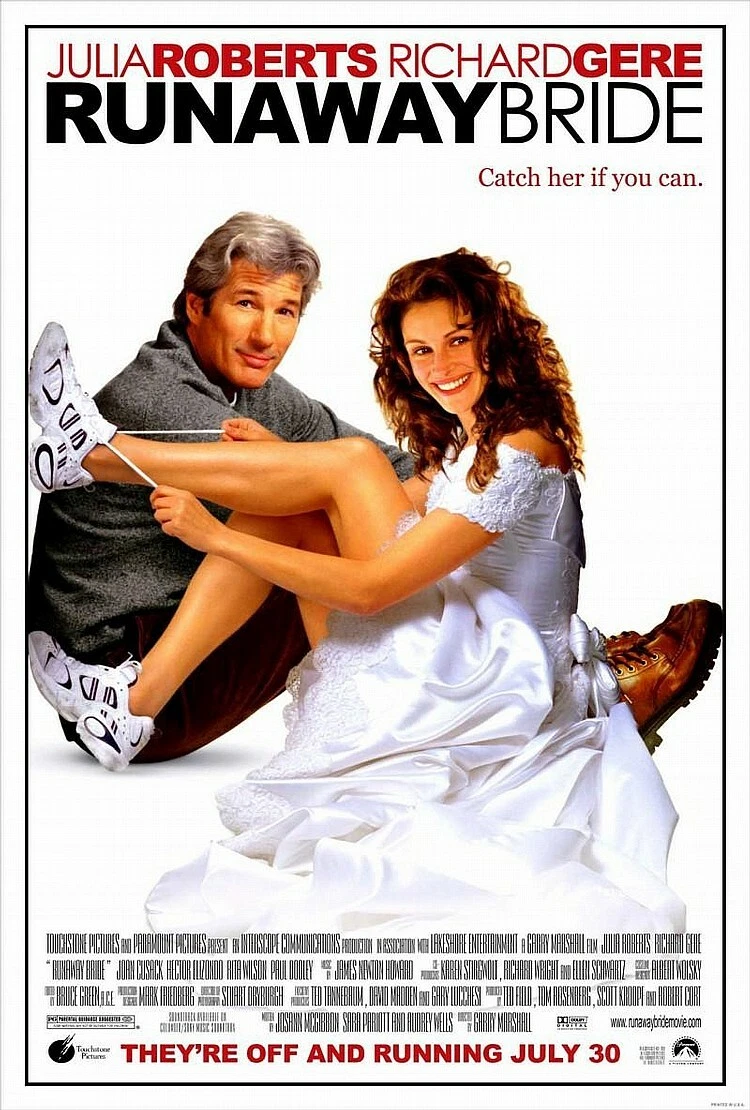
Runaway Bride poster
1999

#9 — Runaway Bride

Box Office: $152.3M
GenreRomantic comedy
DirectorGarry Marshall
1999 Rank#9
Main Cast
  • Julia Roberts as Maggie Carpenter
  • Richard Gere as Ike Graham
  • Joan Cusack as Peggy Fleming
  • Héctor Elizondo as Fisher

Runaway Bride at number nine is a reminder that in 1999 star chemistry still counted for an enormous amount. The movie is not subtle about what it is selling. It is selling Julia Roberts and Richard Gere together again, wrapped in romantic-comedy familiarity, small-town chaos, and the comfortable promise that audiences already know what emotional flavor they are buying.

That familiarity is exactly why the movie matters. It shows how strong the old star-driven rom-com engine still was right at the end of the decade. You did not need a superhero suit, a digital creature, or a giant disaster premise if you had two stars the audience already associated with major romantic-movie pleasure.

Julia Roberts remains the real gravity here because the movie depends on Maggie being more than just flaky. She has to feel emotionally blocked, unsure of herself, and still irresistible enough for the story’s central pursuit to make sense. Roberts could do that without appearing to strain for audience sympathy, which is part of why her 90s run was so commercially potent.

In the context of 1999, Runaway Bride matters because it stands as one of the last giant examples of the old-school studio romantic-comedy machine operating almost entirely on charisma and familiarity.

For Gen X, it remains one of those “yes, of course this made a fortune” titles — the kind of movie that feels baked into the era’s mainstream assumptions about stars, date nights, and audience comfort food.

Fun Fact / Why It Still Matters It still works as a time capsule of when major romantic comedy could still ride almost entirely on star power and audience affection for an on-screen pairing.
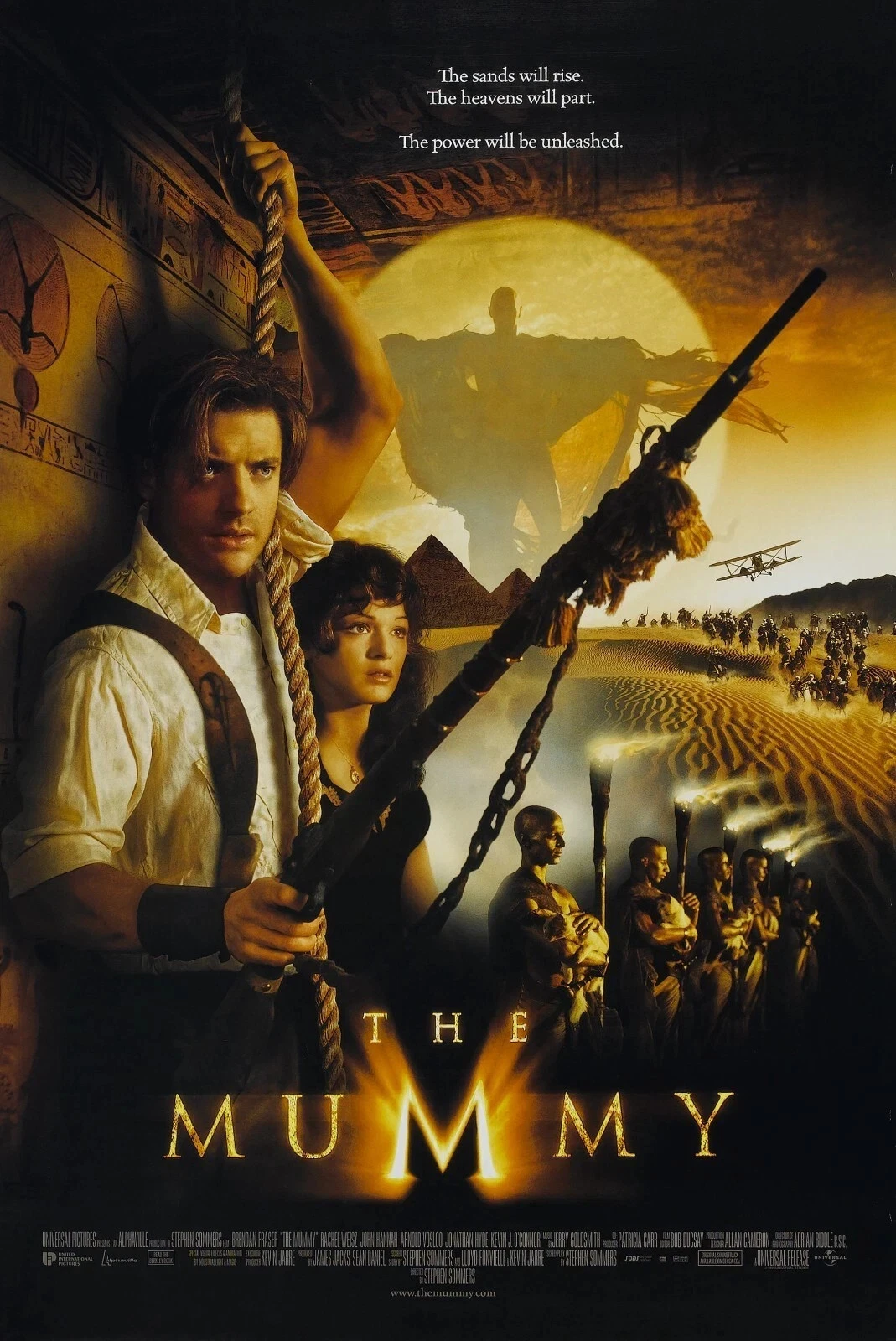
The Mummy poster
1999

#8 — The Mummy

Box Office: $155.5M
GenreAdventure fantasy
DirectorStephen Sommers
1999 Rank#8
Main Cast
  • Brendan Fraser as Rick O’Connell
  • Rachel Weisz as Evelyn Carnahan
  • John Hannah as Jonathan Carnahan
  • Arnold Vosloo as Imhotep

The Mummy at number eight is one of the best examples of 1999 pulp adventure getting exactly the tone right. The movie understands that it does not need to be solemn to be satisfying. It needs momentum, chemistry, monsters, sand, curses, and just enough sincerity that the whole thing does not collapse into parody.

Brendan Fraser is a huge reason the film still has so much afterlife. He gives Rick O’Connell real old-fashioned matinee energy without feeling fake or self-important. Rachel Weisz helps balance the movie beautifully by making Evelyn smart, funny, and active enough to matter instead of simply functioning as scenery around the action.

The movie also benefits from arriving at a moment when CGI had gotten strong enough to sell supernatural mayhem, but had not yet become so frictionless that every studio adventure looked weightless. The Mummy still feels tactile, sweaty, and physically inhabited, which helps the spectacle go down better.

In the context of 1999, the film matters because it shows Hollywood still knew how to make a broad, entertaining adventure movie that felt like a full meal instead of a teaser for ten more installments.

For Gen X, it remains one of the most rewatchable mainstream entertainments of the late 90s — a movie that understood charm is its own special effect.

Fun Fact / Why It Still Matters It still endures because it hit the sweet spot between pulp, horror, humor, and star chemistry without becoming overly grim or overly self-aware.
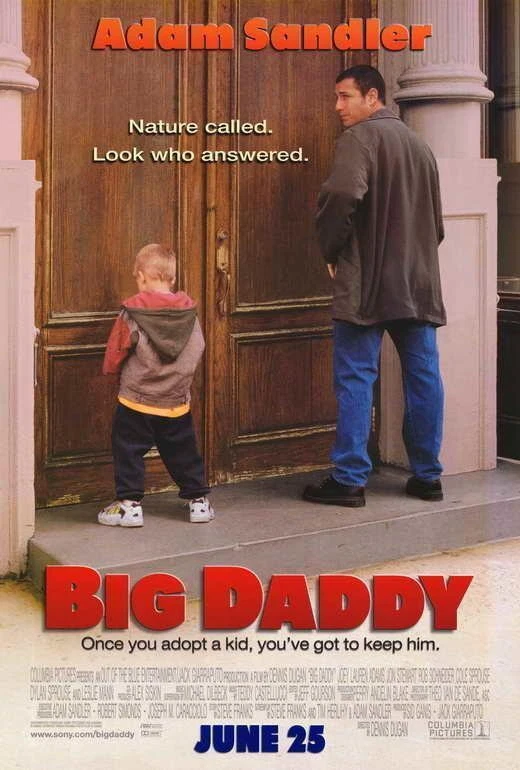
Big Daddy poster
1999

#7 — Big Daddy

Box Office: $163.5M
GenreComedy
DirectorDennis Dugan
1999 Rank#7
Main Cast
  • Adam Sandler as Sonny Koufax
  • Cole Sprouse and Dylan Sprouse as Julian
  • Joey Lauren Adams as Layla Maloney
  • Jon Stewart as Kevin Gerrity

Big Daddy at number seven shows Adam Sandler continuing one of the decade’s most commercially interesting runs. By this point, the audience no longer needed to be convinced what kind of energy he was bringing. The real trick was finding slightly different frames for it. Here the frame is pseudo-parenthood — irresponsibility colliding with reluctant emotional growth.

The movie matters because it reveals Sandler’s ability to slide sentiment into his comedy without completely abandoning the slacker-man-child persona that made him huge. The setup lets him keep the laziness, the childishness, and the anti-respectability attitude, but now there is a kid around to force some shape into the chaos.

That blend turned out to be extremely bankable. Big Daddy is not built on sophistication. It is built on audience familiarity with Sandler’s rhythms, plus the comforting idea that even the least together adult in the room can stumble toward emotional usefulness if the movie gives him enough chances.

In the context of 1999, the film matters because it shows broad studio comedy still thriving on recognizable performer identity rather than on effects, mythology, or built-in franchise obligation.

For Gen X, it remains one of those peak-late-90s Sandler hits that seemed to become instantly permanent on cable, dorm-room televisions, and endlessly quoted casual conversation.

Fun Fact / Why It Still Matters It still stands as one of the clearest examples of Sandler finding a formula where arrested development and emotional payoff could successfully live in the same commercial package.
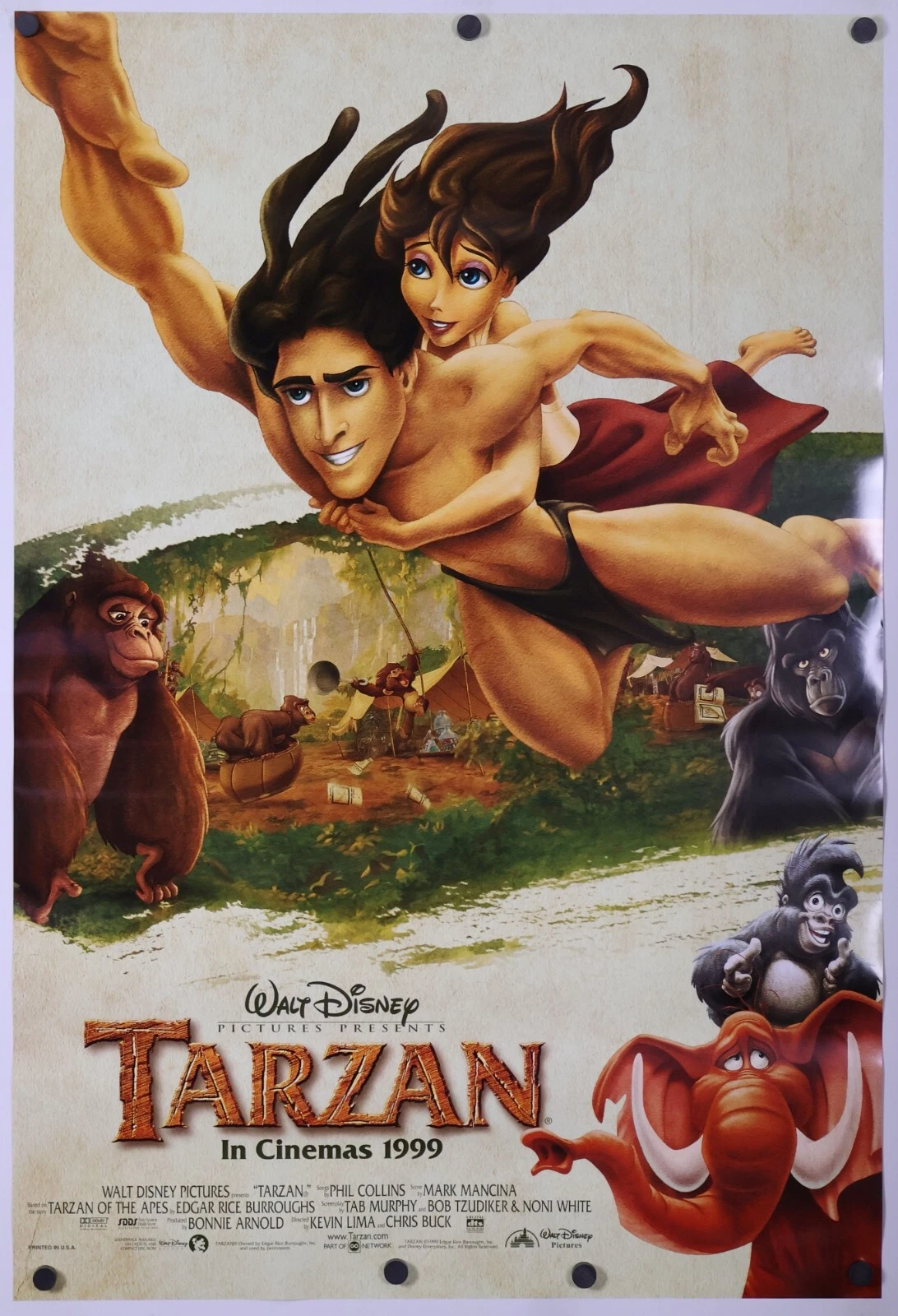
Tarzan poster
1999

#6 — Tarzan

Box Office: $171.1M
GenreAnimated adventure
DirectorChris Buck & Kevin Lima
1999 Rank#6
Main Cast
  • Tony Goldwyn as Tarzan
  • Minnie Driver as Jane
  • Glenn Close as Kala
  • Brian Blessed as Clayton

Tarzan at number six captures Disney animation in a slightly different late-90s phase. The Renaissance glow is still there, but the form is now being pushed toward greater motion, scale, and technical flourish. The “Deep Canvas” look and the vine-surfing movement gave the movie a physical velocity that made it feel more kinetic than some earlier Disney musicals.

That technical energy matters because Tarzan arrives right as animation is becoming a more crowded battlefield. Pixar is rising, DreamWorks is emerging, and Disney still needs to prove it can make its traditional animation pipeline feel exciting rather than merely familiar. Tarzan meets that challenge by making movement one of its main attractions.

The emotional structure is also very Disney in the best way: identity, belonging, family, outsiders, and the ache of living between worlds. That thematic familiarity helps the movie stay anchored even when the spectacle and musical flourishes get larger.

In the context of 1999, the film matters because it represents one of the last giant peaks of Disney’s hand-drawn late-90s commercial strength before the animation landscape shifted more decisively.

For Gen X and younger viewers near the tail end of the decade, it remains one of those “still big enough to feel like a real Disney event” releases from the last stretch of that era.

Fun Fact / Why It Still Matters It still matters because it helped push late-90s Disney animation toward a more dynamic, camera-like sense of movement right before the medium’s center of gravity started shifting.
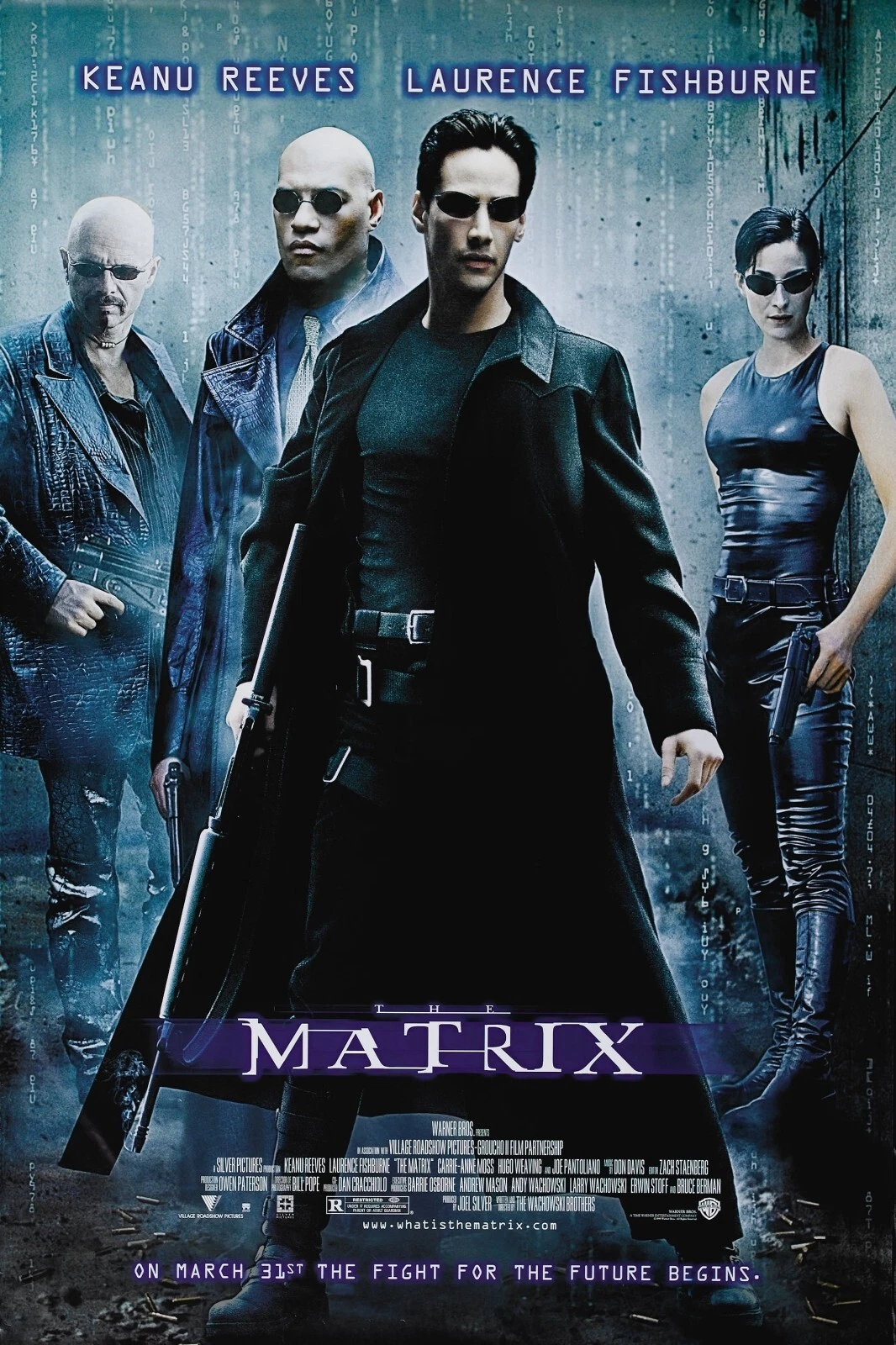
The Matrix poster
1999

#5 — The Matrix

Box Office: $171.5M
GenreSci-fi action
DirectorThe Wachowskis
1999 Rank#5
Main Cast
  • Keanu Reeves as Neo
  • Laurence Fishburne as Morpheus
  • Carrie-Anne Moss as Trinity
  • Hugo Weaving as Agent Smith

The Matrix at number five is one of the few movies on this list that feels like it did not just succeed commercially. It changed the visual and conceptual vocabulary around mainstream action. Bullet time is the obvious talking point, but the movie’s real power comes from the total coherence of its style: black leather, green code, cyber-paranoia, philosophical hooks, Hong Kong-influenced choreography, and a kind of cool so aggressively organized that it became instantly exportable into the rest of pop culture.

Keanu Reeves is exactly the right center for it because Neo begins not as a swaggering conqueror, but as a blank-ish seeker overwhelmed by the scale of what he is being asked to understand. That uncertainty lets the audience enter the movie’s concepts without the whole thing becoming too academic or too smug.

The Wachowskis also understood that the philosophy only works if the action is good enough to make the ideas physically seductive. The movie does not ask viewers to choose between thinking and spectacle. It packages them together inside one highly stylized system.

In the context of 1999, The Matrix matters because it represents the decade discovering a new kind of blockbuster cool — less Spielbergian awe, less Bay-style sensory overload, more sleek, self-aware, mythic futurism.

For Gen X, it remains one of those rare releases where you could feel in real time that the movie had changed the temperature of the culture around it.

Fun Fact / Why It Still Matters It still towers because it fused philosophy, action grammar, and pure visual attitude into a blockbuster that instantly rewired what “cool” looked like at the movies.
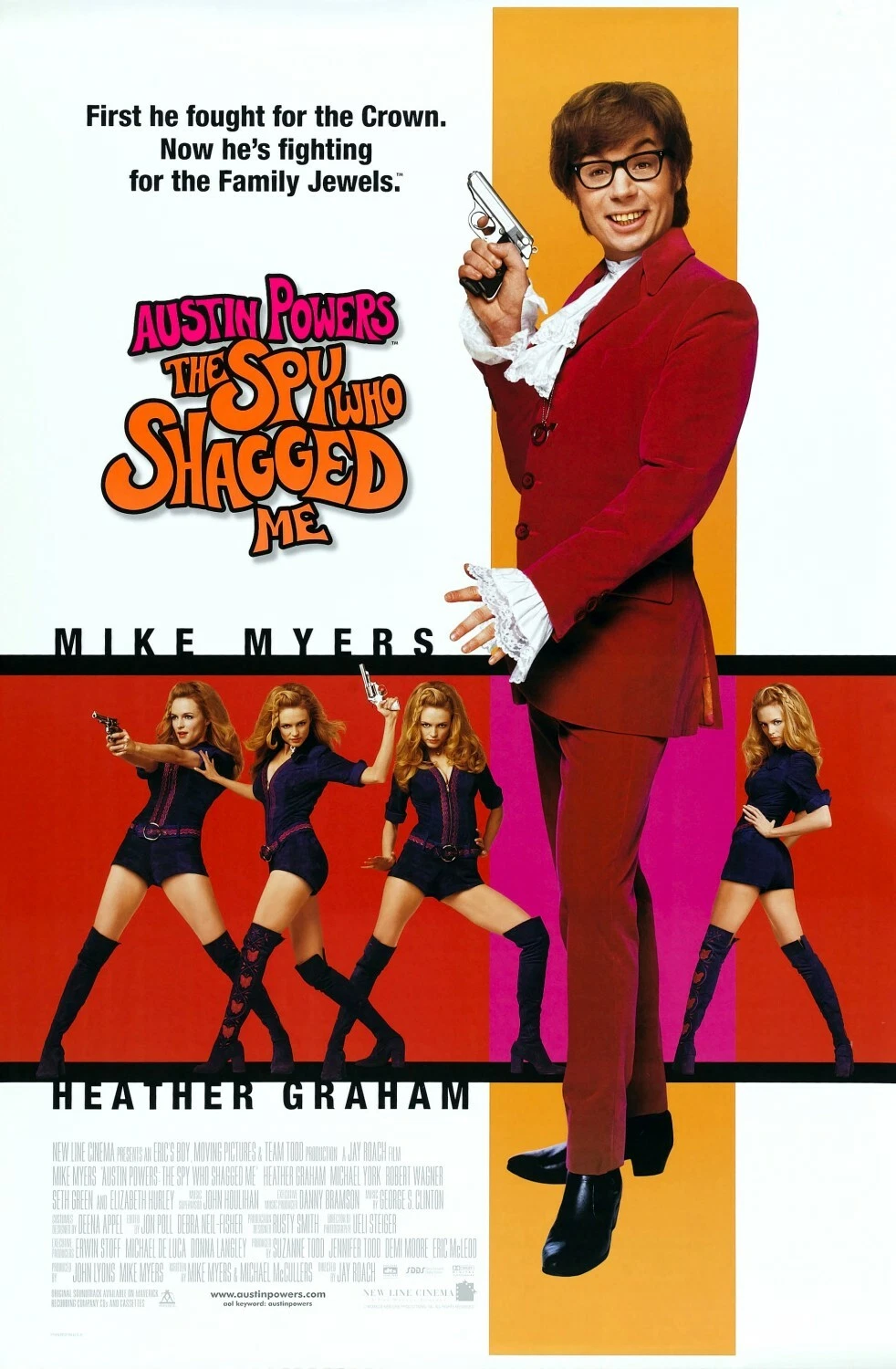
Austin Powers The Spy Who Shagged Me poster
1999

#4 — Austin Powers: The Spy Who Shagged Me

Box Office: $206.0M
GenreComedy
DirectorJay Roach
1999 Rank#4
Main Cast
  • Mike Myers as Austin Powers / Dr. Evil / Fat Bastard
  • Heather Graham as Felicity Shagwell
  • Michael York as Basil Exposition
  • Seth Green as Scott Evil

Austin Powers: The Spy Who Shagged Me at number four is what happens when a cultish comedy sensibility figures out how to become mass commercial language. The first film built the mythology and the tone. The second film cashes the check. Everything is bigger, more quotable, more merch-friendly, and more confident that the audience is already in on the joke.

Mike Myers’s multi-character engine is the heart of it. The movie is not delicate. It is built on catchphrases, repetition, performance exaggeration, and the pleasure of watching the same comic mind run several silly identities at once. That kind of broad comedy could still become gigantic in 1999 if the cultural timing was right.

It also helps that the Bond parody angle now had a clearer relationship to real late-90s spy cinema. By the end of the decade, audiences were even more fluent in blockbuster espionage and franchise language, which gave the sequel a larger playground.

In the context of 1999, the film matters because it shows how completely the 90s could take a once-niche comedic voice and industrialize it into full mainstream hit machinery.

For Gen X, it remains one of the definitive late-90s “everybody quoted this” comedy blockbusters — the sort of movie whose dialogue seemed to leak into daily life almost immediately.

Fun Fact / Why It Still Matters It still stands as a perfect example of sequel comedy scaling up by understanding exactly which jokes the audience wanted bigger, dumber, and more often.
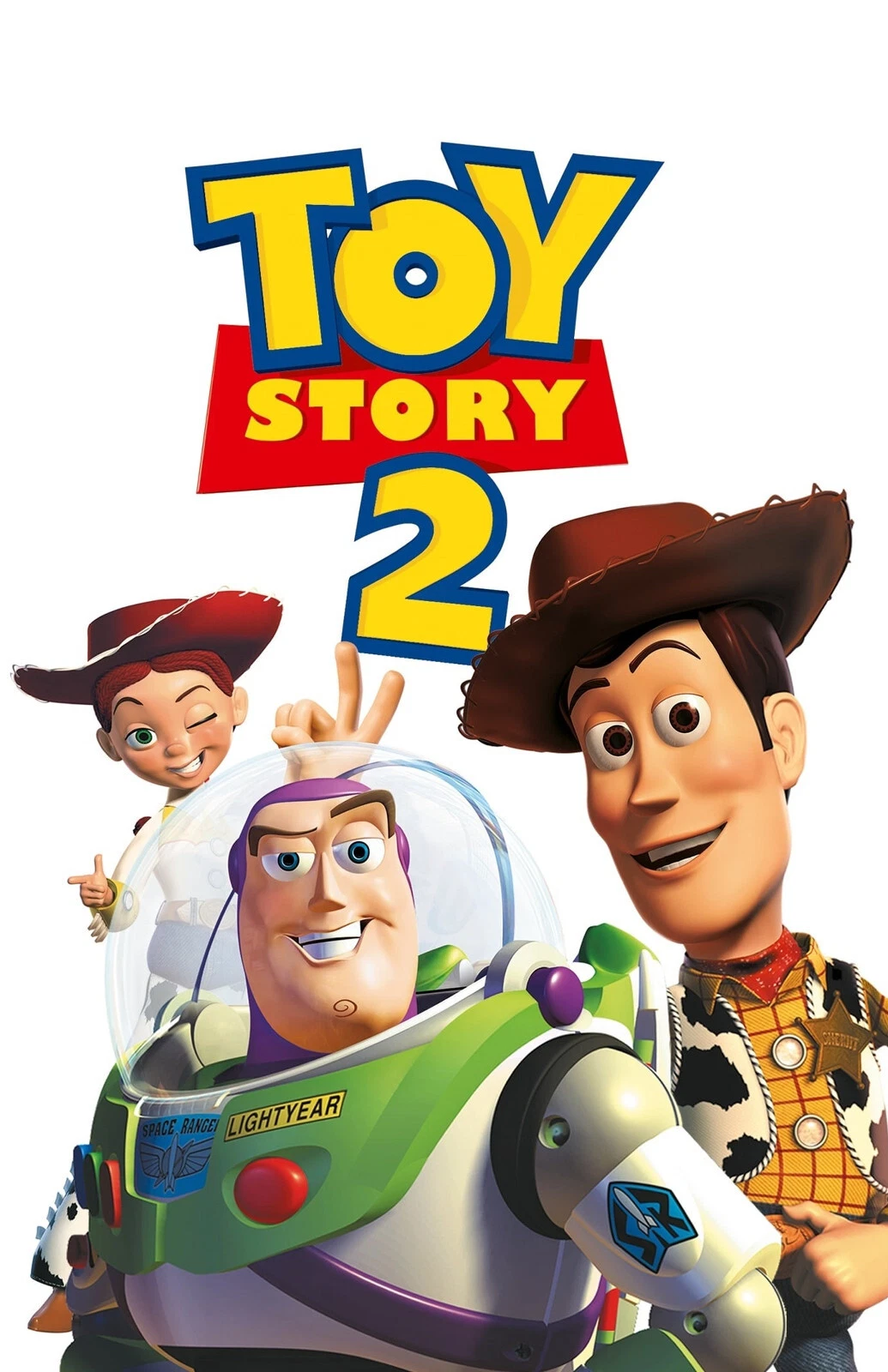
Toy Story 2 poster
1999

#3 — Toy Story 2

Box Office: $245.9M
GenreAnimated adventure
DirectorJohn Lasseter, Ash Brannon & Lee Unkrich
1999 Rank#3
Main Cast
  • Tom Hanks as Woody
  • Tim Allen as Buzz Lightyear
  • Joan Cusack as Jessie
  • Kelsey Grammer as Stinky Pete

Toy Story 2 at number three is one of those sequels that permanently complicates the old rule that a sequel is usually just a larger, lesser repeat. This movie does all the commercial sequel things — broader canvas, more characters, bigger adventure — but it also deepens the emotional territory in ways that give the whole franchise more weight.

Woody’s anxiety about durability, purpose, and where he belongs turns the sequel into something more than a rescue plot. The introduction of Jessie, in particular, expands the emotional vocabulary of the series. The movie is now not only about friendship and replacement. It is about abandonment, memory, and the finite shelf life of being loved in exactly the way toys most want to be loved.

That emotional expansion matters because it proves Pixar is not merely good at concept and wit. It is good at sequel escalation through feeling. The technical gains are there, but they are not the primary event. The primary event is that the movie understands how to make its plastic world richer without betraying its original tone.

In the context of 1999, Toy Story 2 matters because it confirms Pixar is now operating at a level where audiences expect not just novelty, but excellence.

For Gen X parents, younger siblings, and animation fans of the era, it remains one of the great examples of a sequel that got bigger and somehow more emotionally resonant at the same time.

Fun Fact / Why It Still Matters It still matters because it helped establish the idea that an animated sequel could equal or even deepen the original instead of merely repeating its brand value.
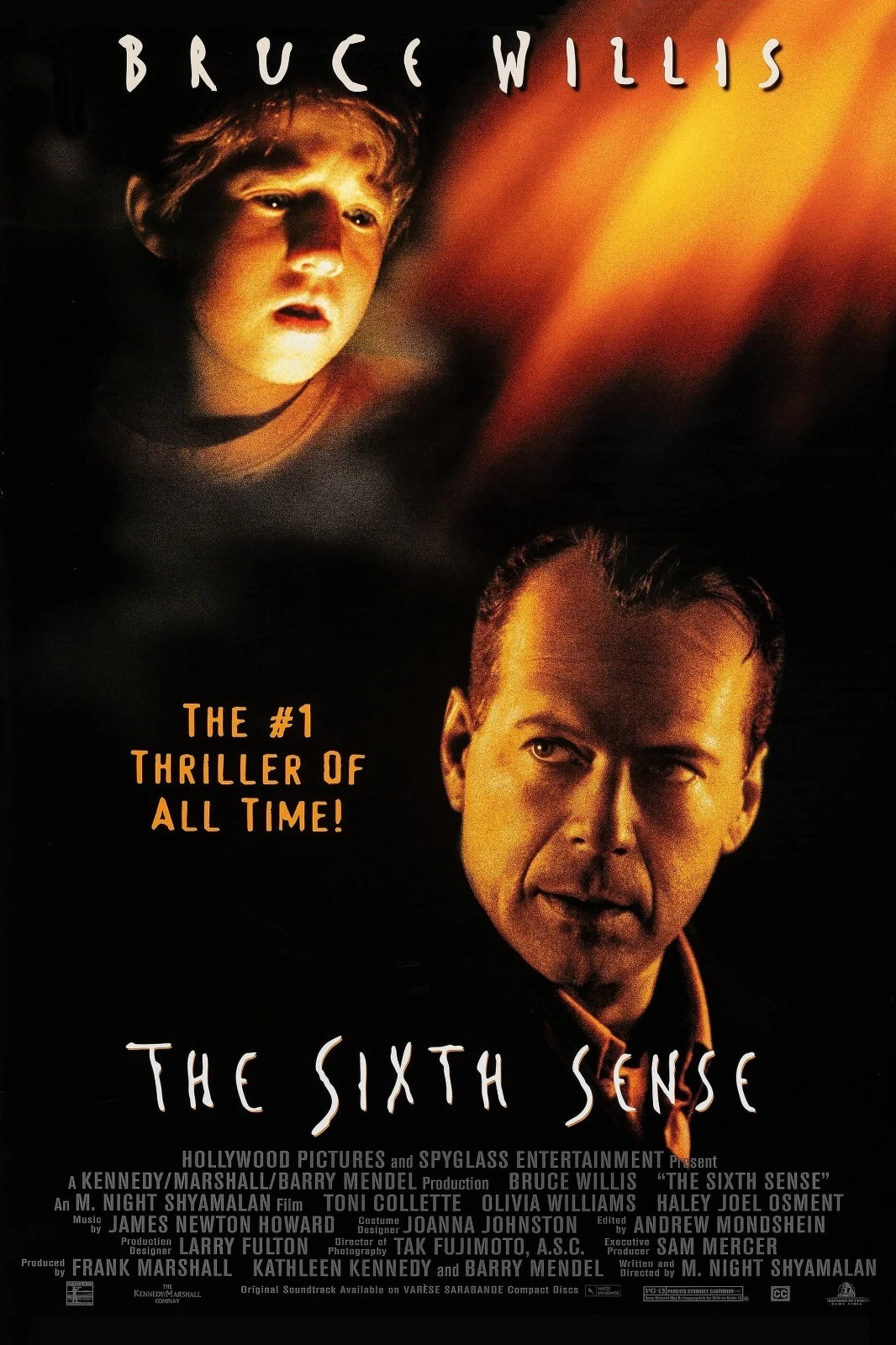
The Sixth Sense poster
1999

#2 — The Sixth Sense

Box Office: $293.5M
GenreSupernatural thriller
DirectorM. Night Shyamalan
1999 Rank#2
Main Cast
  • Bruce Willis as Dr. Malcolm Crowe
  • Haley Joel Osment as Cole Sear
  • Toni Collette as Lynn Sear
  • Olivia Williams as Anna Crowe

The Sixth Sense at number two is one of the great word-of-mouth hits of the modern studio era. Yes, it has the famous twist. But the reason it became such a massive success is not just that audiences wanted to be surprised. It is that the movie delivers a mood strong enough to make the surprise feel like the culmination of something emotionally meaningful rather than a cheap trick.

Haley Joel Osment gives the film its fragile center. Cole is frightened, isolated, and sincere enough that the supernatural premise never becomes a simple genre ride. Bruce Willis, meanwhile, helps by underplaying Malcolm into something steady, wounded, and deceptively calm. That calmness is one reason the movie’s atmosphere works so well.

Shyamalan’s control is also crucial. The movie is patient. It does not lunge recklessly at the audience. It builds tension through stillness, emotional silence, and a feeling that grief and haunting are not entirely separate things. That seriousness is part of what made the movie feel richer than a standard spooky-thriller hit.

In the context of 1999, The Sixth Sense matters because it shows that a restrained, emotionally centered supernatural thriller could still become a massive event with the right narrative hook and enough cultural conversation behind it.

For Gen X, it remains one of those movies where the ending became legendary, but the atmosphere is what actually made the film stick.

Fun Fact / Why It Still Matters It still endures because the twist only works as well as it does when the movie around it is already rich with mood, sadness, and eerie emotional precision.
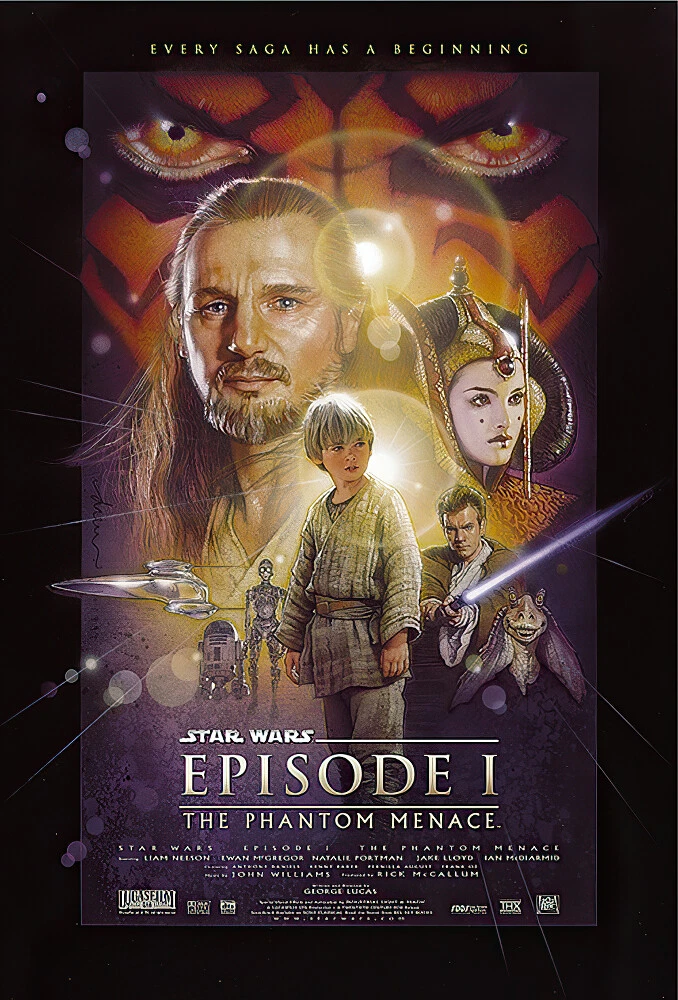
Star Wars Episode I poster
1999

#1 — Star Wars: Episode I – The Phantom Menace

Box Office: $431.1M
GenreSci-fi fantasy
DirectorGeorge Lucas
1999 Rank#1
Main Cast
  • Liam Neeson as Qui-Gon Jinn
  • Ewan McGregor as Obi-Wan Kenobi
  • Natalie Portman as Padmé Amidala
  • Jake Lloyd as Anakin Skywalker

Star Wars: Episode I – The Phantom Menace at number one is one of those box-office outcomes that says as much about anticipation as it does about the movie itself. The cultural appetite for new Star Wars in 1999 was so enormous that the film arrived not as a normal release, but as a collective event. It had been years in the making, and the market treated it like the return of a myth rather than the arrival of a mere sequel or prequel.

That anticipation matters because it shows how powerful franchise memory had become by the end of the 90s. The audience was not just buying a ticket to a new movie. It was buying access to a renewed cultural inheritance, to the next chapter of something many viewers already treated as personal history.

The movie itself is still debated for all kinds of reasons — tone, performance choices, political plotting, digital overabundance, Jar Jar, all of it — but its commercial domination is undeniable. It was too large a cultural object to do anything but win the year. The hype alone gave it an almost gravitational market force.

In the context of 1999, The Phantom Menace matters because it shows the future shape of blockbuster culture with startling clarity: franchise memory, pre-sold mythology, event release scheduling, and global audience anticipation all operating at a scale that would become increasingly common in the decades after.

For Gen X, it remains one of the great “you had to be there” movie moments — not because everyone agreed about the finished product, but because the sheer atmosphere around its release was impossible to ignore.

Fun Fact / Why It Still Matters It still matters because it marked a turning point where anticipation itself became one of the most powerful commercial assets a blockbuster could possess.

Rewind Verdict

The top 10 movies of 1999 work as a final stop for the series because they feel like a summary of the whole late-90s movie ecosystem. There is giant franchise anticipation at the top, mood-driven thriller brilliance right behind it, Pixar consolidation, sleek sci-fi reinvention, quotable comedy, old-school star romance, broad family animation, and a tiny horror movie that somehow storms its way into the same top tier as all those enormous studio machines.

That range is what makes 1999 such a satisfying endpoint. It is not only a year of giant titles. It is a year of different kinds of giant titles. The Phantom Menace is hype made physical. The Sixth Sense is restraint turned into phenomenon. The Matrix is visual reinvention. Toy Story 2 is sequel mastery. The Blair Witch Project is disruption. The Mummy is pulp charm. Runaway Bride is star chemistry. Big Daddy is commercial comedian power. Tarzan is late-Renaissance Disney muscle. Austin Powers is peak quotable sequel escalation.

For Gen X, 1999 feels like the last year before the 2000s start reorganizing what big movies are supposed to be. That makes it a perfect place to stop: not because the movies got worse afterward, but because this is one of the last years where the 90s still feel fully themselves at the box office.

FAQ: Top Movies of 1999

What was the highest-grossing first-release movie of 1999?

Star Wars: Episode I – The Phantom Menace finished as the biggest North American first-release hit of 1999 under the total-gross ranking used for this series.

Why is The Blair Witch Project in the top 10?

Because it was a massive domestic hit relative to its scale and finished tenth among first-release 1999 titles by North American total gross.

Why is The Matrix only #5 if it became so influential?

Because this series ranks by North American box office, not by long-term influence. The Matrix became one of the most influential movies of the era, but four first-release 1999 films earned more domestically.

What makes 1999 such a strong final year for the series?

It feels like a summary of the late 90s: franchise anticipation, star-driven comedy, animation, rom-coms, horror disruption, philosophical sci-fi, and word-of-mouth thrillers all still share the same commercial landscape.

Why stop at 1999?

Because 1999 works as a natural endpoint for the decade. It closes the 90s with one of the richest and most revealing box-office top 10s of the entire era.

Get the Weekly Gen X Drop

New videos, rewinds, and savage nostalgia — first.

JOIN THE NEWSLETTER WATCH VIDEOS

MORE REWINDS