Top 10 Movies of 1996

Top 10 Movies of 1996
Smells Like Gen X • Top Movies of 1996

The Top 10 Movies of 1996

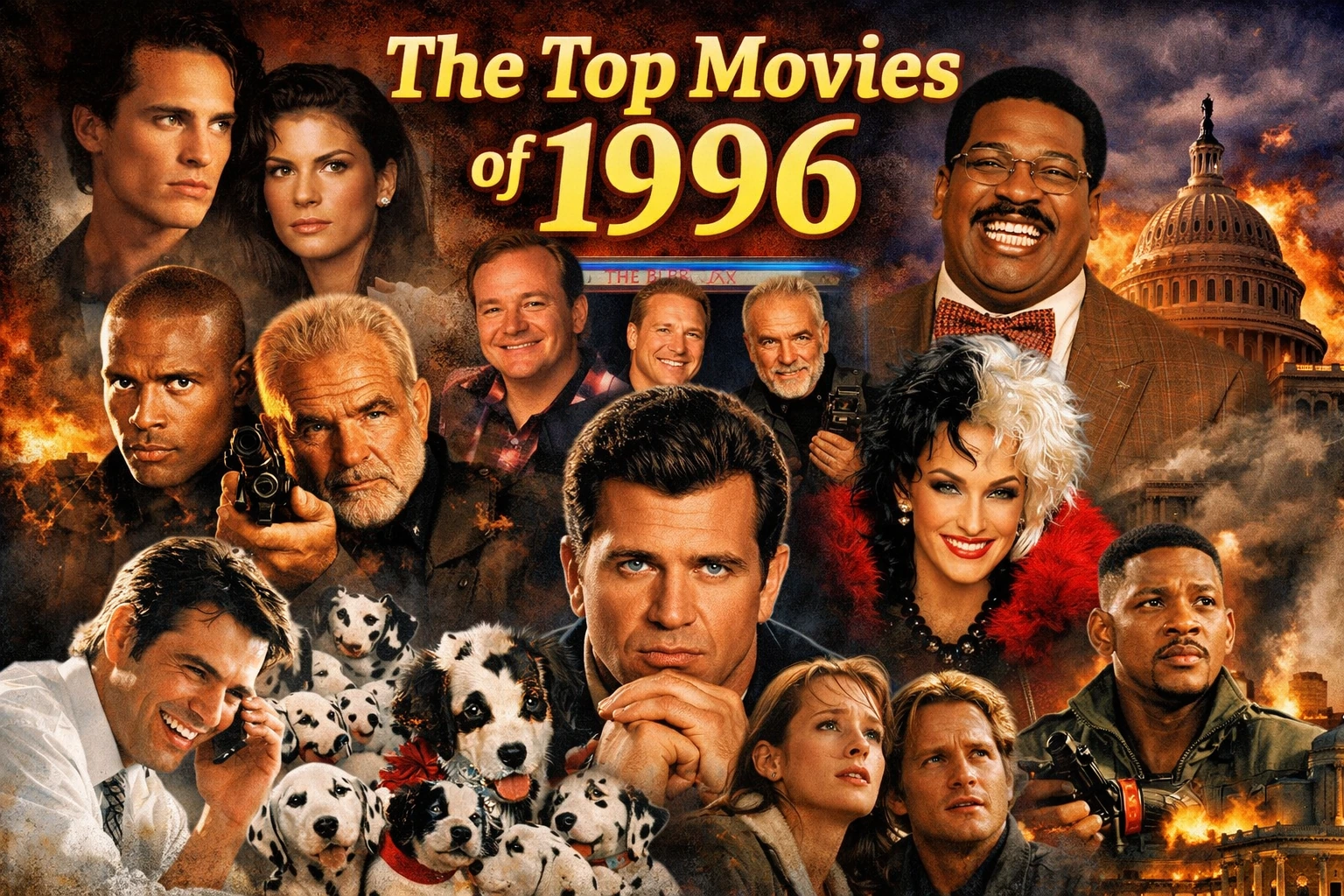
The top 10 movies of 1996 feel like the exact moment the modern blockbuster started putting its hand more firmly on the wheel. The year is still full of movie stars, standalone hits, and grown-up crowd-pleasers, but the scale is bigger, the branding is sharper, the high-concept hooks are louder, and the visual effects flex is becoming impossible to miss.

What makes 1996 so interesting is that its biggest hits split cleanly across several kinds of commercial power. Independence Day turns disaster spectacle into patriotic event cinema. Twister sells weather like it is a monster franchise. Mission: Impossible launches Tom Cruise into a long-running action identity. Jerry Maguire proves adult romantic-drama energy can still play huge. The Rock turns maximum macho nonsense into elite entertainment. And The Birdcage sneaks wit, performance, and farce into a top-10 slot that says a lot about how broad the mainstream still was.

For Gen X, 1996 has a very specific multiplex texture: White House destruction on every TV spot, wind maps and flying cows, Cruise hanging from the ceiling, Cuba Gooding Jr. yelling in your face, Nicolas Cage and Sean Connery sweating through Alcatraz, Eddie Murphy under pounds of makeup, and Michael Jordan crossing over from sports icon to family-movie attraction. It is a year where spectacle grows more aggressive, but personality still matters enough to keep the lineup varied and weird.

Gen X Note: 1996 is where the blockbuster starts feeling more corporate, more effects-driven, and more aggressively event-sized — but it still has enough room for adult relationship drama, legal melodrama, drag farce, and real movie-star swagger.

Quick List: The Top 10 Movies of 1996

  1. A Time to Kill
  2. The Birdcage
  3. The Nutty Professor
  4. The Rock
  5. 101 Dalmatians
  6. Ransom
  7. Jerry Maguire
  8. Mission: Impossible
  9. Twister
  10. Independence Day

Countdown: The Top 10 Movies of 1996

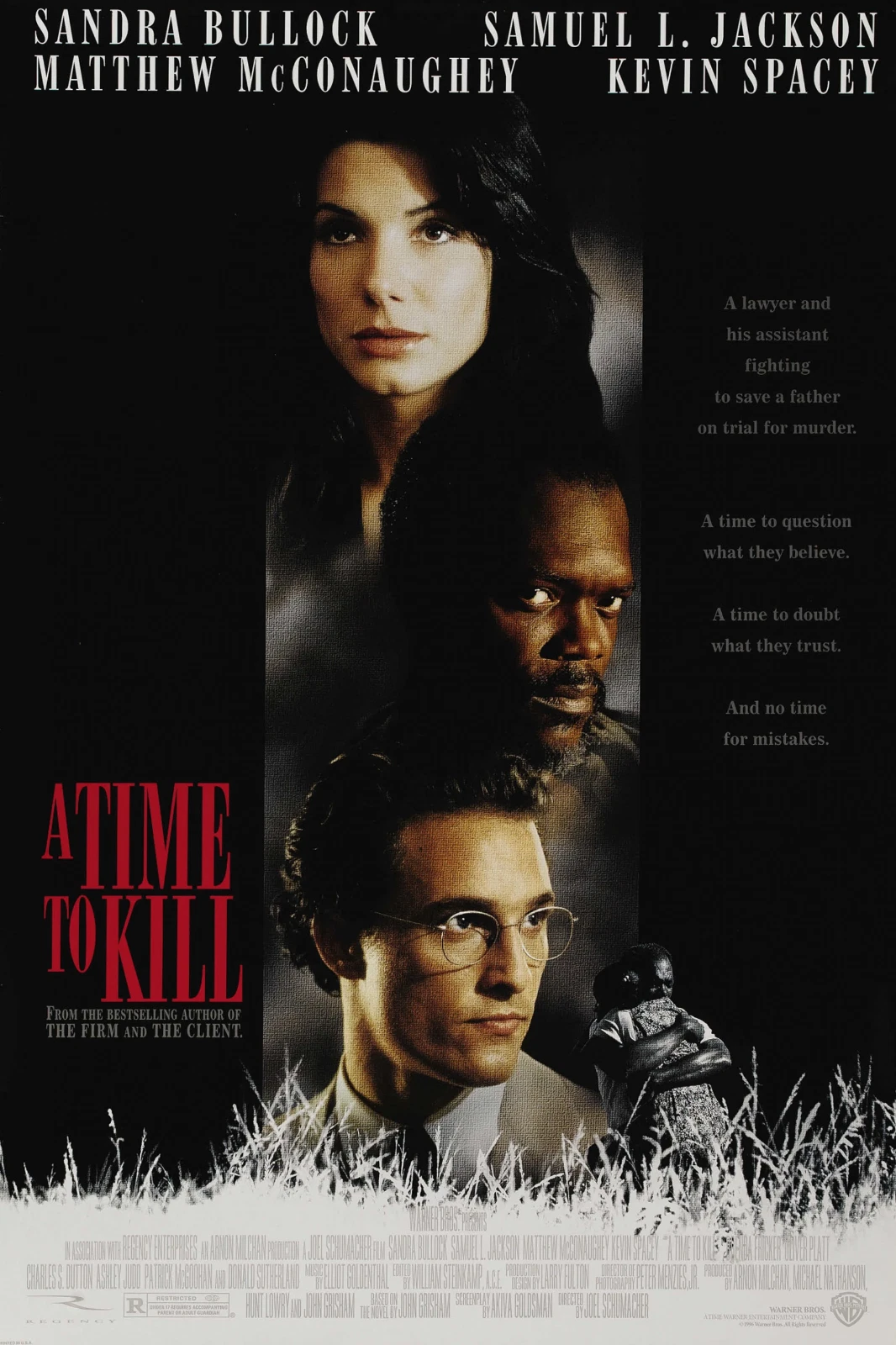
A Time to Kill poster
1996

#10 — A Time to Kill

Box Office: $108.8M
GenreLegal drama
DirectorJoel Schumacher
1996 Rank#10
Main Cast
  • Matthew McConaughey as Jake Brigance
  • Samuel L. Jackson as Carl Lee Hailey
  • Sandra Bullock as Ellen Roark
  • Kevin Spacey as Rufus Buckley

A Time to Kill landing at number ten is a reminder that 1996 still had room for serious, star-heavy legal melodrama aimed squarely at adults. This is not a movie trying to masquerade as a comic-book spectacle or a tech showcase. It is an emotional courtroom machine, built to stir anger, sympathy, dread, and applause in carefully timed waves.

The film’s commercial success makes sense when you look at how many recognizable things it combines. It has a ripped-from-headlines moral urgency, a John Grisham source novel, a courtroom frame audiences already understood, and a cast stacked with performers who know how to make speeches feel like events. It is prestige-flavored mainstream entertainment in one of its most durable 90s forms.

Matthew McConaughey’s rise matters here because the movie depends on him feeling like both a young idealist and a credible center of gravity. Samuel L. Jackson brings the pain and righteous fury that gives the film its emotional charge, while the courtroom theatrics keep the whole thing operating at a level just heightened enough to feel like a big studio crowd-pleaser rather than a dry message movie.

In the context of 1996, A Time to Kill matters because it shows that grown-up drama could still punch its way into the top 10 if it had enough heat, enough stars, and enough emotional confrontation.

For Gen X, it remains part of that era when “adult movie night” at the multiplex could still mean something commercially powerful, not just culturally respectable.
Fun Fact / Why It Still Matters It still works as a snapshot of the 90s legal-drama boom — big themes, bigger performances, and courtroom rhetoric treated like full-scale theatrical spectacle.
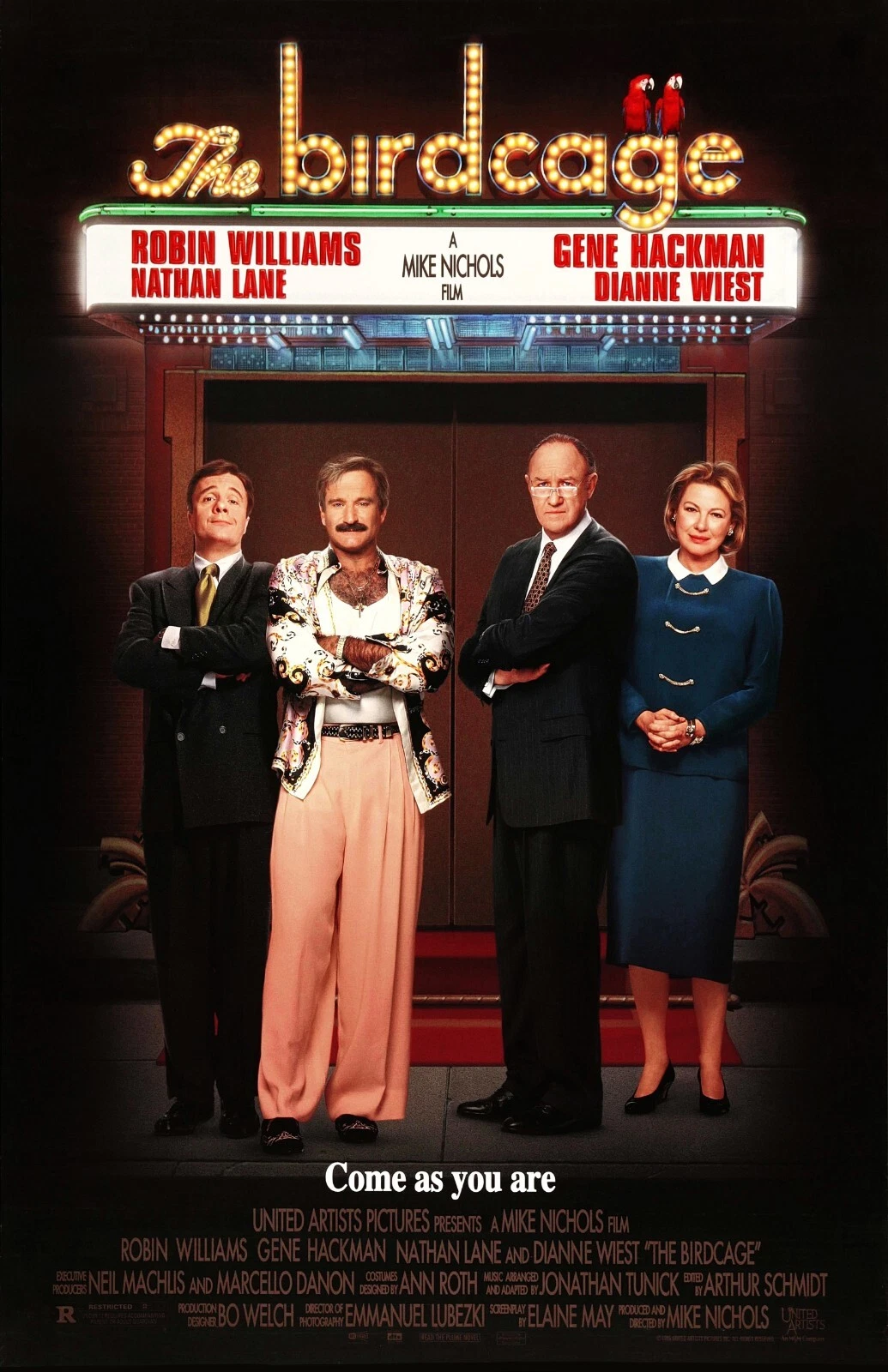
The Birdcage poster
1996

#9 — The Birdcage

Box Office: $124.1M
GenreComedy
DirectorMike Nichols
1996 Rank#9
Main Cast
  • Robin Williams as Armand Goldman
  • Nathan Lane as Albert Goldman
  • Gene Hackman as Sen. Kevin Keeley
  • Dianne Wiest as Louise Keeley

The Birdcage at number nine is one of the most revealing hits of 1996 because it proves how broad the mainstream still was. This is a glossy studio farce, yes, but it is also a character comedy built around performance rhythm, identity panic, social hypocrisy, and the sheer comic pleasure of watching talented adults lose composure with increasing elegance.

Mike Nichols directs the whole thing like a precision instrument. Every entrance, reaction, lie, costume shift, and dinner-table meltdown is timed to keep the farce tightening without snapping. It is not trying to be cool in a post-Tarantino sense. It is trying to be exquisitely funny in an old-school, star-driven way, and that confidence is part of the appeal.

Robin Williams and Nathan Lane are the engine. Williams gives Armand a calm, managerial exhaustion that makes Lane’s operatic panic even funnier. The movie works because it understands contrast. controlled against chaotic, polished against hysterical, image against reality. Gene Hackman’s gradual surrender to the madness is just extra fuel.

In the context of 1996, the film matters because it represents a kind of sophisticated mainstream comedy that used to command huge audiences without needing explosions, gross-out escalation, or concept gimmicks to justify itself.

For Gen X, it remains a reminder that the 90s could still reward sharp ensemble comedy at a very high commercial level.

Fun Fact / Why It Still Matters It still shines because it trusts actors, timing, and social absurdity to do the heavy lifting instead of drowning the comedy in noise.
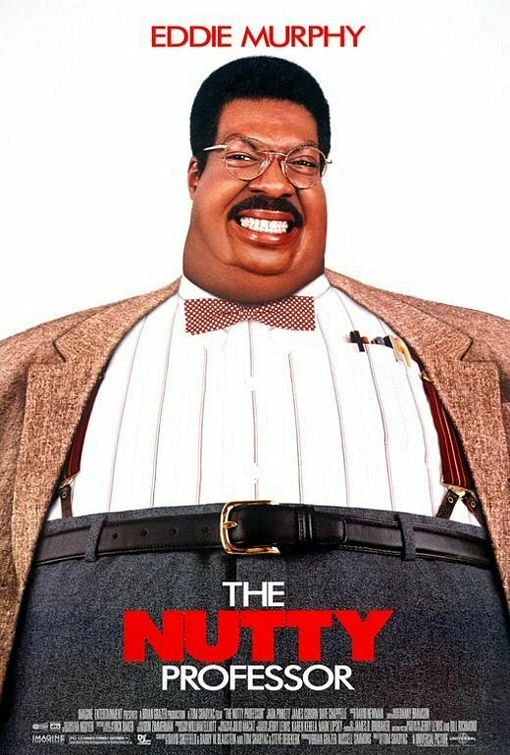
The Nutty Professor poster
1996

#8 — The Nutty Professor

Box Office: $128.8M
GenreComedy
DirectorTom Shadyac
1996 Rank#8
Main Cast
  • Eddie Murphy as Sherman Klump / Buddy Love / the Klump family
  • Jada Pinkett as Carla Purty
  • James Coburn as Harlan Hartley
  • Larry Miller as Dean Richmond

The Nutty Professor at number eight is one of the biggest examples of a 90s comeback movie that actually understood what kind of comeback it needed to be. This was not Eddie Murphy trying to recreate his 80s image exactly as it was. It was Murphy using performance technology, body transformation, and multiple-character bravura to create a different sort of star vehicle — broader, weirder, and more effects-assisted, but still unmistakably built around his comic command.

The film’s core trick is that Sherman Klump and Buddy Love are not just a double-performance gimmick. They are an ego split. The movie turns insecurity, shame, confidence, vanity, and desire into a big commercial comedy mechanism. That emotional hook is what keeps the movie from being remembered only as a makeup-effects flex.

The Klump family scenes also became their own event because they let Murphy turn dinner-table chaos into a full theater showcase. Those sequences are indulgent, noisy, and completely committed to the bit, which is exactly why they became such a huge part of the movie’s identity.

In the context of 1996, The Nutty Professor matters because it shows the 90s star comedy adapting to an era of heavier prosthetics, larger set pieces, and more overt transformation gimmicks without fully losing the performer at the center.

For Gen X, it remains one of those unmistakably mid-90s hits where comedy, makeup effects, and movie-star resurrection all fused into one giant audience-friendly package.

Fun Fact / Why It Still Matters It still pops as a showcase for how a major comic star could reinvent himself by turning performance itself into a special effect.
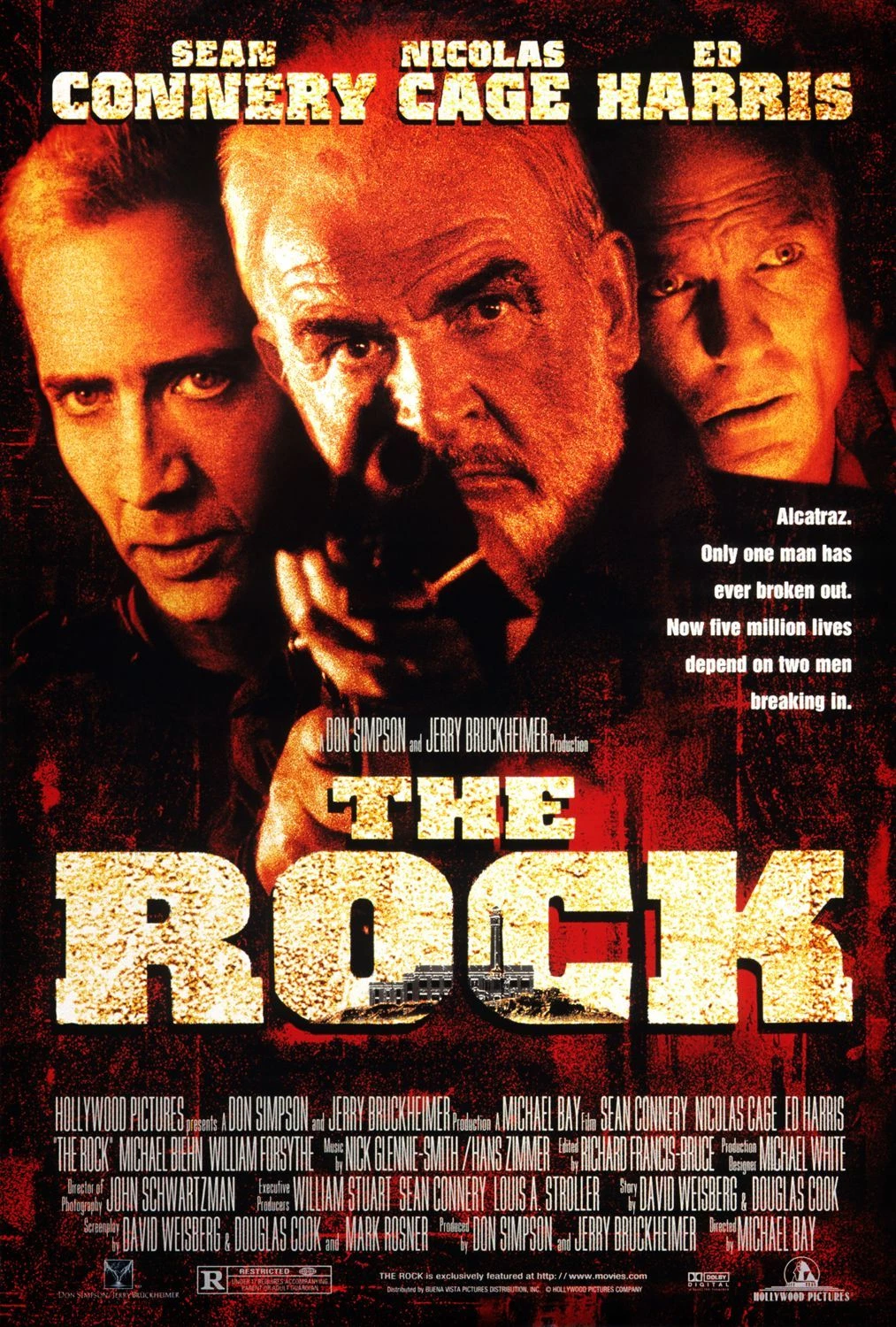
The Rock poster
1996

#7 — The Rock

Box Office: $134.1M
GenreAction thriller
DirectorMichael Bay
1996 Rank#7
Main Cast
  • Sean Connery as John Mason
  • Nicolas Cage as Stanley Goodspeed
  • Ed Harris as Gen. Francis X. Hummel
  • Michael Biehn as Cmdr. Anderson

The Rock at number seven is the sort of hit that makes 1996 feel gloriously overcaffeinated. This is the blockbuster as assaultive entertainment package: swagger, speed, sweating men yelling across industrial locations, military panic, chemical-weapon stakes, and a visual style that seems permanently ten seconds away from shattering its own glass.

Michael Bay’s approach is already fully visible here. Everything is heightened. Everything gleams. Every close-up feels like it is trying to sell you intensity at maximum retail value. But The Rock works because that aesthetic excess is paired with an all-timer of a casting combination. Sean Connery brings old-school myth. Nicolas Cage brings nervous, hyper-verbal panic. The gap between them becomes half the movie’s joy.

Ed Harris also gives the film a quality action movies do not always bother earning: a villain with actual pain and a point. That does not make the film subtle, but it gives it a little moral drag, enough to keep the whole machine from becoming totally disposable.

In the context of 1996, the movie matters because it represents the maturing of a louder, more kinetic blockbuster style that would dominate action cinema for years. The old model of hard-bodied action had not fully disappeared, but Bay was showing how much more adrenalized the form could become.

For Gen X, it remains one of the decade’s purest “this is ridiculous and I am having an amazing time” action experiences.

Fun Fact / Why It Still Matters It still rules because it turns star contrast, militarized chaos, and maximal direction into a nearly perfect specimen of 90s summer-action excess.
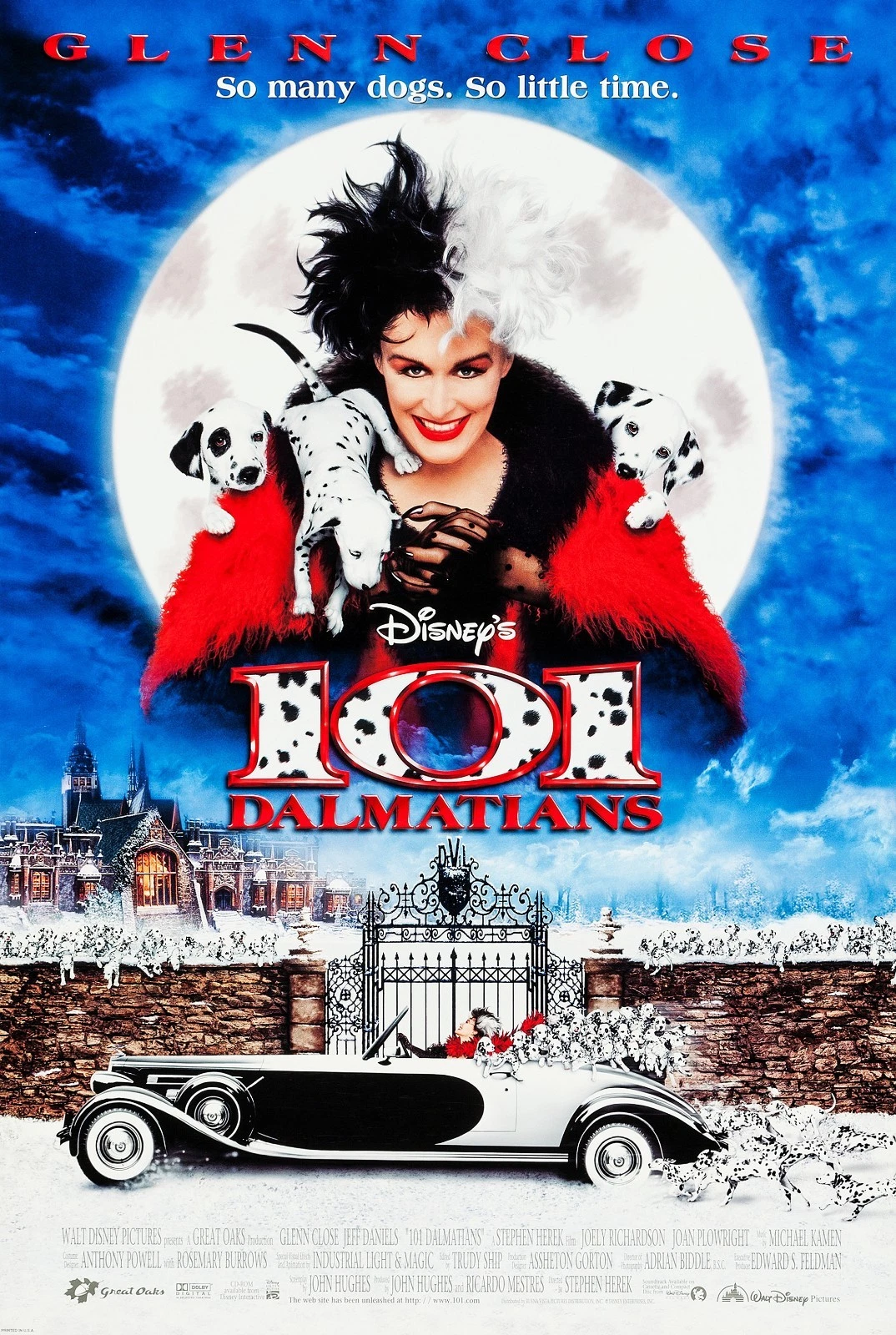
101 Dalmatians poster
1996

#6 — 101 Dalmatians

Box Office: $136.2M
GenreFamily comedy
DirectorStephen Herek
1996 Rank#6
Main Cast
  • Glenn Close as Cruella de Vil
  • Jeff Daniels as Roger Dearly
  • Joely Richardson as Anita Campbell-Green
  • Hugh Laurie as Jasper

101 Dalmatians at number six is one of the clearest examples of 90s Disney live-action adaptation strategy working exactly as intended. Take a beloved animated property, give it a polished real-world look, cast one performer who understands the assignment on a cosmic level, and let family audiences do the rest.

That one performer is Glenn Close, who turns Cruella de Vil into a couture nightmare with enough theatrical force to dominate the whole movie. She is not merely playing a villain. She is playing a merchandising engine, a comic storm, and an icon of deranged vanity all at once. The film belongs to her, which is part of why it remains memorable.

The movie also reveals how the 90s were increasingly willing to mine animated nostalgia for live-action event value. It is glossy, comfortable, and heavily built around recognizability, but it is also a reminder that pre-existing IP had not yet flattened into one uniform style. These adaptations could still feel like their own odd little worlds.

In the context of 1996, the film matters because it shows Disney winning not only in animation and family fantasy, but also in the live-action reboot space that would become even bigger in later years.

For Gen X families, it remains a perfect holiday-adjacent, kids-on-the-couch kind of hit — bright, broad, and totally carried by a villain performance that understood the power of going deliciously too far.

Fun Fact / Why It Still Matters It still has life because Glenn Close understood that family blockbusters often survive by giving kids the puppies and adults the diva-level villainy.
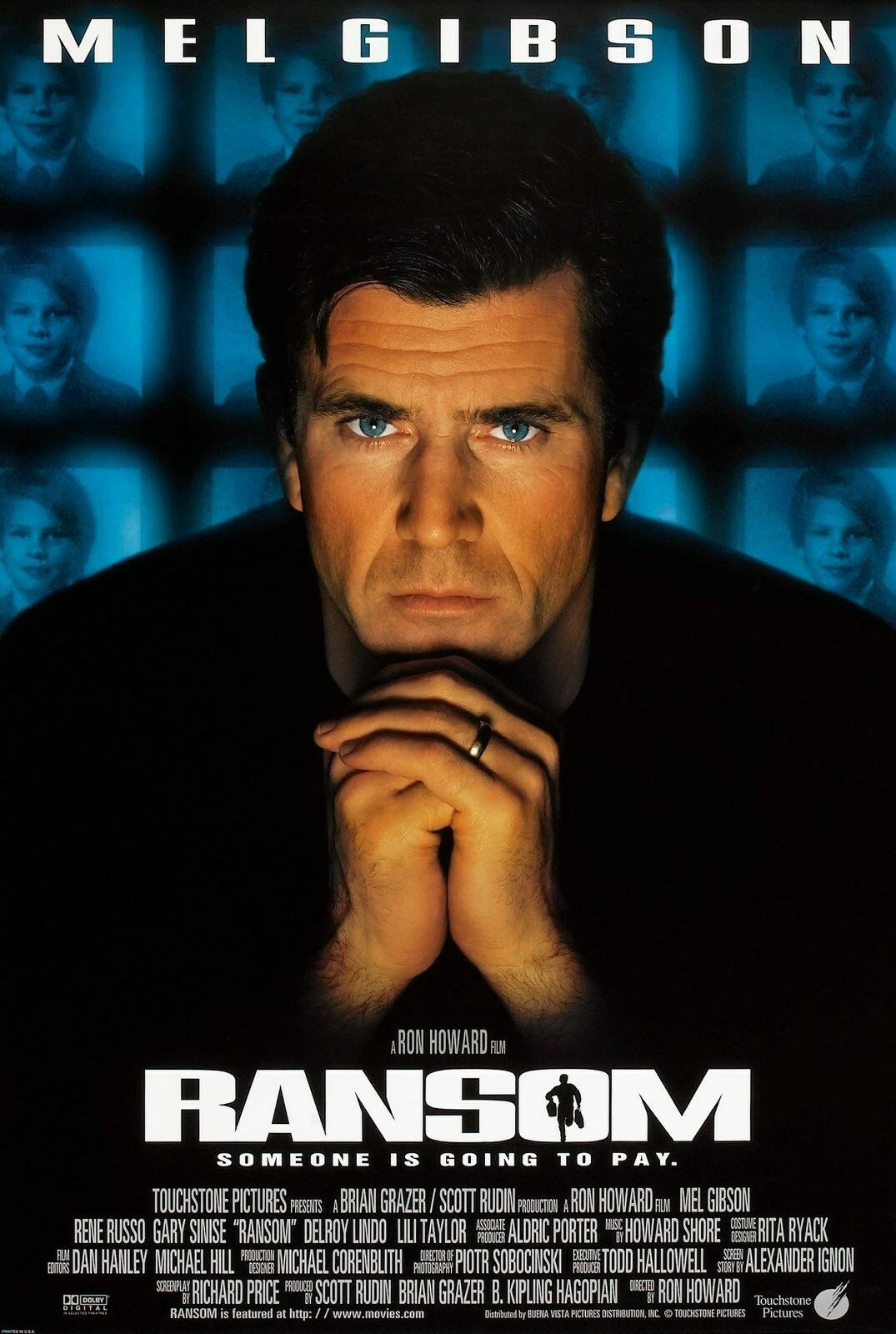
Ransom poster
1996

#5 — Ransom

Box Office: $136.5M
GenreThriller
DirectorRon Howard
1996 Rank#5
Main Cast
  • Mel Gibson as Tom Mullen
  • Rene Russo as Kate Mullen
  • Gary Sinise as Det. Jimmy Shaker
  • Brawley Nolte as Sean Mullen

Ransom at number five is one of the strongest examples of a 90s adult thriller built around pure star-command pressure. The premise is simple and nasty: a rich man’s son is kidnapped, and the father turns the ransom into a public bounty on the kidnappers instead. That hook is strong enough on its own, but the movie works because Mel Gibson makes stubborn moral panic feel like a commercial event.

Ron Howard directs the material in a way that keeps it accessible rather than overly grim. The movie has real menace, but it never forgets that it is a crowd thriller, designed to provoke gasps, arguments, and “what would you do?” energy. That broadness is part of why it hit so hard.

It is also a useful time capsule of the era’s relationship to wealth, media exposure, and masculine control. Tom Mullen is not just trying to get his son back. He is trying to seize narrative control in a crisis that makes him feel powerless. That tension — money versus fear, authority versus desperation — gives the movie more backbone than a generic kidnapping plot would have.

In the context of 1996, Ransom matters because it shows that adults would still pack theaters for a star-led, high-stakes thriller that offered psychological confrontation instead of sci-fi destruction.

For Gen X, it remains part of that sturdy 90s tradition where a serious studio thriller could still play like Friday-night popcorn entertainment without surrendering all its edge.

Fun Fact / Why It Still Matters It still holds because it turns parental terror, media spectacle, and movie-star intensity into a thriller built on arguments as much as action.
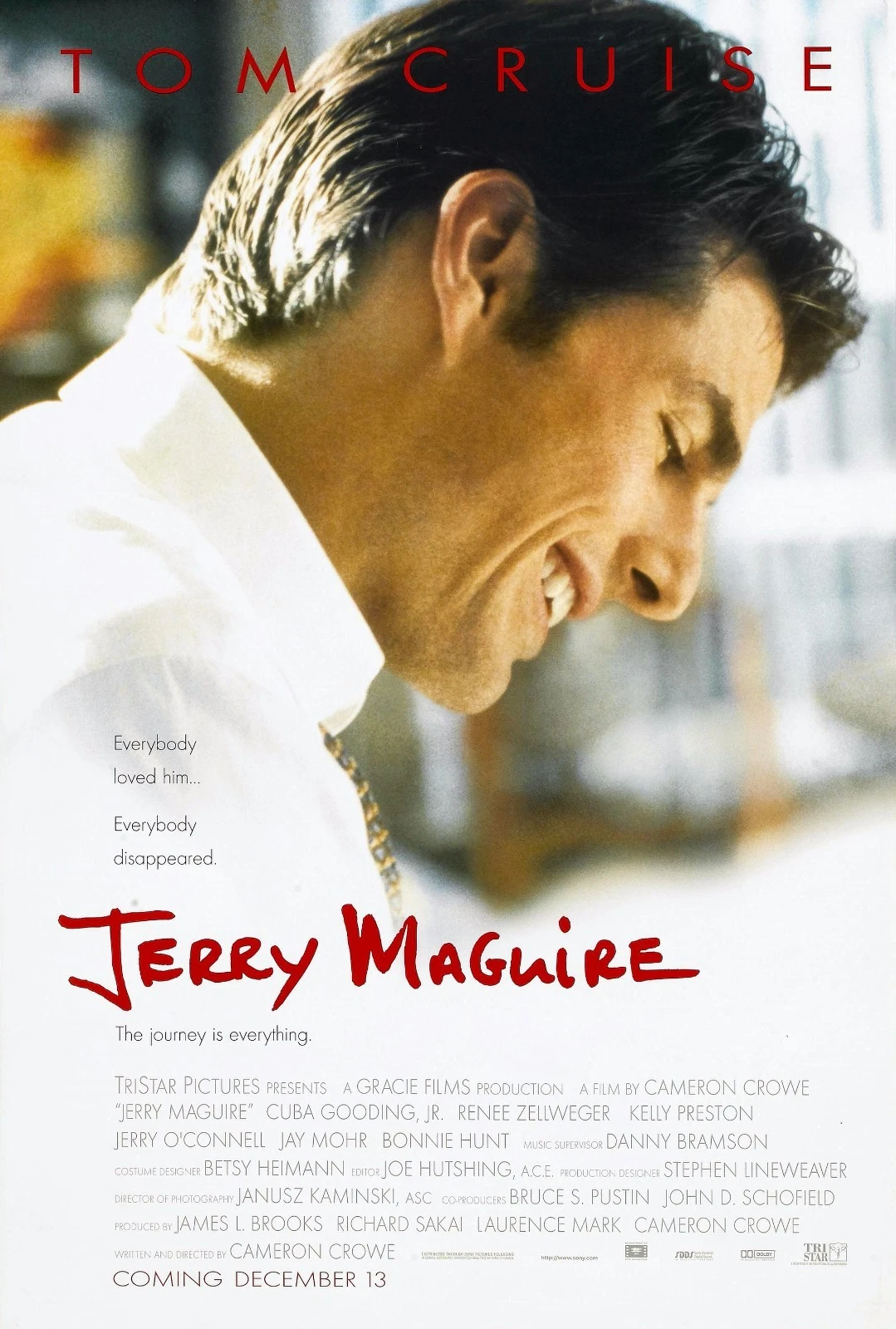
Jerry Maguire poster
1996

#4 — Jerry Maguire

Box Office: $154.0M
GenreRomantic drama
DirectorCameron Crowe
1996 Rank#4
Main Cast
  • Tom Cruise as Jerry Maguire
  • Renée Zellweger as Dorothy Boyd
  • Cuba Gooding Jr. as Rod Tidwell
  • Kelly Preston as Avery Bishop

Jerry Maguire at number four is a wonderful reminder that in 1996 an adult relationship movie with sports-industry flavor, wounded ambition, quotable dialogue, and emotional sincerity could still become one of the year’s biggest hits. That says something important about the era’s mainstream. It had not yet fully surrendered to spectacle as the only acceptable route to major box office.

Cameron Crowe’s gift here is that he makes career panic, romantic confusion, and self-reinvention feel cinematic rather than merely observational. Jerry’s crisis is professional, emotional, and spiritual all at once, and the film understands that audiences like watching a handsome, hyper-competent man discover that he is not nearly as assembled as he thought he was.

Tom Cruise is perfect for that dynamic because he can weaponize charisma and vulnerability at the same time. The movie also gets huge lift from Renée Zellweger’s warmth and Cuba Gooding Jr.’s joyous, high-voltage performance, which gives the film one of the most commercially memorable support roles of the decade.

In the context of 1996, Jerry Maguire matters because it proves star-driven romantic drama could still play like event cinema when the emotional writing, the performances, and the quotability all aligned.

For Gen X, it remains one of those movies that did not just succeed theatrically. It embedded itself in everyday language, making its emotional catchphrases feel inseparable from the period.

Fun Fact / Why It Still Matters It still lands because it turns vulnerability, hustle, romance, and ambition into something audiences could experience as both crowd-pleasing and personal.
Mission Impossible poster
1996

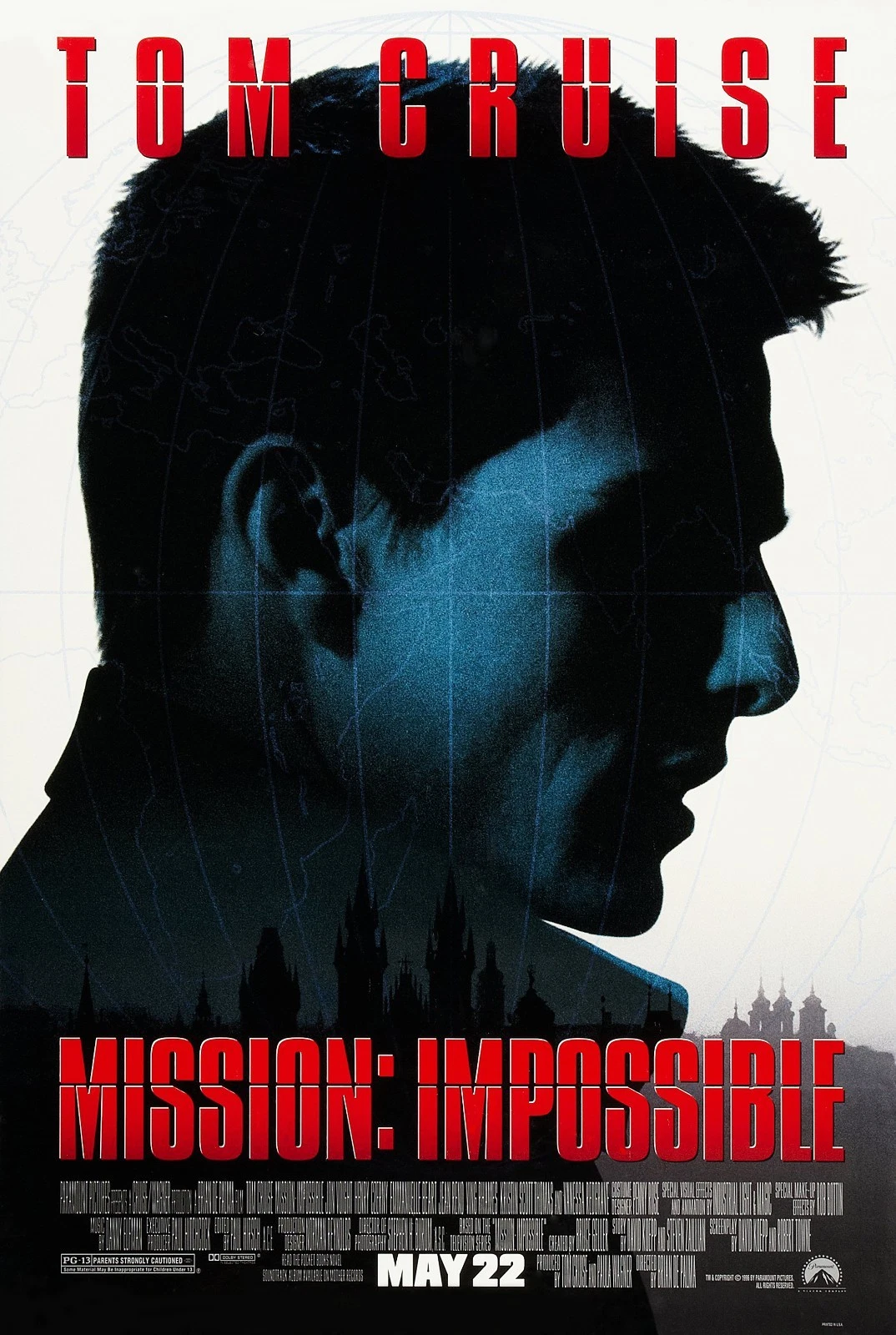
#3 — Mission: Impossible

Box Office: $181.0M
GenreSpy thriller
DirectorBrian De Palma
1996 Rank#3
Main Cast
  • Tom Cruise as Ethan Hunt
  • Jon Voight as Jim Phelps
  • Emmanuelle Béart as Claire Phelps
  • Ving Rhames as Luther Stickell

Mission: Impossible at number three is one of the most historically important entries on the list because it is not just a hit. It is the beginning of one of the defining action franchises of the next several decades. That matters, but what is easy to forget is how specifically weird this first movie is compared with the series it eventually launches.

Brian De Palma directs it like a paranoia thriller first and a blockbuster second. The famous suspended-vault break-in is not powered by explosions or destruction; it is powered by silence, geometry, suspense, and the audience’s awareness that the tiniest mistake will collapse the whole operation. That level of tension-by-control is part of what makes the movie stand apart from later franchise entries.

Tom Cruise, meanwhile, is not yet the death-defying stunt monument he would become. He is sleek, strategic, reactive, and star-smart enough to let the movie reposition him as a new kind of action center. Ethan Hunt begins here less as a superhero and more as a constantly improvising professional trapped inside betrayal.

In the context of 1996, the movie matters because it shows television-to-film adaptation evolving into something glossier, more international, and more self-consciously franchise-ready than older adaptation models. It is one of the year’s clearest signs that blockbuster branding is entering a new phase.

For Gen X, it remains both a major movie on its own and the origin point of a long-running Cruise mutation into full-speed action mythology.

Fun Fact / Why It Still Matters It still stands out because the first Mission: Impossible is more suspense puzzle than stunt symphony — and that difference gives it a unique identity inside its own franchise.
Twister poster
1996

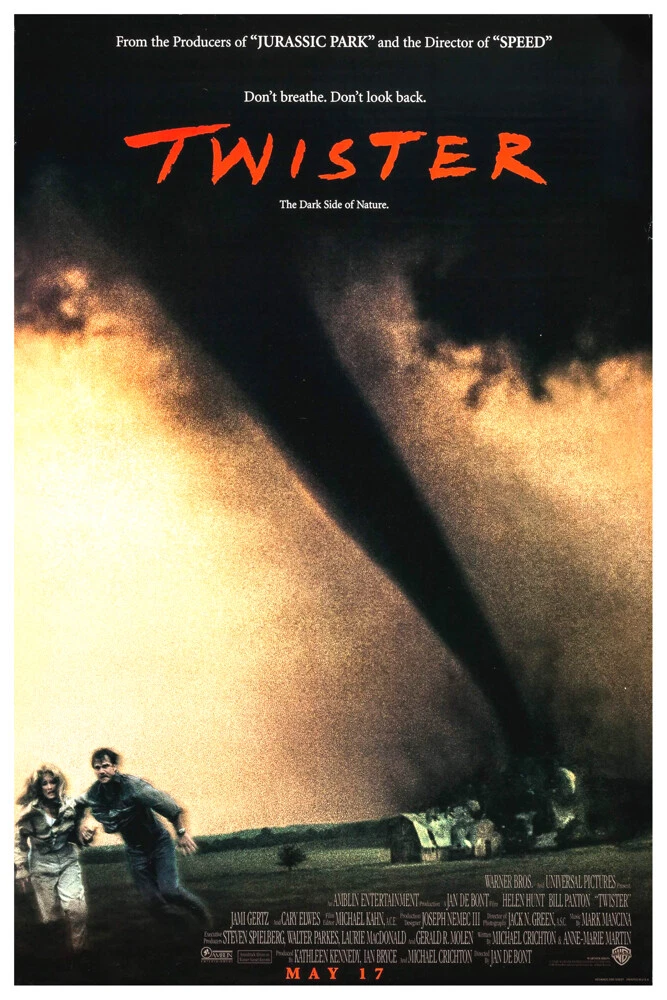
#2 — Twister

Box Office: $241.7M
GenreDisaster film
DirectorJan de Bont
1996 Rank#2
Main Cast
  • Helen Hunt as Jo Harding
  • Bill Paxton as Bill Harding
  • Jami Gertz as Dr. Melissa Reeves
  • Cary Elwes as Dr. Jonas Miller

Twister at number two is one of the purest “Hollywood sold weather as a monster” successes of the decade. The premise is essentially elemental pursuit cinema: chase the storm, survive the storm, understand the storm, get emotionally dragged through the storm. That simplicity is part of why it works. Tornadoes are not villains with speeches. They are cinematic force.

The movie’s effects mattered enormously in 1996 because they helped sell nature itself as blockbuster spectacle. But what keeps the film from becoming just a demo reel is its strange, romantic-professional energy. Helen Hunt and Bill Paxton are not merely fleeing destruction. They are exes with unfinished business, scientific ambition, and enough stubbornness to make their interpersonal friction part of the propulsion.

There is also something quintessentially 90s about the film’s mix of Americana, group teamwork, technology optimism, and giant set-piece punishment. It is loud and broad, but it still wants the audience to care about the people driving toward danger, not just the wind tearing buildings apart.

In the context of 1996, Twister matters because it proves audiences would absolutely show up for original disaster spectacle if the effects were convincing, the hook was clean, and the marketing promised enough giant destruction.

For Gen X, it remains one of the decade’s defining summer-movie experiences — a movie where flying debris, weather obsession, and full-theater adrenaline all got fused into one very rewatchable storm chase.

Fun Fact / Why It Still Matters It still blows through because it turns raw natural force into popcorn entertainment without losing the human stubbornness that gives the chase meaning.
Independence Day poster
1996

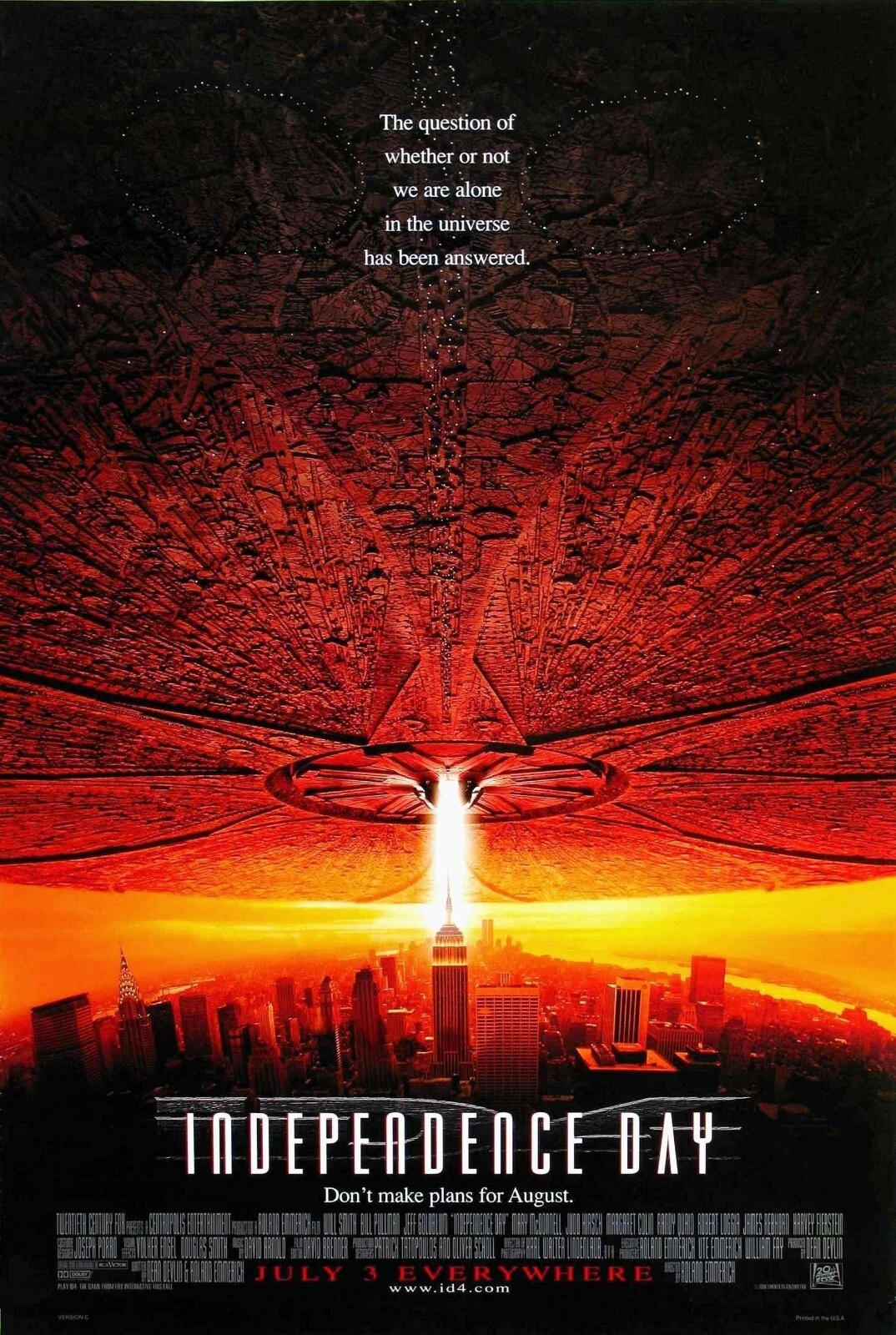
#1 — Independence Day

Box Office: $306.2M
GenreSci-fi disaster film
DirectorRoland Emmerich
1996 Rank#1
Main Cast
  • Will Smith as Capt. Steven Hiller
  • Jeff Goldblum as David Levinson
  • Bill Pullman as President Thomas J. Whitmore
  • Judd Hirsch as Julius Levinson

Independence Day finishing at number one makes 1996 feel like a declaration. This is the blockbuster as global event, sold not just on stars or genre loyalty but on the promise of witnessing iconic landmarks, institutions, and the entire social order get ripped apart on a scale big enough to make the trailer itself feel like a pop-cultural emergency.

Roland Emmerich understands that destruction is the product here, but the movie succeeds because it packages that destruction inside a crowd-pleasing structure audiences can ride. The film moves cleanly between panic, heroism, cornball patriotism, comic relief, and victory-speech uplift. It is not subtle, but subtlety is not the assignment. Event feeling is.

The cast is also a big part of why the movie hit so hard. Will Smith gives it star charisma and velocity. Jeff Goldblum gives it nervous intelligence. Bill Pullman gives it movie-presidential solemnity strong enough to carry one of the decade’s most quoted speech moments. That balance lets the spectacle feel inhabited rather than purely mechanical.

In the context of 1996, Independence Day matters because it is one of the clearest examples of the modern summer event movie locking into place: giant premise, world-ending stakes, heavily marketable imagery, multinational threat, and a tone engineered to make audiences feel like buying a ticket is participating in a shared pop-culture moment.

For Gen X, it remains one of the last great “everybody saw this” mega-blockbusters of the pre-franchise-saturation era — huge, quotable, unapologetically broad, and built to make the multiplex feel like the center of the culture.

Fun Fact / Why It Still Matters It still defines 1996 because it turned mass destruction into a patriotic, crowd-pleasing event and helped cement the template for the modern studio tentpole.

Rewind Verdict

The top 10 movies of 1996 work so well because they show the mainstream stretching in two directions at once. On one side, the blockbuster is getting bigger, louder, more effects-driven, and more brand-conscious. On the other, there is still plenty of room for adult drama, relationship movies, legal thrillers, ensemble farce, and star-led stories that are not trying to pretend they are the beginning of an endless universe.

That is what makes the year feel so complete. Independence Day and Twister push spectacle to enormous scale. Mission: Impossible launches a future action institution. Jerry Maguire keeps adult emotional storytelling commercially huge. Ransom and A Time to Kill prove suspense and drama still travel. The Birdcage reminds you the mainstream can still be funny in a sophisticated way. The Rock weaponizes action excess. The Nutty Professor reinvents an old star vehicle. 101 Dalmatians shows Disney’s live-action machine getting stronger.

For Gen X, 1996 feels like one of the last years when the multiplex still served radically different appetites under one commercial roof. You could get aliens, tornadoes, romance, comedy, courtroom anguish, drag farce, spy paranoia, family dogs, and Alcatraz chaos without everything being forced into the same franchise-smoothed shape.

FAQ: Top Movies of 1996

What was the highest-grossing first-release movie of 1996?

Independence Day finished as the biggest North American first-release hit of 1996 under the total-gross ranking used for this series.

Why do some 1996 lists look different?

Because calendar-year rankings and first-release total-gross rankings are not the same thing. This series uses first-release 1996 films ranked by North American total gross.

Why is Jerry Maguire so high for a non-action movie?

Because it was a major mainstream hit, not just an awards favorite. Its domestic box office was big enough to place it fourth among first-release 1996 titles.

What makes 1996 feel different from 1995?

1996 feels even more event-sized. The hooks are bigger, the effects are more prominent, the disaster scale is larger, and blockbuster marketing is starting to feel more unified and aggressive.

What makes the 1996 lineup so memorable?

Its mix of transition and range. The year gave audiences giant spectacle, franchise birth, adult romantic drama, legal intensity, studio farce, star comedy, Disney family comfort, and some of the decade’s most quotable blockbuster energy.

Get the Weekly Gen X Drop

New videos, rewinds, and savage nostalgia — first.

JOIN THE NEWSLETTER WATCH VIDEOS

MORE REWINDS