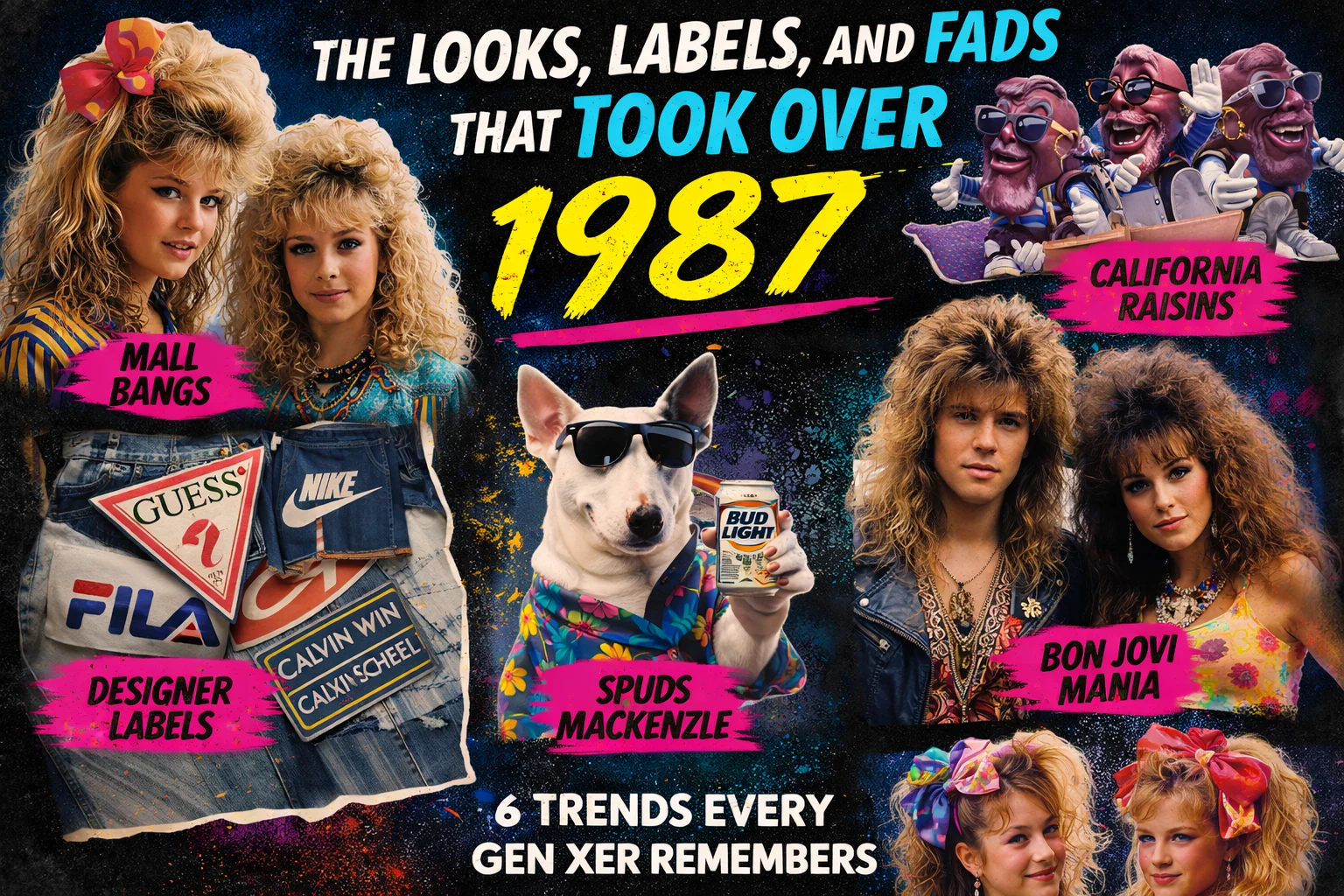
What Were the 6 Biggest Fads of 1987?The Year Designer Labels, Bon Jovi, Aqua Net and Ad Mascots Took Over
1987 was the year the logo started talking before the person did. Designer labels became hallway status signals, Bon Jovi turned arena rock into a full visual identity, mall bangs rose toward the ceiling, and advertising mascots somehow escaped the commercial break.
These six fads capture 1987 as Gen X actually experienced it: in malls, school hallways, bathroom mirrors, music videos, department-store racks and television commercials repeated so often that raisins and a bull terrier became nationally recognized celebrities.
1987 Status Forecast
The right label becomes social proof. Hair requires architecture. Bon Jovi posters cover the walls. A dog sells beer and lands on merchandise. Claymation raisins become recording stars. The decade is now branding everything, including the people wearing it.
The outfit, the hair and the commercial all arrived with a logo.
The strongest 1987 fads were easy to recognize and impossible to separate from media. Fashion, music and advertising were not parallel tracks anymore. They were one giant late-80s identity machine.
What Were the 6 Biggest Fads of 1987?
Our six biggest fads of 1987 are designer-label obsession, Bon Jovi and hair-band mania, the California Raisins craze, mall bangs and sky-high Aqua Net hair, Spuds MacKenzie mania, and big bows with bright oversized accessories. The ranking reflects visibility, everyday participation, media saturation, school-hallway impact and how instantly each trend still identifies the year for Gen X.
Why 1987 Felt Like the Year Branding Took Over
Earlier 80s fads often centered on a product, a toy or one distinct look. In 1987, the strongest trends worked more like identity packages. The jeans label, the sweatshirt logo, the hairstyle, the band poster and even the commercial mascot told other people what world you belonged to.
That shift was especially visible in school. The label could be read across a hallway. Hair could be judged before first period. Music fandom appeared on notebook covers and bedroom walls. Advertising characters moved onto shirts, mugs, toys and store displays until the sales pitch became part of everyday scenery.
The mall became a ranking system
By 1987, the mall was not only where trends were purchased. It was where they were compared. Kids noticed brand names, prices, colors and whether somebody had the real thing or a close approximation that would receive a public quality-control inspection near the lockers.
Commercial culture stopped staying in commercials
Spuds MacKenzie and the California Raisins mattered because they escaped their original jobs. They became recognizable characters, licensed merchandise and shared references. The commercial break was no longer an interruption. It was one of the decade’s main content channels.
How Fads Spread in 1987 Before Feeds and Influencers
Trends moved through a physical loop. Television created the image, stores supplied a version, magazines reinforced it and school decided whether it worked. There was no comment section, but there was a lunch table, which was usually more efficient and considerably less forgiving.
That is why the memories remain so visual. These fads did not disappear into a feed. They landed in yearbooks, family photographs, bedroom walls, mall snapshots and VHS tapes that kept recording long after everybody stopped remembering where the camera was pointed.
How These 1987 Fads Were Ranked
This is an editorial Gen X ranking based on visibility, participation, media reach, school-life impact, 1987 specificity and long-term memory. The question is not merely whether a trend existed. It is whether ordinary people saw it, copied it, talked about it and still recognize it as part of the year.
Designer labels take the top spot because they shaped everyday social behavior beyond one fandom. Bon Jovi and hair-band mania rank second because the music changed the year’s visual language. The California Raisins, mall bangs, Spuds MacKenzie and oversized accessories complete the list by showing how advertising, beauty and visual excess shared the same cultural space.
The Rest of 1987: Music, Movies, TV, Toys and the Full-Year Rewind
The fads were one slice of a packed year. Keep the same-year rabbit hole going through the 1987 music, movies, television, toys, chart videos and full-year rewind already connected across Smells Like Gen X.
Why These Six Belong on the 1987 List
A real fad does more than appear in an ad or magazine. It escapes into ordinary life. That happened repeatedly in 1987. Labels moved from tags to status symbols. Hair-band imagery reshaped everyday style. Advertising characters generated merchandise and recognition far beyond the products they were hired to sell.
The lineup also captures the year’s range. Designer-label pressure was social and economic. Bon Jovi mania was musical and visual. Mall bangs and oversized accessories were participatory. Spuds MacKenzie and the California Raisins showed the power of repetition, merchandising and a commercial idea strange enough to become unforgettable.
Together, they explain why 1987 feels so commercially saturated in memory. The culture was selling identities from every direction, and the people wearing, spraying, watching and collecting them were fully aware of the competition.
What 1987 Looked Like From Inside the Mall
Somebody always had the right jeans. Somebody else had bangs that could survive light weather and moderate impact. Bon Jovi posters were everywhere. Big bows and bright accessories kept outfits from quietly minding their own business. Commercial mascots had merchandise aisles, and nobody seemed especially concerned that dried fruit had developed a music career.
The year could feel like a continuous status check, but it was also funny, colorful and unmistakably alive. We remember the peer pressure because it was real. We remember the absurdity because it was also real. Both things were happening in the same hallway.
The 1987 Fad Countdown
- #6 Big Bows, Bright Colors and Oversized AccessoriesSmall details were expected to perform at stadium volume.
- #5 Spuds MacKenzie CrazeA beer-ad dog became a national character with licensed merchandise.
- #4 Mall Bangs and Sky-High Aqua Net HairThe bathroom mirror became a construction site before school.
- #3 California Raisins CrazeClaymation fruit turned one commercial idea into a merchandising universe.
- #2 Bon Jovi and Hair-Band ManiaMTV, radio, posters and arena hooks made music part of the look.
- #1 Designer-Label ObsessionThe name on the clothes became part of the social hierarchy.
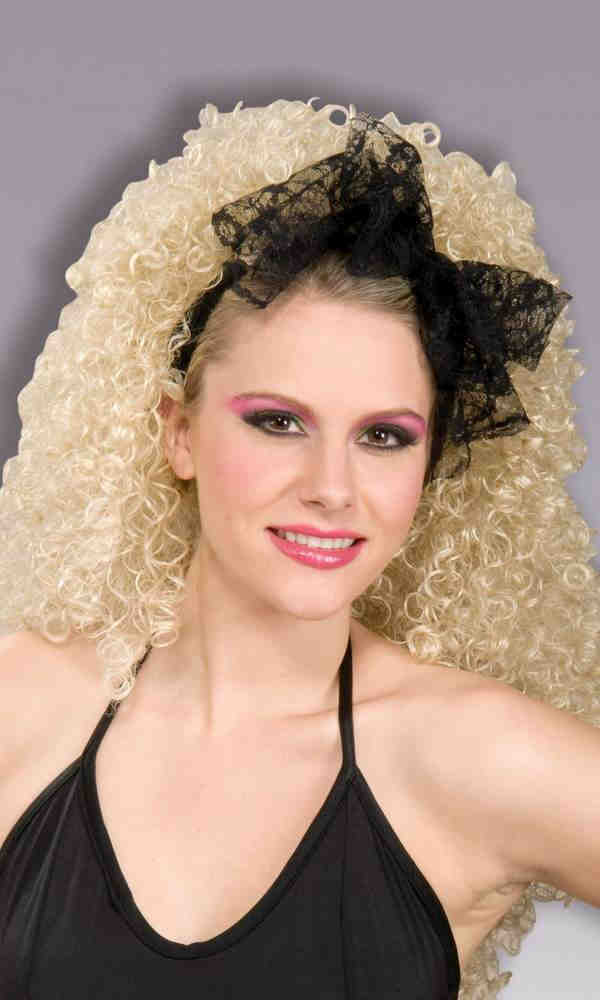
Big Bows, Bright Colors and Oversized Accessories
By 1987, accessories were no longer there to finish an outfit. They were there to challenge it for control. Big hair bows, bright plastic jewelry, wide belts, loud color combinations and oversized add-ons fit a year that treated visual restraint as a failure of imagination.
The fad worked because it was accessible. Not everybody could buy the expensive label at number one, but almost anybody could add color, scale or drama. One bow or chunky accessory could move an ordinary outfit closer to the teen-magazine version of late-80s style.
This also made the trend easy to spread. Accessories were visible across the hallway, easy to imitate and simple to swap when the color combination changed. The decade had already decided bigger was better. In 1987, the small details finally received the memo.
The hair bow became part of the architecture
The larger the hair became, the more visual weight an accessory needed to hold its own. Small clips could disappear. Big bows stayed visible, added color and looked intentional beside teased or sprayed styles.
The outfit did not need a quiet area
Bright colors and oversized accessories often arrived together. The result could include several competing focal points, which the era interpreted less as a problem and more as evidence that somebody had completed the look.
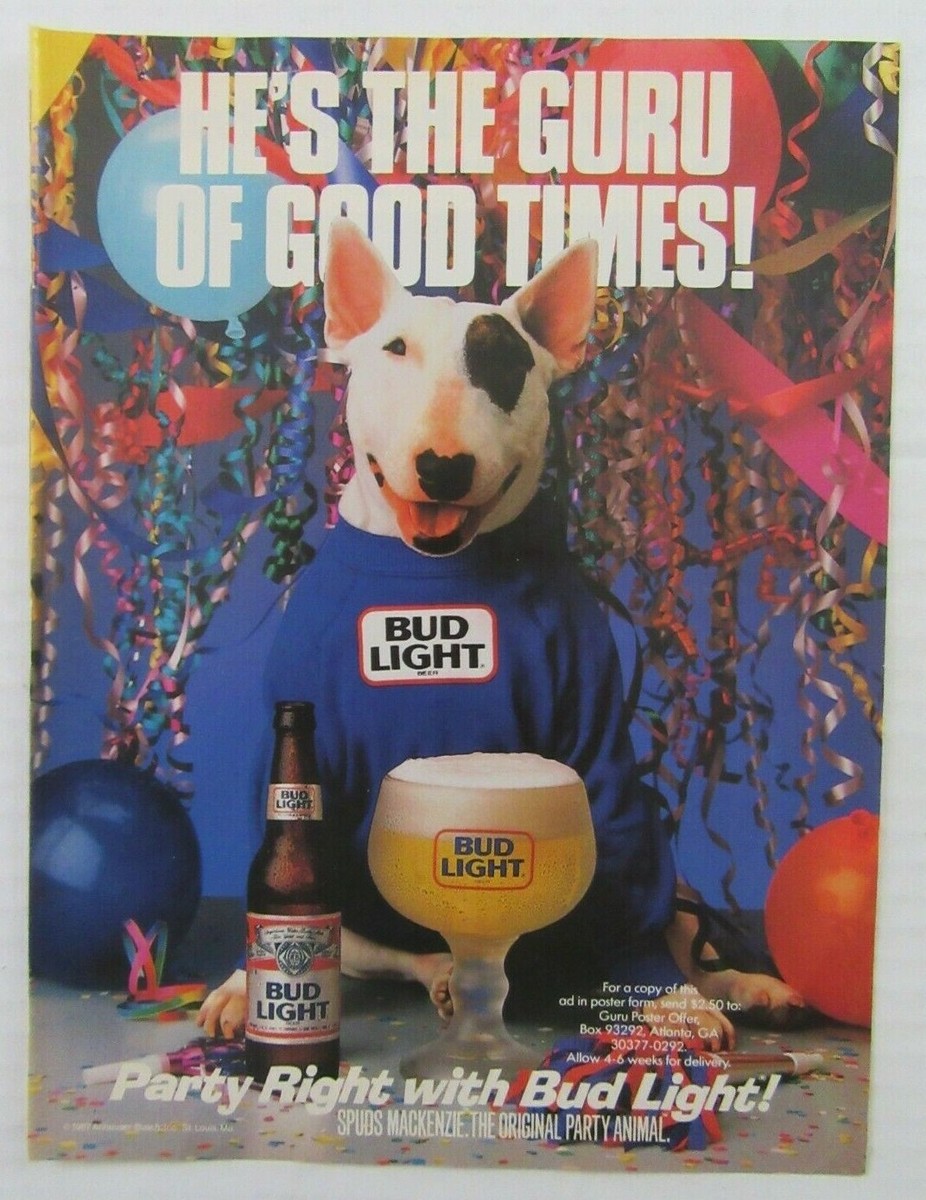
Spuds MacKenzie Craze
Nothing explains late-80s commercial culture faster than Spuds MacKenzie becoming famous enough for people to know the dog by name. Bud Light introduced the “Original Party Animal” to national television audiences during the 1987 Super Bowl, and the campaign immediately treated the mascot less like a dog and more like a celebrity host.
The image spread because it was simple: sunglasses, parties, attention and a bull terrier who looked calmer than everybody around him. You did not need to care about beer or advertising strategy. Repetition handled the recognition.
By summer 1987, Spuds had moved onto a large range of licensed merchandise and dedicated store displays. That is the point where an ad campaign becomes a fad. The character was no longer only selling something. The character had become the thing people wanted on a shirt or mug.
The commercial break created a celebrity
Television repetition gave Spuds a level of familiarity normally reserved for sitcom characters and musicians. The campaign had a name, a personality and a visual hook that worked even when the product itself was not the subject of conversation.
The weirdness made it stronger
A glamorous party lifestyle attached to a bull terrier was exactly strange enough to remain memorable. The decade did not require realism from its mascots. It required confidence and enough licensed merchandise to make the idea feel official.
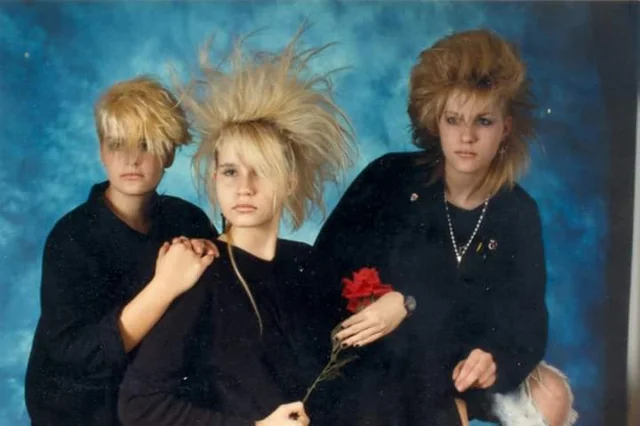
Mall Bangs and Sky-High Aqua Net Hair
Some fads are purchased. Big 1987 hair was engineered. Mall bangs, teased fronts, lifted sections and sprayed volume required tools, timing and enough aerosol to make a small bathroom feel meteorologically active.
The process mattered because the effort was visible. Hair was teased, shaped, checked, sprayed and protected from weather like a public structure. The final result said that somebody understood the current beauty code and had been awake long enough to execute it.
Mall bangs ranked high because the look spread well beyond celebrities. It showed up in schools, malls, family photos and ordinary morning routines. You could tell who had mastered it, who was still learning and who had received direct instructions to put down the teasing comb.
The bathroom became a construction zone
The style needed mirrors, combs, heat and spray. Morning preparation could become a sequence of engineering decisions made before anybody had fully regained consciousness.
The yearbook preserved every decision
A hairstyle might last one school year. The portrait lasted indefinitely. Mall bangs remain one of the quickest ways to place a photograph in the late 80s because the silhouette refuses to be mistaken for anything else.
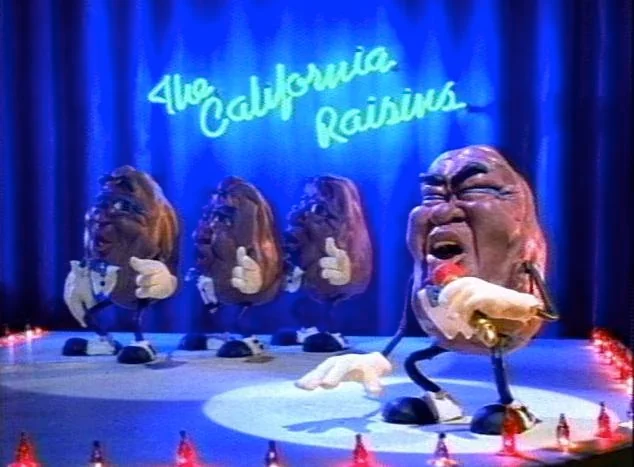
California Raisins Craze
The California Raisins are the kind of 80s phenomenon that sounds invented by somebody making fun of the decade. They were Claymation raisins singing “I Heard It Through the Grapevine,” and the idea became far larger than the product campaign that created it.
The characters worked because the commercial was memorable on its own. The animation had personality, the music was familiar and the visual joke could be understood immediately. Repetition turned the group into recognizable performers rather than anonymous ad figures.
Once merchandise, media appearances and collectibles followed, Raisin mania became a full cultural loop. Kids knew the characters, adults recognized the song and stores supplied objects for anybody who decided an anthropomorphic raisin belonged in the house.
The commercial felt like entertainment
The Claymation craft gave the characters more presence than an ordinary mascot. The spot could be enjoyed separately from the sales message, which made repeat viewing feel less like advertising and more like another short program.
Merchandise made the joke physical
Figures, clothing, plush items and collectibles allowed the characters to leave television. Once they occupied shelves and bedrooms, the campaign no longer depended on the original commercial to keep the craze alive.
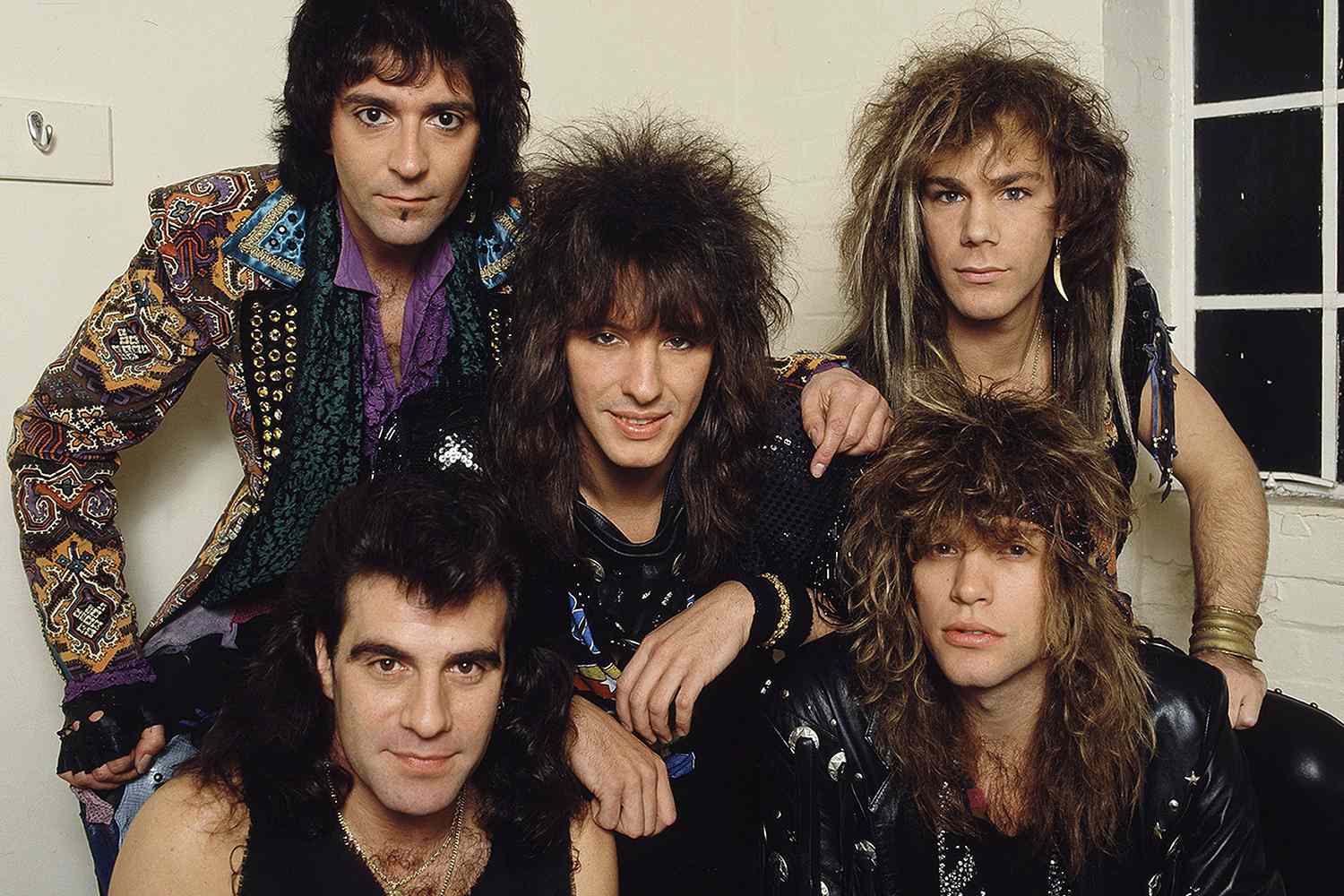
Bon Jovi and Hair-Band Mania
By 1987, Bon Jovi was not simply a band on the radio. The group had become a complete teen-culture force. The songs were enormous, the videos were constant, the posters were everywhere and the hair had enough volume to influence local weather patterns.
The success of Slippery When Wet carried through the year with chart-topping singles and an image perfectly built for MTV. The music offered hooks large enough for arenas, while the visuals supplied a version of cool that could be copied in smaller doses at school.
That combination is why the fad ranked second. The mania moved beyond music fandom. It affected hair, clothes, posture, bedroom walls and the amount of confidence somebody could temporarily borrow after hearing the opening of “Livin’ on a Prayer.”
The poster was part of the fandom
The band’s visual presence mattered almost as much as the records. Teen magazines, bedroom walls and video rotation made the image available between songs, turning fandom into a constant part of the room.
Hair-band style became public property
Not everybody joined a band, but ordinary people could borrow the volume, denim, leather, attitude or general belief that a dramatic entrance should happen before every chorus.
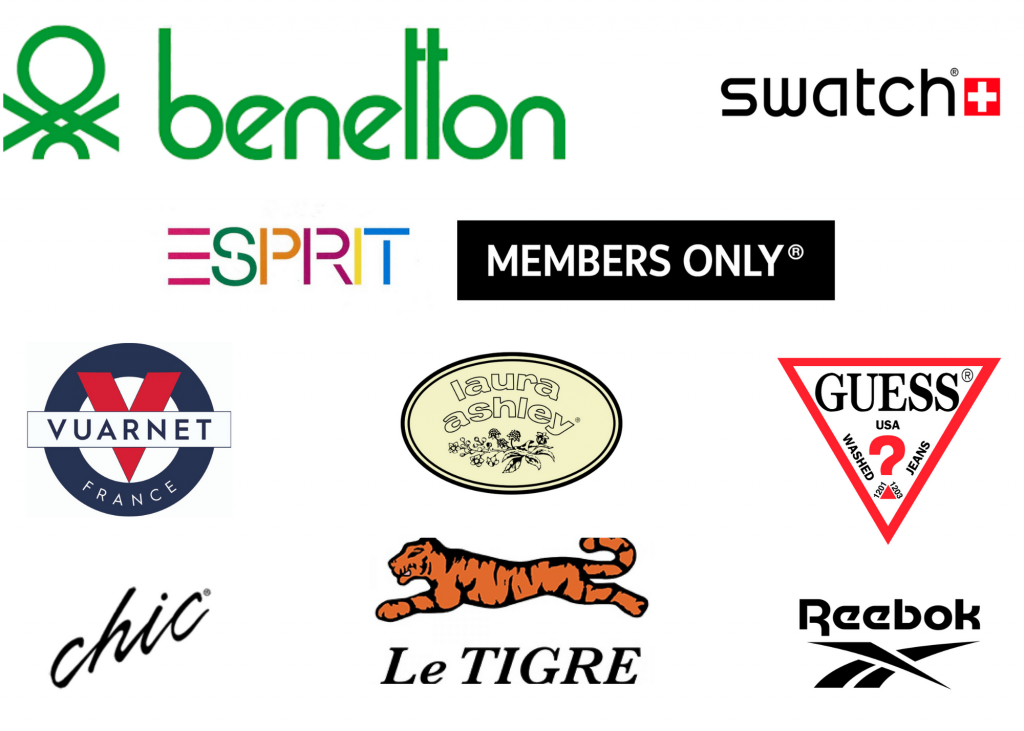
Designer-Label Obsession
The biggest fad of 1987 was not one specific pair of jeans or one sweatshirt. It was the belief that the name on the item mattered. Designer labels and recognizable brands carried social information, and kids became extremely efficient at reading it.
The pressure was visible in malls and schools. The correct logo could signal money, taste or membership in the current style hierarchy. An imitation or off-brand version could be inspected faster than the actual design. Clothing still covered the body, but by 1987 it had also been assigned administrative duties.
This takes number one because it shaped more everyday decisions than any single music or advertising craze. It affected family budgets, school shopping, peer pressure and the way people compared themselves. The logo had become a shortcut for status, and the entire culture understood the code.
The tag could matter more than the fabric
Brand awareness changed how clothing was discussed. Kids could know the acceptable names, the declining names and the expensive names without knowing anything about construction or materials.
Parents got pulled into the competition
The fad did not stop with the person wearing the clothes. It moved into family budgets and back-to-school negotiations, where the price of belonging could arrive attached to one sweatshirt or pair of jeans.
What Happened to the Biggest Fads of 1987?
The number-one fad had the strongest afterlife because brand identity became even more powerful in later decades. Bon Jovi also outgrew the moment, while the band’s 1987 image became a permanent shorthand for arena-sized hair-band culture.
Spuds and the California Raisins now work as concentrated nostalgia. One glimpse can reopen an entire commercial break. Mall bangs and giant bows return more selectively, usually when fashion decides it has been tasteful long enough.
The Final Verdict on the Biggest Fads of 1987
1987 was the year late-80s culture became fully integrated. Music supplied the image. Advertising supplied the characters. The mall supplied the brands. Hair and accessories made the whole thing visible from the other end of the hallway.
Designer-label obsession wins because it reached deepest into everyday behavior. Bon Jovi mania gave the year its loudest entertainment identity. The California Raisins and Spuds MacKenzie proved commercials could manufacture celebrities, while mall bangs and giant accessories showed ordinary people were willing to participate personally in the visual escalation.
More than anything, 1987 felt like a year in which culture sold identity from every angle—and Gen X learned to read the logos, hairstyles and ad characters whether we had asked for the lesson or not.
Historical Sources and Further Reading
These sources document the strongest historical anchors behind the ranking: Spuds MacKenzie’s 1987 national launch and merchandising, the California Raisins advertising phenomenon, Bon Jovi’s chart dominance and the designer-label pressure reported among teenagers during 1987.
Questions About the Biggest Fads of 1987
What were the six biggest fads of 1987?
Our ranking is designer-label obsession, Bon Jovi and hair-band mania, the California Raisins craze, mall bangs and sky-high Aqua Net hair, Spuds MacKenzie mania, and big bows with bright oversized accessories.
Why is designer-label obsession ranked number one?
It had the broadest effect on everyday life. Labels influenced school status, shopping, peer pressure, family budgets and how ordinary clothing was judged.
Why does Bon Jovi rank above the California Raisins?
Bon Jovi mania influenced music, hair, fashion, posters, MTV culture and teen identity. The Raisins were enormous, but the band’s effect reached more parts of everyday youth culture.
When did Spuds MacKenzie become famous?
Bud Light introduced Spuds MacKenzie to a national television audience during the 1987 Super Bowl. The mascot quickly expanded into merchandise and wider pop-culture recognition.
Why are the California Raisins considered a fad?
The characters grew beyond one commercial. They generated merchandise, media appearances, collectibles and recognition far beyond the original raisin campaign.
What were mall bangs?
Mall bangs were heavily teased and sprayed front sections of hair associated with late-80s teen and mall culture. Aqua Net and other strong hairsprays helped maintain the height.
Why were designer labels so important to teenagers in 1987?
Visible brands could signal money, taste and belonging. Contemporary reporting from 1987 described intense peer pressure around expensive labels and off-brand clothing.
Was Bon Jovi already popular before 1987?
Yes, but the success of Slippery When Wet and its singles made 1987 the year the band became an overwhelming mainstream and teen-culture force.
Were big bows really a major 1987 trend?
Large hair bows and oversized accessories fit the broader late-80s move toward bright color, visual scale and highly styled hair. They were especially visible in teen and youth fashion.
How did fads spread in 1987 without social media?
They spread through MTV, television commercials, teen magazines, malls, radio, school hallways, older siblings and word of mouth.
Which 1987 fad had the longest-lasting influence?
Designer-label culture had the strongest long-term influence. The brands changed, but logos and visible status signals remained central to fashion and youth culture.
Is this an objective historical ranking?
No. It is an editorial Gen X ranking based on visibility, participation, media reach, school-life impact, 1987 specificity and long-term memory.