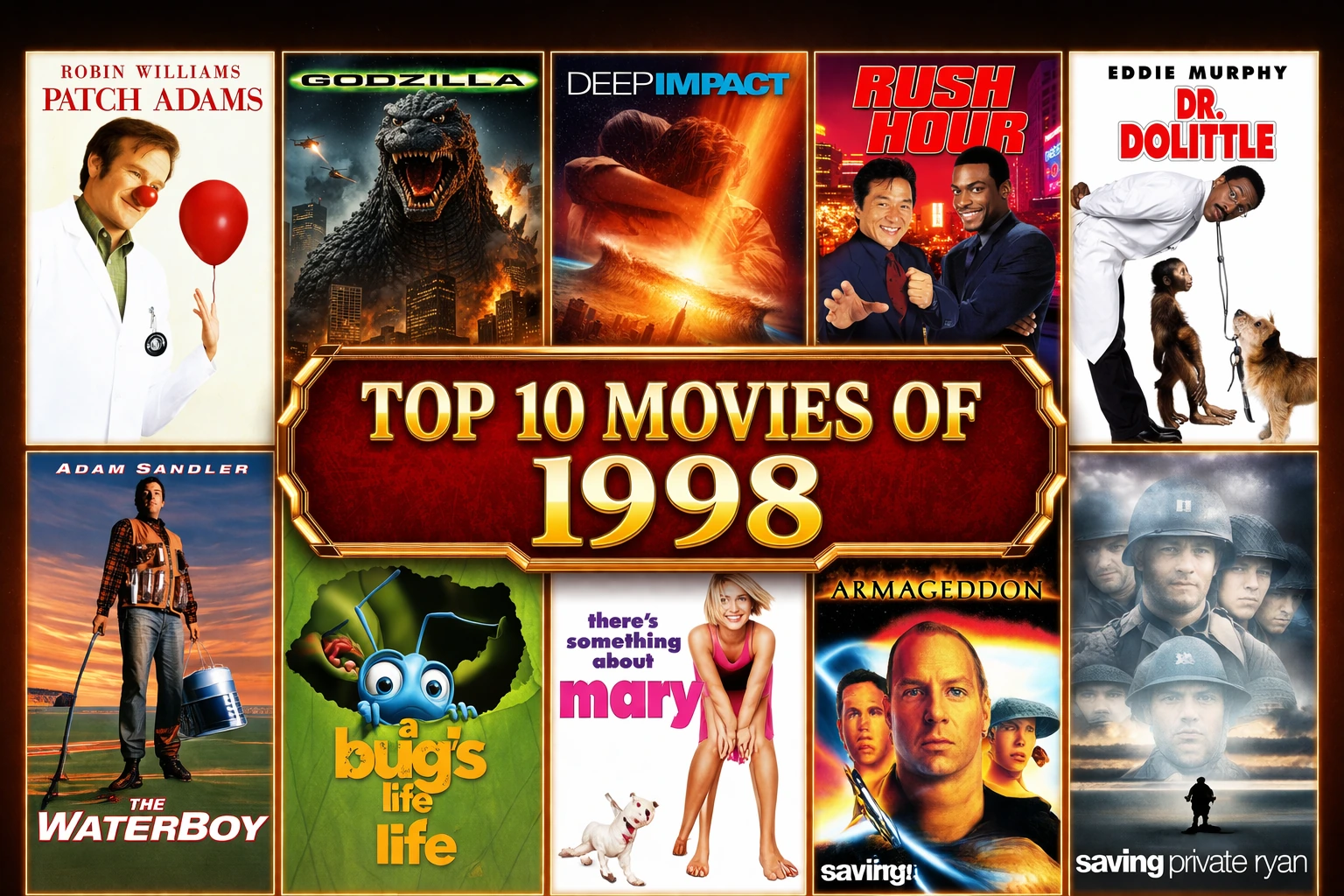
Top 10 Movies of 1998

Top 10 Movies of 1998
Smells Like Gen X • Top Movies of 1998

The Top 10 Movies of 1998

The top 10 movies of 1998 feel like one of the most revealing late-90s lineups because the year is pulled in two directions at once. On one side you have serious prestige cinema crashing into the multiplex with unusual force. On the other, you have giant lizards, planet-killing asteroids, bug-sized Pixar magic, broad comedy, and star vehicles built to hit like theme-park rides. It is a year where the mainstream could still make room for both emotional gravity and absolute nonsense.

What makes 1998 so distinctive is how wide the spread of box-office power still feels. Saving Private Ryan becomes a massive war-film landmark. Armageddon turns disaster spectacle into full MTV-era hysteria. There’s Something About Mary proves adult comedy can still crash the top tier with pure word-of-mouth force. A Bug’s Life confirms Pixar was not a one-off miracle. The Waterboy and Doctor Dolittle keep broad star comedy booming, while Rush Hour quietly launches one of the most commercially effective buddy-action franchises of the era.

For Gen X, 1998 still smells like oversized movie marketing, Aerosmith on the radio, Godzilla hype that somehow outpaced the movie itself, giant glasses from fast-food tie-ins, Armageddon trailers pretending subtlety had been outlawed, and the moment when prestige and popcorn still felt like they could cohabitate the same culture without instantly canceling each other out.

Gen X Note: 1998 is where late-90s Hollywood feels fully split between serious awards-friendly ambition and giant, glossy, high-concept excess — and somehow both sides still score huge with the same audience culture.

Quick List: The Top 10 Movies of 1998

  1. Patch Adams
  2. Godzilla
  3. Deep Impact
  4. Rush Hour
  5. Doctor Dolittle
  6. The Waterboy
  7. A Bug’s Life
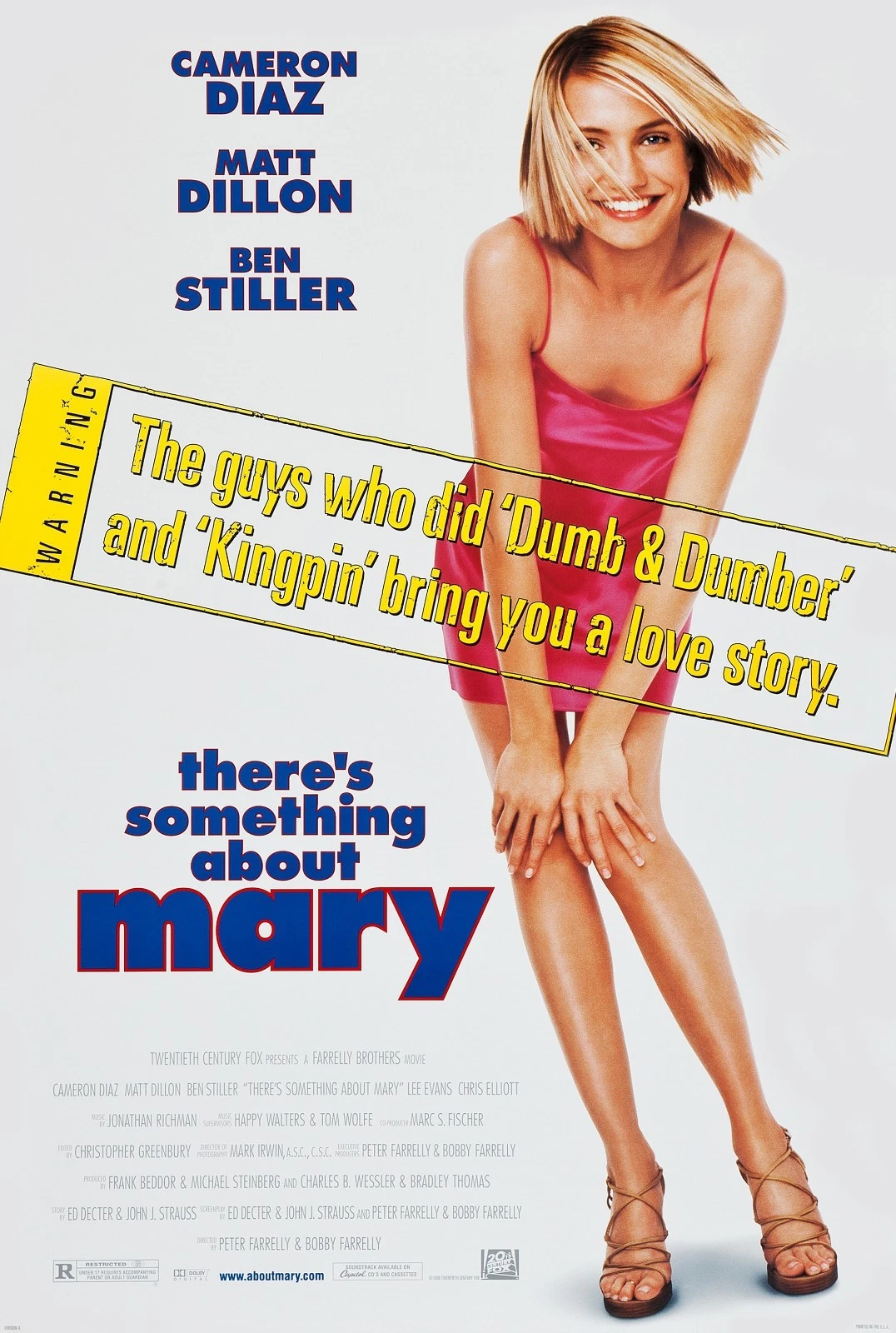
  8. There’s Something About Mary
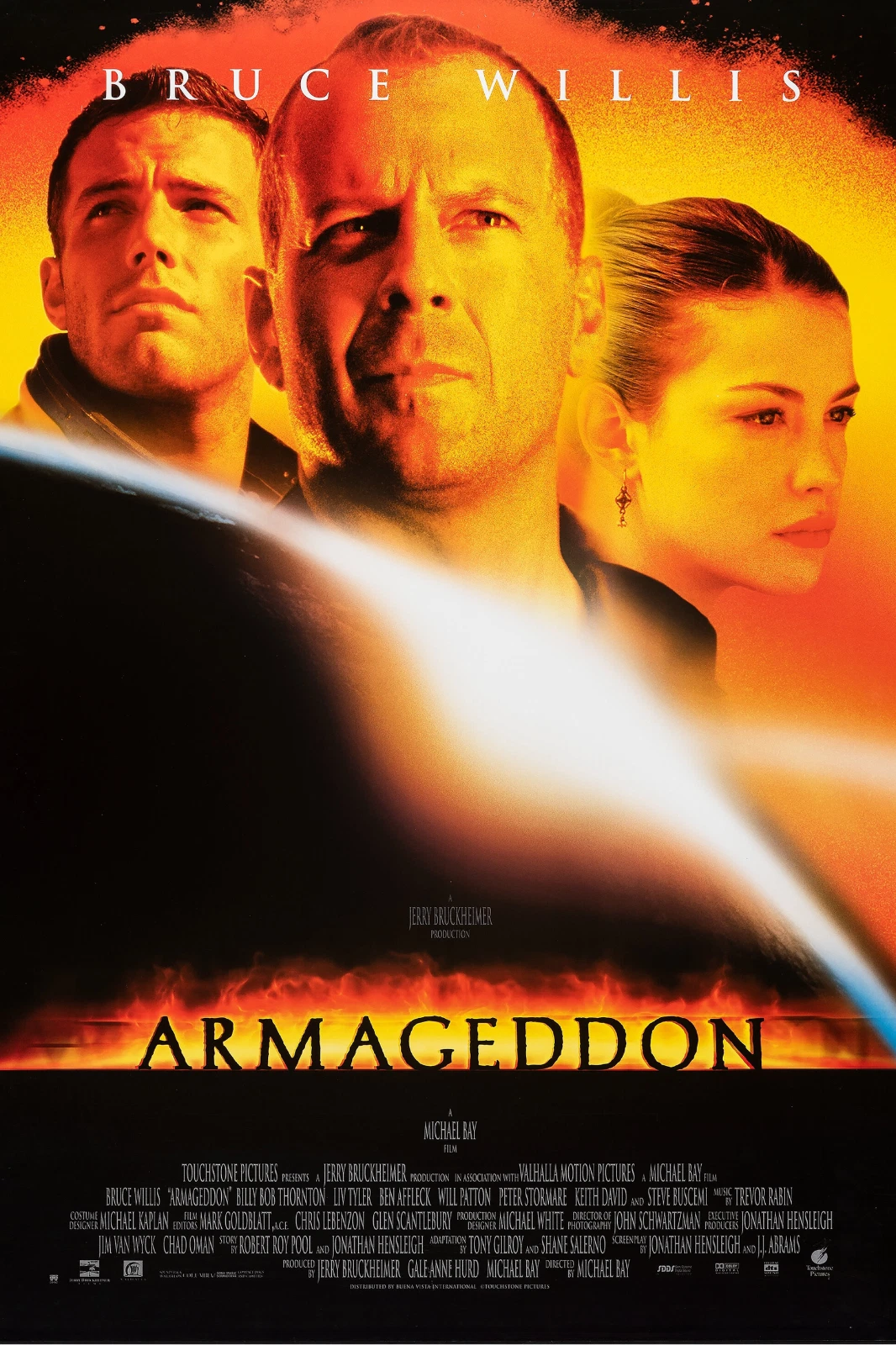
  9. Armageddon
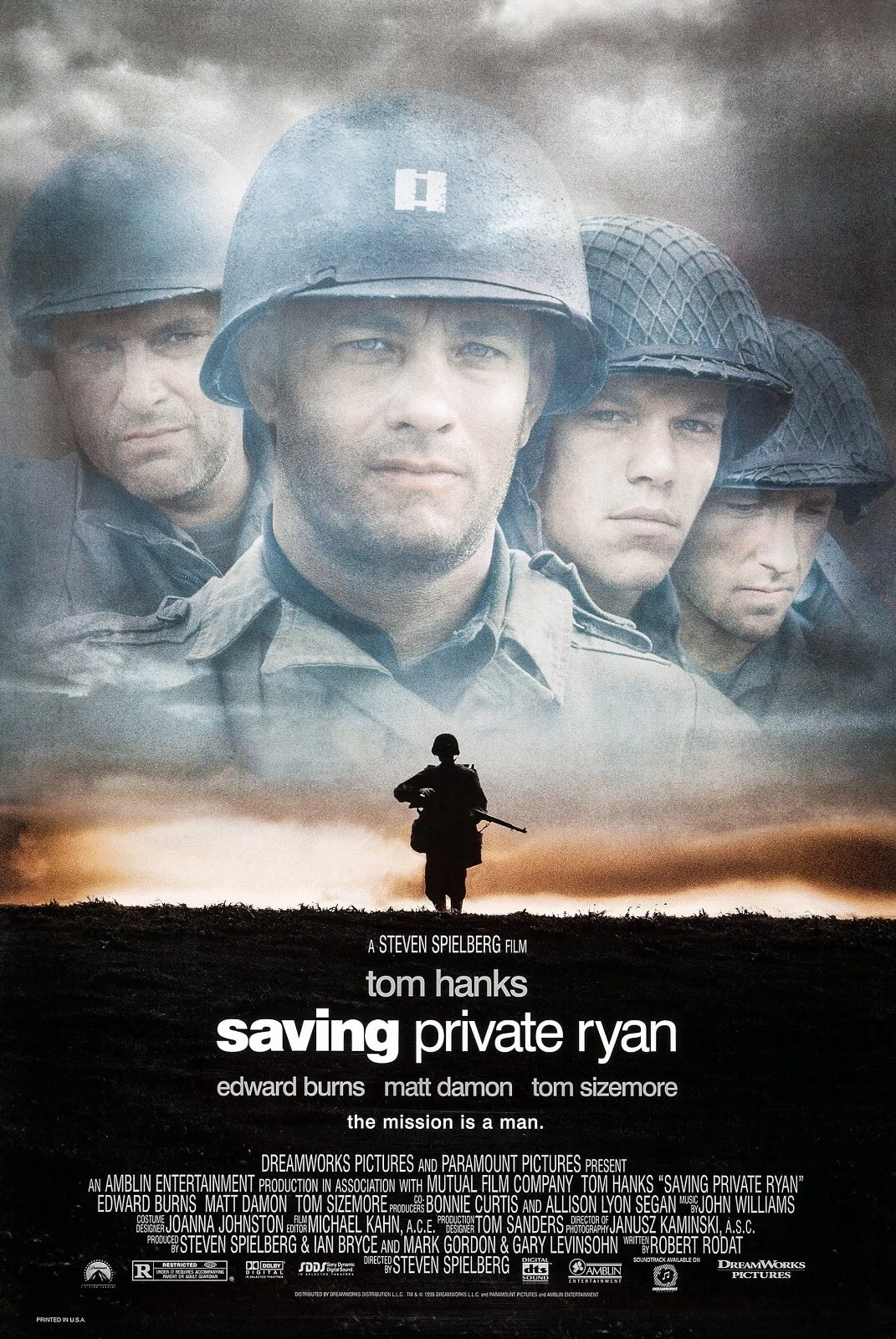
  10. Saving Private Ryan

Countdown: The Top 10 Movies of 1998

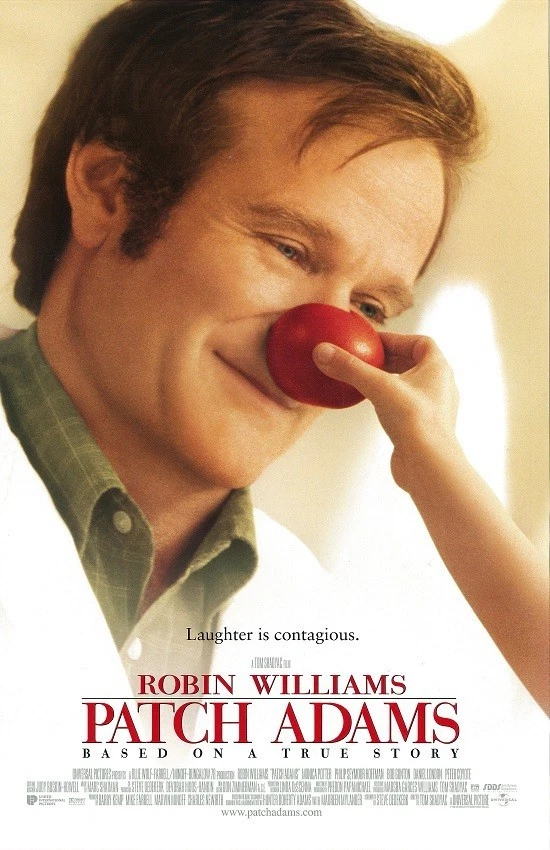
Patch Adams poster
1998

#10 — Patch Adams

Box Office: $135.0M
GenreComedy-drama
DirectorTom Shadyac
1998 Rank#10
Main Cast
  • Robin Williams as Patch Adams
  • Monica Potter as Carin Fisher
  • Philip Seymour Hoffman as Mitch Roman
  • Bob Gunton as Dean Walcott

Patch Adams at number ten is a perfect example of how Robin Williams could still turn overt sentiment into major studio business in the late 90s. This is not a cool movie. It does not care about being cool. It is earnest, emotional, manipulative, and determined to make compassion feel like rebellion. Whether a viewer loves that or rolls their eyes at it, the box office makes one thing clear: audiences absolutely showed up.

The movie plays directly into one of Williams’s strongest commercial modes — the lovable disruption engine. Patch is not simply a funny doctor. He is a challenge to institutions, hierarchy, and the idea that professionalism must be stripped of warmth to be taken seriously. That posture is what gives the film its populist charge.

It also fits 1998 unusually well because the year had a lot of glossy spectacle and harsh energy elsewhere. Patch Adams sells feeling instead. It offers kindness, tears, speeches, and the fantasy that human connection can shame rigid systems into becoming more humane. That kind of emotional broadness was still a very bankable studio proposition.

In the context of 1998, the movie matters because it shows how strong the market still was for star-led dramedy pitched at the emotional center of the mainstream.

For Gen X, it remains a reminder that Robin Williams’s late-90s box-office power was not only built on manic comedy. It was also built on the audience’s willingness to let him make them cry on purpose.
Fun Fact / Why It Still Matters It still represents a very specific late-90s studio formula: take a beloved star, add uplift, add tears, add institutional conflict, and trust audiences to lean into the emotional pitch without irony.
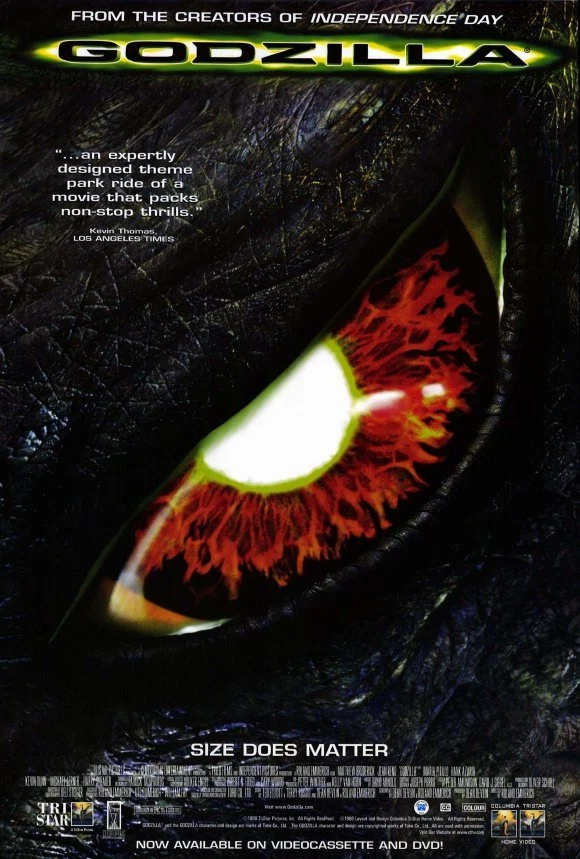
Godzilla poster
1998

#9 — Godzilla

Box Office: $136.3M
GenreMonster / disaster film
DirectorRoland Emmerich
1998 Rank#9
Main Cast
  • Matthew Broderick as Dr. Niko Tatopoulos
  • Jean Reno as Philippe Roaché
  • Maria Pitillo as Audrey Timmonds
  • Hank Azaria as Victor “Animal” Palotti

Godzilla at number nine is one of the great late-90s examples of marketing being even bigger than the movie itself. The hype was enormous. The teasers were everywhere. The promise of scale, destruction, and giant-monster reinvention was sold like a cultural event. The final movie is far more divisive than the campaign that launched it, but the campaign was strong enough to power the film into the year’s top ten anyway.

That box-office position matters because it tells you a lot about 1998. Hollywood was increasingly able to sell spectacle as an experience before audiences even knew whether the finished product would fully satisfy them. Godzilla is not a failure in commercial terms. It is a case study in how far scale, awareness, and giant-premise marketing could push a studio release.

Roland Emmerich’s approach makes sense on paper: treat the monster as a mobile urban-disaster engine, throw it into New York, and let the imagery do the heavy lifting. The problem is that the monster often feels more like a very large chase mechanic than a true mythic presence. Still, that mismatch is part of why the movie has such a weird afterlife. It is remembered as much for what people expected as for what it actually delivered.

In the context of 1998, Godzilla matters because it captures the decade’s escalating confidence in selling massive visual concepts first and trusting audience curiosity to do the rest.

For Gen X, it remains one of those “the trailer campaign was half the experience” blockbusters — a huge moment that everybody remembers, even when they do not remember it fondly.

Fun Fact / Why It Still Matters It still fascinates because it is a pure artifact of late-90s blockbuster hype — the kind of movie where the cultural footprint of the rollout almost rivals the movie itself.
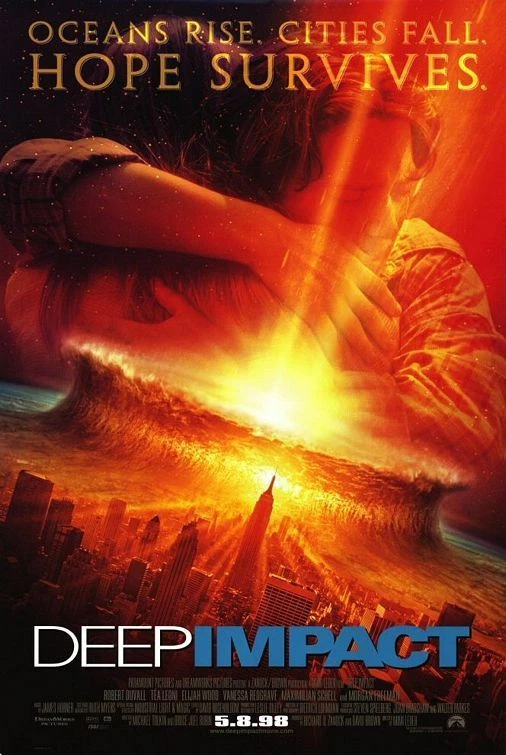
Deep Impact poster
1998

#8 — Deep Impact

Box Office: $140.5M
GenreDisaster drama
DirectorMimi Leder
1998 Rank#8
Main Cast
  • Robert Duvall as Capt. Spurgeon Tanner
  • Téa Leoni as Jenny Lerner
  • Elijah Wood as Leo Biederman
  • Morgan Freeman as President Beck

Deep Impact at number eight is a useful reminder that even within the same disaster trend, the late 90s still allowed room for tonal differences. Where Armageddon goes loud, glossy, and rock-video huge, Deep Impact aims for dread, sentiment, sacrifice, and the emotional logistics of how societies would actually behave if extinction felt like a calendar item instead of a remote theory.

That makes it a quieter film by comparison, but not a small one. It still has waves, destruction, government secrecy, and world-ending stakes. The difference is that the movie keeps returning to ordinary people, public response, and the ache of trying to live normally while history approaches like a wall.

Téa Leoni helps ground the movie by giving it a human-scale center, while Morgan Freeman’s president gives the whole thing a sober authority that feels very different from the chest-thumping blockbuster heroism elsewhere in the market. Robert Duvall, meanwhile, delivers the old-pro energy that disaster movies almost always need.

In the context of 1998, Deep Impact matters because it proves disaster spectacle could still score commercially while leaning toward emotional melancholy instead of pure sensory overload.

For Gen X, it remains one half of one of the decade’s weirdest twin-movie situations — the “serious asteroid movie” that arrived the same year as the louder one and still carved out a major audience.

Fun Fact / Why It Still Matters It still stands apart because it treats apocalypse not just as spectacle, but as a social and emotional event with real human aftershocks.
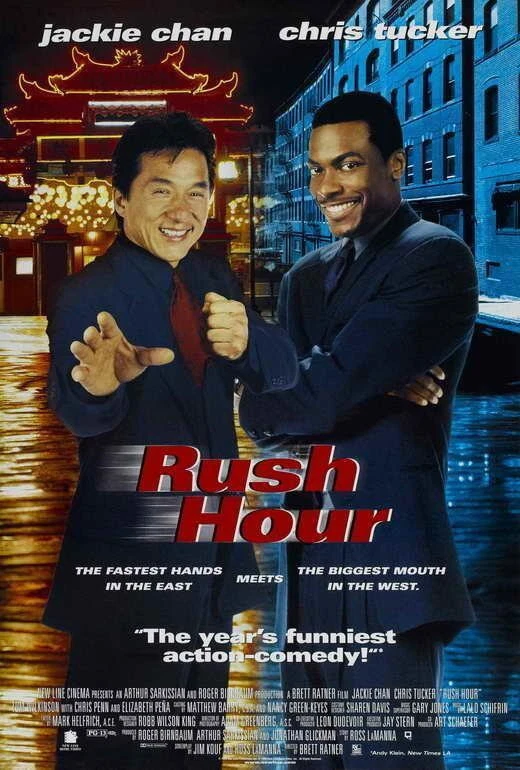
Rush Hour poster
1998

#7 — Rush Hour

Box Office: $141.2M
GenreBuddy action-comedy
DirectorBrett Ratner
1998 Rank#7
Main Cast
  • Jackie Chan as Chief Inspector Lee
  • Chris Tucker as Detective James Carter
  • Tom Wilkinson as Thomas Griffin / Juntao
  • Tzi Ma as Consul Han

Rush Hour at number seven is one of the smartest commercial blends of the late 90s because it takes two very different forms of star energy and lets the contrast do most of the work. Jackie Chan brings precision, physical control, and action credibility. Chris Tucker brings noise, speed, verbal chaos, and an almost weaponized amount of personality. Put them together and the movie basically builds itself.

The film matters because it knows exactly how to use Chan for American mainstream audiences without sanding away what made him special. It gives him space to move, fight, and react with that beautifully timed physical intelligence, while surrounding him with a more familiar Hollywood buddy-comedy structure. That combination helped broaden his U.S. commercial footprint dramatically.

Tucker, meanwhile, is not there to moderate anything. He is there to accelerate the rhythm. That is what makes the pairing work. One is elegance under pressure. The other is pure high-volume improvisational disruption. The movie understands that if the chemistry lands, the rest of the machine can stay simple.

In the context of 1998, Rush Hour matters because it shows how efficiently late-90s Hollywood could still launch a crowd-pleasing franchise out of star contrast, comic rhythm, and straightforward action mechanics.

For Gen X, it remains one of the era’s most rewatchable action-comedy hits — a movie that did not need to be overcomplicated because the leads were the concept.

Fun Fact / Why It Still Matters It still works because it built a blockbuster on chemistry first, proving that the right star collision can be every bit as valuable as a huge effects hook.
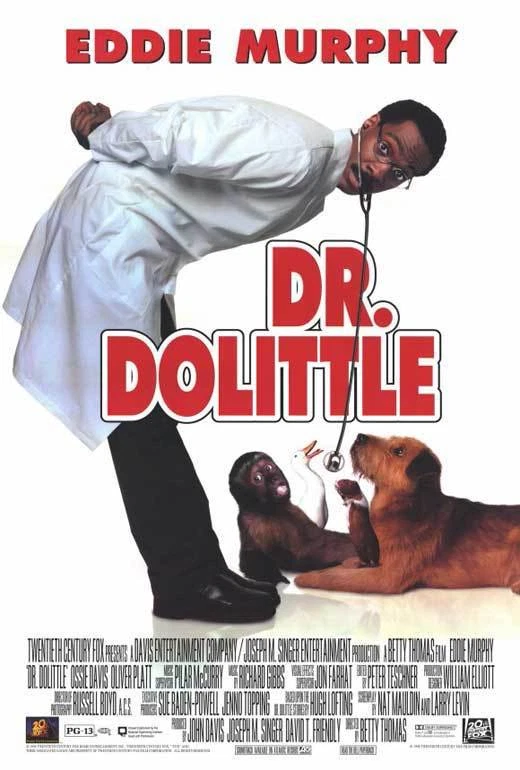
Doctor Dolittle poster
1998

#6 — Doctor Dolittle

Box Office: $144.2M
GenreFamily comedy
DirectorBetty Thomas
1998 Rank#6
Main Cast
  • Eddie Murphy as Dr. John Dolittle
  • Ossie Davis as Archer Dolittle
  • Kristen Wilson as Lisa Dolittle
  • Oliver Platt as the voice of Dr. Mark Weller the dog

Doctor Dolittle at number six is one of those late-90s family-star vehicles that feels extremely of its moment. Take a known property, wrap it around a major comic performer, add talking animals, add enough effects to feel contemporary, and let parents plus kids do the rest. That formula was not subtle, but it was effective.

Eddie Murphy’s presence is the key commercial lever. The movie is not merely about a man who can talk to animals. It is about a man who reacts to that absurd premise with Eddie Murphy timing, irritation, disbelief, and escalating humiliation. The comedic engine lives in the collision between his persona and the ridiculousness of the setup.

It also helps that the movie is pitched right at the comfort center of the family market. This is not edgy children’s entertainment. It is broad, accessible, noisy, and easy to sell. The animal effects and voice performances are there to keep the package moving, but the larger point is that Murphy could still anchor a mainstream family hit at big scale.

In the context of 1998, Doctor Dolittle matters because it shows how effectively studios could still turn classic-IP familiarity plus movie-star presence into a major summer crowd-pleaser.

For Gen X households, it remains the sort of movie that seemed to live forever on cable and DVD shelves — a very specific kind of family comedy that the era mass-produced well.

Fun Fact / Why It Still Matters It still reads as a perfect specimen of late-90s family-studio logic: recognizable premise, major comedy star, animal effects, and broad enough appeal to hit several generations at once.
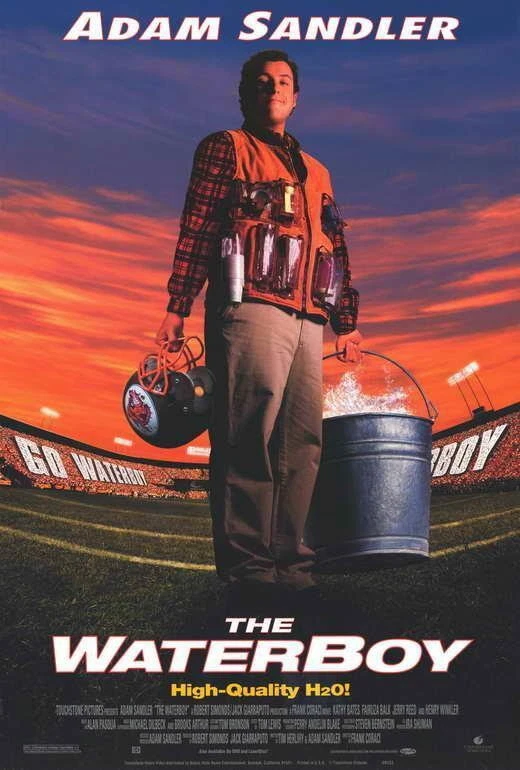
The Waterboy poster
1998

#5 — The Waterboy

Box Office: $161.5M
GenreSports comedy
DirectorFrank Coraci
1998 Rank#5
Main Cast
  • Adam Sandler as Bobby Boucher
  • Kathy Bates as Mama Boucher
  • Fairuza Balk as Vicki Vallencourt
  • Henry Winkler as Coach Klein

The Waterboy at number five is a giant reminder that by 1998 Adam Sandler had fully crossed from cult-comedy energy into real studio force. The movie is proudly stupid, aggressively broad, cartoonishly Southern, and built around a voice and persona that should not, on paper, have played this huge. But it did, because Sandler’s appeal in that moment was not about polish. It was about rhythm, repetition, and audience familiarity with exactly what kind of chaos he was bringing.

The football angle helps because it gives the movie a clean, mainstream-friendly frame for all the nonsense. Bobby Boucher is an underdog with a ridiculous backstory, an overbearing mother, repressed rage, and a set of comic tics that Sandler can play like a one-man instrument. Sports-movie structure does the organizing; Sandler does the disruption.

Kathy Bates is also a crucial ingredient because she sells the movie’s heightened family absurdity with enough conviction to make the whole thing feel like it lives in its own warped but coherent universe. That world-building, strange as it is, helps the movie work beyond mere sketch comedy.

In the context of 1998, The Waterboy matters because it shows the strength of broad studio comedy at the tail end of the decade, before that lane started shifting in tone and audience centrality.

For Gen X, it remains one of those era-defining hits where a very specific comic persona got amplified into full mainstream domination without losing its weirdness.

Fun Fact / Why It Still Matters It still matters because it captured Adam Sandler at the exact moment when his proudly juvenile comedy voice stopped being niche and became massive commercial language.
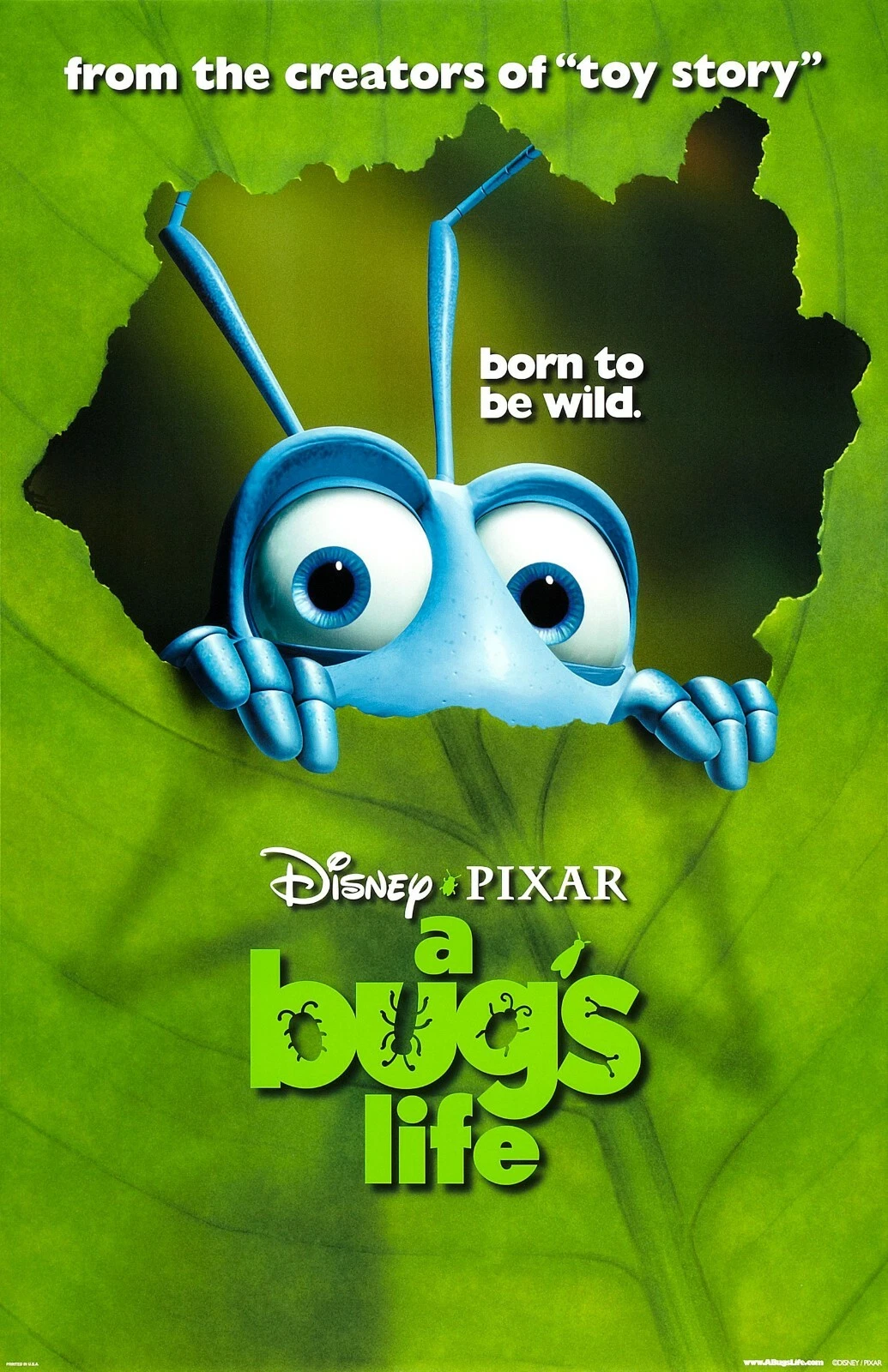
A Bug's Life poster
1998

#4 — A Bug’s Life

Box Office: $162.8M
GenreAnimated adventure
DirectorJohn Lasseter
1998 Rank#4
Main Cast
  • Dave Foley as Flik
  • Kevin Spacey as Hopper
  • Julia Louis-Dreyfus as Atta
  • Denis Leary as Francis

A Bug’s Life at number four is hugely important for understanding 1998 because it confirms Pixar was not just the studio behind one astonishing breakthrough. After Toy Story, there was still a legitimate question hanging in the air: was that a miracle, or was that a new normal? A Bug’s Life does not merely answer the question. It commercializes the answer.

The film’s scale is a big part of its charm. By shrinking the world down to insect level, it turns grass, dirt, leaves, and ordinary outdoor geography into giant cinematic architecture. That gives the movie a built-in sense of wonder before the plot even starts doing its work.

It also matters as a story because it fits neatly into one of the great family-movie templates: the underdog inventor, the frightened community, the oversized bully, and the gradual discovery that cleverness plus solidarity can beat brute force. That structure is not revolutionary, but Pixar’s confidence with character animation and environment design helps make it feel vivid rather than generic.

In the context of 1998, A Bug’s Life matters because it shows computer animation becoming an established commercial pillar rather than an exciting anomaly.

For Gen X families and younger viewers right behind them, it remains one of those “post-Toy Story but still early Pixar” movies that captures the moment when the studio still felt new and inevitable at the same time.

Fun Fact / Why It Still Matters It still matters because it proved Pixar’s first massive success was not a fluke, helping turn CGI animation from novelty into dependable mainstream studio power.
There's Something About Mary poster
1998

#3 — There’s Something About Mary

Box Office: $176.5M
GenreRomantic comedy
DirectorPeter Farrelly & Bobby Farrelly
1998 Rank#3
Main Cast
  • Ben Stiller as Ted Stroehmann
  • Cameron Diaz as Mary Jensen
  • Matt Dillon as Pat Healy
  • Lee Evans as Tucker / Norman Phipps

There’s Something About Mary at number three is one of the clearest signs that 1998 comedy audiences still wanted shock, sweetness, humiliation, and gross-out escalation all in the same package. The Farrelly brothers understood something really well: if you push bad taste hard enough but keep the characters recognizably human underneath it, audiences will keep following you even when the jokes become almost comically reckless.

Cameron Diaz is a huge reason the movie works as more than a parade of set pieces. Mary has to feel idealized enough to justify the obsessive male chaos orbiting around her, but not so unreal that the movie floats away entirely. Diaz gives the film the kind of star-centered lightness that stops it from becoming just a humiliation machine.

Ben Stiller, meanwhile, is superb at playing romantic panic, embarrassment, and self-sabotage. The movie weaponizes his discomfort. Matt Dillon helps by turning sleazy confidence into one of the film’s funniest recurring energies, and the whole thing becomes a perfect blend of competition, desire, delusion, and carefully timed social disaster.

In the context of 1998, There’s Something About Mary matters because it proves adult comedy could still become a genuine phenomenon through word of mouth rather than just opening-weekend brute force.

For Gen X, it remains one of those rare comedies that felt like an actual event, the kind of movie people urgently told each other to see because the jokes needed to be witnessed in a crowded room.

Fun Fact / Why It Still Matters It still lands because it balanced romantic-comedy structure with total Farrelly-era shamelessness, making it both grossly memorable and strangely audience-friendly.
Armageddon poster
1998

#2 — Armageddon

Box Office: $201.6M
GenreDisaster blockbuster
DirectorMichael Bay
1998 Rank#2
Main Cast
  • Bruce Willis as Harry Stamper
  • Ben Affleck as A.J. Frost
  • Liv Tyler as Grace Stamper
  • Billy Bob Thornton as Dan Truman

Armageddon at number two is late-90s blockbuster excess in its purest, loudest, most commercially overclocked form. Everything about it is oversized: the premise, the score, the camera movement, the patriotic sacrifice, the editing rhythm, the emotional declarations, the soundtrack synergy, the sheer certainty that subtlety would only get in the way of maximum audience impact.

Michael Bay’s method here is not elegance. It is pressure. The film never wants to simply move; it wants to surge. It wants every image to feel like it cost a fortune and every emotional beat to arrive like a fireworks finale. That style made it an ideal object for 1998 multiplex culture, where event feeling was increasingly as important as narrative coherence.

Bruce Willis anchors the whole machine with enough old-school star gravity to keep it emotionally legible. The movie’s gamble is that if the audience believes in Harry Stamper as a father, a worker, and a sacrificial hero, they will let the rest of the operatic nonsense wash over them happily. That gamble pays off.

In the context of 1998, Armageddon matters because it helps define the era’s blockbuster language: music-video intensity, spectacle first, emotion pitched to the rafters, and marketing strong enough to turn a movie into a total pop-culture climate event.

For Gen X, it remains inseparable from late-90s movie excess — the kind of film that could only exist in a moment when the culture still rewarded maximum volume with maximum enthusiasm.

Fun Fact / Why It Still Matters It still matters because it is one of the clearest examples of the blockbuster turning into full sensory overdrive while still keeping one hand on old-fashioned emotional melodrama.
Saving Private Ryan poster
1998

#1 — Saving Private Ryan

Box Office: $216.5M
GenreWar drama
DirectorSteven Spielberg
1998 Rank#1
Main Cast
  • Tom Hanks as Capt. John H. Miller
  • Tom Sizemore as Sgt. Mike Horvath
  • Edward Burns as Pvt. Richard Reiben
  • Matt Damon as Pvt. James Francis Ryan

Saving Private Ryan finishing at number one is one of the strongest indicators that 1998 was not merely a year of spectacle. It was also a year where a serious, punishing, technically astonishing war drama could take the top spot and feel fully at home in the mainstream. That matters. This was not a niche critical darling. It was a major commercial force.

Spielberg’s achievement is difficult to overstate. The opening Omaha Beach sequence alone changed the visual and emotional expectations around modern war movies. The film does not romanticize combat as a clean stage for heroism. It presents it as confusion, mutilation, terror, and noise. That shift reverberated through war cinema and television for years afterward.

Tom Hanks is the emotional anchor that lets the film move beyond technical brilliance. Captain Miller is weary, decent, strategic, and burdened by the absurd moral geometry of the mission itself. The movie is not just about saving one man. It is about the costs, logic, and emotional distortion of war-time decision making when human lives become arguments.

In the context of 1998, Saving Private Ryan matters because it proves the mainstream could still reward difficult, adult, formally ambitious filmmaking at a scale that feels almost surprising now.

For Gen X, it remains one of the defining “serious movie” experiences of the era — not just acclaimed, but widely seen, widely discussed, and treated as an instant standard.

Fun Fact / Why It Still Matters It still towers because it fused technical innovation, emotional gravity, and mainstream visibility into one war film that permanently reset the genre’s visual language.

Rewind Verdict

The top 10 movies of 1998 work so well because they show a mainstream still comfortable with contradiction. This is a year where Saving Private Ryan can top the box office while Armageddon goes full end-of-the-world glam-rock spectacle right behind it. A Pixar insect movie thrives. A giant lizard hype machine stomps into the top 10. Gross-out romance becomes a phenomenon. Adam Sandler and Eddie Murphy both remain major comedy forces. Jackie Chan and Chris Tucker launch a franchise on chemistry alone.

That is what makes 1998 feel so complete. It is not one trend overwhelming all others. It is prestige, effects, broad comedy, family animation, monster marketing, disaster double-features, and movie-star power all operating at once. The lineup feels messy in the best way — a little serious, a little stupid, a little emotional, and a lot louder than it probably needed to be.

For Gen X, 1998 feels like one of the last years when serious adult filmmaking and giant branded spectacle could both look totally normal inside the same commercial ecosystem. The culture still had room for both without insisting that one had to cancel the other out.

FAQ: Top Movies of 1998

What was the highest-grossing first-release movie of 1998?

Saving Private Ryan finished as the biggest North American first-release hit of 1998 under the total-gross ranking used for this series.

Why is Titanic not included for 1998?

Because this series ranks movies by their first-release year. Titanic was first released in 1997, so its continued 1998 earnings do not count toward the 1998 first-release list.

Why is A Bug’s Life above The Waterboy in this ranking?

Because the ranking is based on North American total gross for first-release 1998 titles, and A Bug’s Life finished ahead of The Waterboy on that measure.

What makes 1998 feel different from 1997?

1998 feels even more split between prestige seriousness and giant commercial excess. The biggest films are either emotionally heavy and awards-friendly or aggressively loud, glossy, and high-concept.

What makes the 1998 lineup so memorable?

Its variety. The year delivered war drama, asteroid panic, gross-out romance, Pixar animation, sports stupidity, talking animals, buddy-action chemistry, monster hype, and one of the most important late-90s prestige hits — all inside one top 10.

Get the Weekly Gen X Drop

New videos, rewinds, and savage nostalgia — first.

JOIN THE NEWSLETTER WATCH VIDEOS

MORE REWINDS