The Top 10 Movies of 1994

The Top 10 Movies of 1994
Smells Like Gen X • Top Movies of 1994

The Top 10 Movies of 1994

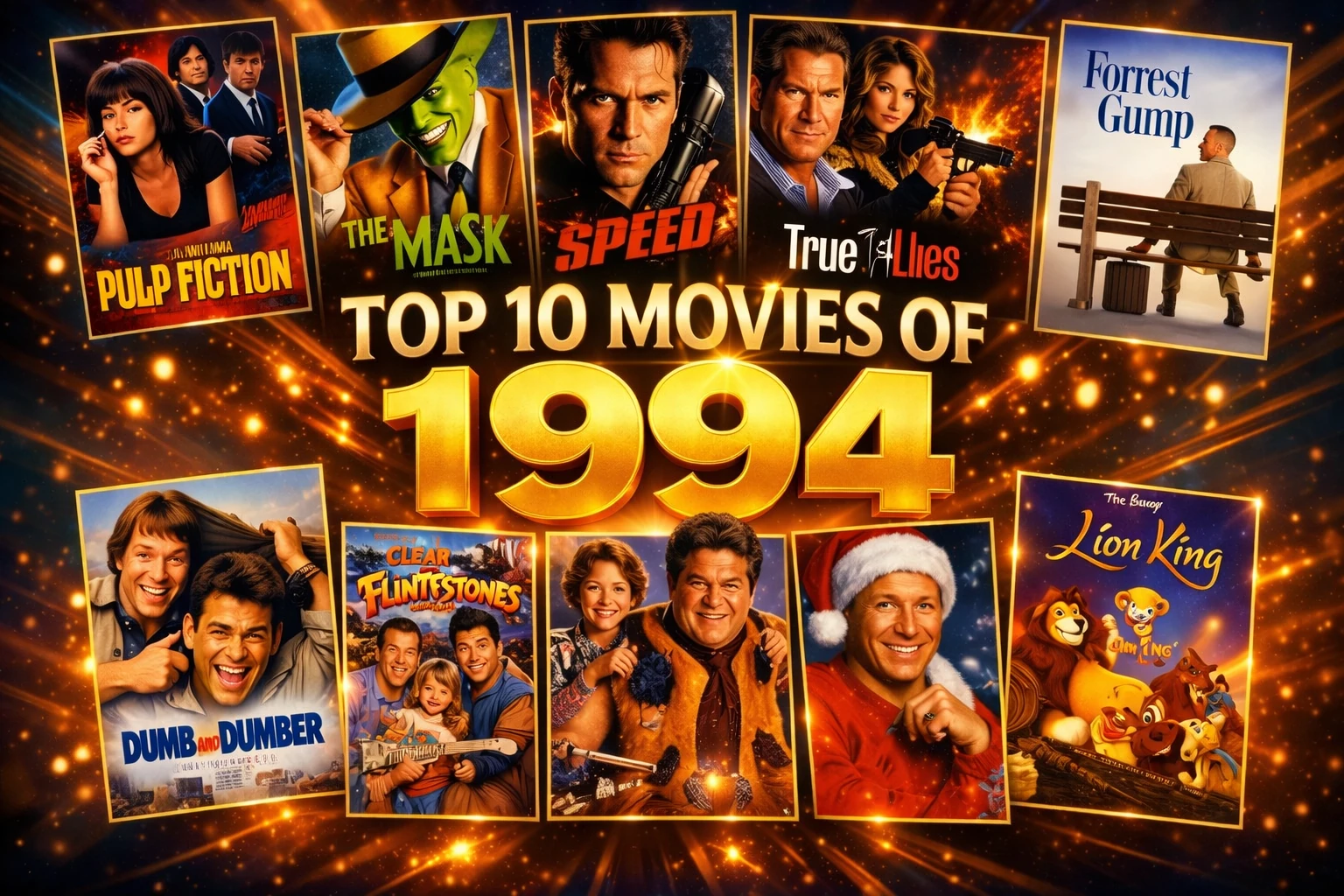
The top 10 movies of 1994 feel like one of the most complete snapshots of what the mid-90s mainstream could still be. This is a year where prestige crowd-pleasing, animated dominance, action spectacle, comic-book chaos, family holiday comfort, political suspense, and slacker-adjacent stupidity all coexist without one lane fully erasing the others.

What makes 1994 so strong is that the year’s biggest hits still feel genuinely different from one another. Forrest Gump becomes a giant all-audience phenomenon. The Lion King confirms Disney’s total command of the culture. True Lies keeps the big-action machine alive at full scale. Speed makes velocity itself the hook. Dumb and Dumber proves mass stupidity can still be a box-office superpower. And Pulp Fiction crashes the top 10 like a transmission from a smarter, stranger future.

For Gen X, 1994 is one of those years that still comes with instant sensory recall: Hakuna Matata everywhere, Jim Carrey’s face suddenly unavoidable, Keanu and Sandra trapped on a bus, Tom Hanks narrating American life into myth, Arnold crashing through walls again, and Quentin Tarantino turning talk, cool, violence, and structure into mainstream energy.

Gen X Note: 1994 is where the 90s start feeling fully locked in — giant animation, adult prestige, action velocity, dumb comedy, holiday comfort, and pop-culture cool all hitting hard at the same time.

Quick List: The Top 10 Movies of 1994

  1. Pulp Fiction
  2. The Mask
  3. Speed
  4. Clear and Present Danger
  5. Dumb and Dumber
  6. The Flintstones
  7. The Santa Clause
  8. True Lies
  9. The Lion King
  10. Forrest Gump

Countdown: The Top 10 Movies of 1994

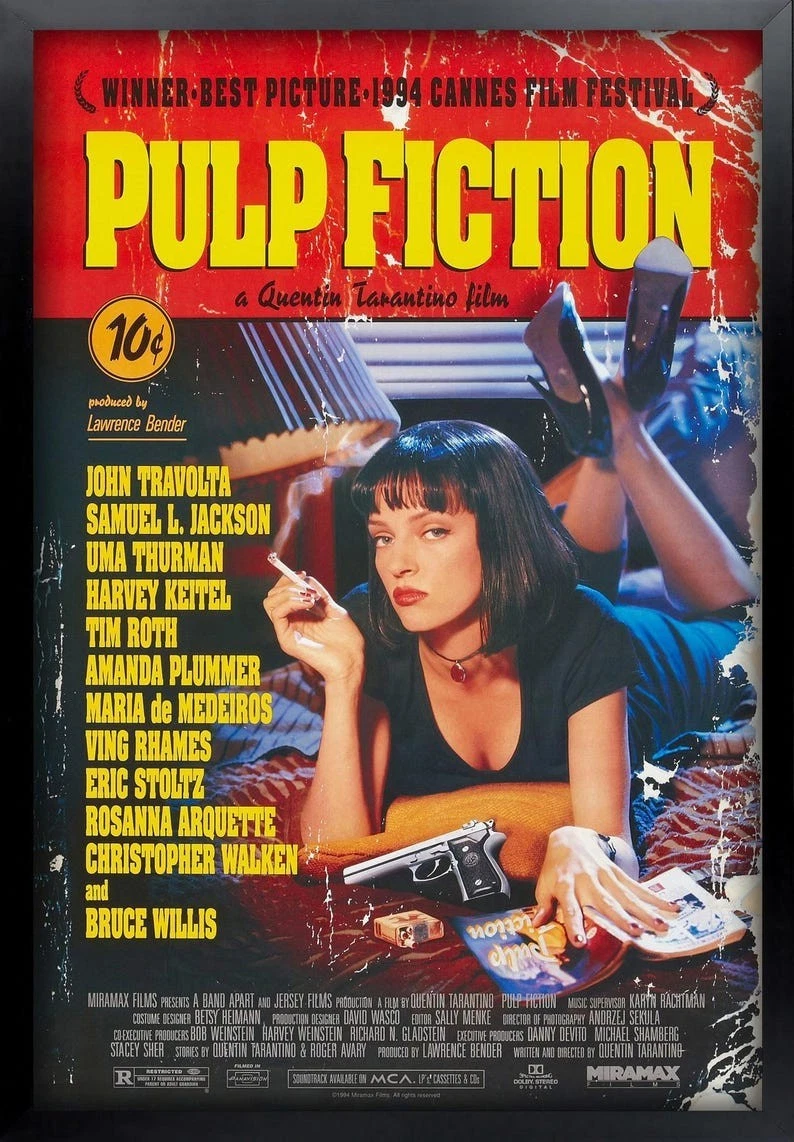
Pulp Fiction poster
1994

#10 — Pulp Fiction

Box Office: $107.9M
GenreCrime film
DirectorQuentin Tarantino
1994 Rank#10
Main Cast
  • John Travolta as Vincent Vega
  • Samuel L. Jackson as Jules Winnfield
  • Uma Thurman as Mia Wallace
  • Bruce Willis as Butch Coolidge

Pulp Fiction landing in the 1994 top 10 is one of the clearest signs that this was not just a year of conventional crowd-pleasers. It is the strange, stylish, talky, nonlinear outlier that somehow still became major mainstream business. That alone tells you how alive the movie culture still was.

Tarantino’s real trick is not merely coolness. It is control. The structure looks loose until you realize how precisely every piece is placed to create suspense, irony, rhythm, and aftershock. The dialogue is flashy, but the movie lasts because the architecture underneath it is so sharp.

It also matters because it turns performance into event energy. Travolta gets his career reset, Jackson becomes unavoidable, Thurman becomes iconic, and the whole cast starts behaving like they understand they are inside something that knows exactly how much voltage it carries.

In the context of 1994, the film matters because it proves that a movie could still feel indie-adjacent, structurally playful, and aggressively voice-driven while crashing into the commercial mainstream anyway.

For Gen X, it remains one of those movies that did not just succeed. It changed how people talked about movies, quoted movies, and imagined what mainstream-cool looked like.
Fun Fact / Why It Still Matters It still hits because it made style, structure, and dialogue feel like box-office weapons instead of niche art-house luxuries.
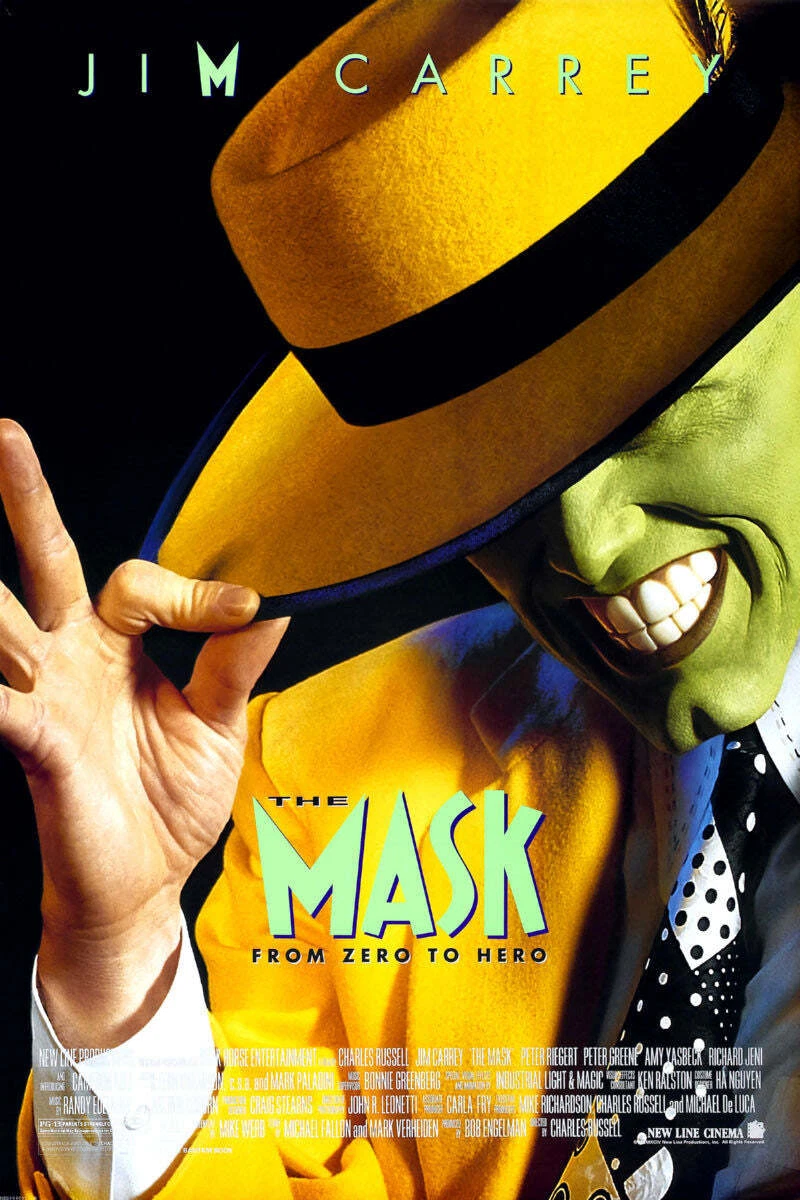
The Mask poster
1994

#9 — The Mask

Box Office: $119.9M
GenreFantasy comedy
DirectorChuck Russell
1994 Rank#9
Main Cast
  • Jim Carrey as Stanley Ipkiss / The Mask
  • Cameron Diaz as Tina Carlyle
  • Peter Riegert as Lt. Kellaway
  • Peter Greene as Dorian Tyrell

The Mask at number nine is one of the purest examples of star-energy and technology locking together at exactly the right moment. Jim Carrey already looked like a live-action cartoon; the digital effects simply gave him a world elastic enough to keep up.

What makes the movie work is that Stanley Ipkiss is such a clean fantasy vessel. He is timid, overlooked, and frustrated enough that the supernatural release valve instantly makes sense. Once the mask goes on, the movie turns id into spectacle.

The film also matters because it shows comic-book adaptation in an earlier, stranger form. It is not trying to become prestige superhero mythology. It is turning exaggerated visual identity into a manic comedy machine.

In the context of 1994, the movie matters because it captures the year’s appetite for velocity, effects, and comedic performance that feels almost chemically amplified.

For Gen X, it remains a perfect time-capsule hit because it fused Carrey’s ascent, Cameron Diaz’s breakout, and early-CGI cartoon physics into one wildly watchable package.

Fun Fact / Why It Still Matters It still pops because it found the exact moment when Jim Carrey’s face and digital elasticity became the same special effect.
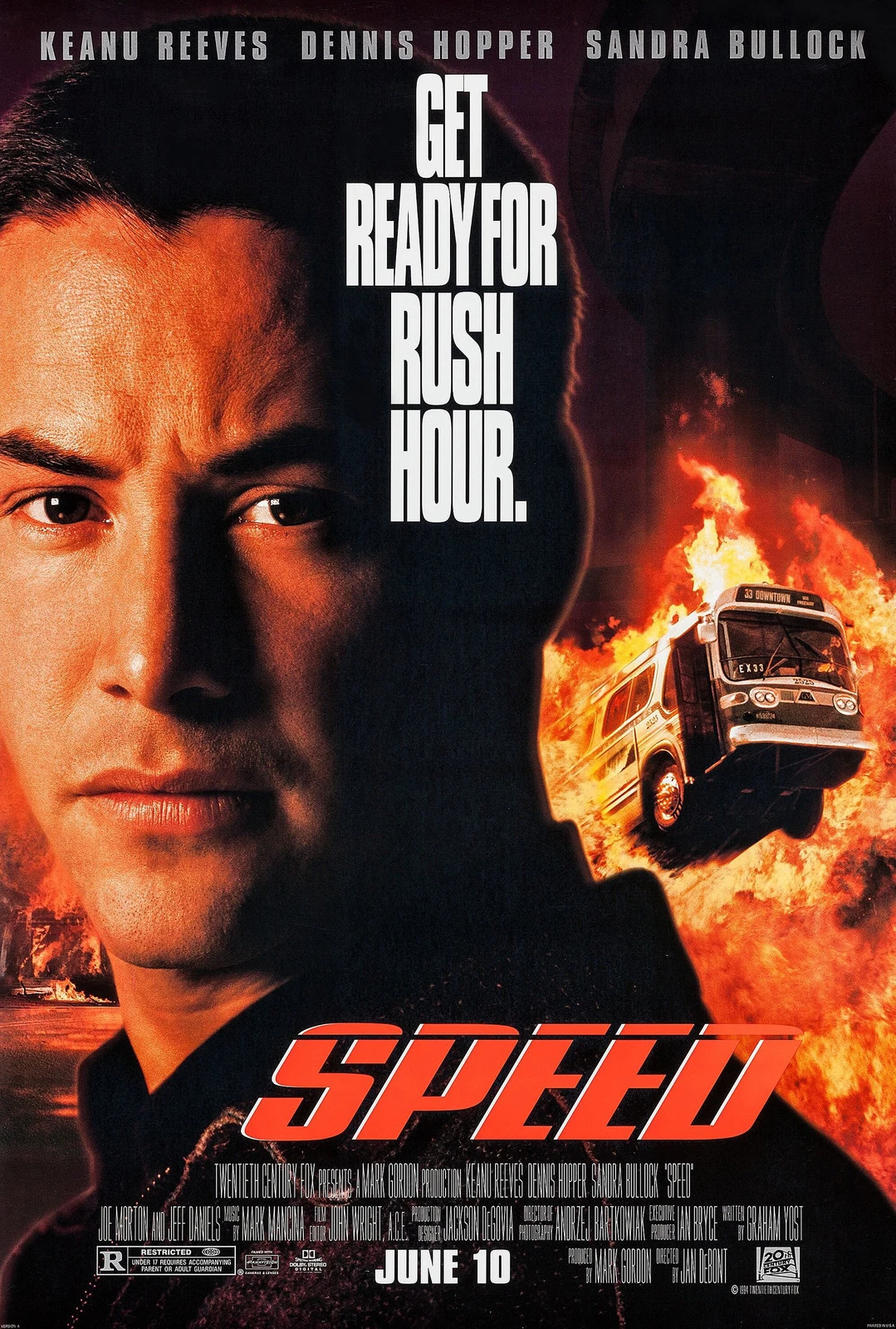
Speed poster
1994

#8 — Speed

Box Office: $121.2M
GenreAction thriller
DirectorJan de Bont
1994 Rank#8
Main Cast
  • Keanu Reeves as Jack Traven
  • Sandra Bullock as Annie Porter
  • Dennis Hopper as Howard Payne
  • Joe Morton as Capt. McMahon

Speed at number eight is one of the most beautifully simple action premises ever sold to a mass audience. The hook is so clean it feels inevitable: keep the bus above fifty or people die. From there, the movie does exactly what a great commercial thriller should do — escalate, clarify, and refuse to waste motion.

Keanu Reeves gives Jack Traven the right kind of sincerity. He is not trying to be overly clever. He is there to move, solve, react, and keep the machine going. Sandra Bullock matters just as much because Annie turns what could have been a generic hostage vehicle into something warmer, funnier, and more human.

Dennis Hopper also helps enormously by giving villainy theatrical relish without tipping the movie into camp collapse. He understands that a high-concept thriller needs a bad guy who enjoys explaining why the concept exists in the first place.

In the context of 1994, the film matters because it shows how powerful action could still be when built on one killer premise instead of endless franchise sprawl.

For Gen X, it remains one of the defining action movies of the decade because it feels fast in every useful way: conceptually, physically, and structurally.

Fun Fact / Why It Still Matters It still rules because it proves a perfectly engineered premise can be as potent as any oversized franchise mythology.
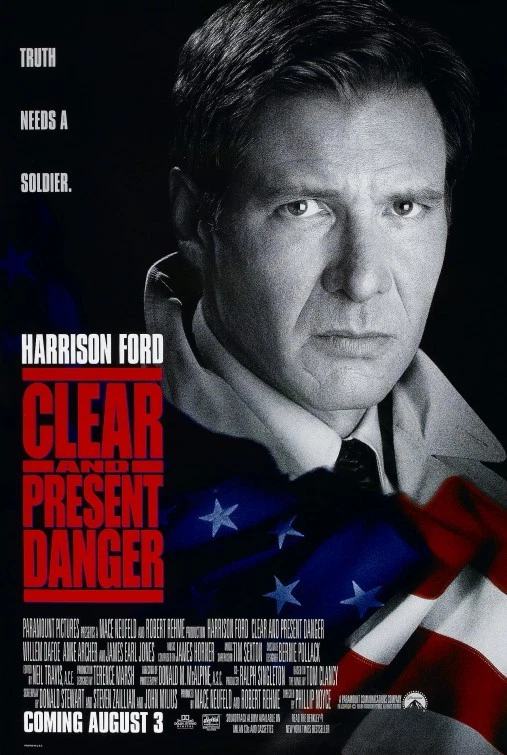
Clear and Present Danger poster
1994

#7 — Clear and Present Danger

Box Office: $122.2M
GenrePolitical thriller
DirectorPhillip Noyce
1994 Rank#7
Main Cast
  • Harrison Ford as Jack Ryan
  • Willem Dafoe as John Clark
  • Anne Archer as Cathy Ryan
  • Joaquim de Almeida as Félix Cortez

Clear and Present Danger at number seven is another reminder that 1994 still had a robust appetite for adult geopolitical suspense. Institutions, covert operations, national rhetoric, and dirty hands hidden behind respectable language — that was still premium mainstream entertainment.

Harrison Ford’s Jack Ryan works because he is not sold as a brute-force action machine. He is intelligent, decent, increasingly alarmed, and trapped in systems that assume integrity is optional once power decides otherwise.

The movie also benefits from how seriously it takes policy and consequence. This is not just spy-flavored wallpaper around set pieces. It is a story about what governments authorize, deny, and sacrifice while hoping nobody with a conscience remains close enough to object.

In the context of 1994, the film matters because it shows the political-thriller mode still operating at blockbuster-adjacent scale without needing superheroization or pure spectacle as camouflage.

For Gen X, it remains one of those durable “grown-up thriller” hits that felt smart, tense, and fully at home in the mainstream.

Fun Fact / Why It Still Matters It still works because it makes bureaucratic language, covert policy, and moral compromise feel as suspenseful as firefights.
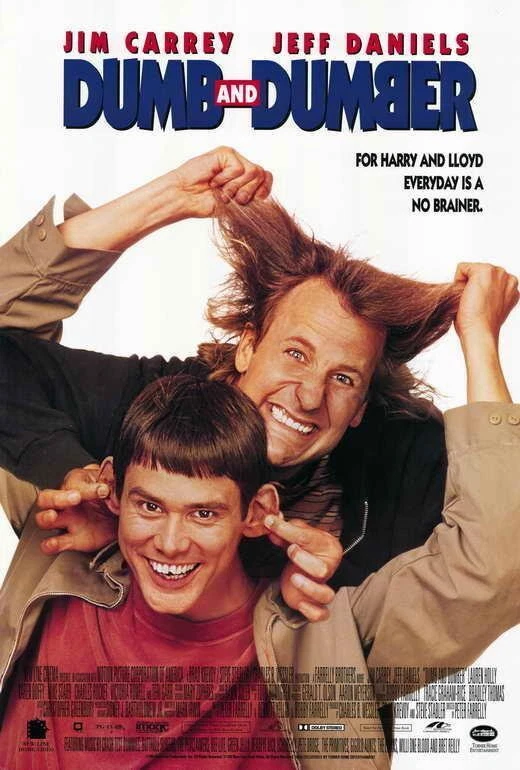
Dumb and Dumber poster
1994

#6 — Dumb and Dumber

Box Office: $127.2M
GenreComedy
DirectorPeter Farrelly & Bobby Farrelly
1994 Rank#6
Main Cast
  • Jim Carrey as Lloyd Christmas
  • Jeff Daniels as Harry Dunne
  • Lauren Holly as Mary Swanson
  • Mike Starr as Joe Mentalino

Dumb and Dumber at number six is one of the loudest declarations 1994 makes: stupidity, when delivered with conviction and precision, is a box-office force. This movie does not flirt with idiocy. It builds a cathedral to it.

What makes it last is that Lloyd and Harry are not mean in the way later gross-out comedy sometimes becomes mean. They are catastrophically dumb, but they are also sincere enough that the movie can stay buoyant rather than sour.

Jim Carrey was already having a monster year, but Jeff Daniels is the secret ingredient that makes the duo work. He matches the lunacy instead of politely orbiting it, which gives the movie a real two-person rhythm rather than a single comic engine dragging everything else behind it.

In the context of 1994, the film matters because it proves broad theatrical comedy could still hit enormous numbers with nothing more sophisticated than commitment, timing, and a premise that knows exactly how stupid it wants to be.

For Gen X, it remains one of the era’s most rewatchable comedies because the performances are so fearless and the idiocy so structurally disciplined.

Fun Fact / Why It Still Matters It still kills because it treats extreme stupidity with the seriousness of formal comic craft.
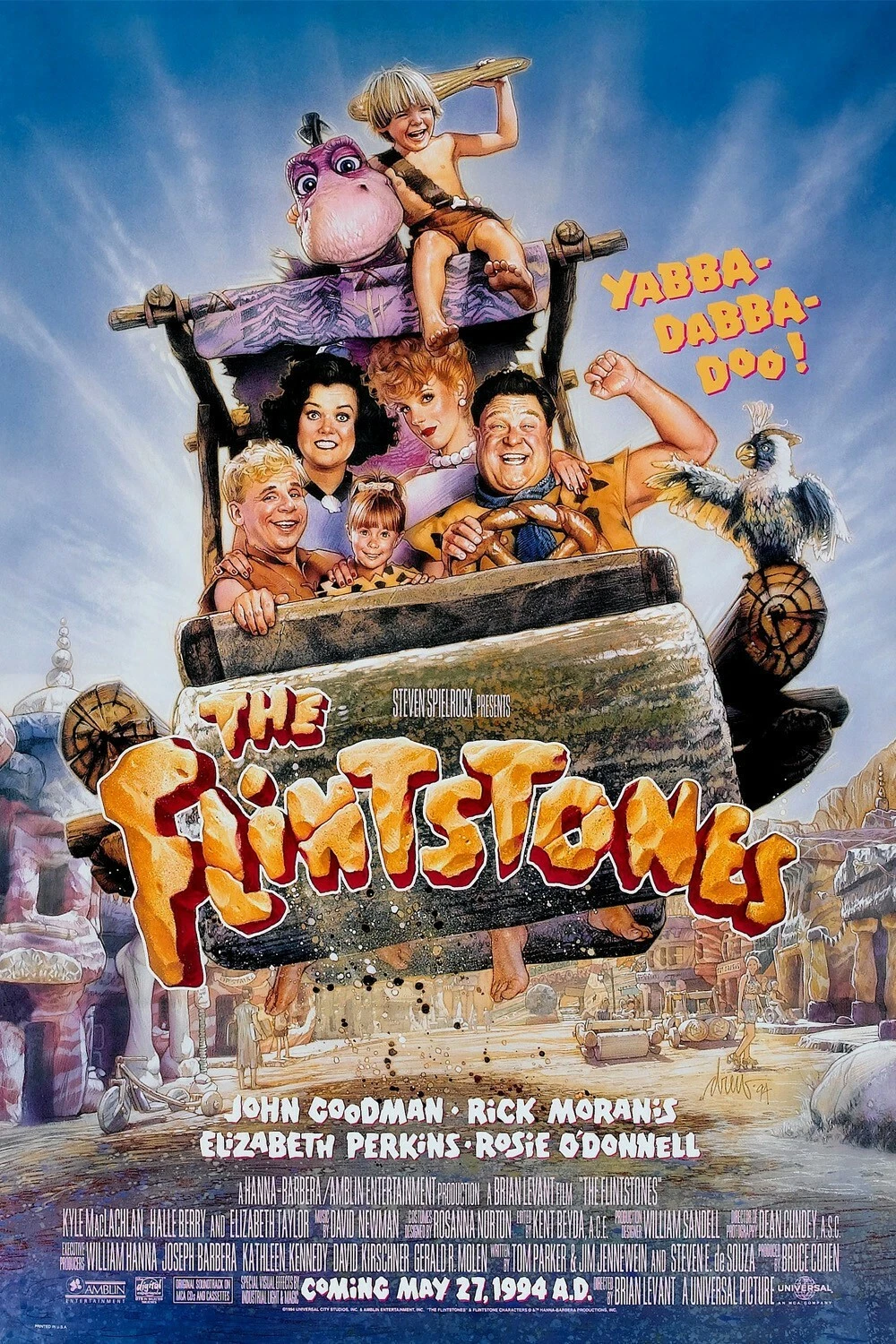
The Flintstones poster
1994

#5 — The Flintstones

Box Office: $130.5M
GenreFamily comedy
DirectorBrian Levant
1994 Rank#5
Main Cast
  • John Goodman as Fred Flintstone
  • Rick Moranis as Barney Rubble
  • Elizabeth Perkins as Wilma Flintstone
  • Rosie O’Donnell as Betty Rubble

The Flintstones at number five is one of the purest examples of 90s adaptation logic: take an older piece of pop culture, scale up the production design, lean into recognizability, and trust that viewers will show up for the live-action translation.

The movie’s real appeal is not sophistication. It is world-building as novelty. Bedrock looks tactile, overbuilt, and weirdly convincing, which gives the film a kind of theme-park pleasure even when the story machinery is doing less.

John Goodman is the smartest casting choice because he gives Fred the right combination of size, bluster, and lovability. The whole movie needs a center sturdy enough to keep the cartoon-to-live-action bridge from collapsing.

In the context of 1994, the film matters because it shows how heavily the industry was beginning to trust branded familiarity and production design spectacle as event drivers.

For Gen X, it remains one of those giant, slightly bizarre adaptation hits that made perfect sense at the time because the culture still loved seeing cartoons turned into real, buildable worlds.

Fun Fact / Why It Still Matters It still fascinates as a time capsule of the era’s faith that recognizable IP plus giant practical world-building could sell itself.
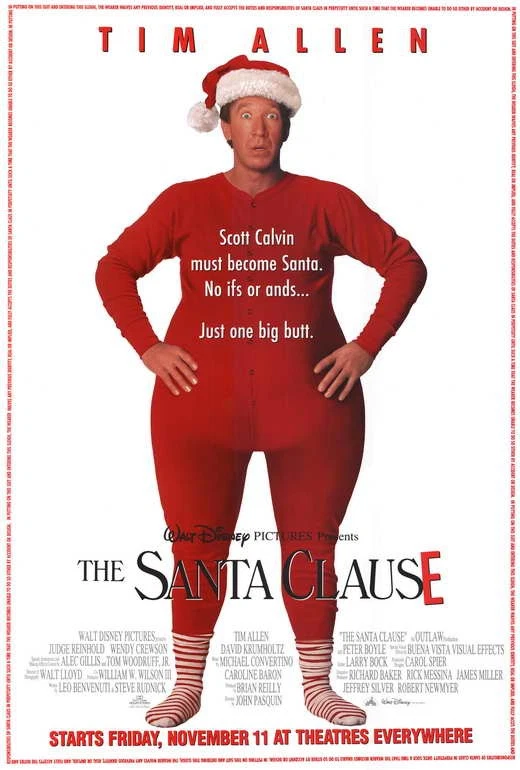
The Santa Clause poster
1994

#4 — The Santa Clause

Box Office: $144.8M
GenreHoliday family comedy
DirectorJohn Pasquin
1994 Rank#4
Main Cast
  • Tim Allen as Scott Calvin / Santa Claus
  • Judge Reinhold as Neil Miller
  • Wendy Crewson as Laura Calvin Miller
  • Eric Lloyd as Charlie Calvin

The Santa Clause at number four is a reminder that 1994 still had room for high-concept family entertainment built around a premise so clean you could pitch it in one sentence and everybody instantly understood the assignment.

Tim Allen’s value is that Scott Calvin begins from recognizable annoyance and skepticism rather than immediate charm. That gives the transformation more comic bite, because the movie is essentially forcing one particular kind of 90s dad energy into mythic responsibility.

The premise also works because it turns Christmas into contractual absurdity. The comedy is not just seasonal sweetness. It is bureaucracy colliding with magic, which gives the film a slightly stranger identity than its warm afterglow sometimes suggests.

In the context of 1994, the film matters because it proves Disney could keep winning not only with animation but with family live-action high concepts built for ritual rewatching.

For Gen X, it remains one of those holiday staples that became tradition almost immediately because the premise was strong enough to survive endless repetition.

Fun Fact / Why It Still Matters It still works because it turns holiday mythology into a deadpan premise engine without draining away the warmth that makes people revisit it.
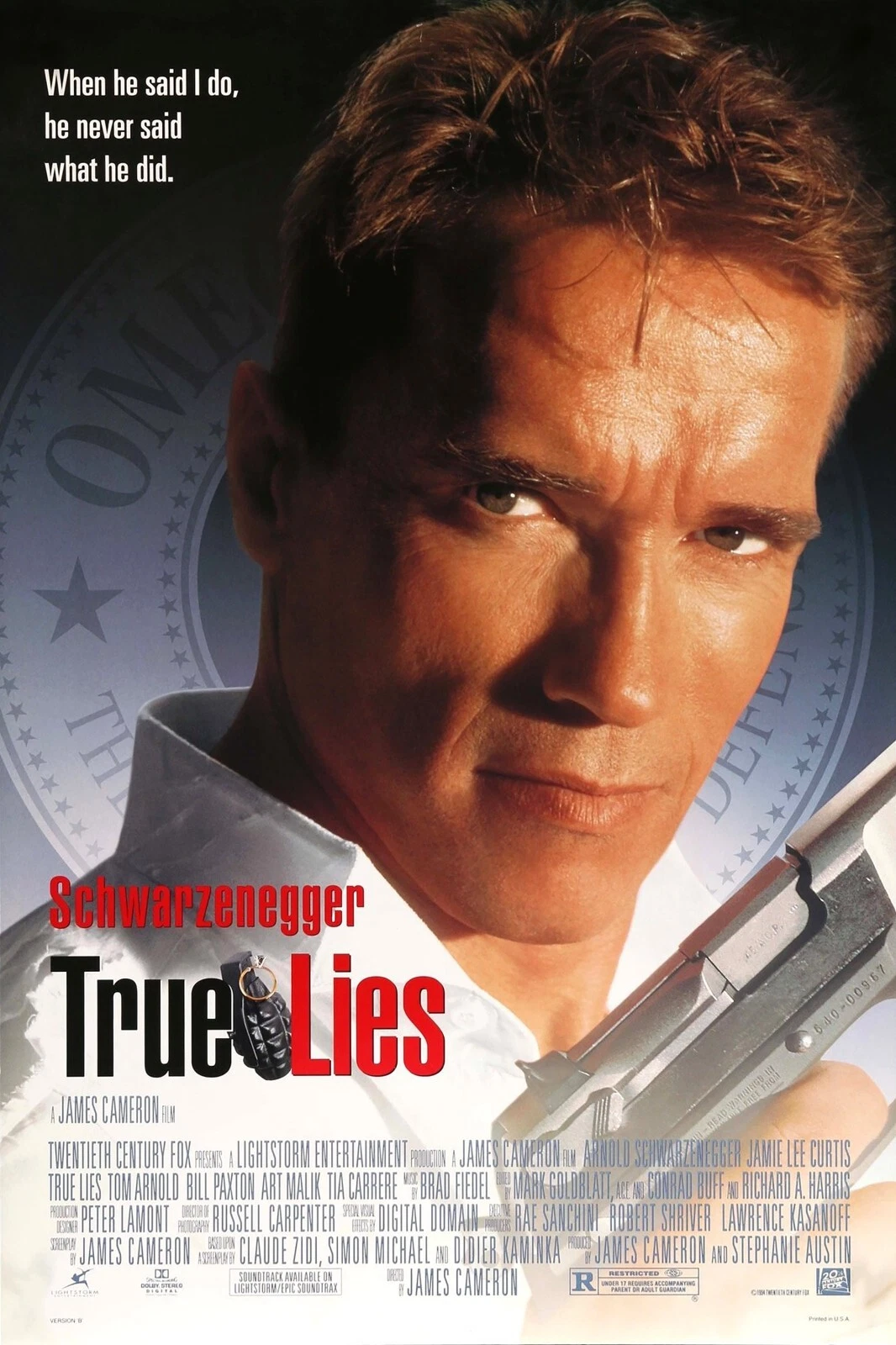
True Lies poster
1994

#3 — True Lies

Box Office: $146.3M
GenreAction comedy
DirectorJames Cameron
1994 Rank#3
Main Cast
  • Arnold Schwarzenegger as Harry Tasker
  • Jamie Lee Curtis as Helen Tasker
  • Tom Arnold as Albert Gibson
  • Tia Carrere as Juno Skinner

True Lies at number three is 1994 reminding everybody that giant action spectacle still had plenty of gas left when handed to someone who understood scale, propulsion, and escalation better than almost anyone in the business.

James Cameron turns the whole movie into a luxury machine of destruction, but what keeps it entertaining is the domestic-comedy layer running beneath the spy framework. Harry Tasker is not merely saving the world. He is also stumbling through marriage, boredom, secrecy, and ego in ways that let the movie keep shifting tone without breaking.

Jamie Lee Curtis is crucial because Helen’s transformation gives the movie a second engine beyond Arnold’s star image. Once she enters the fantasy more directly, the movie becomes much more than a big-man action vehicle.

In the context of 1994, the film matters because it shows the older blockbuster model still capable of feeling huge, expensive, and event-worthy before full CGI saturation completely changed the visual battlefield.

For Gen X, it remains one of the era’s purest “they really spent that much on this and somehow it works” action hits.

Fun Fact / Why It Still Matters It still entertains because it fuses spy spectacle, marital farce, and Cameron-scale destruction into one absurdly confident package.
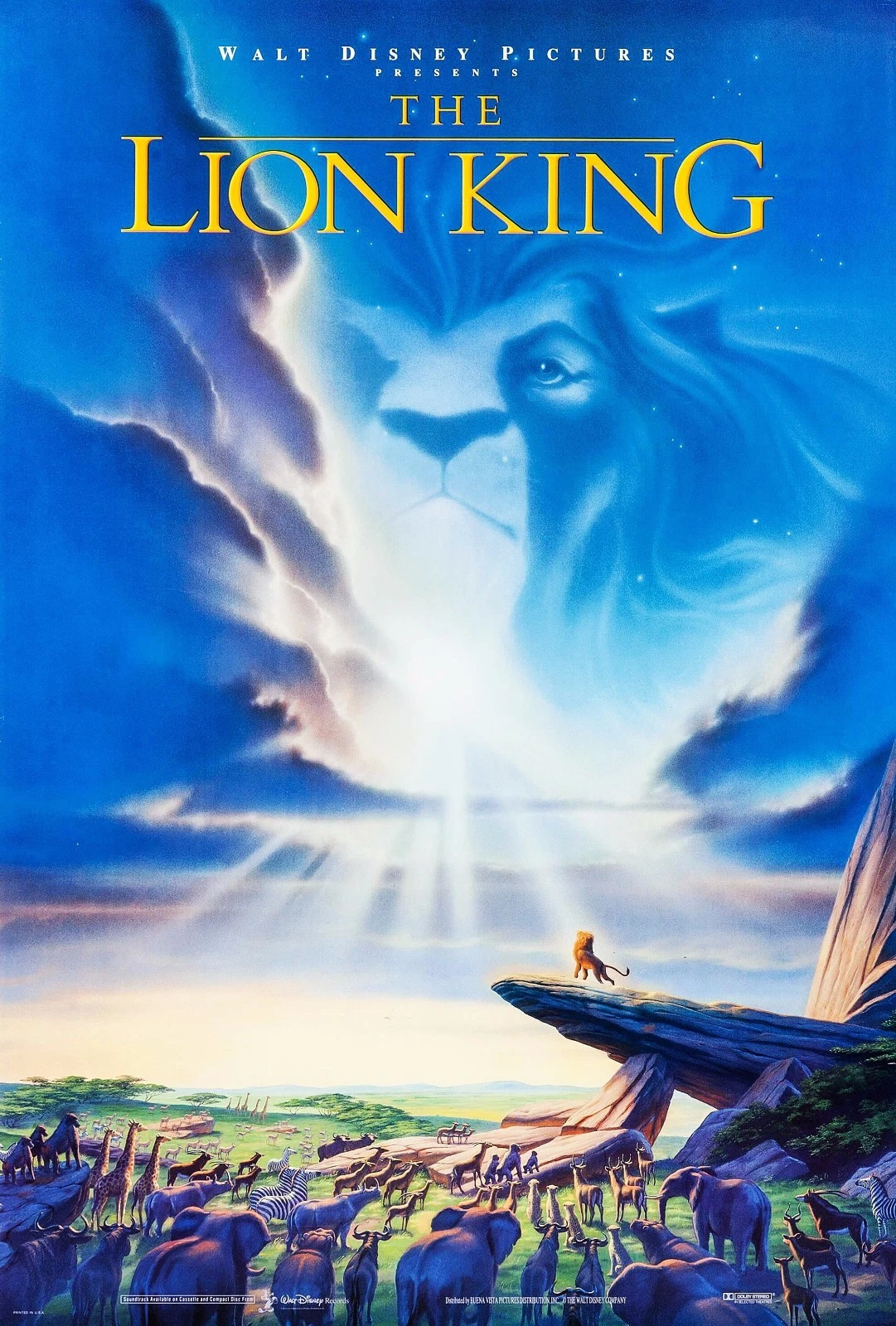
The Lion King poster
1994

#2 — The Lion King

Box Office: $312.9M
GenreAnimated musical drama
DirectorRoger Allers & Rob Minkoff
1994 Rank#2
Main Cast
  • Matthew Broderick as adult Simba
  • James Earl Jones as Mufasa
  • Jeremy Irons as Scar
  • Moira Kelly as adult Nala

The Lion King at number two is Disney at full cultural dominance. This is not just another successful animated release. It is a takeover-level hit that turned songs, characters, imagery, and emotional beats into everyday cultural furniture.

What makes the movie hit so hard is that it is not merely cute or funny or bright. It is mythic. Loss, exile, guilt, inheritance, memory, and return are all baked into the structure, which gives the film an emotional weight that transcends the usual “family movie” box.

The songs matter enormously because they do not just decorate the film. They amplify it into an event. The movie is constantly scaling upward toward something larger than plot — something closer to ritual.

In the context of 1994, the film matters because it proves Disney animation was not just thriving. It was one of the strongest commercial and emotional languages in the entire marketplace.

For Gen X, it remains one of the decade’s defining theatrical experiences because it hit children, teenagers, and adults at once without talking down to any of them.

Fun Fact / Why It Still Matters It still endures because it combines blockbuster accessibility with myth-sized emotion instead of settling for mere family-brand comfort.
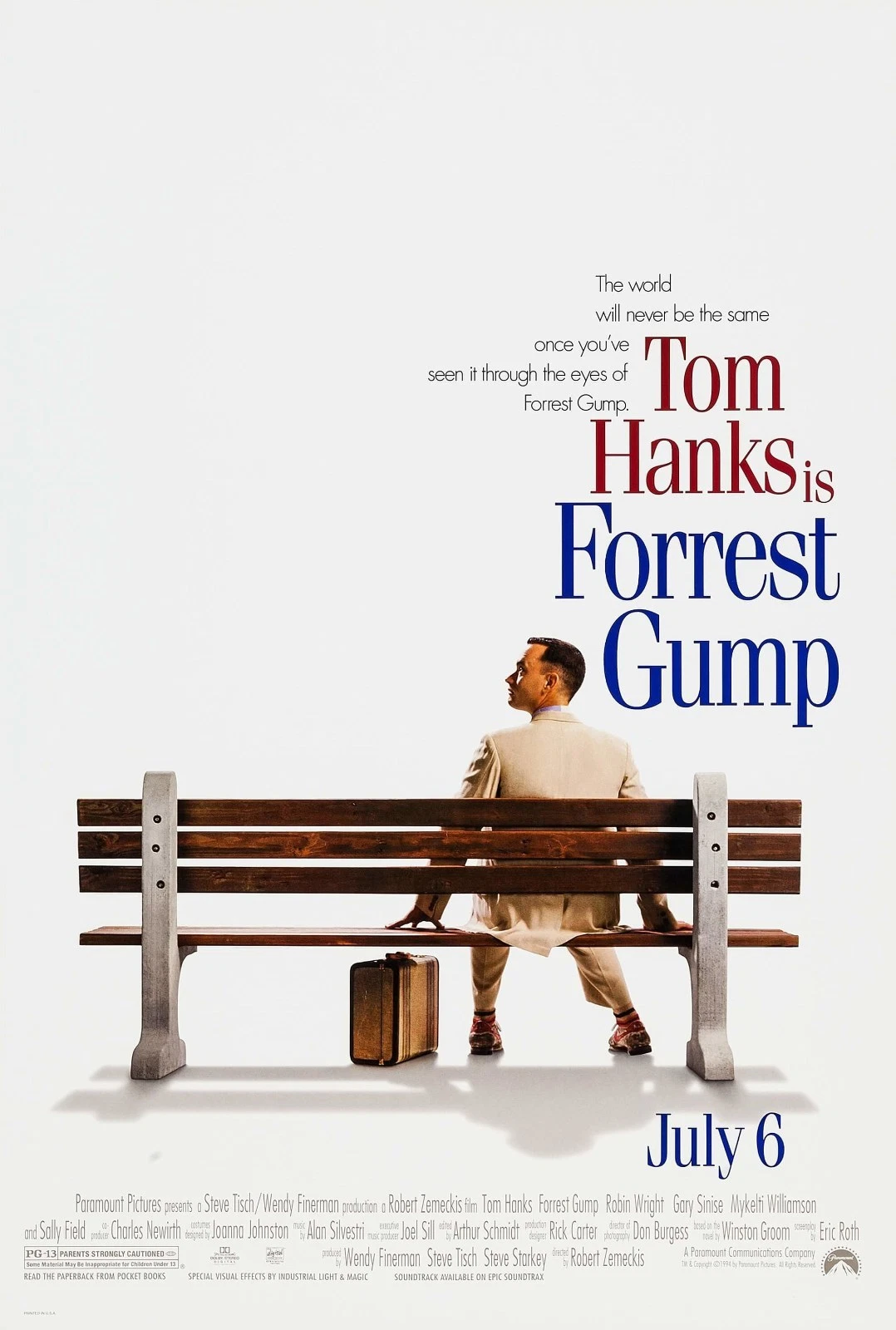
Forrest Gump poster
1994

#1 — Forrest Gump

Box Office: $329.7M
GenreDrama
DirectorRobert Zemeckis
1994 Rank#1
Main Cast
  • Tom Hanks as Forrest Gump
  • Robin Wright as Jenny Curran
  • Gary Sinise as Lt. Dan Taylor
  • Mykelti Williamson as Bubba Blue

Forrest Gump finishing at number one makes perfect sense because it is one of those rare all-audience phenomena that somehow turned sentiment, Americana, historical montage, technological novelty, and star performance into one enormous commercial current.

Tom Hanks is central because Forrest has to function as innocence, witness, emotional anchor, comic rhythm, and historical device without collapsing into pure gimmick. Hanks gives him enough sincerity and specificity that the movie can keep its massive tonal swings intact.

Zemeckis also deserves credit for making the technical side feel like flavor rather than the whole meal. The historical insertion gimmick is memorable, but the movie lasts because it keeps returning to longing, friendship, chance, and the painful gap between simple devotion and complicated life.

In the context of 1994, the film matters because it represents the last era where a movie this broad, strange, earnest, and emotionally manipulative could become the defining hit of the year and still feel like a shared national story.

For Gen X, it remains one of those unavoidable 90s titles because it was not just a movie people saw. It was a movie people absorbed, quoted, argued about, and folded into their sense of the decade.

Fun Fact / Why It Still Matters It still lingers because it packages memory, myth, sentiment, and pop-history into something audiences could experience as both spectacle and personal feeling.

Rewind Verdict

The top 10 movies of 1994 work so well because they show a mainstream still comfortable with range. This is a year where a sentimental prestige smash, a Disney animated juggernaut, a giant action machine, a high-speed thriller, a stupid-comedy phenomenon, a holiday family staple, and a sharply stylized crime movie all belong to the same commercial conversation.

That is what makes 1994 feel so complete. Forrest Gump becomes a sweeping all-audience event. The Lion King confirms Disney’s dominance. True Lies and Speed keep action hot in different ways. Dumb and Dumber and The Mask make comedy anarchic and huge. Pulp Fiction reminds you that the culture could still be ambushed by something strange and cool enough to matter instantly.

For Gen X, 1994 feels like one of the last years before the mainstream starts hardening into fewer approved forms. It still had room for myth, velocity, stupidity, prestige, danger, animation, and genuinely distinctive voice — all at once.

FAQ: Top Movies of 1994

What was the highest-grossing first-release movie of 1994?

Forrest Gump finished as the biggest North American first-release hit of 1994 under the total-gross ranking used for this series.

Why do some lists put The Lion King at number one for 1994?

Because calendar-year and total-gross views differ. This series uses first-release 1994 movies ranked by North American total gross, which places Forrest Gump ahead of The Lion King.

Why is Pulp Fiction in the top 10 if it feels more like a cult movie now?

Because it was not just a cult item. It was a major commercial success in 1994 and earned enough domestically to finish inside the top 10 first-release titles for the year.

Why does 1994 feel so different from 1993?

Because 1994 feels even more fully mid-90s: bigger comedy stars, even stronger Disney dominance, more overt pop-culture quotability, and a clearer split between prestige crowd-pleasing and hip stylistic disruption.

What makes the 1994 lineup so memorable?

Its range. The year delivered prestige drama, animated myth, giant action, holiday comfort, slacker stupidity, thriller precision, comic-book weirdness, and an era-defining crime film without flattening everything into one formula.

Get the Weekly Gen X Drop

New videos, rewinds, and savage nostalgia — first.

JOIN THE NEWSLETTER WATCH VIDEOS

MORE REWINDS