The Top 10 Movies of 1992

The Top 10 Movies of 1992
Smells Like Gen X • Top Movies of 1992

The Top 10 Movies of 1992

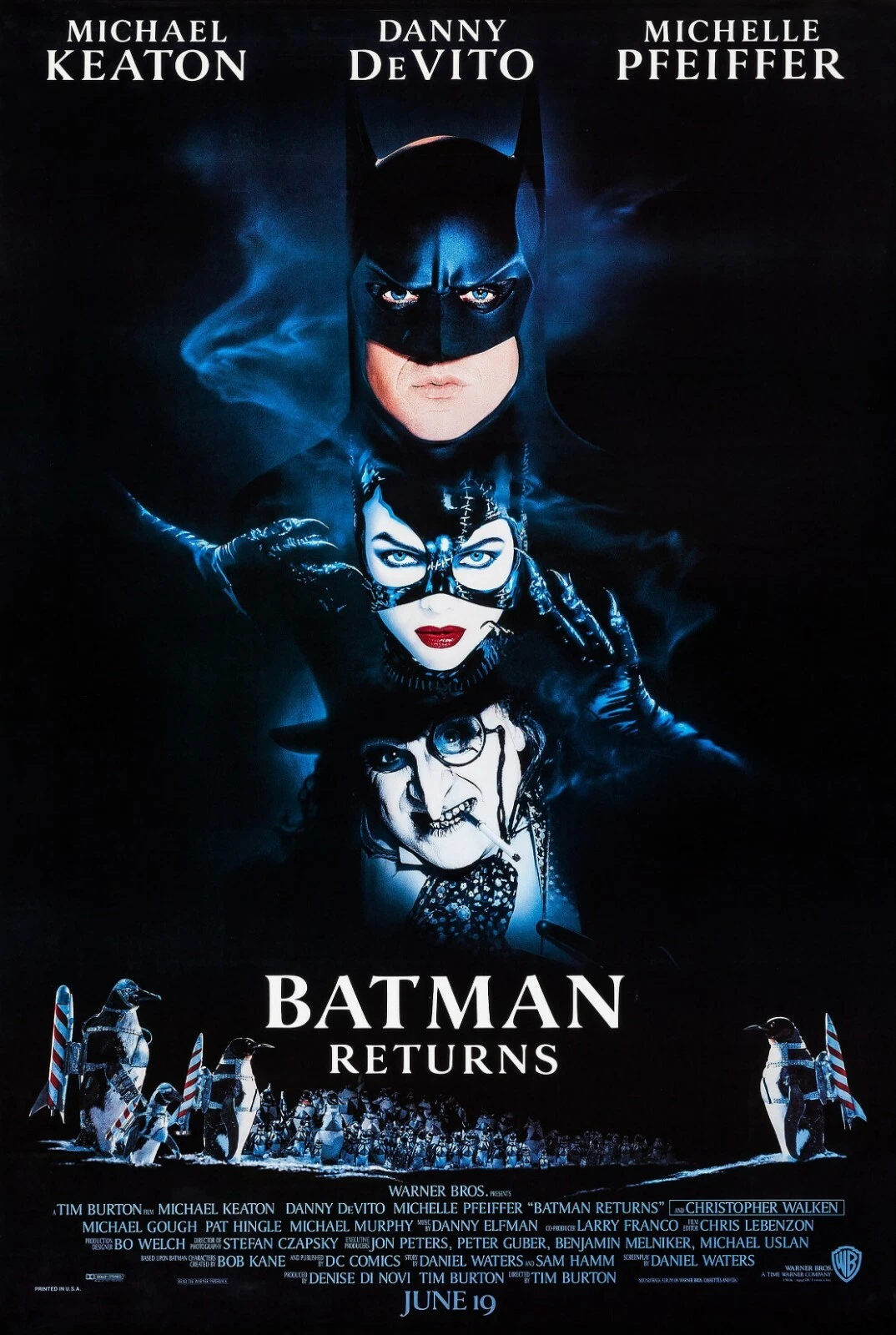
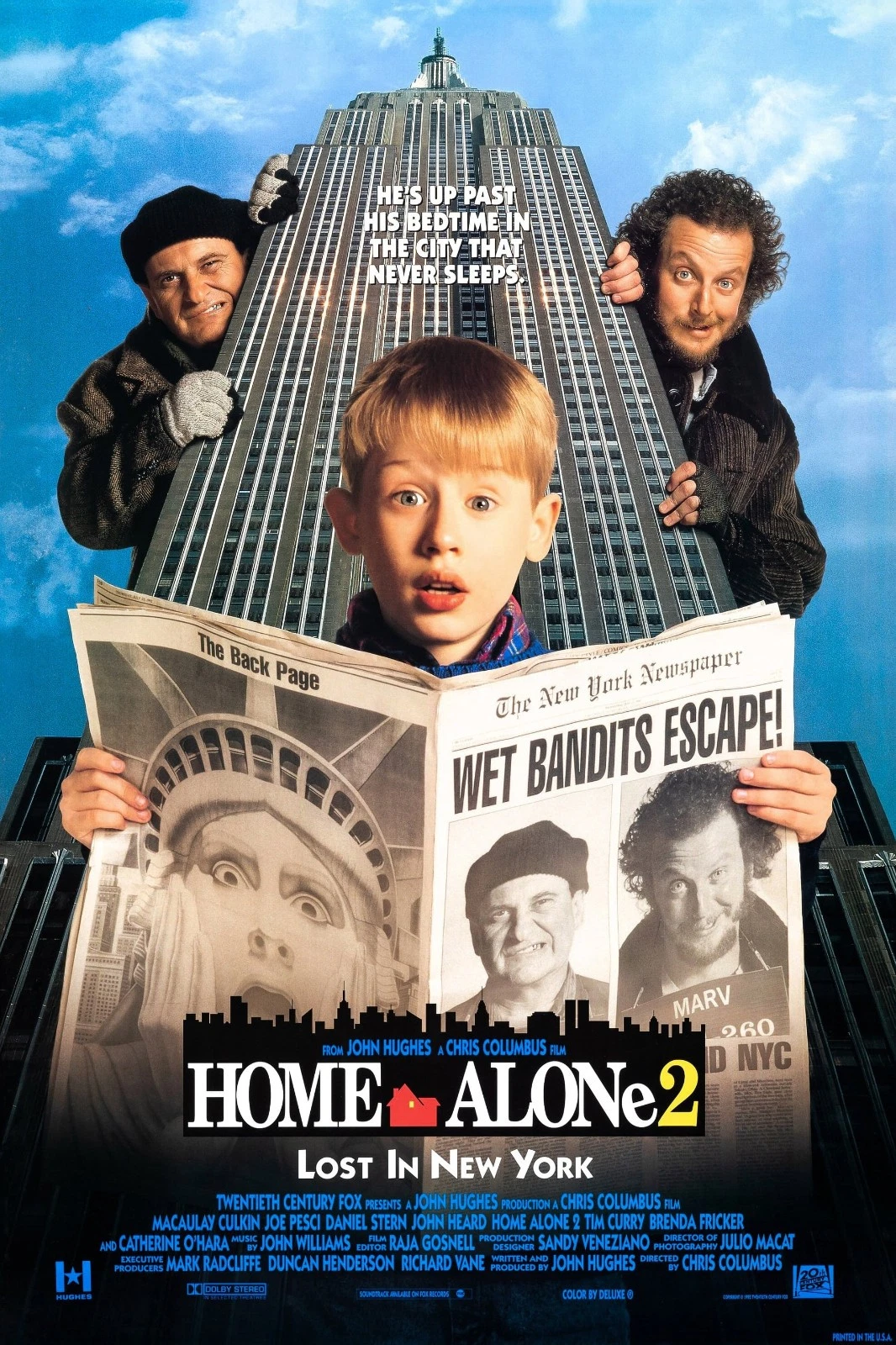
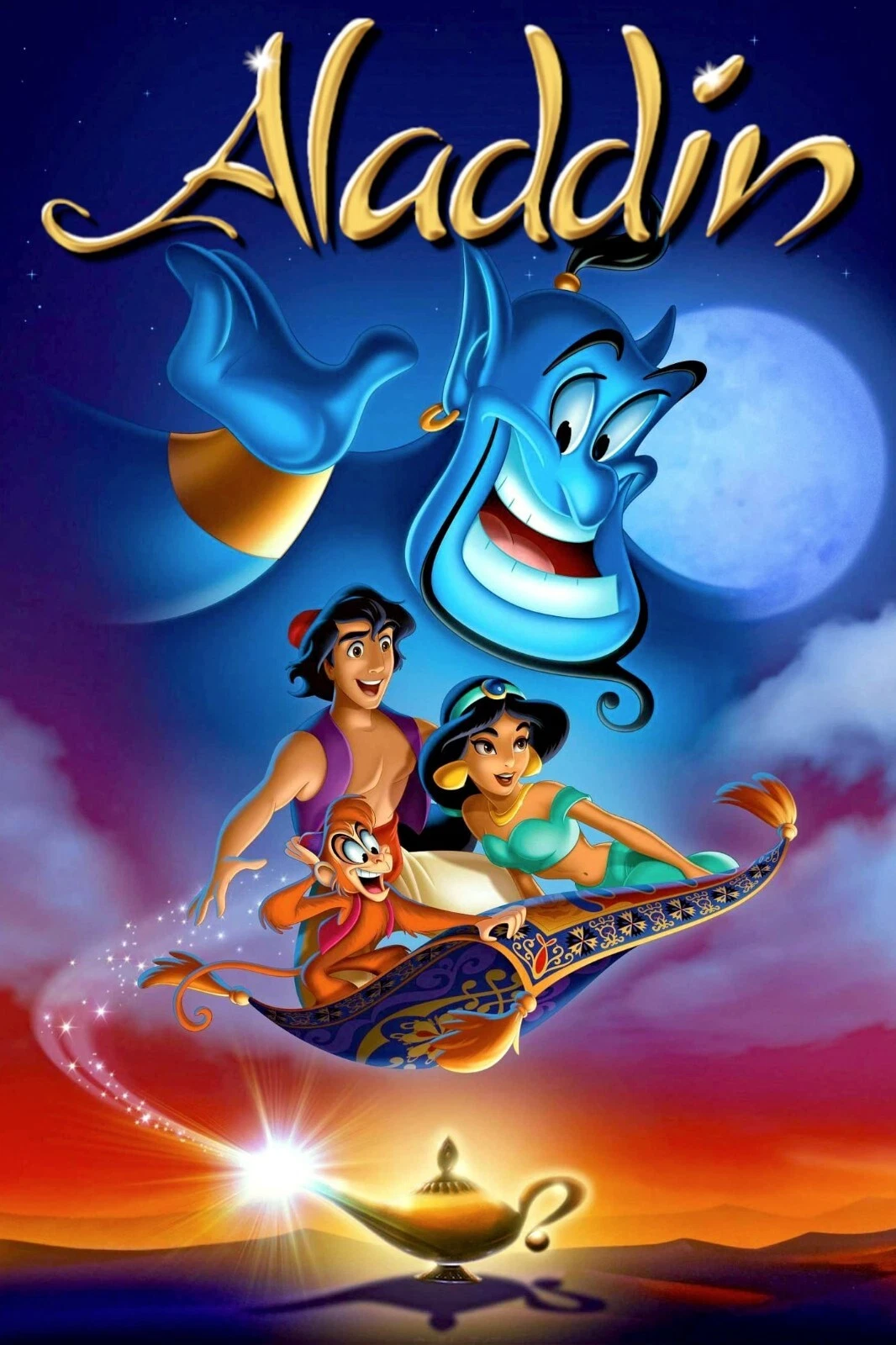
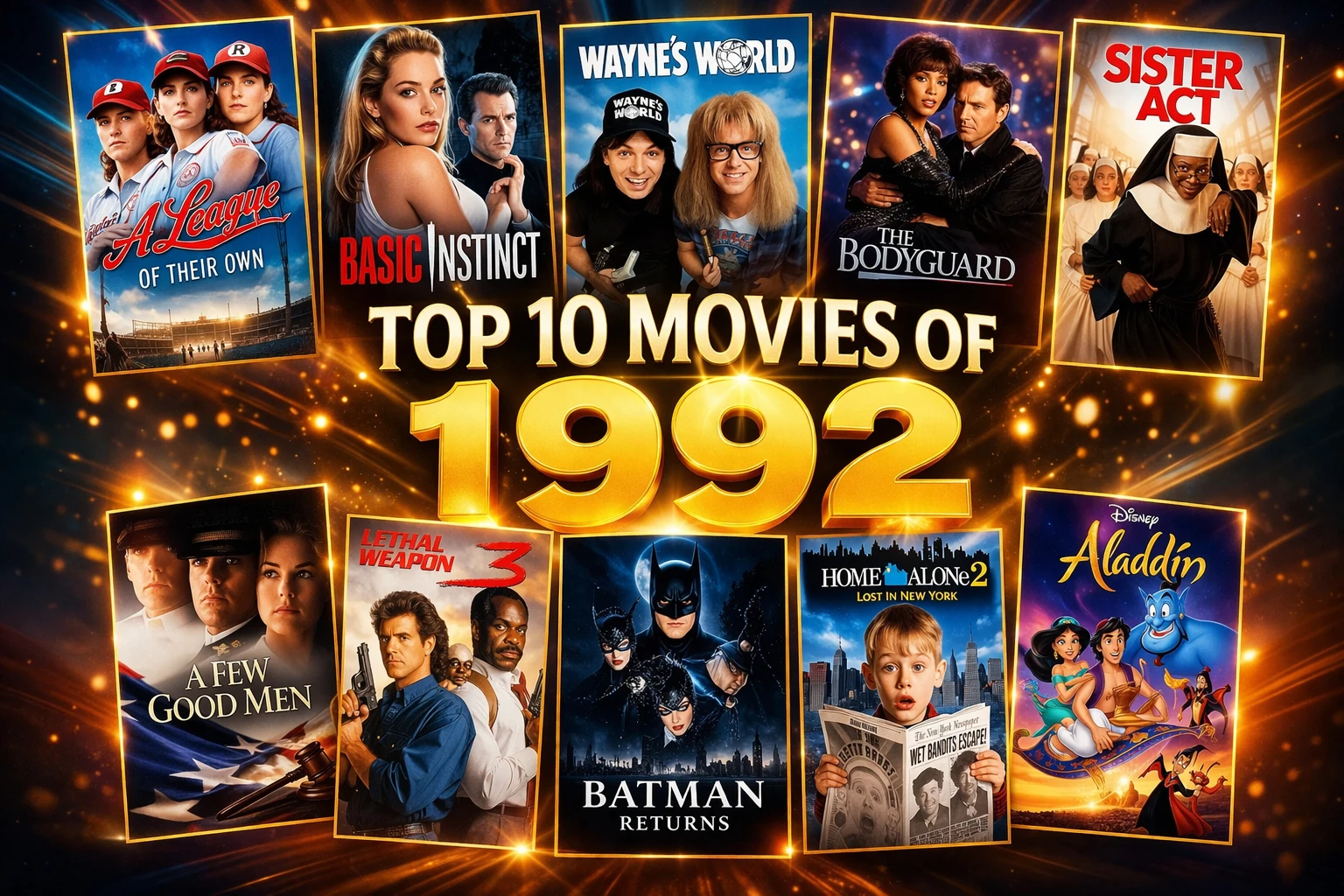
The top 10 movies of 1992 feel like a year when Hollywood’s mainstream still had almost absurd range. This is a chart where a Disney animated musical finishes at number one, but the rest of the lineup still has room for Batman gloom, buddy-cop sequel energy, legal drama, church-comedy chaos, adult erotic thriller tension, baseball nostalgia, bodyguard melodrama, and one of the most aggressively quotable studio comedies of the era.

What makes 1992 so strong is not just that the hits were big. It is that the hits still felt different from one another. The marketplace had not flattened into one dominant franchise template yet. Animation could become an event. A courtroom drama could break into the upper tier. Sports movies still mattered. Pop-soundtrack synergy could send a star vehicle into the stratosphere. And sequels could hit huge without turning the entire year into nothing but franchise leftovers.

For Gen X, 1992 is one of those movie years that comes preloaded with instant memory cues: Batman back in black, Wayne and Garth invading everyday conversation, Whitney Houston everywhere, Geena Davis sliding into baseball history, Sharon Stone becoming impossible to ignore, and Aladdin proving Disney was not just back — it was in full command of the culture.

Gen X Note: 1992 feels like the early 90s hitting full stride — huge animation, big sequels, star-driven melodrama, adult thrillers, sports nostalgia, and broad comedies all sharing the same multiplex oxygen.

Quick List: The Top 10 Movies of 1992

  1. A League of Their Own
  2. Basic Instinct
  3. Wayne’s World
  4. The Bodyguard
  5. Sister Act
  6. A Few Good Men
  7. Lethal Weapon 3
  8. Batman Returns
  9. Home Alone 2: Lost in New York
  10. Aladdin

Countdown: The Top 10 Movies of 1992

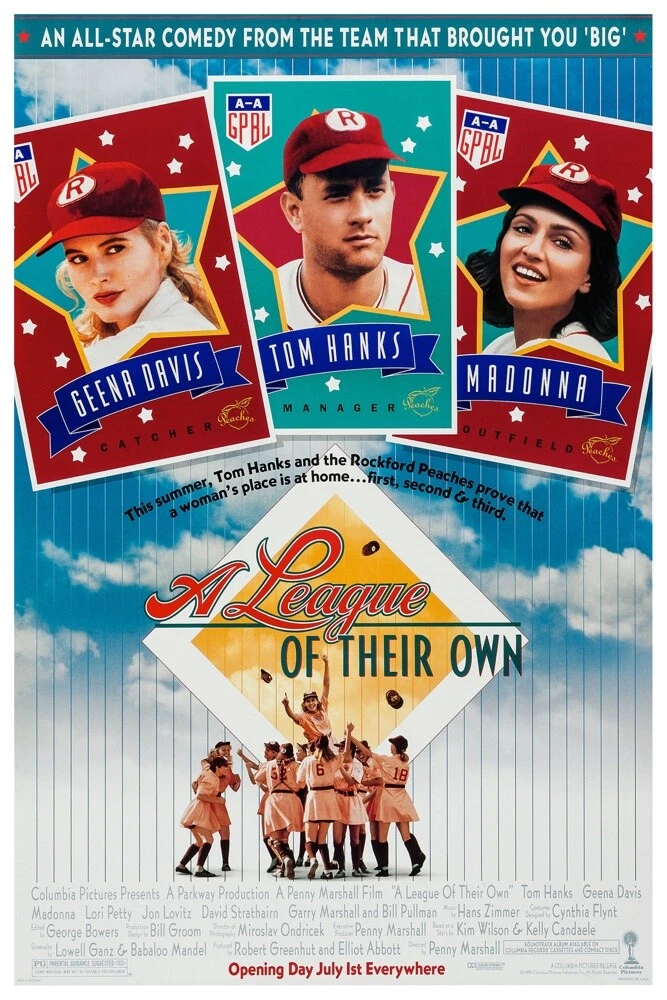
A League of Their Own poster
1992

#10 — A League of Their Own

Box Office: $107.5M
GenreSports comedy-drama
DirectorPenny Marshall
1992 Rank#10
Main Cast
  • Geena Davis as Dottie Hinson
  • Tom Hanks as Jimmy Dugan
  • Lori Petty as Kit Keller
  • Madonna as Mae Mordabito

A League of Their Own opening the 1992 top 10 is a perfect reminder that sports movies still had serious mainstream power when they were built on personality, mythmaking, and emotional familiarity. This is not just a baseball movie. It is a sibling-rivalry movie, a wartime-America movie, a found-family movie, and a “history turned into crowd-pleasing legend” movie all at once.

Penny Marshall directs it with exactly the right balance of sentiment and accessibility. The film respects its historical hook, but it understands that what audiences are really buying is the interplay of competitive energy, hurt feelings, institutional condescension, sudden opportunity, and the thrill of watching women claim public space in a culture that never intended to hand it over gracefully.

Tom Hanks often gets the loudest cultural afterglow because Jimmy Dugan is such a quotable mess, but the movie lasts because Geena Davis and Lori Petty give the central relationship real emotional torque. Dottie and Kit are not just archetypes designed to guide the audience through period detail. They are two people whose rivalry, affection, resentment, and need keep the story alive.

In the context of 1992, the film matters because it shows that mainstream audiences still rewarded stories that felt both nostalgic and corrective. It was possible to sell the past not only as warm memory, but as a chance to center people who had been pushed to the margins of older mythologies.

For Gen X, A League of Their Own remains one of those cable-proof movies that always feels watchable because its charm is rooted in ensemble chemistry, competitiveness, and heart rather than one single gimmick.
Fun Fact / Why It Still Matters It still lands because it treats women’s baseball not as a novelty sidebar, but as a full emotional and cultural story worthy of big-screen myth.
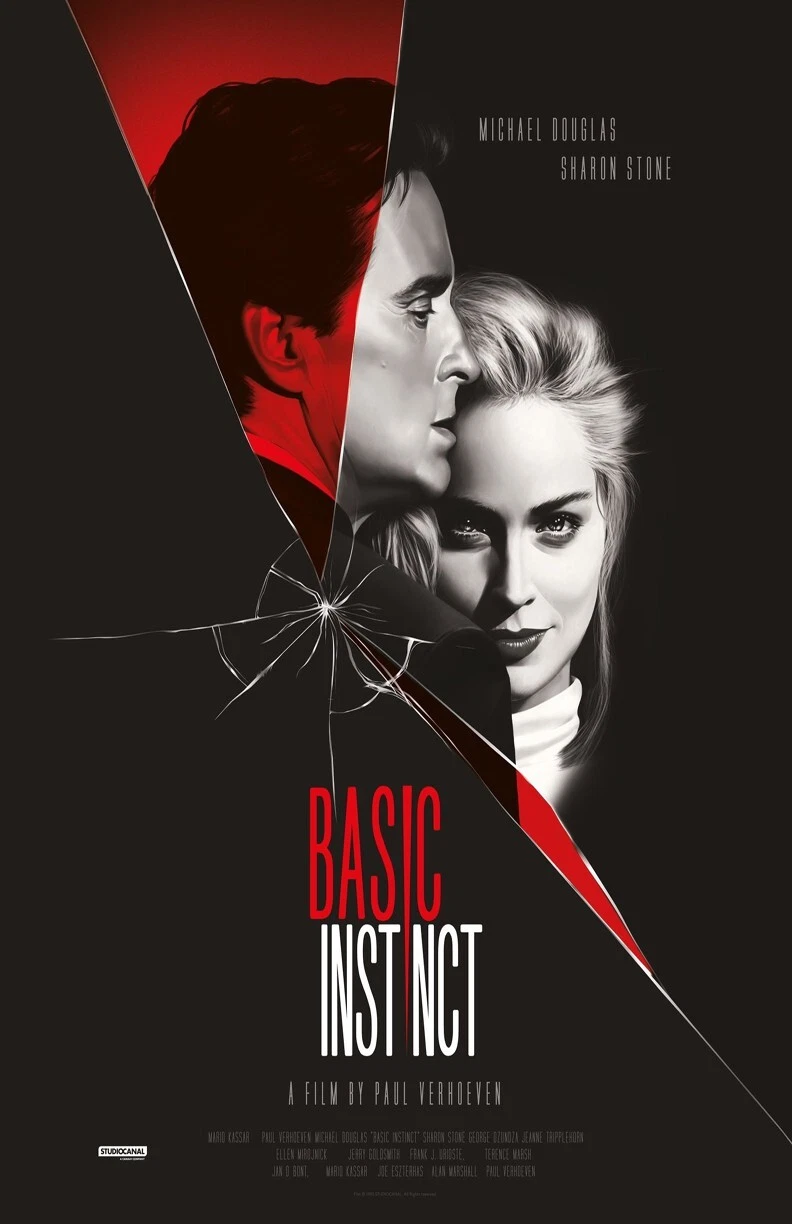
Basic Instinct poster
1992

#9 — Basic Instinct

Box Office: $117.7M
GenreErotic thriller
DirectorPaul Verhoeven
1992 Rank#9
Main Cast
  • Michael Douglas as Nick Curran
  • Sharon Stone as Catherine Tramell
  • Jeanne Tripplehorn as Beth Garner
  • George Dzundza as Gus Moran

Basic Instinct at number nine is one of the clearest signs that the early 90s still had a fully functioning adult-thriller lane that could drive real box-office heat. This was not a niche prestige item and not a disposable exploitation curio. It was a full-scale cultural event built on sexuality, danger, manipulation, glossy surfaces, and the promise that mainstream studio movies could still feel a little bit illicit.

Sharon Stone is the essential reason the movie burned so brightly in the culture. Catherine Tramell is written as an intelligence-and-control machine wrapped in performance, and Stone leans into that with such confidence that the entire film seems to reorganize itself around her. Michael Douglas is nominally the protagonist, but the movie’s power clearly flows toward the character who appears to be writing everybody else in real time.

Verhoeven also matters because he never treats genre material as merely efficient. He pushes it toward provocation, exaggeration, and unnerving tonal instability. Basic Instinct is not subtle, but it is also not lazy. It understands how to weaponize glamour, suspicion, and psychological uncertainty in a way that keeps the audience complicit.

In the context of 1992, the film matters because it proves adult movies with overt erotic tension and morally slippery characters could still dominate the multiplex. The marketplace had not yet narrowed so completely around sanitized event formulas.

For Gen X, it remains one of those unmistakable “everybody knew what this was” movies — controversial, hugely discussed, and impossible to mistake for generic studio product.

Fun Fact / Why It Still Matters It still fascinates because it comes from a moment when major studio thrillers could sell danger, sex, and psychological gamesmanship as mass-audience entertainment.
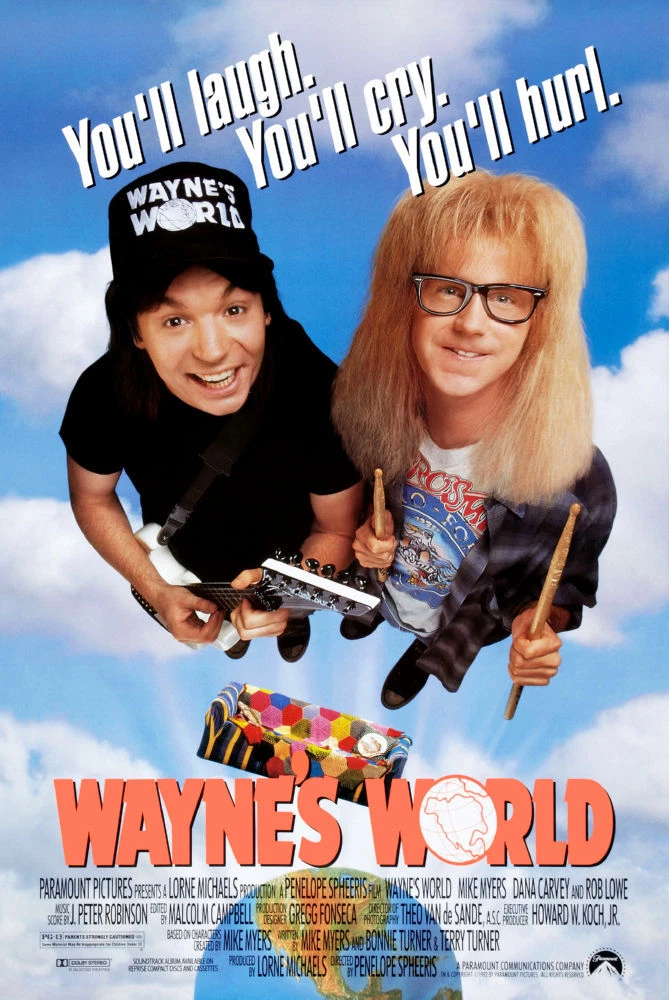
Wayne's World poster
1992

#8 — Wayne’s World

Box Office: $121.7M
GenreComedy
DirectorPenelope Spheeris
1992 Rank#8
Main Cast
  • Mike Myers as Wayne Campbell
  • Dana Carvey as Garth Algar
  • Rob Lowe as Benjamin Kane
  • Tia Carrere as Cassandra Wong

Wayne’s World at number eight is one of the best pieces of evidence that 1992 still had room for comedies that felt loose, youth-coded, and culturally immediate without needing to masquerade as prestige or franchise spectacle. It takes sketch-comedy DNA, cable-access slacker energy, and music-fan obsession, then turns that into one of the most quotable mainstream hits of the year.

What makes the film work is that Wayne and Garth are not written as sarcastic destroyers of everything around them. They are enthusiasts. The whole movie is powered by affection — for rock music, hanging out, dumb public-access ambition, and the idea that low-budget weirdos might still matter in a culture increasingly dominated by commercialization. That gives the film far more warmth than people sometimes remember.

The movie also matters because it catches a particular early-90s mood around authenticity and selling out. Benjamin Kane is not just a villain because he is slick. He is a villain because he wants to package something alive and awkward into something market-safe. That conflict is funny, but it is also very of its time.

In the context of 1992, Wayne’s World proves broad studio comedy could still emerge from a youth-media ecosystem and hit huge without losing all of its oddball specificity. It feels homemade enough to be lovable and polished enough to become a phenomenon.

For Gen X, it remains one of the most purely rewatchable comedies of the era because it treats fandom, friendship, and low-stakes rebellion as things worth celebrating instead of mocking into dust.

Fun Fact / Why It Still Matters It still rules because it captures that magical zone where dopey enthusiasm, friendship, music obsession, and anti-corporate side-eye all coexist without cynicism ruining the fun.
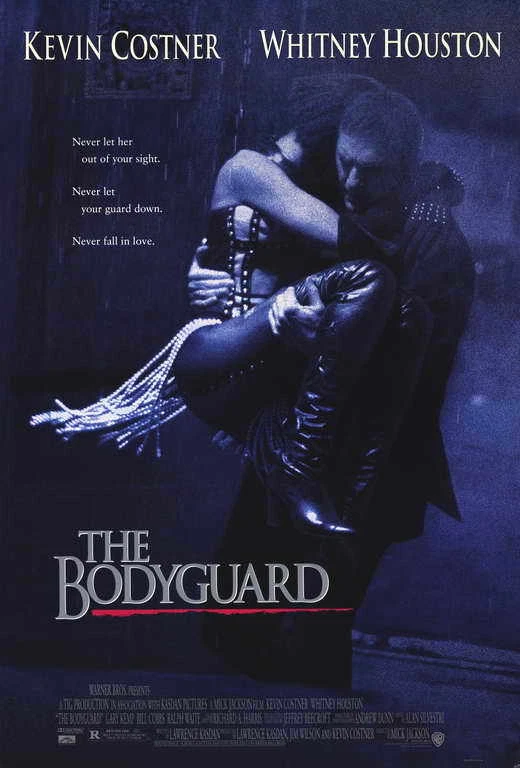
The Bodyguard poster
1992

#7 — The Bodyguard

Box Office: $121.9M
GenreRomantic thriller-drama
DirectorMick Jackson
1992 Rank#7
Main Cast
  • Kevin Costner as Frank Farmer
  • Whitney Houston as Rachel Marron
  • Gary Kemp as Sy Spector
  • Bill Cobbs as Bill Devaney

The Bodyguard at number seven is one of the clearest examples of early-90s star packaging becoming a full commercial weather system. This is part romance, part celebrity-danger thriller, part glossy melodrama, and part soundtrack delivery device — and every one of those elements fed the others. You were not just buying a movie ticket. You were buying access to a whole pop-culture event.

Whitney Houston is obviously central, because Rachel Marron is written to magnify stardom itself. The film understands the spectacle of celebrity as both fantasy and vulnerability. Rachel is glamorous, remote, overexposed, and under-protected all at once. That lets the romance operate inside a larger story about public visibility and private fear.

Kevin Costner’s Frank Farmer is useful because he plays against that volatility. He is control, silence, routine, and contained masculinity. The movie works not because the script is especially subtle, but because it knows how to stage the friction between professional discipline and emotional surrender in a way mainstream audiences will gladly eat with a spoon.

In the context of 1992, the film matters because it shows how much power soundtrack-era synergy still had. The Bodyguard was not just seen. It was heard everywhere. That made the movie feel larger than its narrative weaknesses and helped turn it into one of the year’s defining entertainment objects.

For Gen X, it remains one of those unmistakable early-90s giant hits where the movie, the songs, and the celebrity aura around it all fused into one big glossy cultural package.

Fun Fact / Why It Still Matters It still lingers because it sold not just a romance, but an entire fantasy of fame, danger, emotional restraint, and soundtrack-driven pop grandeur.
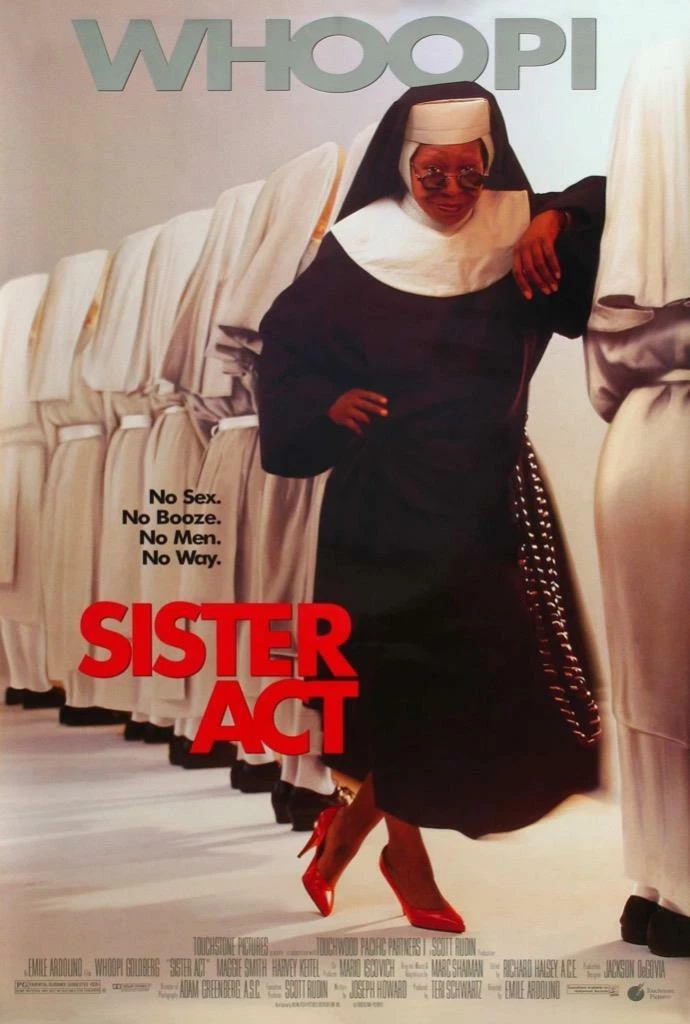
Sister Act poster
1992

#6 — Sister Act

Box Office: $139.6M
GenreComedy
DirectorEmile Ardolino
1992 Rank#6
Main Cast
  • Whoopi Goldberg as Deloris Van Cartier
  • Maggie Smith as Mother Superior
  • Kathy Najimy as Sister Mary Patrick
  • Harvey Keitel as Vince LaRocca

Sister Act at number six is one of the happiest reminders that a mainstream comedy can still become a giant hit simply by understanding exactly how to use a star. The premise is already strong — lounge singer hides in a convent after witnessing a crime — but the movie becomes much bigger than its hook because it recognizes that Whoopi Goldberg’s speed, irreverence, and warmth can electrify every room she enters.

The tension between Deloris and the convent is the whole engine. The film is not mocking faith so much as dropping improvisational human energy into an institution built on structure, discipline, and routine. That contrast creates the laughs, but it also creates a surprisingly generous emotional arc. Sister Act gradually becomes a movie about transformation flowing both ways.

The music angle matters too because it turns the movie from fish-out-of-water comedy into uplift entertainment. Once the choir becomes part of the story, the film gains rhythm, joy, and repeat-watchability. That is part of why it lasts. It does not only deliver jokes. It delivers momentum and communal pleasure.

In the context of 1992, the film matters because it proves broad original comedy was still very much alive. This was not a sequel, not a comic-book adaptation, not a nostalgia remake. It was a clean premise, a big star, and excellent audience calibration.

For Gen X, it remains one of those all-purpose comfort watches that feels funny, musical, and weirdly restorative without ever becoming saccharine.

Fun Fact / Why It Still Matters It still works because it lets comic rebellion turn into community without smoothing out the mischievous energy that made the premise pop in the first place.
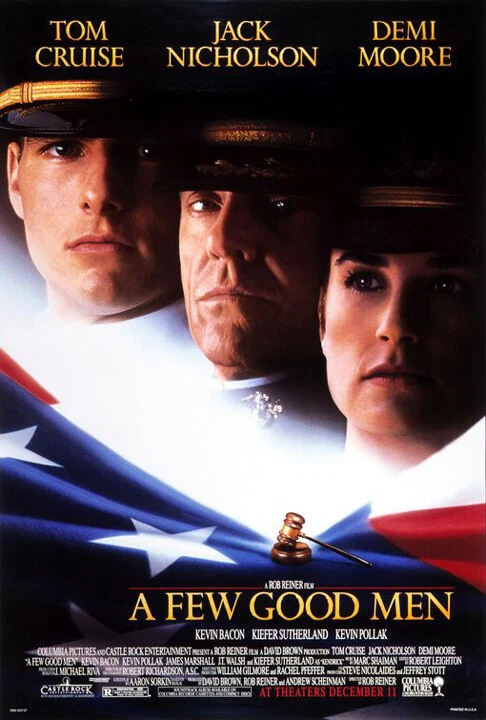
A Few Good Men poster
1992

#5 — A Few Good Men

Box Office: $141.3M
GenreCourtroom drama
DirectorRob Reiner
1992 Rank#5
Main Cast
  • Tom Cruise as Lt. Daniel Kaffee
  • Demi Moore as Lt. Cdr. JoAnne Galloway
  • Jack Nicholson as Col. Nathan R. Jessep
  • Kevin Bacon as Capt. Jack Ross

A Few Good Men at number five is one of the strongest reminders that early-90s mainstream audiences would still absolutely show up for adults talking in rooms as long as the rooms were tense enough and the talk had real stakes. This is a courtroom drama, but it behaves like a pressure cooker. Institutions, egos, ambition, military hierarchy, masculinity, and moral cowardice all start colliding until the movie becomes less about legal procedure than about what kinds of lies power teaches people to call necessity.

Tom Cruise is well-cast because Kaffee begins as someone who would rather glide than confront. That gives the story an actual arc instead of merely a mystery to solve. He has to become the kind of person willing to risk comfort for truth, which is part of why the famous final confrontation lands as more than just meme-ready fireworks.

Nicholson understandably dominates cultural memory, but the film’s larger achievement is how well it weaponizes clarity. Everyone seems to understand the system long before they are willing to say what it really means. That makes the dialogue feel like combat rather than exposition.

In the context of 1992, the movie matters because it shows the upper end of the box office still had room for grown-up prestige entertainment without superhero scaffolding, effects dependency, or family-brand cushioning. A legal drama could still behave like a major event.

For Gen X, it remains one of the quintessential cable-rewatch movies because it combines star power, quotable writing, and moral confrontation with a pace that never lets the seriousness become static.

Fun Fact / Why It Still Matters It still grips because it turns institutional language into high-stakes combat and understands that truth is often less hard to find than it is hard to say aloud.
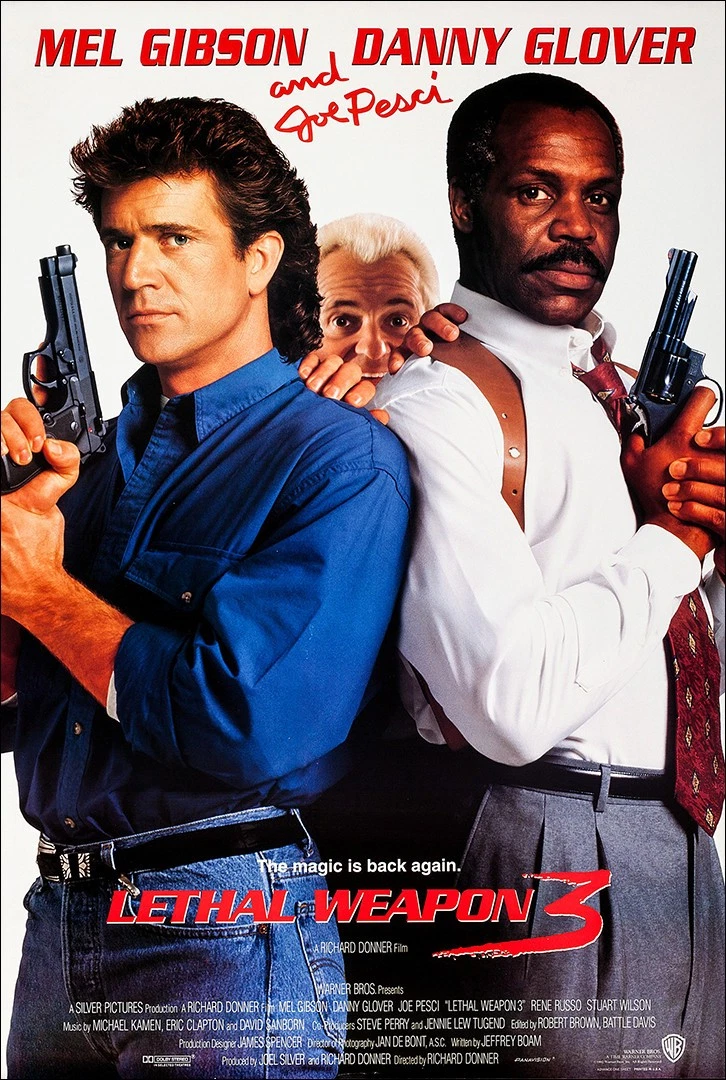
Lethal Weapon 3 poster
1992

#4 — Lethal Weapon 3

Box Office: $144.7M
GenreBuddy action thriller
DirectorRichard Donner
1992 Rank#4
Main Cast
  • Mel Gibson as Martin Riggs
  • Danny Glover as Roger Murtaugh
  • Joe Pesci as Leo Getz
  • Rene Russo as Lorna Cole

Lethal Weapon 3 at number four shows how fully reliable the buddy-action machine had become by 1992. At this point audiences were not just returning for plot. They were returning for atmosphere, rhythm, banter, and the comfort of knowing exactly what kind of mismatched energy they were buying. Riggs and Murtaugh had become less a pair of characters than a fully mature entertainment formula.

That could have made the movie feel stale, but the series still had a useful advantage: the chemistry mattered. Gibson and Glover are not interchangeable action pieces. Riggs remains volatility and impulse; Murtaugh remains caution, domestic grounding, and increasing exhaustion with everything around him. The familiarity is the point, but it is a familiarity built on real character contrast rather than brand logos alone.

Rene Russo helps because Lorna Cole adds a fresh charge without feeling like a decorative add-on. She makes the film’s action world feel slightly more contemporary and less trapped in pure repetition. That matters in a third installment. Sequels survive best when they add just enough new tension to keep the old rhythms from calcifying.

In the context of 1992, the film matters because it represents peak sequel comfort without yet feeling entirely corporate and airless. Franchise logic is definitely in charge, but there is still enough character texture to keep it alive.

For Gen X, it remains one of those quintessential “Saturday night on cable” action movies: big, noisy, funny, familiar, and built around a duo people actually wanted to keep spending time with.

Fun Fact / Why It Still Matters It still works because even deep into sequel territory, the movie understands that the franchise’s real special effect is the relationship at its center.
Batman Returns poster
1992

#3 — Batman Returns

Box Office: $162.8M
GenreSuperhero fantasy
DirectorTim Burton
1992 Rank#3
Main Cast
  • Michael Keaton as Bruce Wayne / Batman
  • Michelle Pfeiffer as Selina Kyle / Catwoman
  • Danny DeVito as Oswald Cobblepot / Penguin
  • Christopher Walken as Max Shreck

Batman Returns at number three is one of the most revealing blockbusters of the early 90s because it shows what happens when a studio hands a giant commercial property back to a filmmaker who is more interested in mood, grotesquerie, repression, and fetishized loneliness than in clean four-quadrant reassurance. This is a major superhero sequel, but it often feels like a gothic nightmare with studio money.

Michelle Pfeiffer’s Catwoman is central to why the movie still has such a grip. Selina Kyle turns from brittle invisibility into sharpened theatrical fury, and Pfeiffer gives that transformation a strange, wounded electricity. She is not there merely to be seductive, although the movie clearly understands that power. She is there to embody rage, fragmentation, and self-invention in a world that only notices women once they become dangerous.

DeVito’s Penguin pushes the film even further from simple adventure logic. He is pitiable, monstrous, pathetic, theatrical, and darkly funny all at once. That complexity makes the movie feel more psychologically weird than later superhero blockbusters that settle for cleaner villain packaging.

In the context of 1992, the film matters because it proves comic-book cinema had not yet standardized itself. A huge franchise movie could still be deeply idiosyncratic, visually aggressive, and mildly upsetting without losing major box-office power.

For Gen X, Batman Returns remains one of the most distinctive superhero movies of its era because it is not trying to behave. It is trying to haunt you a little.

Fun Fact / Why It Still Matters It still stands out because it treats a superhero sequel as a place for damaged psychology, twisted fairy-tale imagery, and gothic mood rather than just neat franchise maintenance.
Home Alone 2: Lost in New York poster
1992

#2 — Home Alone 2: Lost in New York

Box Office: $173.6M
GenreFamily comedy
DirectorChris Columbus
1992 Rank#2
Main Cast
  • Macaulay Culkin as Kevin McCallister
  • Joe Pesci as Harry
  • Daniel Stern as Marv
  • Catherine O’Hara as Kate McCallister

Home Alone 2: Lost in New York at number two shows how quickly the early 90s could turn a fresh crowd-pleaser into a giant repeatable ritual. The sequel clearly understands that audiences wanted the fantasy again: Kevin free, adults failing, criminals suffering, and a child-sized kingdom of improvised control opening up in a world that suddenly belonged to him.

The New York setting is the key escalation move because it takes the same fantasy engine and makes it feel larger, shinier, and more tourist-event friendly. Instead of a suburban house becoming the battlefield, the whole city becomes Kevin’s playground. That gives the sequel broader spectacle without forcing it to abandon the precise slapstick machinery that made the first movie work.

Sequels this familiar can feel lazy, but part of the reason this one endured is that the audience was actively buying ritual. They did not necessarily want reinvention. They wanted a bigger version of the same seasonal pleasure, which the film delivers with near-industrial confidence.

In the context of 1992, the film matters because it proves the family-blockbuster model built by Home Alone was not a fluke. It was a reliable commercial system: kid-star charisma, trap-based slapstick, holiday energy, and high rewatch value all rolled together.

For Gen X, it remains one of those sequels that became inseparable from the original almost immediately because the pleasure was never purely about novelty. It was about repetition done with enough scale and polish to still feel worth the ticket.

Fun Fact / Why It Still Matters It still entertains because it understood audiences were not asking for reinvention — they were asking for a bigger, brighter replay of a fantasy they already loved.
Aladdin poster
1992

#1 — Aladdin

Box Office: $217.4M
GenreAnimated fantasy musical
DirectorRon Clements & John Musker
1992 Rank#1
Main Cast
  • Scott Weinger as Aladdin
  • Robin Williams as the Genie
  • Linda Larkin as Jasmine
  • Jonathan Freeman as Jafar

Aladdin finishing at number one tells you exactly how dominant Disney had become by 1992. This is not just a successful animated movie. It is a full-scale culture event that combines fairy-tale adventure, musical momentum, color-saturated spectacle, and star-voice performance in a way that made animation feel less like a category and more like the center of the year’s mainstream movie conversation.

Robin Williams is the most obvious fuel source, because the Genie turns the movie into a machine of speed, invention, and sheer performance force. The character is not merely comic relief. He is disruptive energy itself, constantly threatening to outrun the boundaries of the story and dragging the whole movie into a more hyper, contemporary, improvisational register.

But the film lasts because it has more than one engine. Aladdin’s fantasy of reinvention, Jasmine’s frustration with confinement, Jafar’s theatrical menace, the songs, the world-building, and the bright velocity of the animation all lock together. That balance is what makes the movie feel giant rather than merely frantic.

In the context of 1992, Aladdin matters because it shows Disney animation evolving into one of the strongest blockbuster forms in American culture. It could deliver spectacle, humor, emotion, romance, and music at a level that rivaled or exceeded the live-action competition.

For Gen X, it remains one of the defining movies of the early 90s because it felt young, funny, massive, and endlessly replayable all at once. When people talk about the Disney renaissance becoming unavoidable, this is one of the clearest reasons why.

Fun Fact / Why It Still Matters It still dazzles because it captures the moment Disney animation stopped merely rebounding and started acting like one of the most powerful blockbuster languages in the business.

Rewind Verdict

The top 10 movies of 1992 work so well as a snapshot because they show the early 90s marketplace at full spread. Animation can win the year. Sequels are huge but not monopolizing everything. Adult thrillers still travel. Sports nostalgia still works. Courtroom drama can hit the upper tier. Soundtrack-powered romance-thrillers can become full-blown events. Broad comedy is still healthy.

That range is what makes 1992 feel richer than a single trend label can capture. Aladdin dominates. Batman Returns keeps superhero cinema weird. A Few Good Men proves adult prestige can still break through. Sister Act and Wayne’s World show comedy operating in very different but equally successful lanes. A League of Their Own reminds you that sports movies could still become beloved mainstream staples instead of niche seasonal programming.

For Gen X, 1992 feels like one of those years when the multiplex still belonged to everybody at once. Kids had Disney and Kevin. Teenagers and music heads had Wayne and Garth. Adults had courtroom tension, erotic paranoia, romance-thriller gloss, and baseball nostalgia. The culture had not yet split into narrow silos. It was still one big noisy room.

FAQ: Top Movies of 1992

What was the highest-grossing first-release movie of 1992?

Aladdin finished as the biggest North American first-release hit of 1992.

Why is Home Alone 2 on this list but not the original Home Alone?

Because this series ranks movies by the year they were first released. Home Alone 2 is a 1992 release, while the original Home Alone belongs in the 1990 post.

Was Aladdin really bigger than Batman Returns?

Yes. Under the first-release 1992 domestic total-gross ranking, Aladdin finishes ahead of Batman Returns.

Why are A Few Good Men and The Bodyguard included here?

Because they were first released in December 1992, so they count as 1992 movies in this series even though their cultural momentum carried forward well beyond opening month.

What makes the 1992 lineup so memorable?

Its variety. The year delivered giant animation, dark superhero spectacle, legal drama, family comedy, erotic thriller tension, sports nostalgia, star-driven melodrama, and broad comedy without collapsing into one single formula.

Get the Weekly Gen X Drop

New videos, rewinds, and savage nostalgia — first.

JOIN THE NEWSLETTER WATCH VIDEOS

MORE REWINDS