The Top 10 Movies of 1991

The Top 10 Movies of 1991
Smells Like Gen X • Top Movies of 1991

The Top 10 Movies of 1991

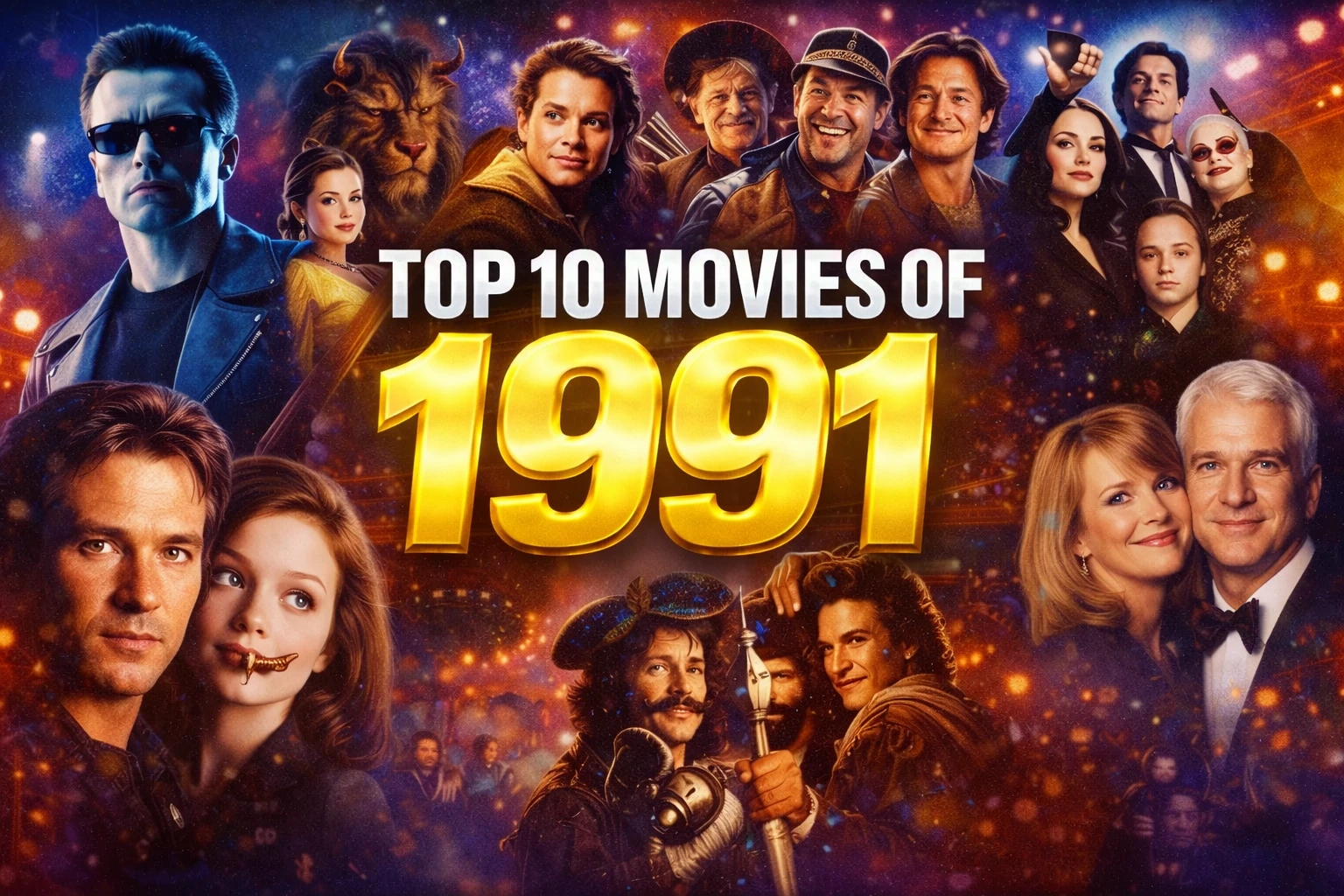
The top 10 movies of 1991 feel like the first full year of the 90s deciding it can be absolutely everything at once. This is a box-office chart where a killer cyborg sequel sits next to a Disney fairy tale, a prestige serial-killer thriller, a city-burnout cowboy comedy, a glossy domestic-suspense hit, and a lovingly weird goth-family adaptation. That is not a narrow marketplace. That is a wide one.

What makes 1991 so memorable is how little it behaves like a single trend year. Action gets bigger and more technically aggressive. Family fantasy stays massive. Adult thrillers still break through. Comedy aimed at grown-ups remains healthy. Animation stops feeling like a side lane and starts looking like full-scale cultural dominance. Even a Spielberg holiday effects movie only lands in the middle of this countdown, which tells you how stacked the year really was.

For Gen X, 1991 is one of those years that still feels easy to picture instantly: T-1000 metal morphs, Jodie Foster walking into dread, Billy Crystal searching for meaning on horseback, Robin Williams as a grown-up Peter Pan, and Gomez and Morticia somehow turning the macabre into mainstream family entertainment. It was a very specific kind of movie year — expensive, emotional, weirdly broad, and full of hits that still feel culturally legible now.

Gen X Note: 1991 is where the early 90s start looking fully distinct: bigger action, stronger animation, darker thrillers, softer family fantasy, and a mainstream audience still willing to buy tickets to all of it.

Quick List: The Top 10 Movies of 1991

  1. The Naked Gun 2½: The Smell of Fear
  2. Father of the Bride
  3. Sleeping with the Enemy
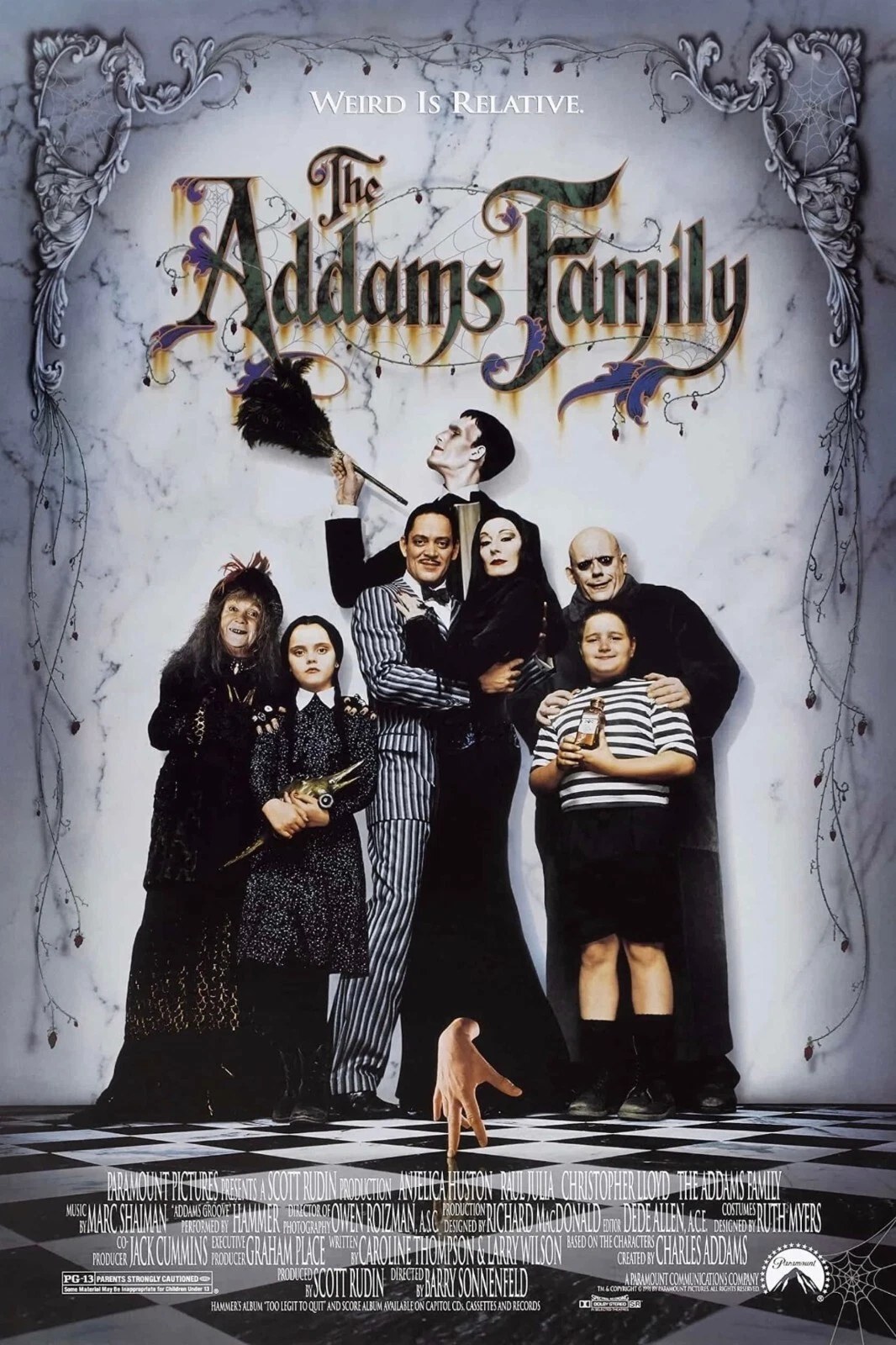
  4. The Addams Family
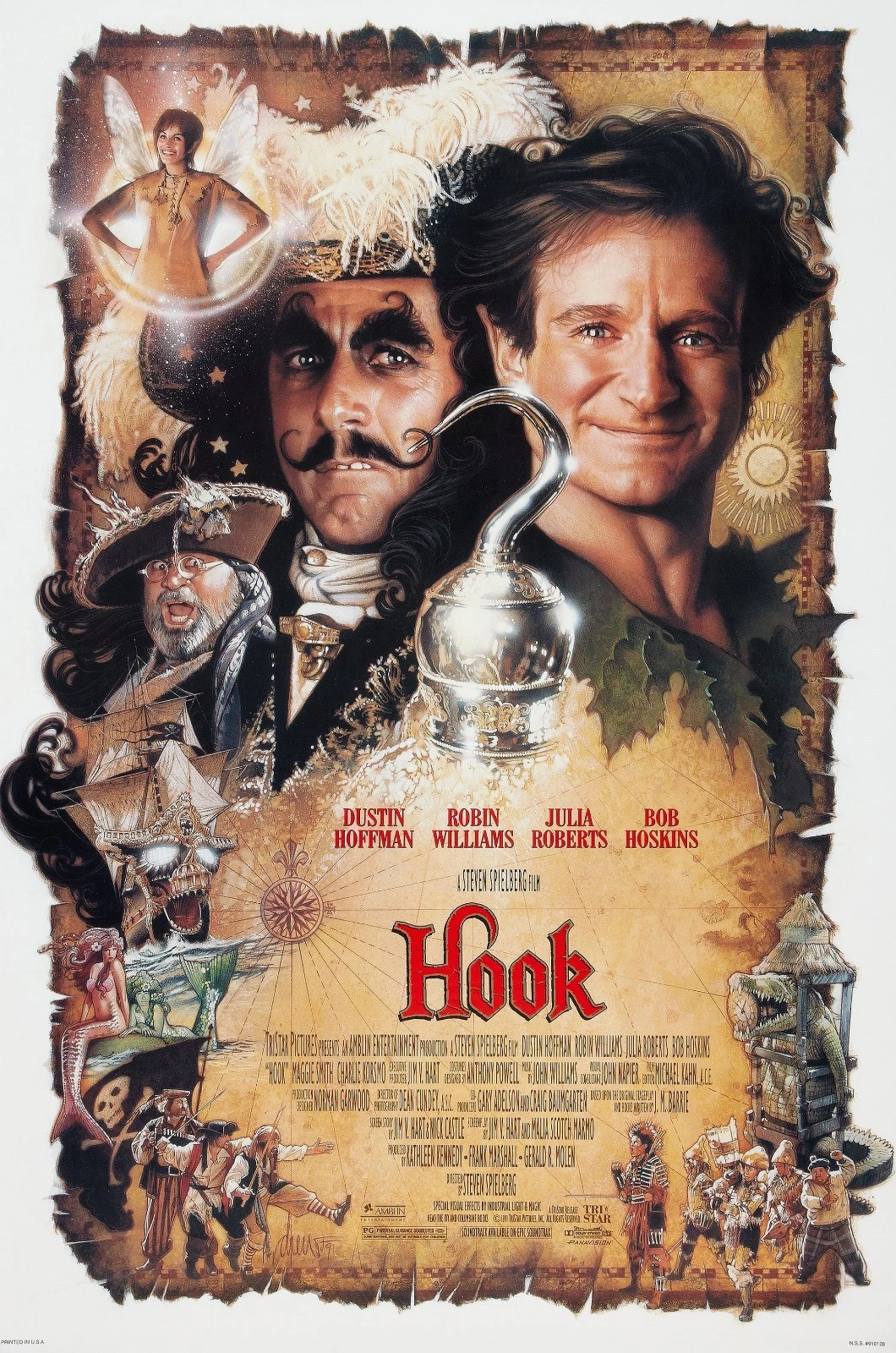
  5. Hook
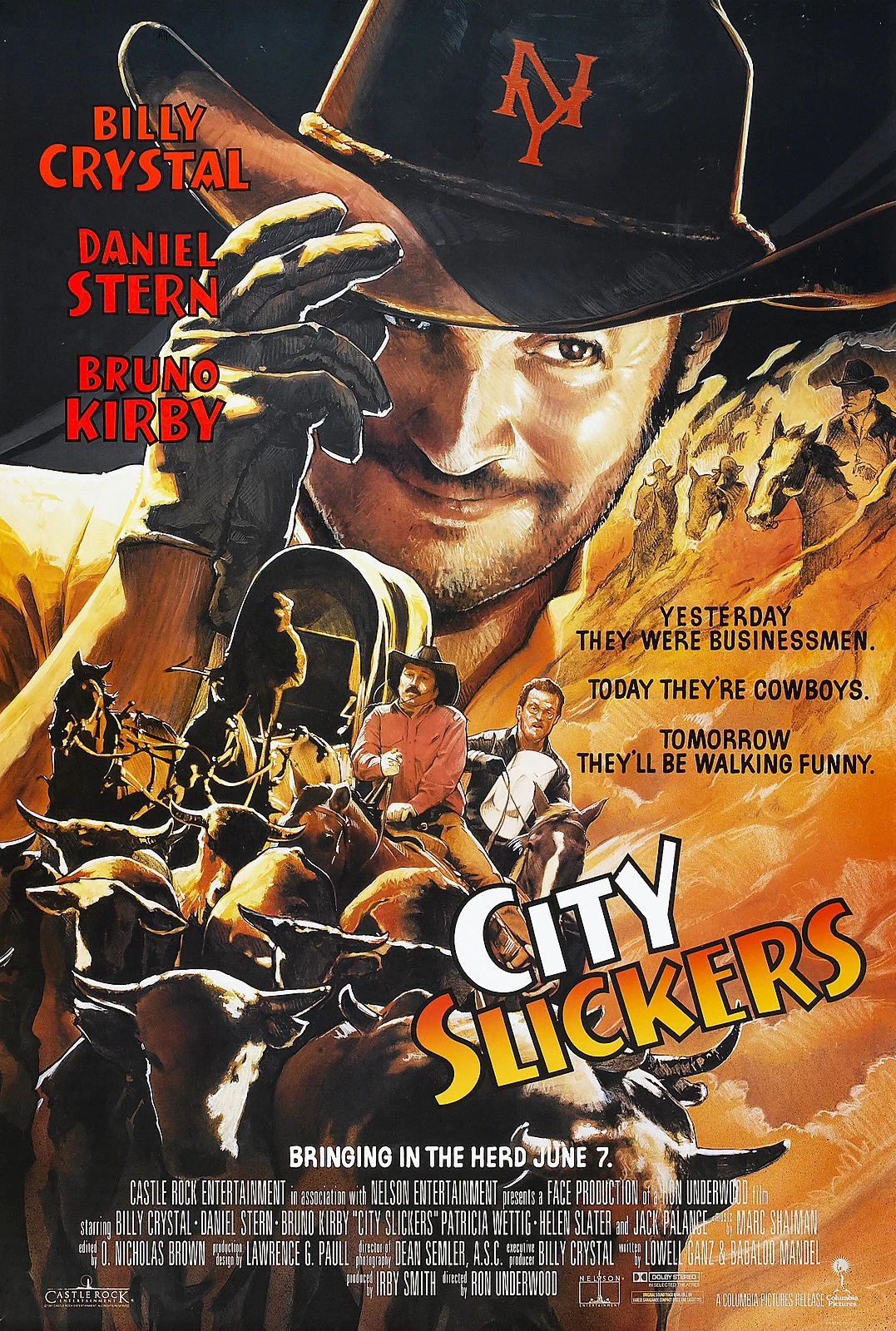
  6. City Slickers
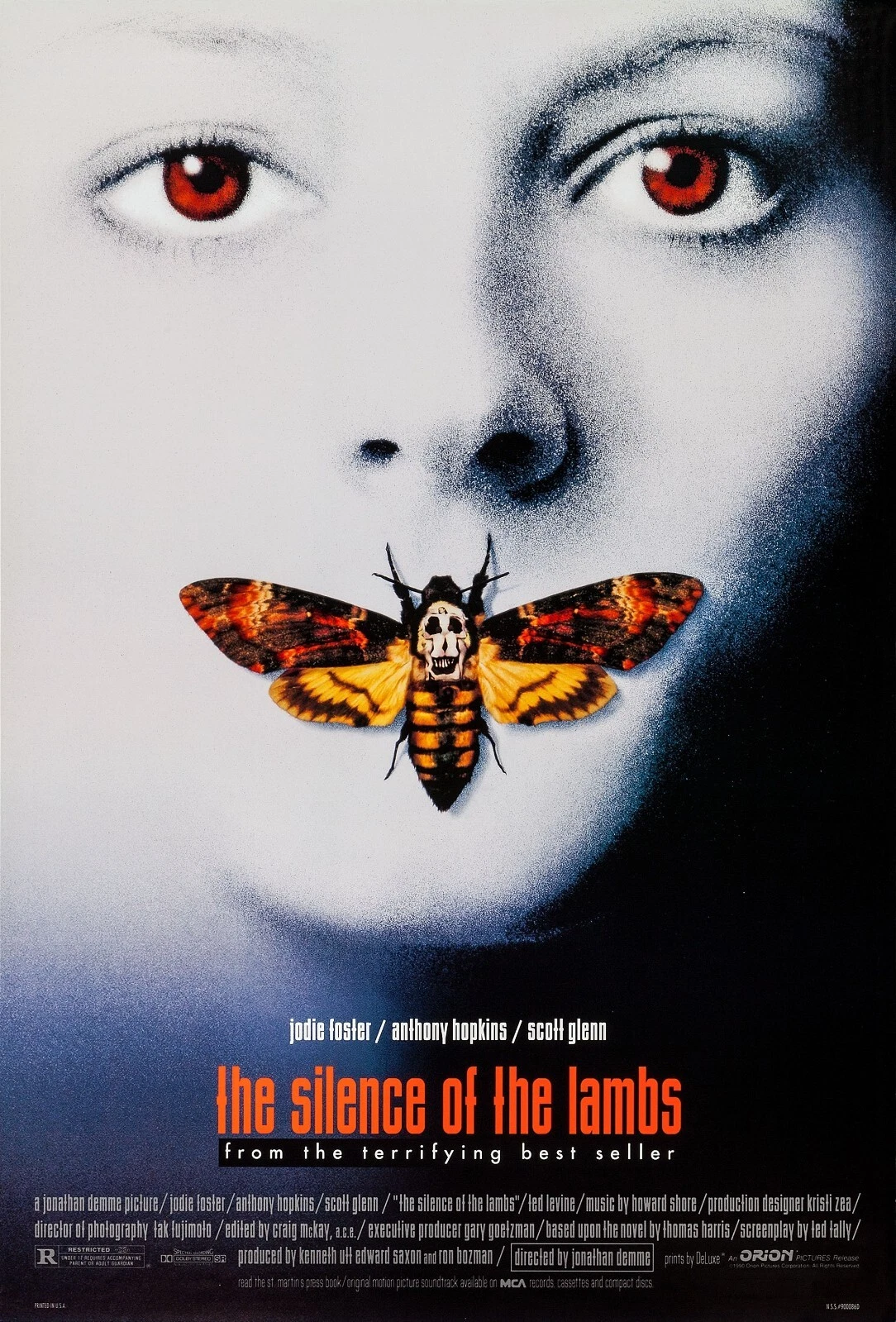
  7. The Silence of the Lambs
  8. Beauty and the Beast
  9. Robin Hood: Prince of Thieves
  10. Terminator 2: Judgment Day

Countdown: The Top 10 Movies of 1991

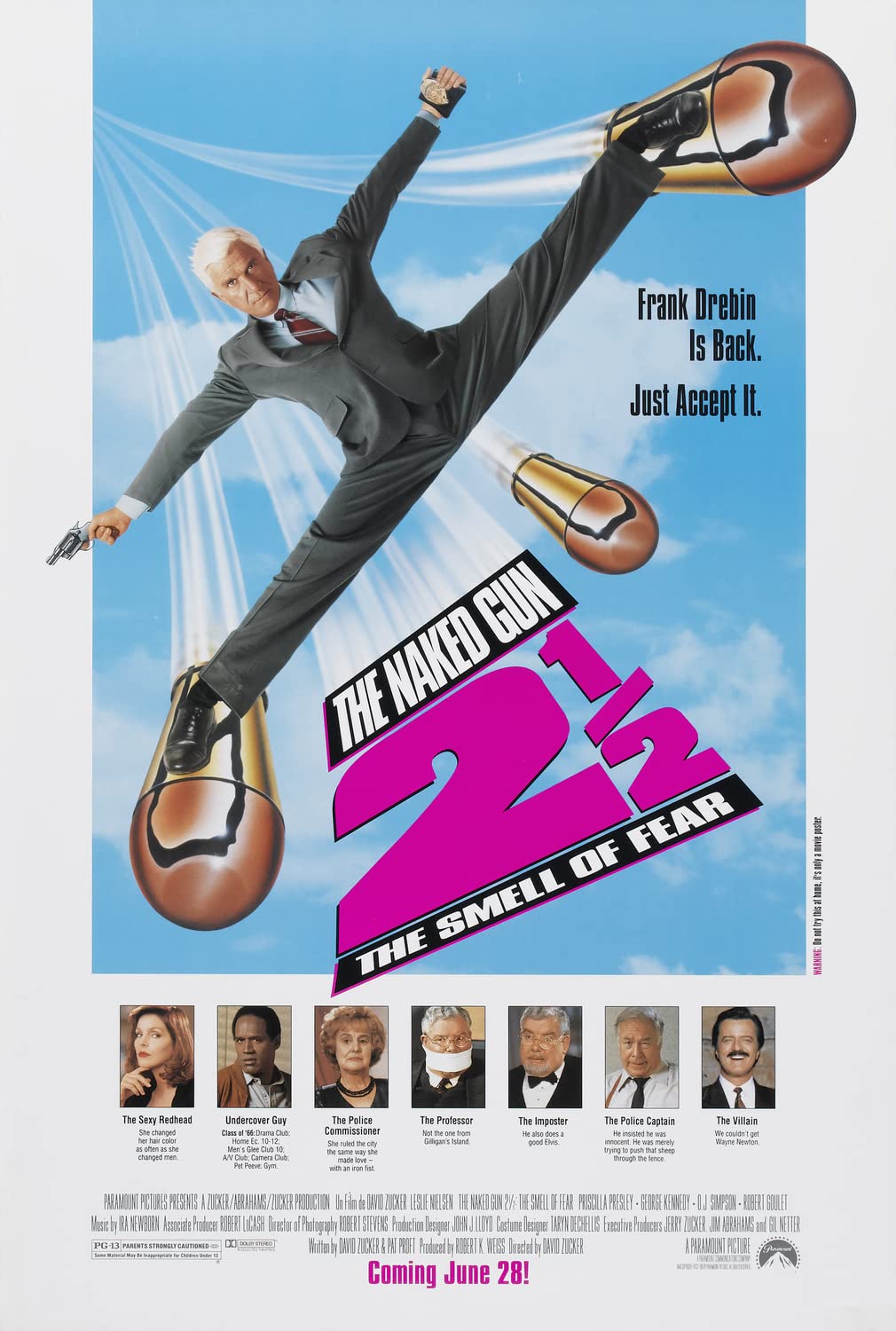
The Naked Gun 2½: The Smell of Fear poster
1991

#10 — The Naked Gun 2½: The Smell of Fear

Box Office: $86.9M
GenreSpoof comedy
DirectorDavid Zucker
1991 Rank#10
Main Cast
  • Leslie Nielsen as Frank Drebin
  • Priscilla Presley as Jane Spencer
  • George Kennedy as Ed Hocken
  • Robert Goulet as Quentin Hapsburg

The Naked Gun 2½: The Smell of Fear opening the 1991 top 10 is a reminder that broad theatrical comedy still had real commercial muscle in the early 90s. This was not a side-market hit or a cable cult thing sneaking upward after the fact. It was a mainstream success built on deadpan stupidity, visual throwaway jokes, and the kind of gag density that rewards repeat viewing because half the fun is catching what you missed the first time.

Leslie Nielsen is the whole mechanism. Frank Drebin works because Nielsen plays absurdity as total sincerity. He never signals that he is in on the joke in a smug way. He commits, and that commitment lets the film pile nonsense on top of nonsense without collapsing. The character is not funny because he is wacky. He is funny because he is earnest inside a universe that keeps humiliating logic itself.

What matters in the broader context of 1991 is that parody had not yet become exhausted self-reference. It still felt like a viable event lane. The Naked Gun 2½ arrives from a comedy tradition that trusted sight gags, timing, and absurd escalation more than coolness. That is part of why these movies still feel different from later studio comedies that rely more heavily on improvisation or pop-culture commentary.

For Gen X, this is one of those movies that represents the period’s specific theatrical comedy confidence. It assumes audiences will happily show up for something dumb, precise, quotable, and cheerfully unembarrassed by how relentlessly silly it is.

There is also something useful about it sitting at number ten on this chart. It proves 1991 was not just a year for action-tech spectacle and prestige suspense. There was still real room for pure joke machinery at the multiplex.
Fun Fact / Why It Still Matters It still kills because it comes from an era when mainstream comedies trusted formal gag construction, total deadpan commitment, and zero concern about seeming “too dumb.”
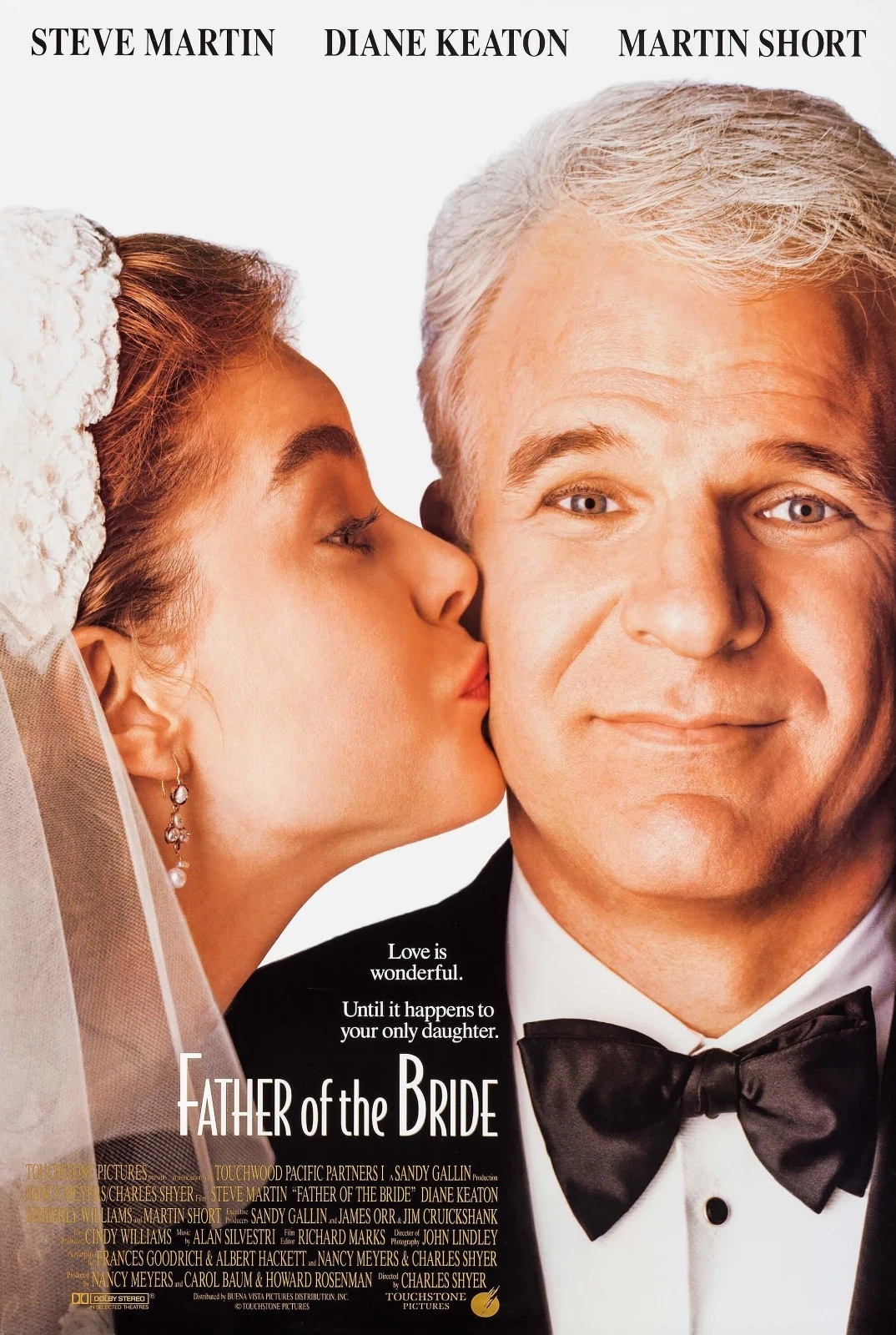
Father of the Bride poster
1991

#9 — Father of the Bride

Box Office: $89.3M
GenreFamily comedy
DirectorCharles Shyer
1991 Rank#9
Main Cast
  • Steve Martin as George Banks
  • Diane Keaton as Nina Banks
  • Kimberly Williams as Annie Banks
  • Martin Short as Franck Eggelhoffer

Father of the Bride landing at number nine shows that early-90s mainstream audiences still had a strong appetite for upscale domestic comedy. This is not an effects picture, not a thriller, not a giant action machine. It is a movie about family transition, parental panic, emotional overreaction, and the absurd financial-and-psychological vortex surrounding a wedding. That was still a big commercial idea in 1991.

Steve Martin gives the movie its pulse because George Banks is funny precisely in the way a lot of respectable, anxious, over-managing dads can be funny: he is convinced his panic is rational. The movie does not ask him to become a clown. It asks him to become a recognizable human being who cannot control time, money, or his daughter’s adulthood and hates discovering that in public.

The movie also reflects the early-90s preference for polished, aspirational domestic spaces that still allowed for mild emotional breakdown. There is comfort here, but it is not empty comfort. The story understands that family transitions can feel ridiculous and heartbreaking at the same time. That mix of anxiety and sentiment is a big part of why the film stayed sticky with audiences.

Martin Short’s performance helps too because he turns the wedding-planner lane into its own comic weather system. He is not just comic relief. He is the personification of the film’s larger premise: once wedding machinery starts moving, ordinary people lose all sense of proportion.

For Gen X, Father of the Bride remains one of those movies that seemed to live everywhere for a while — in theaters, on cable, in family living rooms — because it understood how to turn ordinary life-cycle panic into mainstream entertainment without losing warmth.

Fun Fact / Why It Still Matters It still works because it treats family anxiety as both ridiculous and sincere, which is exactly why so many people recognize themselves in it.
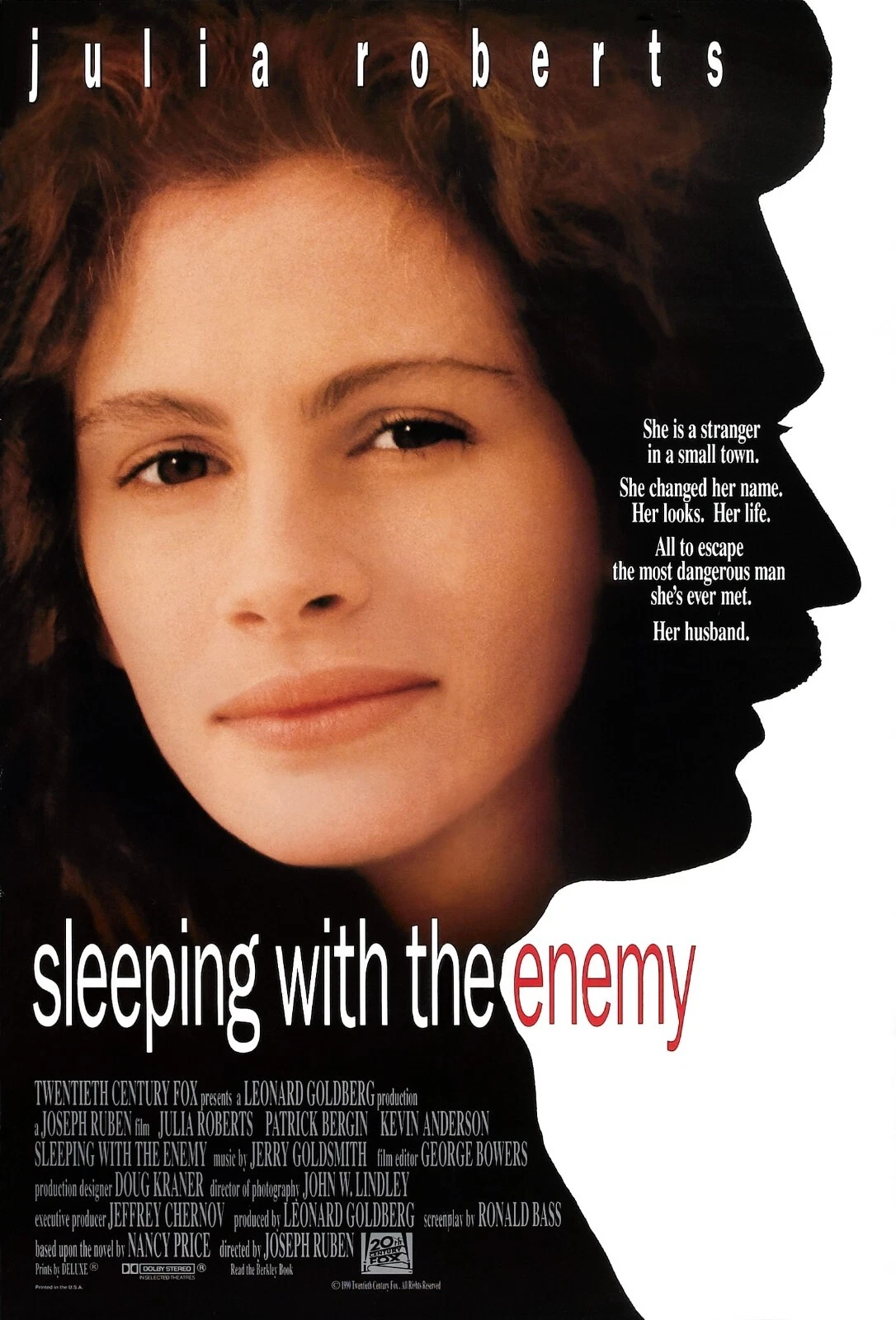
Sleeping with the Enemy poster
1991

#8 — Sleeping with the Enemy

Box Office: $101.6M
GenrePsychological thriller
DirectorJoseph Ruben
1991 Rank#8
Main Cast
  • Julia Roberts as Laura Burney / Sara Waters
  • Patrick Bergin as Martin Burney
  • Kevin Anderson as Ben Woodward
  • Elizabeth Lawrence as Chloe Williams

Sleeping with the Enemy at number eight is one of the clearest signs that early-90s adult thrillers still had serious box-office traction. The setup is emotionally direct and commercially clean: a woman escapes a violently controlling husband, builds a new life, and discovers that control does not stay buried as easily as she hoped. The movie packages fear, reinvention, and pursuit into a form audiences instantly understood.

Julia Roberts is central to why it worked. Her star persona was already carrying enormous warmth and likability, which lets the film position Laura as both vulnerable and determined. That matters because the movie is not just selling danger. It is selling the audience’s desire to see a woman reclaim life, safety, and identity from someone who treated all three as possessions.

The movie also belongs to a very specific early-90s domestic-suspense lane, where polished surfaces and private terror coexist. Houses are beautiful, kitchens are clean, people appear prosperous — and under that order sits panic, coercion, surveillance, and buried violence. That style of thriller became hugely important for the era because it made fear feel close to ordinary aspirational life rather than sealed off inside genre fantasy.

In the context of 1991, the film matters because it proves adult women-centered thrillers could still become major mainstream hits. The marketplace had not yet fully turned away from movies aimed at grown viewers who wanted suspense anchored in intimate control rather than spectacle.

For Gen X, Sleeping with the Enemy remains one of those definitive cable-era thrillers that felt polished, tense, immediate, and unmistakably of its moment.

Fun Fact / Why It Still Matters It still lands because it takes domestic control and terror seriously enough to generate real suspense instead of treating the danger as mere decorative thriller machinery.
The Addams Family poster
1991

#7 — The Addams Family

Box Office: $113.5M
GenreGothic family comedy
DirectorBarry Sonnenfeld
1991 Rank#7
Main Cast
  • Anjelica Huston as Morticia Addams
  • Raúl Juliá as Gomez Addams
  • Christopher Lloyd as Uncle Fester
  • Christina Ricci as Wednesday Addams

The Addams Family at number seven is one of the best examples of 1991 turning weirdness into a commercial asset instead of something that needed sanding down. The movie is glossy, funny, macabre, romantic, and strangely affectionate. It does not ask the Addamses to become normal enough for the audience. It invites the audience to enjoy the fact that they are fundamentally not normal at all.

That is what gives the film its long life. Gomez and Morticia are not played as cold eccentrics. They are played as wildly in love. Wednesday is not merely spooky. She is dry, observant, and far smarter than the bland world around her. The family’s darkness becomes oddly reassuring because it sits inside genuine loyalty, pleasure, and domestic devotion. That inversion is the whole joke and the whole charm.

Visually, the film also matters because it helps define an early-90s pop-goth aesthetic that would echo for years. It is shadowy and ornate, but not joyless. There is richness to the production design, costuming, and tone that keeps the movie feeling like a full world rather than a single gag stretched too long.

In the context of 1991, The Addams Family proves that recognizable IP could hit big without flattening itself into safe generic product. It keeps its stylization. It keeps its strangeness. It trusts that the right cast and the right atmosphere can make the whole thing widely accessible anyway.

For Gen X, it remains one of those ideal adaptation-era hits: faithful enough to feel right, commercial enough to feel major, and strange enough to feel distinct from everything else around it.

Fun Fact / Why It Still Matters It still rules because it understands that the Addamses are not lovable despite being weird — they are lovable because their weirdness is so completely sincere.
Hook poster
1991

#6 — Hook

Box Office: $119.7M
GenreFantasy adventure
DirectorSteven Spielberg
1991 Rank#6
Main Cast
  • Robin Williams as Peter Banning / Peter Pan
  • Dustin Hoffman as Captain Hook
  • Julia Roberts as Tinker Bell
  • Bob Hoskins as Smee

Hook only reaching number six is one of the easiest ways to see how loaded 1991 really was. A Spielberg fantasy starring Robin Williams and Dustin Hoffman, built around Peter Pan nostalgia and giant studio craftsmanship, would have been the automatic crown jewel of many other years. Here it lands in the middle, which says a lot about how crowded the upper tier was.

What makes Hook interesting is that it is not simply a children’s adventure. It is really a story about adulthood as amnesia. Peter has not just grown up. He has forgotten imagination, risk, joy, and the part of himself that could still respond to enchantment without treating it as an inconvenience. That gives the film a melancholy center beneath all the color and scale.

Robin Williams is especially useful here because he can move from brittle adult performance to full rediscovered play without the transition feeling fake. Hoffman, meanwhile, plays Hook not as a flat villain but as a wounded theatrical narcissist desperate for meaning through conflict. That gives the movie a psychological oddness more interesting than a simple good-versus-evil children’s setup.

In the context of 1991, the movie matters because it shows that large-scale family fantasy was still a central blockbuster mode, but it also shows the era beginning to treat nostalgia itself as a commercial engine. Hook is not just about Peter Pan. It is about the sadness of outgrowing wonder and the desire to get some of it back.

For Gen X, it remains one of the most emotionally recognizable fantasies of the early 90s because it understands that childhood magic does not disappear cleanly — it gets buried under adult life and waits to be remembered.

Fun Fact / Why It Still Matters It still resonates because it treats lost childhood not as a cute memory, but as something adults can genuinely grieve and struggle to recover.
City Slickers poster
1991

#5 — City Slickers

Box Office: $124.0M
GenreComedy-drama
DirectorRon Underwood
1991 Rank#5
Main Cast
  • Billy Crystal as Mitch Robbins
  • Daniel Stern as Phil Berquist
  • Bruno Kirby as Ed Furillo
  • Jack Palance as Curly Washburn

City Slickers at number five is a great reminder that 1991 still had real room for adult comedy with actual feelings in it. The movie is funny, but it is built on something more specific than gag delivery. It is about male drift, aging, dissatisfaction, friendship, fantasy escape, and the sudden realization that performing adulthood convincingly is not the same thing as finding meaning inside it.

Billy Crystal gives the film its weariness and its accessibility. Mitch is not a glamorous crisis case. He is a familiar one: successful enough to keep going, restless enough to know that “fine” is not the same as alive. That makes the cattle-drive premise work because the western fantasy is not just scenery. It is a temporary hope that somewhere outside routine, clarity might still exist.

The film also benefits from how it uses the West. It is not pretending to be a real western revival. It is using western imagery as a corrective fantasy for overcivilized urban anxiety. That is a very early-90s move: reaching for authenticity through performance, adventure, and stripped-down hardship because ordinary middle-class life feels emotionally padded and spiritually flat.

Jack Palance’s Curly matters because he gives the movie a hard, mythic edge that the three leads alone could not create. He is half cowboy icon, half mortality lecture, which helps the film move from comedy into something a little more reflective without losing mainstream watchability.

For Gen X, City Slickers remains one of the period’s most durable grown-up hits because it understood that a midlife comedy could still be broad, commercial, and quietly existential at the same time.

Fun Fact / Why It Still Matters It still connects because beneath the ranch-comedy packaging, it is really about the panic of realizing you built a life and still do not know what makes it meaningful.
The Silence of the Lambs poster
1991

#4 — The Silence of the Lambs

Box Office: $130.7M
GenrePsychological thriller
DirectorJonathan Demme
1991 Rank#4
Main Cast
  • Jodie Foster as Clarice Starling
  • Anthony Hopkins as Hannibal Lecter
  • Scott Glenn as Jack Crawford
  • Ted Levine as Buffalo Bill

The Silence of the Lambs at number four is one of the strongest clues that 1991 was not merely commercially broad, but tonally fearless. This is a dark, controlled, disturbing movie built on procedural investigation, gendered vulnerability, psychological manipulation, and a type of dread that does not dissipate once the credits roll. The fact that something this unsettling could become one of the year’s biggest hits says a lot about the seriousness mainstream audiences were still willing to engage.

Jodie Foster is the anchor. Clarice Starling is not just an audience surrogate walking through a nightmare. She is ambitious, intelligent, and constantly forced to navigate institutions and male scrutiny while trying to do her job under impossible emotional pressure. That is a huge part of the film’s strength. It is a thriller, but it is also deeply aware of how power works in rooms, hallways, interviews, and professional hierarchies.

Hopkins is obviously unforgettable, but one of the reasons the performance lasts is that Lecter is not treated as random chaos. He is focused attention weaponized. He sees too much, reads too well, and speaks with a kind of calm that makes violence feel even more invasive. He is not only scary because he kills. He is scary because he understands where people are weak and enjoys touching that weakness directly.

In the context of 1991, the movie matters because it proves adult suspense could still dominate the mainstream without dumbing itself down into empty chase mechanics. It trusts mood, performance, language, and silence. It is not in a hurry to reassure the audience.

For Gen X, The Silence of the Lambs remains one of those movies that felt like an instant cultural fixation for a reason: it was smart, unnerving, quotable, and genuinely difficult to shake off.

Fun Fact / Why It Still Matters It still hits because it makes intelligence, vulnerability, and psychological pressure every bit as suspenseful as physical danger.
Beauty and the Beast poster
1991

#3 — Beauty and the Beast

Box Office: $145.9M
GenreAnimated musical fantasy
DirectorGary Trousdale & Kirk Wise
1991 Rank#3
Main Cast
  • Paige O’Hara as Belle
  • Robby Benson as Beast
  • Angela Lansbury as Mrs. Potts
  • Jerry Orbach as Lumière

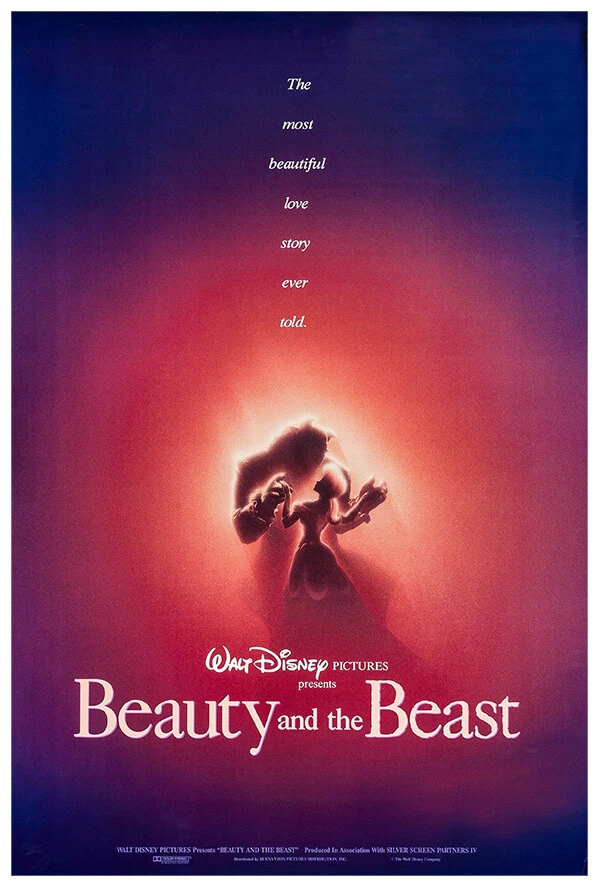
Beauty and the Beast at number three is where the 1991 chart starts looking truly era-defining. Disney animation is no longer simply a successful family subcategory here. It is one of the biggest commercial forces in the country. The movie works as fairy tale, romance, comedy, musical, and visual event all at once, which helps explain why it crossed age lines so successfully.

What makes the film so durable is that it does not play like a disposable children’s product. It is elegant, emotionally legible, musically coherent, and visually precise. Belle is written as curious and self-directed rather than decorative. The Beast is not just angry. He is wounded, volatile, and gradually humanized through care and time. That means the central relationship carries actual emotional progression instead of just plot obligation.

The songs matter enormously too because they do not simply decorate the movie. They structure it. They give each movement a sense of scale and theatricality that makes the whole film feel larger than animation as many audiences still casually understood it at the time. This is one reason 1991 feels like a turning point. Animation starts presenting itself not as lesser live action, but as its own premium mainstream event language.

In the context of 1991, Beauty and the Beast matters because it helps redefine what family blockbuster prestige can look like. It is emotional without being mushy, beautiful without feeling empty, and grand without losing character specificity.

For Gen X, it remains one of the clearest signals that the Disney renaissance was not just nostalgia bait or kid diversion. It was major culture, and audiences treated it that way.

Fun Fact / Why It Still Matters It still captivates because it treats animation as a fully cinematic, emotionally serious, musically rich form instead of merely brightly colored children’s entertainment.
Robin Hood: Prince of Thieves poster
1991

#2 — Robin Hood: Prince of Thieves

Box Office: $165.5M
GenreAdventure drama
DirectorKevin Reynolds
1991 Rank#2
Main Cast
  • Kevin Costner as Robin Hood
  • Morgan Freeman as Azeem
  • Mary Elizabeth Mastrantonio as Marian
  • Alan Rickman as the Sheriff of Nottingham

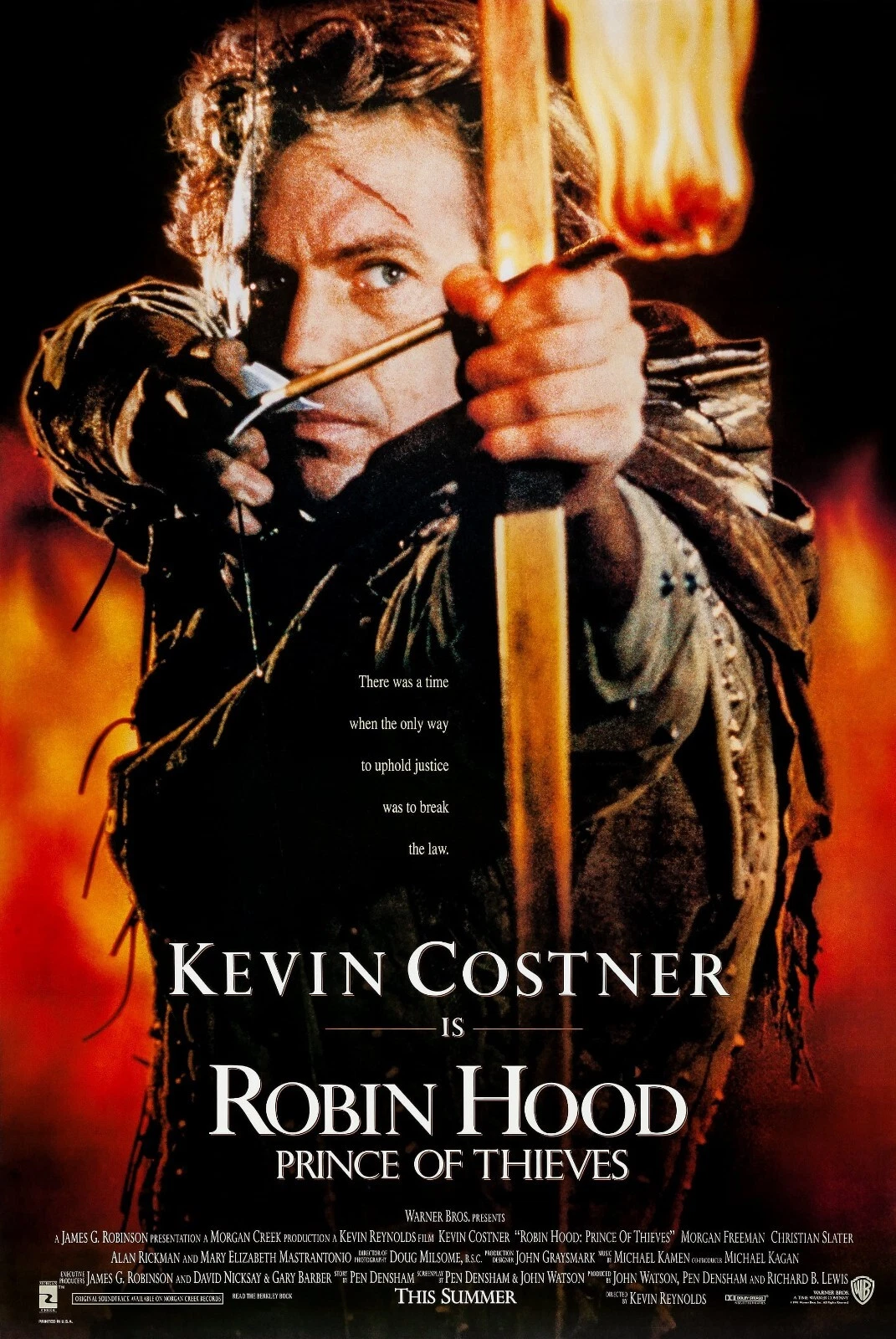
Robin Hood: Prince of Thieves at number two is peak early-90s star-driven event filmmaking: expensive, earnest, slightly oversized, and committed to the idea that a familiar legend can still feel like a giant summer attraction if the scale is big enough and the cast is right. It is not subtle, but subtlety is not what made it a hit. Momentum, myth, and commercial confidence did.

Kevin Costner’s presence is part of the story because he represented a very specific kind of mainstream reassurance at the start of the decade. He could anchor prestige, Americana, romance, and heroic scale all at once. That made him ideal for a film trying to convert a classic outlaw into a modern blockbuster center. Whether one sees the performance as iconic or slightly stiff, the larger commercial logic is obvious.

Alan Rickman, meanwhile, gives the film its most volatile energy. The Sheriff is played with such theatrical appetite that the movie keeps generating charge whenever he appears. That imbalance is actually part of the fun. Prince of Thieves works because it is comfortable being big in every direction: score, scenery, villainy, sentiment, and hero packaging.

In the context of 1991, the film matters because it shows how healthy adventure spectacle still was before the full digital-fantasy franchise era took over. This is a star vehicle, a medieval action drama, and a legend reboot all at once, but it still feels rooted in the older studio model of broad heroic entertainment.

For Gen X, it remains one of those huge hits that perfectly captures the period’s confidence that a familiar story, played sincerely and sold aggressively, could still dominate popular culture.

Fun Fact / Why It Still Matters It still plays as a time capsule of early-90s blockbuster confidence — star-led, myth-sized, emotionally straightforward, and totally unafraid of being huge.
Terminator 2: Judgment Day poster
1991

#1 — Terminator 2: Judgment Day

Box Office: $204.8M
GenreSci-fi action
DirectorJames Cameron
1991 Rank#1
Main Cast
  • Arnold Schwarzenegger as the Terminator
  • Linda Hamilton as Sarah Connor
  • Edward Furlong as John Connor
  • Robert Patrick as the T-1000

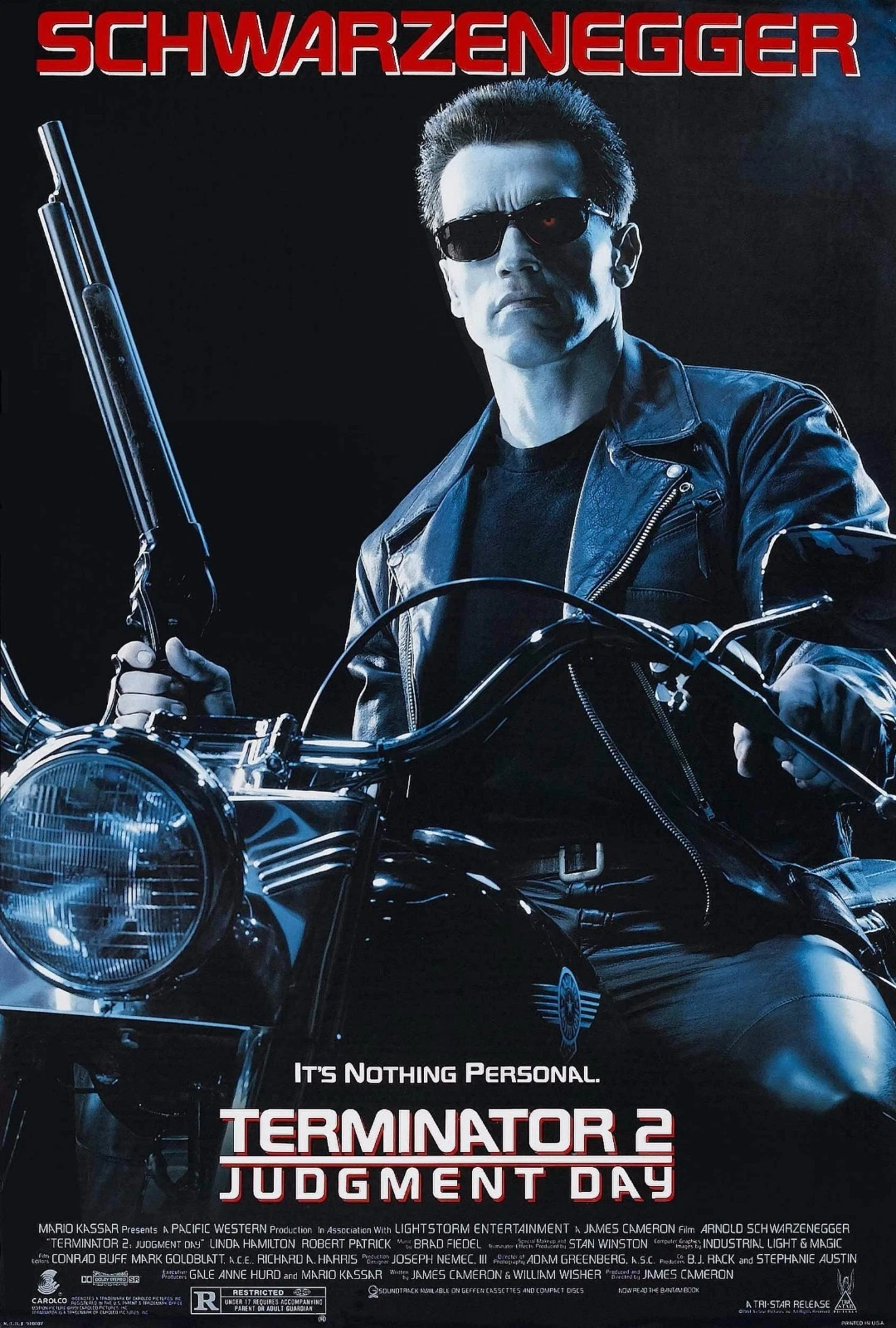
Terminator 2: Judgment Day finishing at number one feels exactly right because it is one of the clearest “the future of blockbuster filmmaking is standing right here” movies of the era. The scale is huge, the action is relentless, the effects are headline-making, and yet the film does not survive on technology alone. What makes it dominant is that it takes spectacle and gives it emotional purpose.

Sarah Connor is central to that. Linda Hamilton turns her into something far harder, more haunted, and more formidable than the average studio action figure of the period. That matters because the movie is not simply about stopping a machine. It is about trauma, preparation, motherhood, inevitability, and the question of whether the future is fixed or made. The action feels larger because the emotional stakes are not decorative.

Arnold’s value here is equally important. The sequel smartly repurposes his star image. Instead of merely repeating the first film’s cold-force dynamic, it turns his machine body into something closer to mythic protector energy. That shift lets the film keep the brute power audiences came for while opening a new emotional channel through John Connor’s relationship to him.

Robert Patrick’s T-1000 also changes the whole temperature of the movie. He is sleek, calm, and terrifying in a way that feels more modern than older brute-villain logic. He is not noisy aggression. He is technological inevitability with a human face and an inhuman persistence. That helps the sequel feel not just bigger than the original, but more advanced in its imagination of threat.

For Gen X, Terminator 2 remains one of the definitive event movies of the decade because it managed to be state-of-the-art, emotionally engaging, instantly quotable, and structurally satisfying all at once. It did not merely get bigger. It got better in the ways that mattered.

Fun Fact / Why It Still Matters It still feels enormous because it fused breakthrough spectacle to character, fear, and emotion instead of treating effects as the whole show.

Rewind Verdict

The top 10 movies of 1991 are one of the best arguments for how flexible the mainstream used to be. This is a year where the number-one film is a technologically aggressive sci-fi sequel, but the rest of the chart still makes room for animation, adult suspense, domestic comedy, midlife male panic, gothic family weirdness, soft fantasy, and straight-up spoof nonsense.

That is what makes 1991 feel so strong in hindsight. Terminator 2 points toward the future of blockbuster engineering. Beauty and the Beast shows animation becoming elite mainstream cinema. The Silence of the Lambs proves adult thrillers can still hit huge. City Slickers and Father of the Bride keep comedy emotionally recognizable. The Addams Family makes weirdness feel mass-market. Hook and Robin Hood: Prince of Thieves keep fantasy and adventure fully alive.

For Gen X, 1991 does not feel like a year with one single movie identity. It feels like a year where the audience still belonged to a shared culture broad enough to hold killer robots, fairy-tale ballrooms, wedding meltdowns, cannibal-intellectual dread, and the Addamses all under one commercial roof.

FAQ: Top Movies of 1991

What was the biggest first-release movie of 1991 at the North American box office?

Terminator 2: Judgment Day finished as the highest-grossing first-release 1991 movie in North America.

Why isn’t Home Alone on this 1991 list?

Because this movie series ranks films by the year they were first released, not by holdover money they earned in later calendar years. Home Alone belongs to the 1990 post, not the 1991 one.

Was Beauty and the Beast really that big in 1991?

Yes. It was one of the year’s biggest theatrical hits, which is part of why 1991 stands out as such a major moment for Disney animation in the mainstream movie conversation.

Why does 1991 feel so different from 1990?

Because 1991 looks more fully early-90s. The action is bigger, the thrillers are darker, animation is more central, and the year feels slightly less transitional and more self-assured than 1990.

What makes the 1991 lineup so memorable?

Its range. The year delivered futuristic action, family fantasy, gothic comedy, adult suspense, animated romance, domestic chaos, and big-star adventure without collapsing into one single dominant formula.

Get the Weekly Gen X Drop

New videos, rewinds, and savage nostalgia — first.

JOIN THE NEWSLETTER WATCH VIDEOS

MORE REWINDS