Top 10 Movies of 1979: Biggest Box Office Hits Ranked

Top 10 Movies of 1979: Biggest Box Office Hits Ranked
Smells Like Gen X • Top Movies of 1979

The Top 10 Movies of 1979

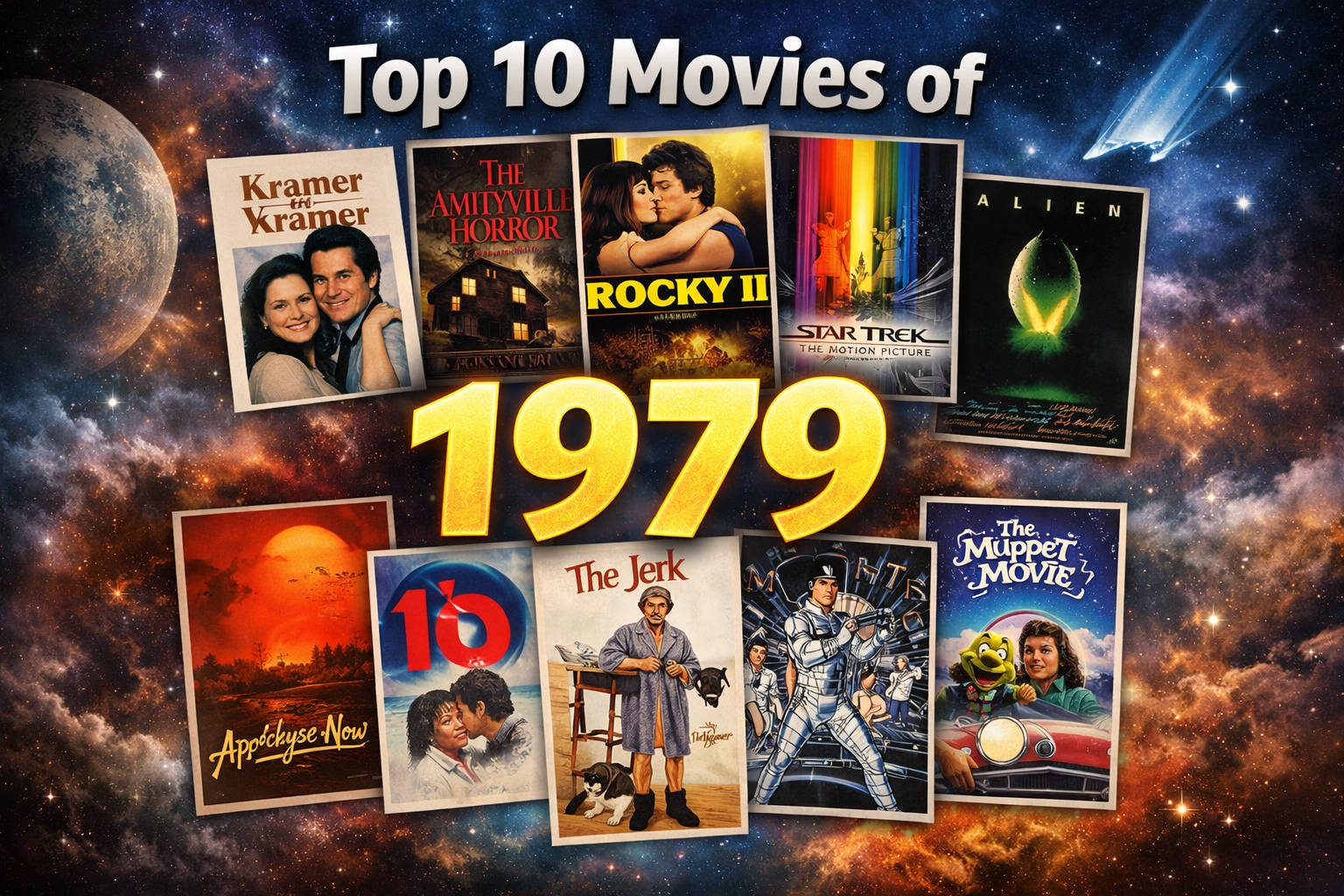
The top 10 movies of 1979 feel like the 70s ending with a weirdly perfect mix of neurosis, haunted-house panic, sci-fi dread, sequel muscle, romantic breakdown, war trauma, spy fantasy, and Muppet charm. It’s not one clean mood. It’s several American moods all fighting for the same multiplex.

This countdown uses North American release-year grosses for films first released in 1979. What emerges is one of the strangest commercial snapshots of the decade: divorce drama becomes a national event, a haunted house sells terror to the suburbs, Rocky keeps swinging, Star Trek goes widescreen and solemn, Alien turns space into a nightmare, Apocalypse Now drags Vietnam into operatic madness, Dudley Moore sells sophisticated lust, Steve Martin detonates comedy logic, Bond goes to space, and the Muppets prove gentleness can still make real money.

For Gen X, 1979 matters because it feels like a cultural hinge. The 80s are coming, but the movies are still proudly unstable, adult, and strange in very 70s ways.

Gen X Note: 1979 feels like blockbuster culture warming up while the bruised, paranoid, adult soul of the 70s refuses to leave quietly.

Quick List: The Top 10 Movies of 1979

  1. The Muppet Movie
  2. Moonraker
  3. The Jerk
  4. 10
  5. Apocalypse Now
  6. Alien
  7. Star Trek: The Motion Picture
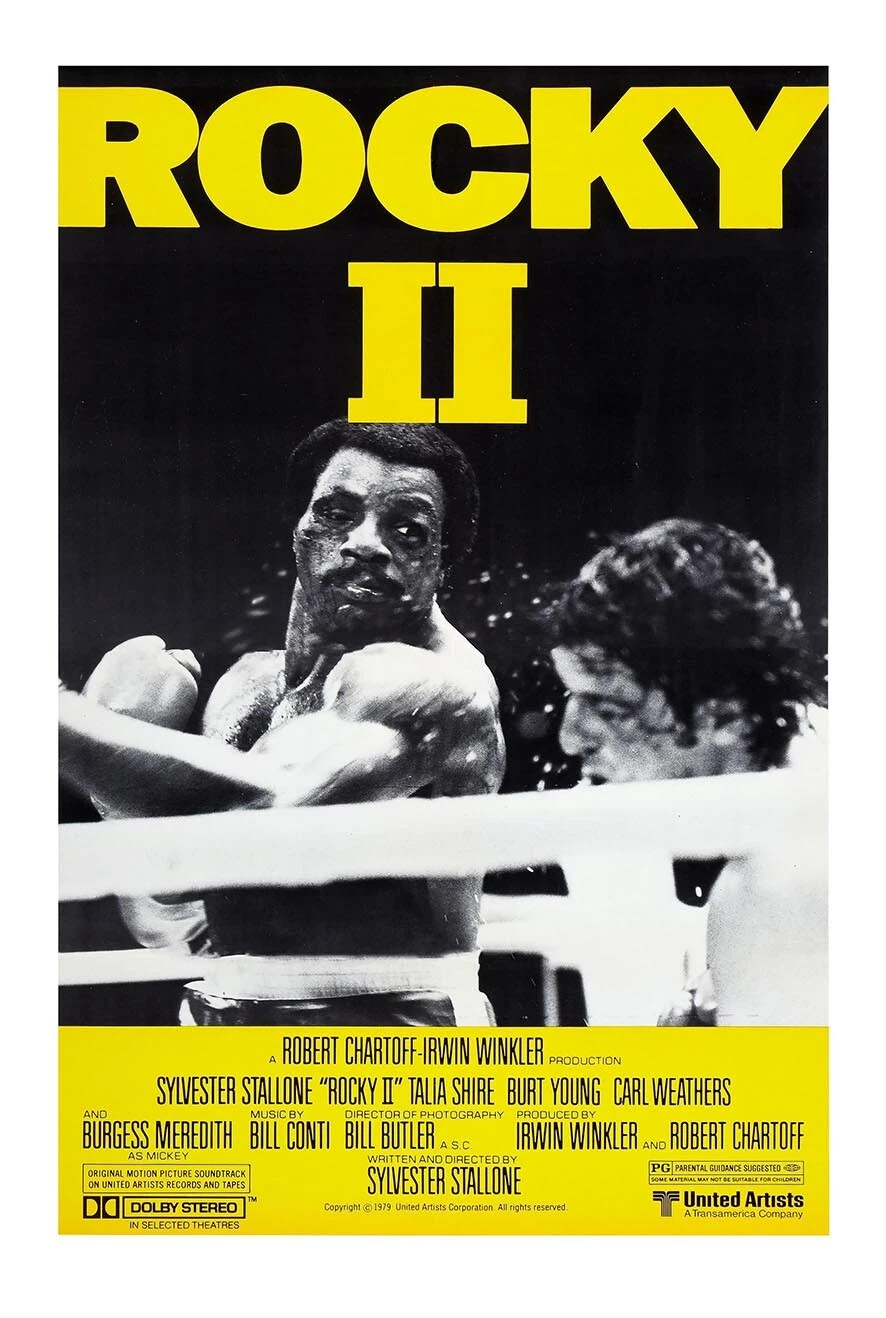
  8. Rocky II
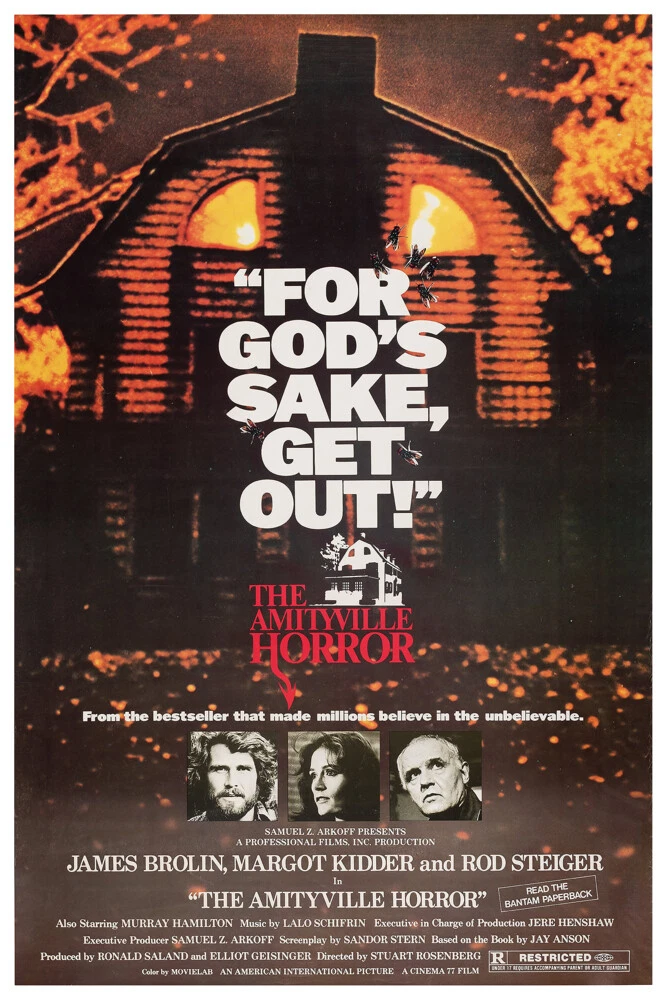
  9. The Amityville Horror
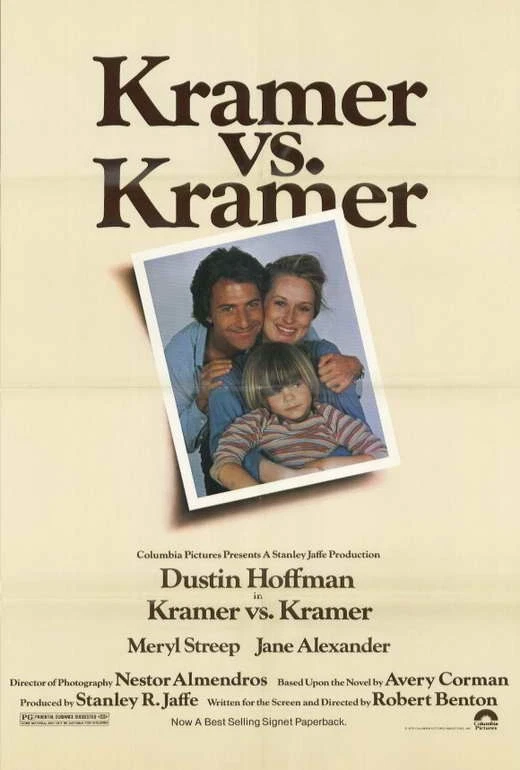
  10. Kramer vs. Kramer

Countdown: The Top 10 Movies of 1979

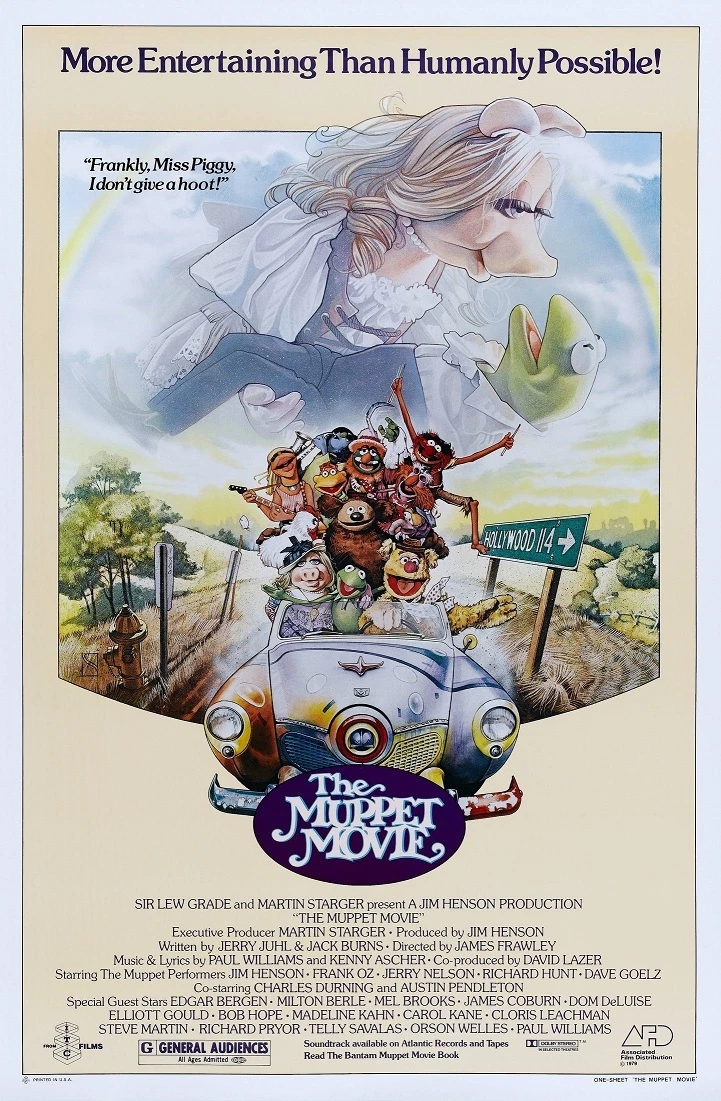
The Muppet Movie poster
1979

#10 — The Muppet Movie

Box Office: $65.2M
GenreMusical road comedy
DirectorJames Frawley
1979 Rank#10
Featured Cast & Voices
  • Jim Henson as Kermit the Frog
  • Frank Oz as Miss Piggy / Fozzie Bear / Animal
  • Jerry Nelson as Floyd Pepper / Robin
  • Charles Durning as Doc Hopper

The Muppet Movie opens the 1979 top 10 as proof that sweetness, absurdity, and genuine craftsmanship still had a strong commercial lane at the end of the decade. This is not irony-free children’s entertainment in the flat sense. It’s funny, self-aware, musical, surprisingly moving, and confident enough to let sincerity be part of the joke instead of something to hide from.

What makes the film endure is that it treats the Muppets as both comic inventions and emotional beings. Kermit’s journey is, in one sense, pure showbiz fairy tale. In another, it’s about ambition without cynicism — a dream-chasing story that never needs to become cruel to feel grown-up.

In the commercial story of 1979, The Muppet Movie matters because it shows that family entertainment could still be witty, handmade-feeling, and character-first while drawing a major audience.

For Gen X, it became one of those foundational comfort movies that somehow feels homemade and iconic at the same time.
Fun Fact / Why It Still Matters The film still matters because it turned the Muppets into full-scale movie stars without losing the warmth and weirdness that made them beloved in the first place.
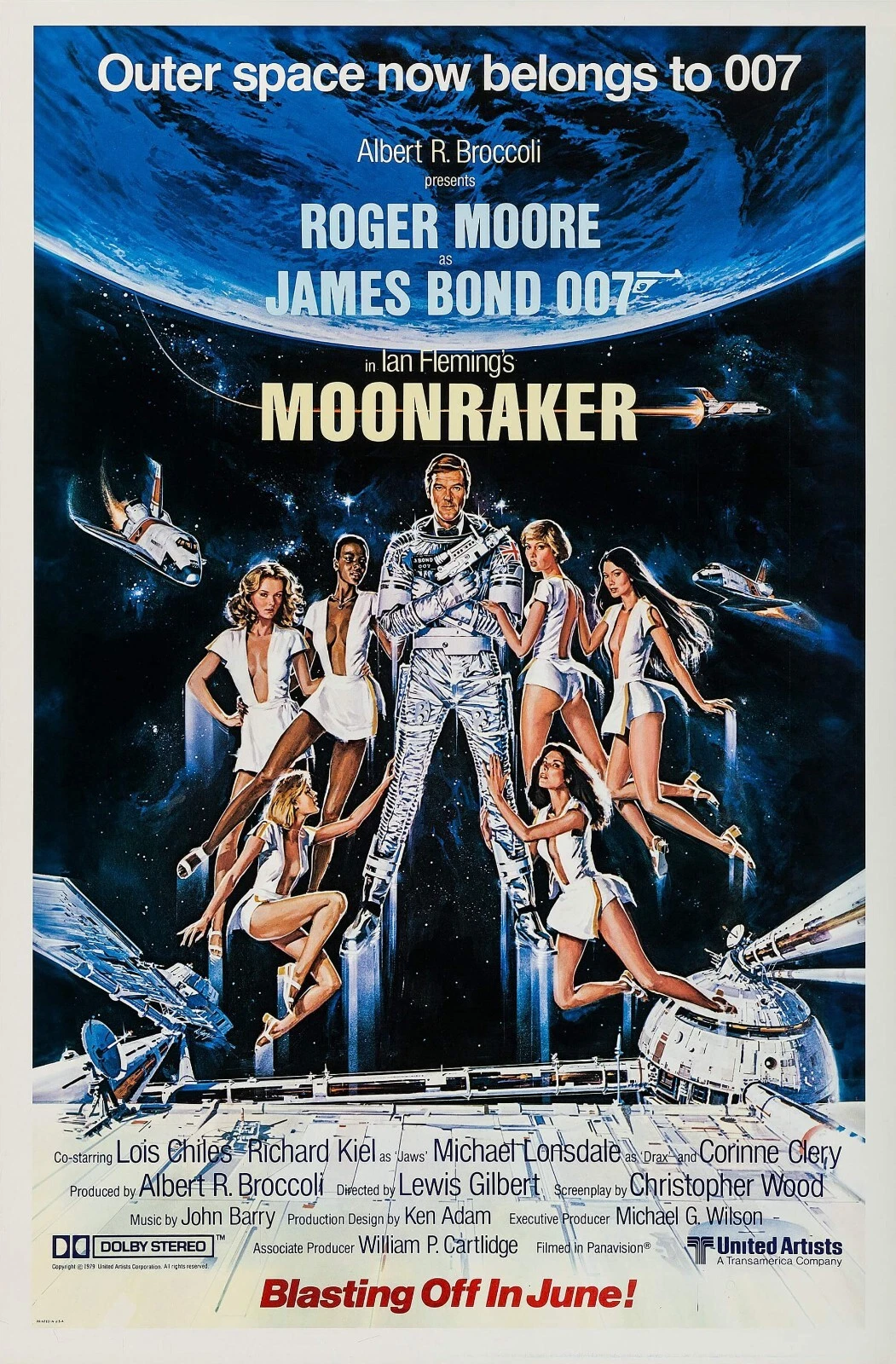
Moonraker poster
1979

#9 — Moonraker

Box Office: $70.3M
GenreSpy action adventure
DirectorLewis Gilbert
1979 Rank#9
Main Cast
  • Roger Moore as James Bond
  • Lois Chiles as Holly Goodhead
  • Michael Lonsdale as Hugo Drax
  • Richard Kiel as Jaws

Moonraker at number nine is Bond responding to the end of the decade the only way Bond really knew how: by getting bigger, sillier, shinier, and more openly tuned to audience appetite. If 1977 made space fantasy the hottest thing in the world, 1979 answers with 007 going cosmic in a tux.

That opportunism is part of the charm. Moonraker is not pretending to be grounded. It is selling luxury absurdity at a scale the franchise could reliably deliver. The Roger Moore era understood that there was real commercial value in treating elegance and nonsense as perfect roommates.

In the commercial story of 1979, Moonraker matters because it shows blockbuster influence already reshaping long-running franchises. Bond wasn’t above trend-chasing. Bond simply did it with better tailoring.

For Gen X, this sits in the permanent mental archive of “wildly unserious Bond movie you still absolutely watched.”

Fun Fact / Why It Still Matters The film still matters because it captures the Bond franchise adapting itself to the late-70s spectacle race in the most gloriously excessive way possible.
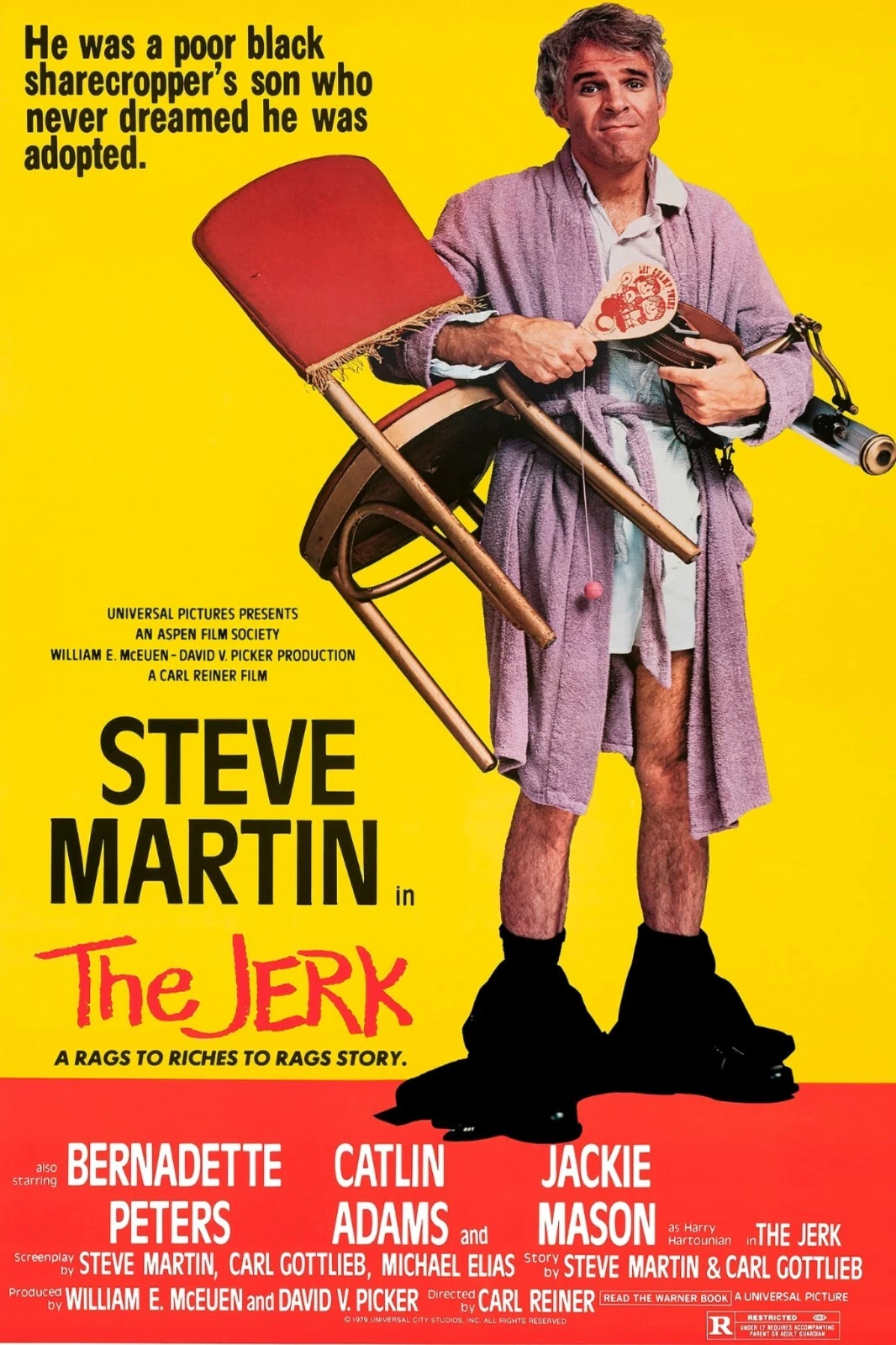
The Jerk poster
1979

#8 — The Jerk

Box Office: $73.7M
GenreComedy
DirectorCarl Reiner
1979 Rank#8
Main Cast
  • Steve Martin as Navin Johnson
  • Bernadette Peters as Marie
  • Catlin Adams as Patty
  • Mabel King as Navin’s mother

The Jerk at number eight is one of those big comedy hits that announces a new kind of star voice arriving fully formed. Steve Martin’s energy here is not built on cozy realism or tidy joke delivery. It’s built on absurd innocence, escalating stupidity, verbal weirdness, and a performance style that seems to operate half a beat to the side of ordinary human behavior.

What makes the movie commercially revealing is that audiences absolutely came with him. This is broad comedy, yes, but it’s also idiosyncratic comedy. The movie is willing to get silly in a distinctly Steve Martin way rather than flatten him into something safer.

In the commercial story of 1979, The Jerk matters because it proves that mainstream comedy still had room for original comic personas who felt specific, off-kilter, and unlike anybody else.

For Gen X, it became one of those quote-machine comedies that lingered in family and cable culture for decades.

Fun Fact / Why It Still Matters The film still matters because it launched Steve Martin as a major movie star without sanding down the strange comic identity that made him exciting.
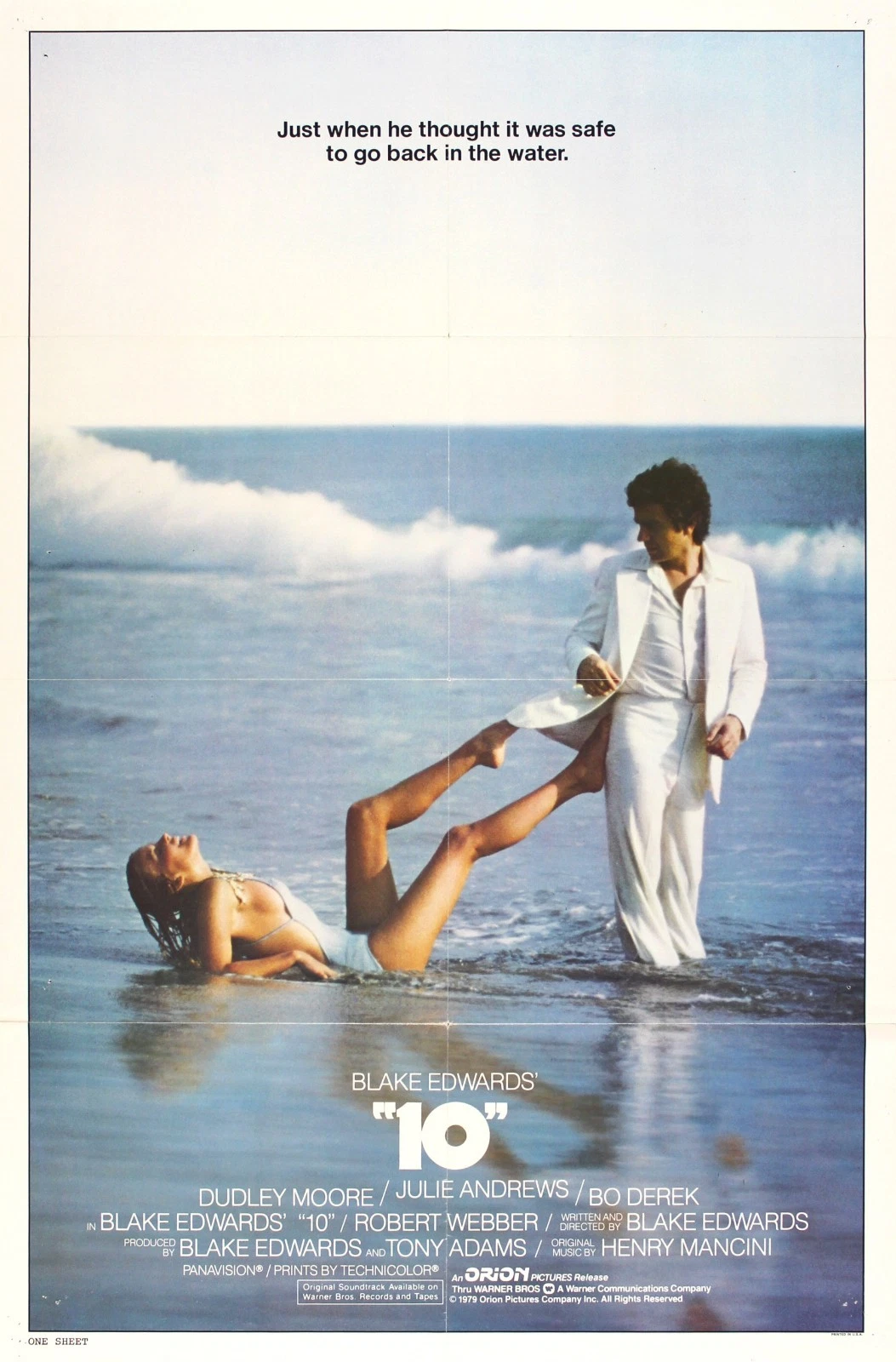
10 poster
1979

#7 — 10

Box Office: $74.9M
GenreRomantic comedy
DirectorBlake Edwards
1979 Rank#7
Main Cast
  • Dudley Moore as George Webber
  • Julie Andrews as Samantha Taylor
  • Bo Derek as Jenny Hanley
  • Robert Webber as Hugh

10 at number seven is one of the clearest examples of the 70s selling adult anxiety through glossy sex-comedy packaging. On paper, it looks like fantasy: desire, fantasy projection, middle-aged yearning, beautiful people, and sunlit aspiration. In practice, the movie is much more about dissatisfaction, panic, insecurity, and the comic embarrassment of wanting youth to fix something youth cannot fix.

Dudley Moore is essential because he makes George ridiculous without making him unrecognizable. The movie works because it understands how pathetic and human longing can be once someone starts believing their life has missed the proper glossy centerfold.

In the commercial story of 1979, 10 matters because it proves adult relationship comedy with overt sexual tension and neurosis could still perform at a very high level.

For Gen X, it became part of the late-70s adult-pop-culture furniture: famous, talked about, faintly scandalous, and always a little more melancholy than people first remember.

Fun Fact / Why It Still Matters The film still matters because it turned romantic fantasy and middle-aged panic into one of the era’s biggest and most revealing adult hits.
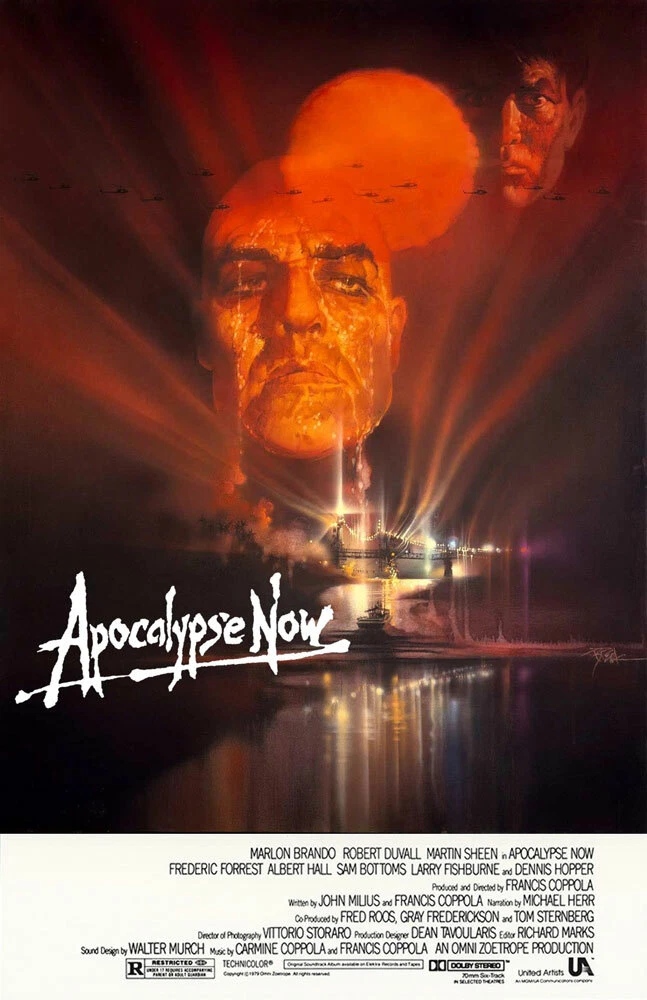
Apocalypse Now poster
1979

#6 — Apocalypse Now

Box Office: $78.8M
GenreWar epic / psychological drama
DirectorFrancis Ford Coppola
1979 Rank#6
Main Cast
  • Martin Sheen as Capt. Willard
  • Marlon Brando as Col. Kurtz
  • Robert Duvall as Lt. Col. Kilgore
  • Frederic Forrest as Chef

Apocalypse Now at number six is one of those entries that makes the whole series worthwhile, because it reminds you that movies this ambitious, unstable, and overwhelming could still be major theatrical events. This is not tidy anti-war messaging. It’s hallucination, imperial breakdown, masculine ego, moral corrosion, and pure sensory overload floating downriver toward madness.

Coppola’s film matters not just because it’s huge, but because it is willing to be excessive in every direction. That excess becomes the point. The war is not just deadly. It’s unreal, theatrical, self-consuming, and spiritually rotten. Few films this commercially visible are this uninterested in reassurance.

In the commercial story of 1979, Apocalypse Now matters because it proves that monumental auteur cinema could still command a mass audience even when the result was difficult, dark, and artistically unruly.

For Gen X, it stands as one of the all-time examples of a “big movie” meaning something much more dangerous than mere scale.

Fun Fact / Why It Still Matters The film still matters because it remains one of the most overwhelming and uncompromising depictions of war, power, and psychological collapse ever made.
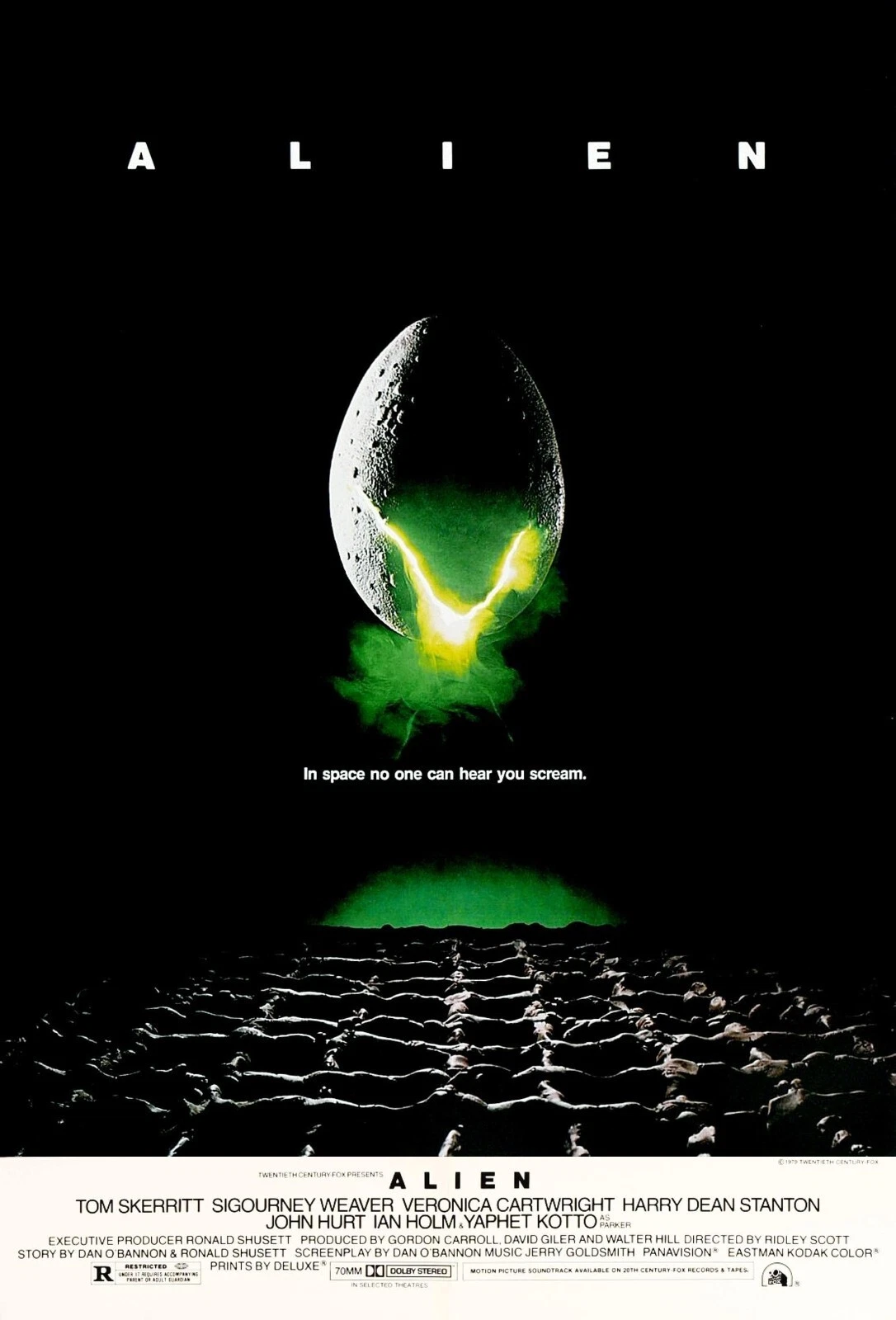
Alien poster
1979

#5 — Alien

Box Office: $78.9M
GenreScience fiction horror
DirectorRidley Scott
1979 Rank#5
Main Cast
  • Sigourney Weaver as Ripley
  • Tom Skerritt as Dallas
  • John Hurt as Kane
  • Ian Holm as Ash

Alien at number five is one of the great commercial and aesthetic pivots of the era. Science fiction after Star Wars could have become all wonder, all bright myth, all clean adventure. Instead, Ridley Scott gives audiences industrial grime, sexual horror, labor tension, corporate indifference, and a creature that feels less like an invader than a violation.

What makes the film so durable is how beautifully it merges design and dread. The Nostromo is not glamorous. It feels worked in, dirty, human, and economically real. That realism is exactly what allows the horror to bite harder. The terror is not floating in a fantasy palace. It is crawling through a workplace.

In the commercial story of 1979, Alien matters because it proves blockbuster-adjacent science fiction could also be claustrophobic, adult, and viciously mean in the best possible way.

For Gen X, this is one of the purest “watched too young and never fully recovered” movies ever made.

Fun Fact / Why It Still Matters The film still matters because it fused science fiction, body horror, and workplace anxiety into one of the most influential genre movies of all time.
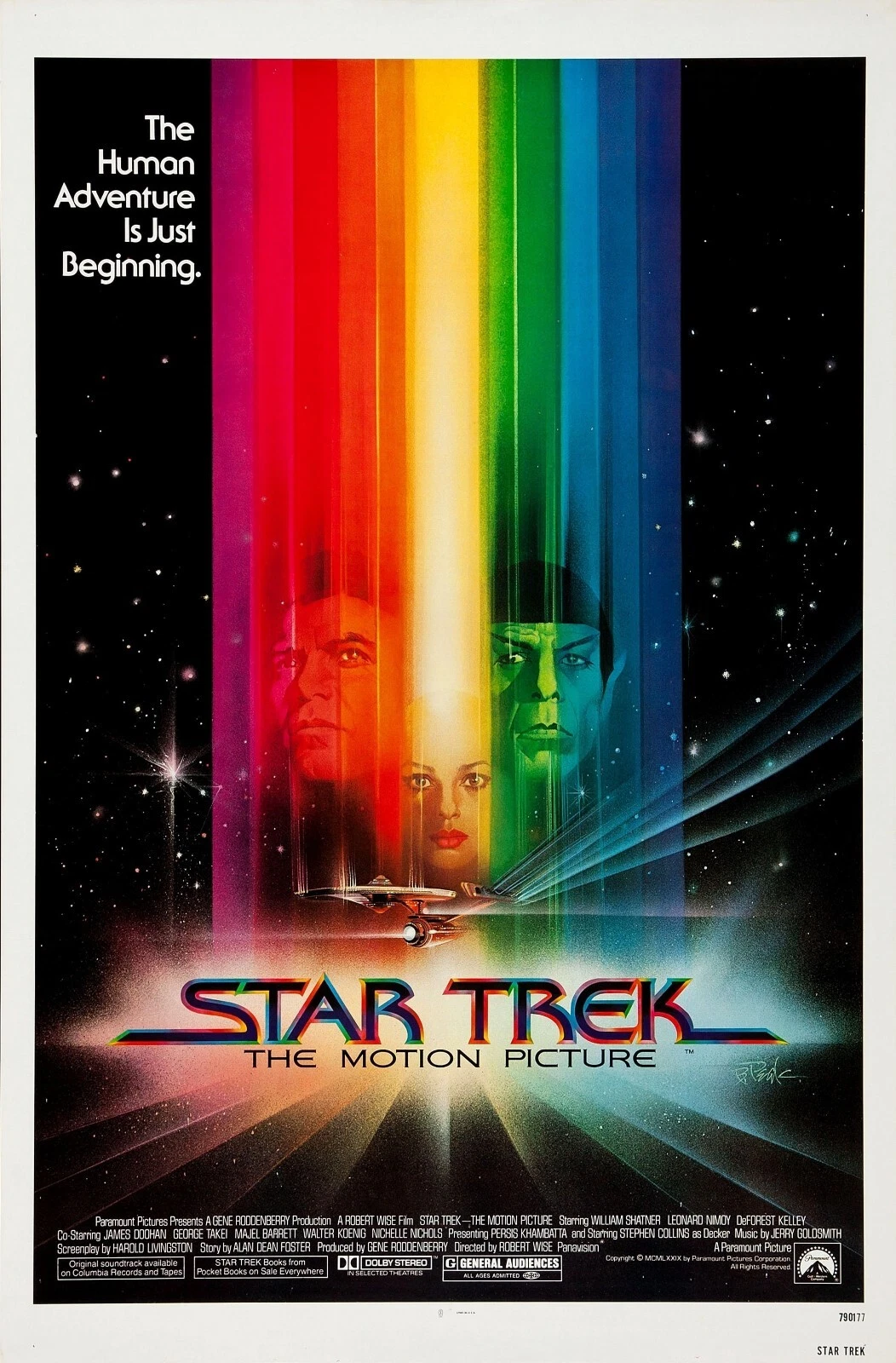
Star Trek: The Motion Picture poster
1979

#4 — Star Trek: The Motion Picture

Box Office: $82.3M
GenreScience fiction adventure
DirectorRobert Wise
1979 Rank#4
Main Cast
  • William Shatner as Kirk
  • Leonard Nimoy as Spock
  • DeForest Kelley as McCoy
  • Persis Khambatta as Ilia

Star Trek: The Motion Picture at number four is one of the most revealing franchise moves of the late 70s. A cult television property gets promoted to giant-screen respectability and, in the process, becomes slower, grander, more solemn, and more openly in dialogue with prestige science fiction than many people expected.

That seriousness is part of what makes the movie interesting. It is not trying to be breezy pulp. It wants to feel important, cosmic, and meditative. Sometimes that makes it seem stately to a fault, but it also gives the film a sincerity that later franchise maintenance often lacks.

In the commercial story of 1979, Star Trek: The Motion Picture matters because it shows television-born fandom becoming a major theatrical business force. The future of franchise loyalty is right there on the bridge.

For Gen X, it remains a key bridge object between old-school TV sci-fi devotion and the larger, more merchandised franchise age to come.

Fun Fact / Why It Still Matters The film still matters because it helped prove that devoted fan culture could support large-scale theatrical franchise expansion.
Rocky II poster
1979

#3 — Rocky II

Box Office: $85.2M
GenreSports drama sequel
DirectorSylvester Stallone
1979 Rank#3
Main Cast
  • Sylvester Stallone as Rocky Balboa
  • Talia Shire as Adrian
  • Burt Young as Paulie
  • Carl Weathers as Apollo Creed

Rocky II at number three is exactly the kind of sequel success that tells you when a character has crossed over from hit to institution. Audiences were no longer simply showing up for an underdog boxing story. They were showing up to revisit Rocky as a national emotional asset.

What makes the sequel commercially effective is that it understands the original’s appeal wasn’t just the fight. It was the tenderness, the self-doubt, the working-class texture, the sense that dignity mattered as much as victory. Rocky II leans more directly into payoff, but it still knows the character has to feel human before he can feel triumphant.

In the commercial story of 1979, Rocky II matters because it confirms the sequel era is not just coming. It has already arrived, and audiences are more than willing to continue the relationship with characters who mean something to them.

For Gen X, Rocky sequels were never just sequels. They were recurring cultural appointments.

Fun Fact / Why It Still Matters The film still matters because it cemented Rocky as one of the most durable and emotionally legible franchise heroes in American movies.
The Amityville Horror poster
1979

#2 — The Amityville Horror

Box Office: $86.4M
GenreSupernatural horror
DirectorStuart Rosenberg
1979 Rank#2
Main Cast
  • James Brolin as George Lutz
  • Margot Kidder as Kathy Lutz
  • Rod Steiger as Father Delaney
  • Don Stroud as Father Bolen

The Amityville Horror at number two is one of the most revealing horror hits of the late 70s because it takes fear and relocates it directly into domestic aspiration. This isn’t some remote gothic castle. It’s a house. A family house. A place that is supposed to symbolize upward mobility, safety, and arrival. The terror is that the house itself refuses the fantasy.

That suburban contamination is a huge part of why the movie hit so hard. The film is selling hauntings, yes, but it is also selling the corruption of domestic normalcy. Once horror enters the mortgage, the whole middle-class promise starts to feel less stable.

In the commercial story of 1979, The Amityville Horror matters because it proves supernatural fear was not cooling off after the decade’s earlier possession and occult hits. It was still a major mass-market draw.

For Gen X, this is one of those titles that lived for years as both movie and whispered rumor.

Fun Fact / Why It Still Matters The film still matters because it helped turn haunted-house horror into a suburban mainstream event rather than a niche gothic pleasure.
Kramer vs. Kramer poster
1979

#1 — Kramer vs. Kramer

Box Office: $106.3M
GenreFamily drama
DirectorRobert Benton
1979 Rank#1
Main Cast
  • Dustin Hoffman as Ted Kramer
  • Meryl Streep as Joanna Kramer
  • Justin Henry as Billy Kramer
  • Jane Alexander as Margaret Phelps

Kramer vs. Kramer finishing as the biggest 1979 release is one of the clearest reminders that the end of the 70s was still deeply interested in adult emotional reality. This is not a monster movie, a sequel, a fantasy, or a giant effects event. It is a divorce drama. And not just any divorce drama — one built around gender roles changing in public, fatherhood being redefined in real time, and domestic life becoming one of the culture’s most charged battlegrounds.

That seriousness is exactly why it connected. The movie took a huge social shift and made it intimate. Instead of treating divorce as abstract “issue” material, it grounds everything in routines, exhaustion, resentment, tenderness, and the daily improvisations of parenthood. The result feels immediate rather than lecture-like.

In the commercial story of 1979, Kramer vs. Kramer matters because it proves a major audience would still show up in enormous numbers for emotionally direct, recognizably adult drama when the material touched a nerve the culture was already living through.

For Gen X, it remains one of the defining portraits of late-70s family tension — a movie where the domestic sphere becomes just as consequential as any battlefield or spaceship.

Fun Fact / Why It Still Matters Kramer vs. Kramer still matters because it turned divorce, parenting, and shifting gender expectations into one of the era’s biggest and most culturally revealing box-office stories.

Rewind Verdict

The top 10 movies of 1979 are one of the strongest cases you can make that the 70s did not end by becoming simple. The blockbuster future is clearly approaching, but the year’s biggest hits are still all over the place emotionally and tonally. Divorce drama beats haunted-house horror. Space horror sits next to Muppet optimism. Apocalypse sits next to Bond in orbit.

What makes the year so memorable is how many different kinds of mainstream appetite it satisfies at once. People wanted domestic realism, supernatural panic, sequel comfort, auteur-sized war madness, slick erotic comedy, science-fiction dread, and franchise expansion. That’s not a narrow audience. That’s a culture still arguing with itself in public.

For Smells Like Gen X, 1979 feels like the perfect endcap to the decade: big, bruised, commercial, ambitious, a little neurotic, and still weird enough to surprise you.

FAQ: Top Movies of 1979

What was the highest-grossing 1979 release at the North American box office?

Kramer vs. Kramer finished as the biggest North American hit among films first released in 1979.

Was horror still huge in 1979?

Yes. The Amityville Horror and Alien both landed in the top 10, showing that supernatural and science-fiction horror were both major commercial forces.

Why use release-year grosses instead of calendar-year totals?

Because release-year grosses keep the list focused on movies first released in 1979 rather than mixing them with older holdovers still earning money during the same calendar period.

Why is Kramer vs. Kramer number one instead of a bigger spectacle film?

Because this list ranks domestic grosses for films first released in 1979, and Kramer vs. Kramer earned more in North America than the year’s horror, sci-fi, sequel, and spy competitors.

What makes the 1979 lineup so memorable?

Its range. The year gives you divorce drama, haunted-house horror, sports-sequel triumph, sci-fi dread, Vietnam nightmare, adult comedy, Bond spectacle, Muppet charm, and one of the most important horror films ever made — all in the same top 10.

Get the Weekly Gen X Drop

New videos, rewinds, and savage nostalgia — first.

JOIN THE NEWSLETTER WATCH VIDEOS

MORE REWINDS